Two Workers Killed in Fire at Andhra Pradesh Pharma City Recycling Unit
A blaze at the Dakshin Energy plastic-waste recycling plant in Anakapalli's Jawaharlal Nehru Pharma City has killed two workers, reviving questions over industrial safety in Andhra Pradesh's chemical corridor.
Commentary & Analysis ·
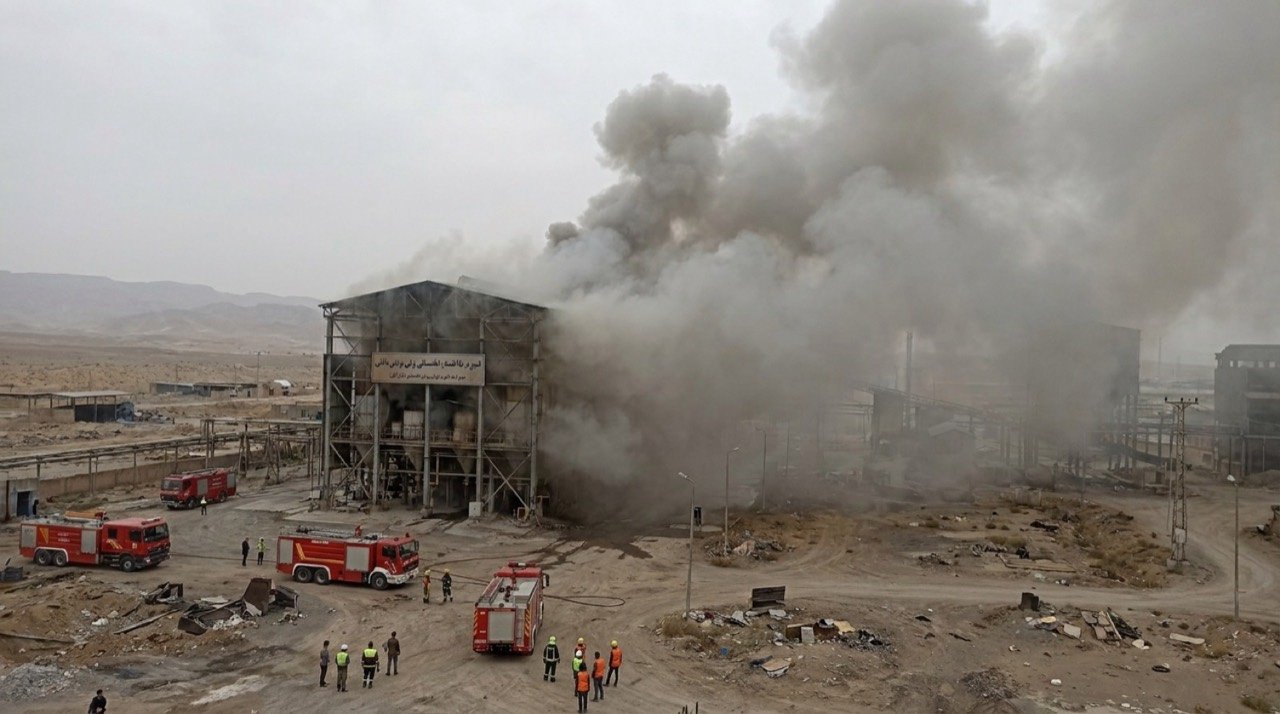
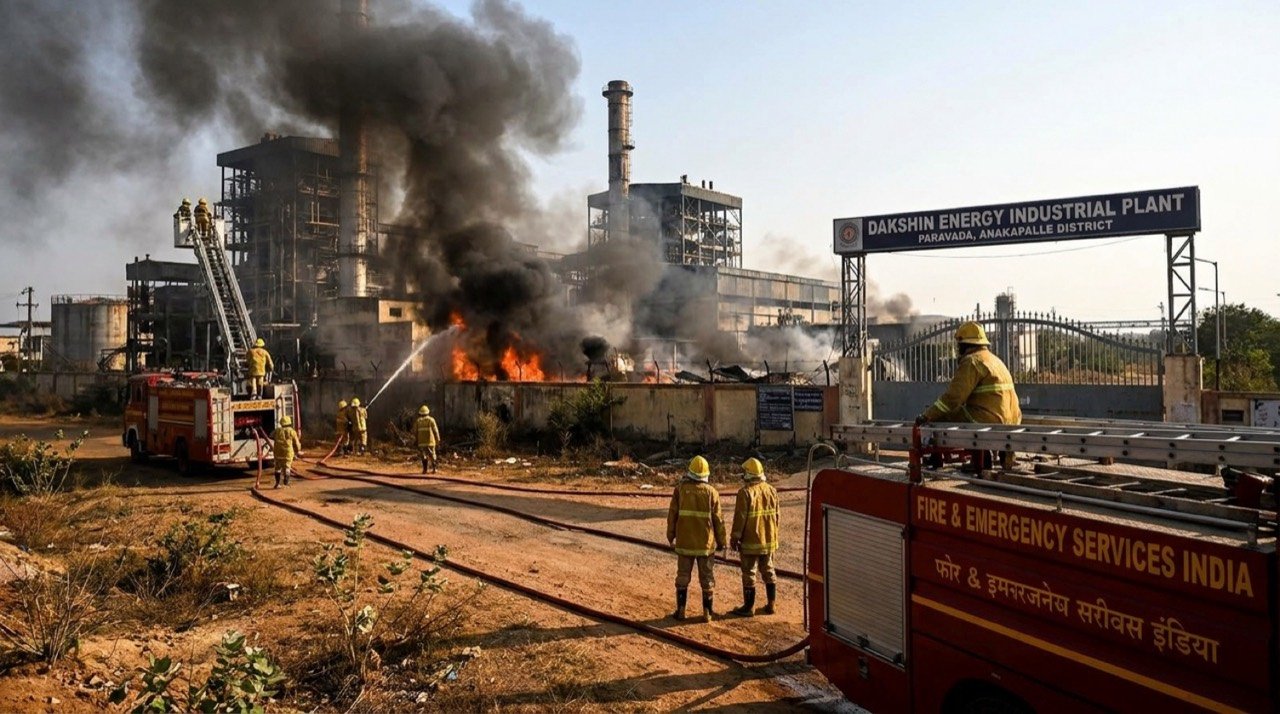
Two workers were killed when a fire tore through Dakshin Energy, a plastic-waste recycling unit located inside the Jawaharlal Nehru Pharma City in Andhra Pradesh's Anakapalli district. The blaze, which broke out at the facility on the industrial belt near Visakhapatnam, prompted a rapid response from emergency teams, but the two men could not be saved. Officials said the cause of the fire is being investigated.
What Happened at the Plant
According to accounts of the incident, flames engulfed the Dakshin Energy premises before fire-and-rescue personnel could bring the situation under control. The unit reportedly handles plastic waste and produces pyrolysis oil, a process that involves heating discarded plastics at high temperatures in the absence of oxygen. Such operations carry elevated fire risk because they combine combustible feedstock with intense heat and volatile by-products.
District authorities and the local fire services were among the first responders, and the bodies of the two workers were recovered from the site. The plant has been cordoned off pending an inquiry, with investigators expected to examine how the fire started and whether it could have been contained earlier.
Why Pharma City Is Under Scrutiny
Jawaharlal Nehru Pharma City, in the Parawada-Anakapalli area near Visakhapatnam, is one of southern India's most concentrated clusters of pharmaceutical, chemical and allied industries. The zone has repeatedly figured in safety reviews after a series of fires, gas leaks and chemical mishaps over recent years, the most prominent being the 2020 styrene gas leak in the wider Visakhapatnam region that drew national attention to plant-safety enforcement.
The latest deaths are likely to renew pressure on regulators to audit recycling and chemical-processing units that operate alongside the larger pharmaceutical plants. Worker advocates have long argued that smaller ancillary facilities, where staff often handle hazardous materials, can fall through gaps in inspection regimes.
The Questions Investigators Must Answer
An incident of this nature typically triggers parallel inquiries by the factories inspectorate, the fire department and, where deaths are involved, the police. Central to the follow-up will be the unit's safety record, the adequacy of its fire-suppression systems and whether the workers had access to protective equipment and clear evacuation routes.
- Whether Dakshin Energy held valid safety clearances and fire no-objection certificates for handling plastic waste and pyrolysis oil.
- When the facility was last inspected, and what those inspection records show.
- Whether fire detection, alarms and extinguishing equipment were present and functional at the time of the blaze.
- Whether the two workers had been trained in emergency procedures and had usable exit routes.
- What compensation and support will be extended to the families of the deceased.
“Industrial safety failures carry severe human costs, and every fire in a hazardous unit is a reminder that inspection records and emergency preparedness are not paperwork but matters of life and death.”
— Industrial safety analyst
For now, the immediate priority is establishing accountability and ensuring the families of the two workers receive support. The broader test will be whether the tragedy prompts a fresh, system-wide audit of recycling and chemical units across the Pharma City zone, or whether it joins a lengthening list of industrial accidents that fade from view once the headlines pass. Officials have signalled that the investigation will take its course, with findings expected to determine any further action.
The NE Times View
Two more deaths in Andhra's chemical corridor follow a wearily familiar script: a fire, a recycling unit, workers who pay with their lives for thin safety margins. The NE Times View: investigations that end with compensation cheques are not accountability. Until factory inspectors have teeth and managements face real consequences, Pharma City's growth will keep being subsidised by avoidable funerals.
This article is original commentary and analysis by The NE Times. Background facts were referenced from ThePrint and The News Minute.
You may also like to read
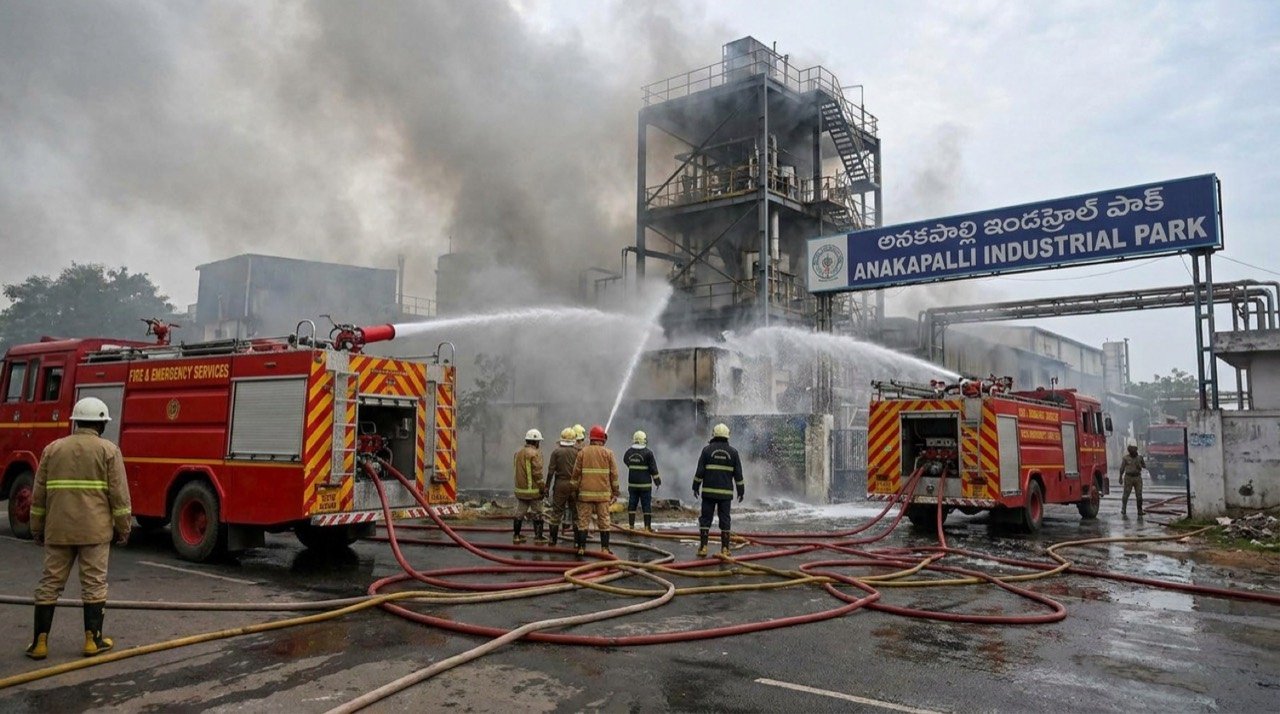
Anakapalli Pharma City Fire at Dakshin Energy Kills Two Workers, Reignites Safety Concerns
A fire at Dakshin Energy Industries in Anakapalli's Jawaharlal Nehru Pharma City killed two workers on June 23, with others feared trapped, putting Andhra Pradesh's industrial safety record back in focus.
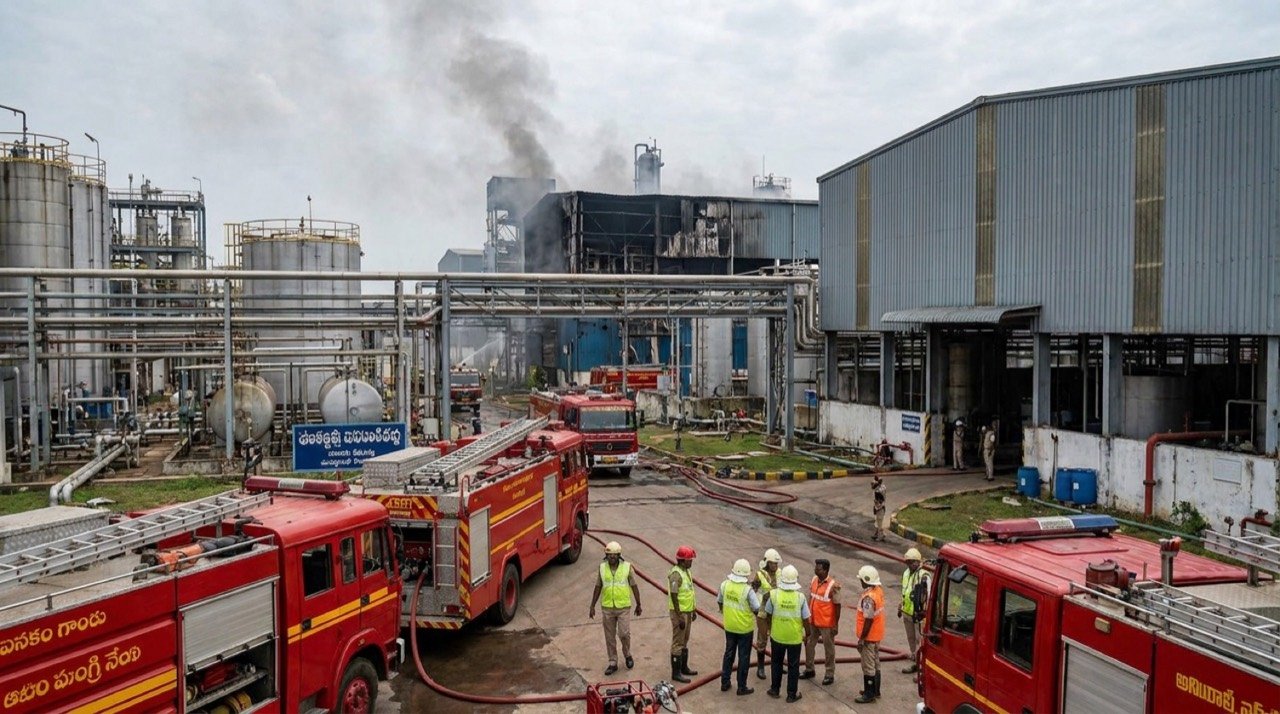
Anakapalli Pharma-City Fire Puts Andhra Pradesh Industrial Safety Back Under the Lens
A deadly fire at a unit in Andhra Pradesh's Anakapalli pharma-city has reignited scrutiny of industrial safety, compliance and worker protection across one of the state's key manufacturing belts.
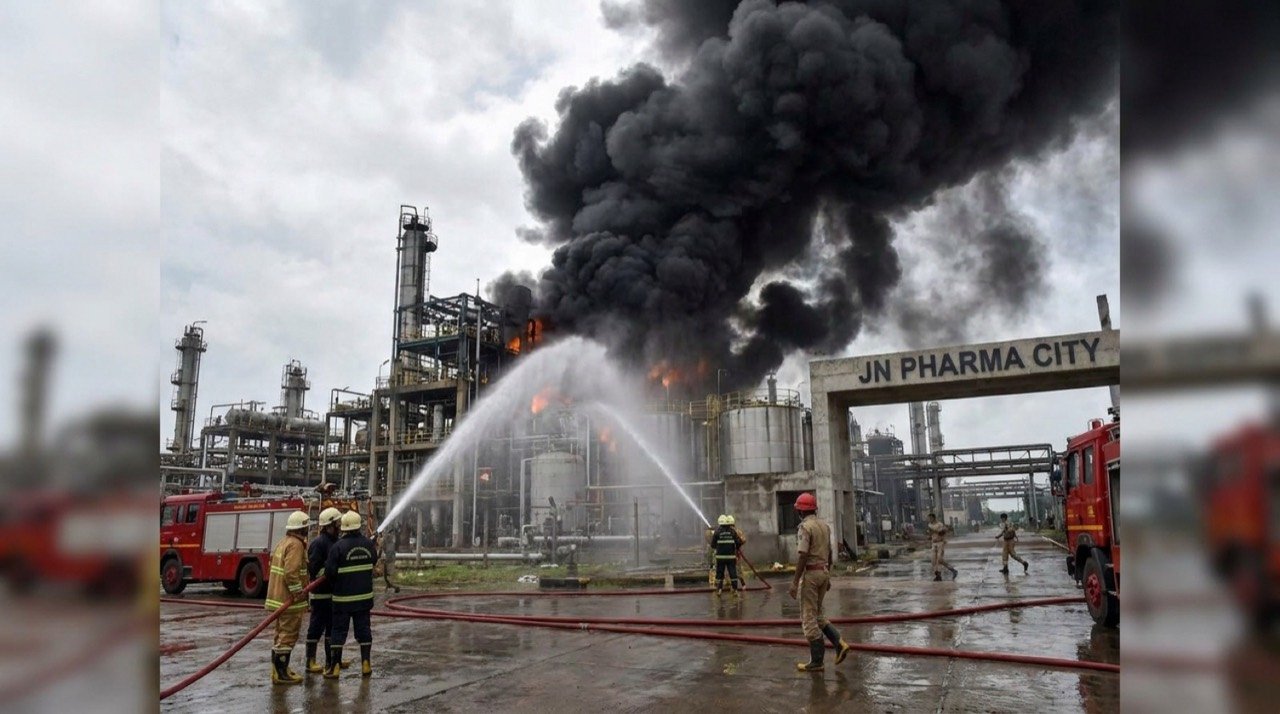
Two Workers Killed in Anakapalli Pharma City Fire at Dakshin Energy Plant
A blaze at a plastic pyrolysis unit in Andhra Pradesh's Jawaharlal Nehru Pharma City has killed two workers, reviving hard questions about safety audits in the Visakhapatnam industrial belt.
Anakapalle Plant Fire Kills Two Workers, Renews Industrial-Safety Concerns
A major fire at the Dakshin Energy plant in Andhra Pradesh's Anakapalle district has killed two workers and trapped others, reviving urgent questions over factory fire controls and inspections.
More from this section
More
AICTE Industry Fellowship 2026: Rs 1.5 Lakh Scheme Closes July 5
The AICTE Industry Fellowship Programme 2026, which places technical-education faculty inside leading companies on a Rs 1.5 lakh monthly stipend, reached its application deadline on July 5.

Bay of Bengal Low Pressure System Revives Monsoon Over Western India
A low-pressure system over the Bay of Bengal has pushed the monsoon back into an active phase, bringing steady heavy rain to Kerala, coastal Karnataka and Maharashtra, and putting Mumbai and Pune on preparedness watch.
Bishnoi Gang Suspects Injured in Haryana Encounter as Police Tighten Net
A joint Haryana-Delhi Police operation in Bahadurgarh left two suspected Lawrence Bishnoi gang members injured, spotlighting the multi-state coordination now central to India's fight against organised crime networks.