Two Workers Killed in Anakapalli Pharma City Fire at Dakshin Energy Plant
A blaze at a plastic pyrolysis unit in Andhra Pradesh's Jawaharlal Nehru Pharma City has killed two workers, reviving hard questions about safety audits in the Visakhapatnam industrial belt.
Commentary & Analysis ·
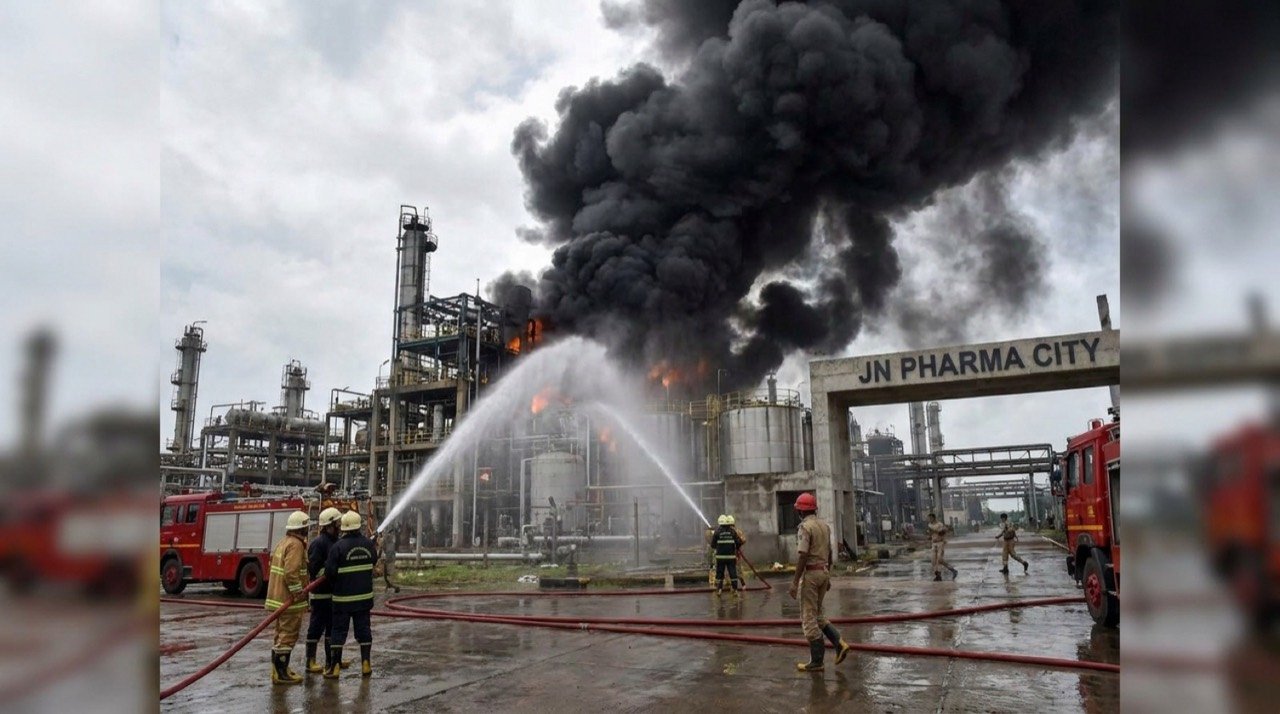
Two workers died after a major fire tore through the Dakshin Energy unit in Jawaharlal Nehru Pharma City near Parawada, in Andhra Pradesh's Anakapalli district. Emergency teams eventually brought the blaze under control, but not before it claimed the lives of two men described in local reports as residents of the nearby Atchutapuram area. The deaths have once again turned attention to the safety record of an industrial corridor that ranks among the densest in coastal Andhra.
What happened at the Parawada unit
The deceased were identified in reports as Vepada Venkatesh and Trinath. The unit where the fire broke out is reported to manufacture plastic pyrolysis oil, a product made by heating waste plastic in the absence of oxygen, a process that involves flammable feedstock and volatile output. Fire and emergency services rushed to the site and contained the flames, though the exact cause remains under investigation.
Pyrolysis operations carry inherent fire risk because the high temperatures and hydrocarbon vapours involved can ignite rapidly if containment fails. Investigators are expected to examine whether a leak, equipment failure or process lapse triggered the incident, and whether fire-suppression systems performed as required.
A recurring concern in the Vizag belt
Jawaharlal Nehru Pharma City and the surrounding clusters around Visakhapatnam and Anakapalli host chemical, pharmaceutical and recycling plants packed closely together. The area has seen industrial accidents before, and each one renews scrutiny of whether smaller units are running with adequate fire permissions, hazard mapping and trained emergency response.
For the families of contract and daily-wage workers, who make up much of the labour force in these units, such incidents expose a persistent gap between rapid industrial expansion and the slower pace of safety enforcement.
Questions the inquiry must answer
Beyond the immediate grief, the case raises structural questions about how hazardous units in the corridor are licensed and monitored.
- Whether Dakshin Energy held valid fire safety clearances for handling flammable pyrolysis material
- When the unit was last subjected to a safety audit and what it found
- Whether functioning fire-detection and suppression systems were in place
- Whether the workers had safety training and protective equipment
- What compensation and accountability the state will ensure for the bereaved families
“Each accident in these clusters is a reminder that industrial growth means little without enforceable worker safety on the factory floor.”
— Industrial safety analyst
District authorities are likely to face pressure to publish the findings of any inquiry quickly and to review fire-readiness across the Pharma City. For workers and residents living in the shadow of the corridor, the test will be whether this tragedy prompts lasting reform or fades, like earlier ones, once the headlines pass.
The NE Times View
Two more lives lost in the Visakhapatnam belt is not an accident so much as a pattern. Pharma City has a troubling safety record, and pyrolysis units handling combustible plastics demand audits that are real, not filed. India cannot court industrial investment while treating worker safety as paperwork. The state should publish the inspection trail and hold the chain of negligence accountable, not just the plant.
This article is original commentary and analysis by The NE Times. Background facts were referenced from ThePrint and The New Indian Express.
You may also like to read
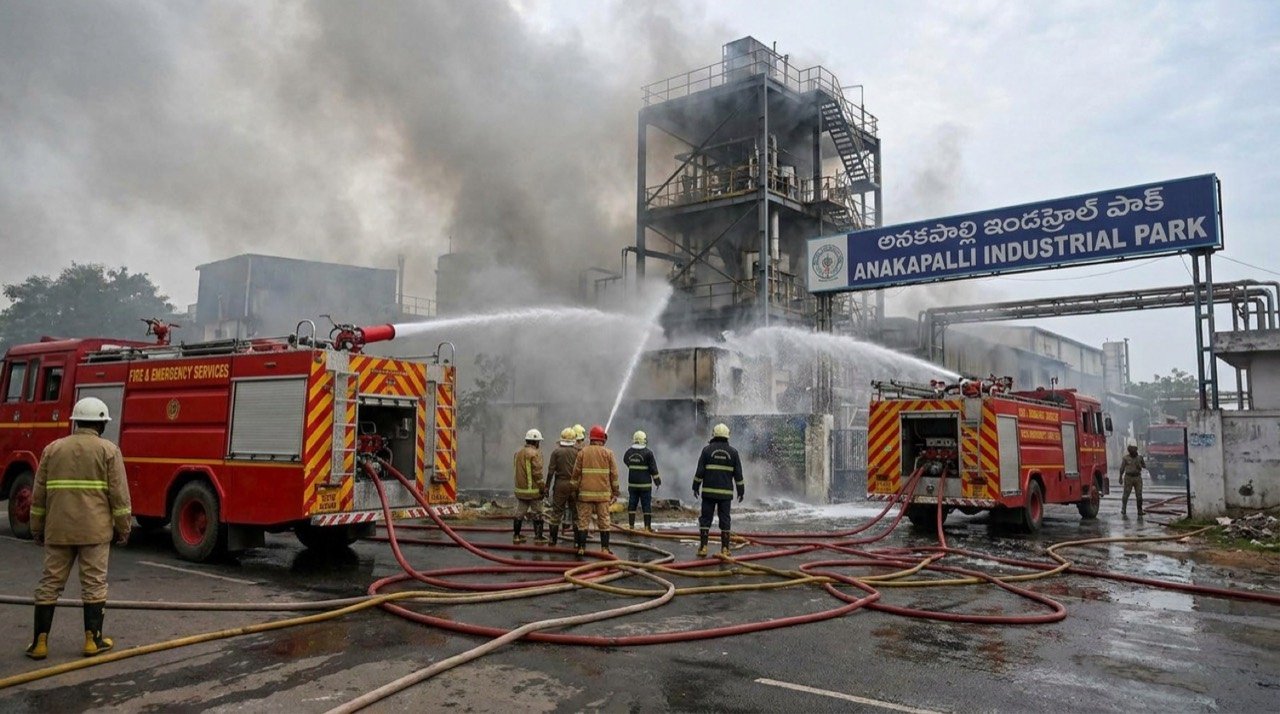
Anakapalli Pharma City Fire at Dakshin Energy Kills Two Workers, Reignites Safety Concerns
A fire at Dakshin Energy Industries in Anakapalli's Jawaharlal Nehru Pharma City killed two workers on June 23, with others feared trapped, putting Andhra Pradesh's industrial safety record back in focus.
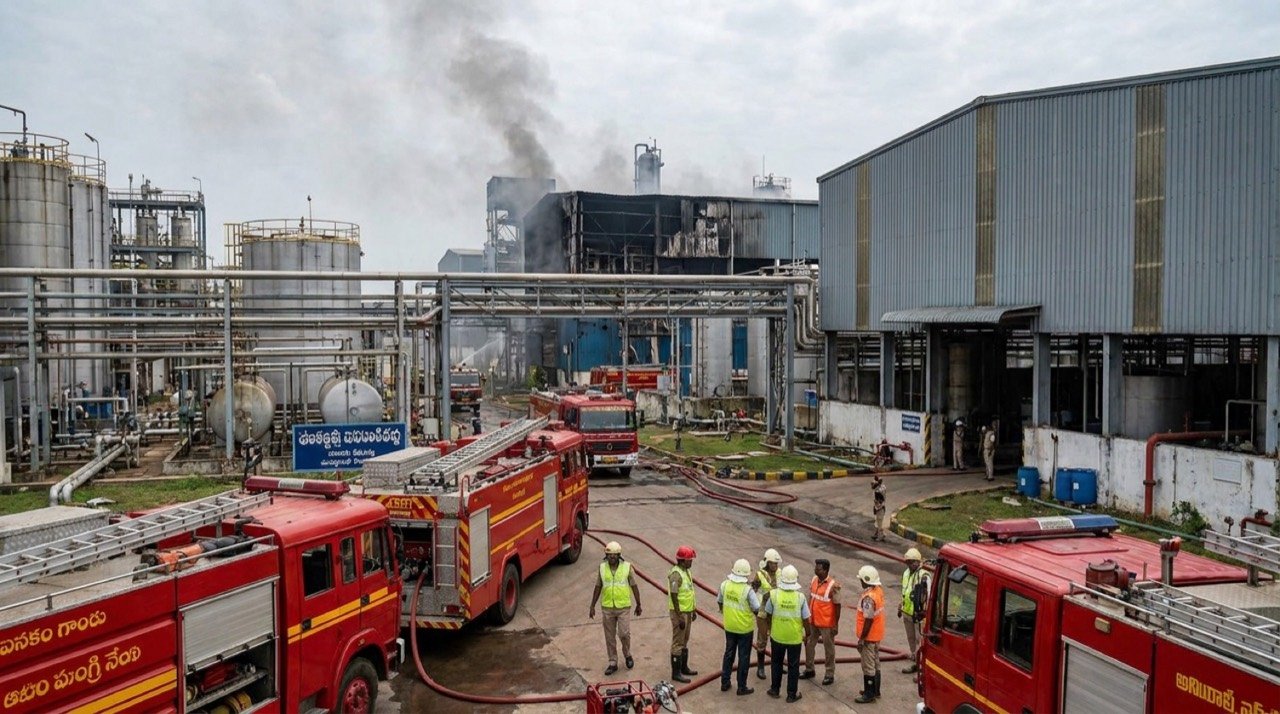
Anakapalli Pharma-City Fire Puts Andhra Pradesh Industrial Safety Back Under the Lens
A deadly fire at a unit in Andhra Pradesh's Anakapalli pharma-city has reignited scrutiny of industrial safety, compliance and worker protection across one of the state's key manufacturing belts.
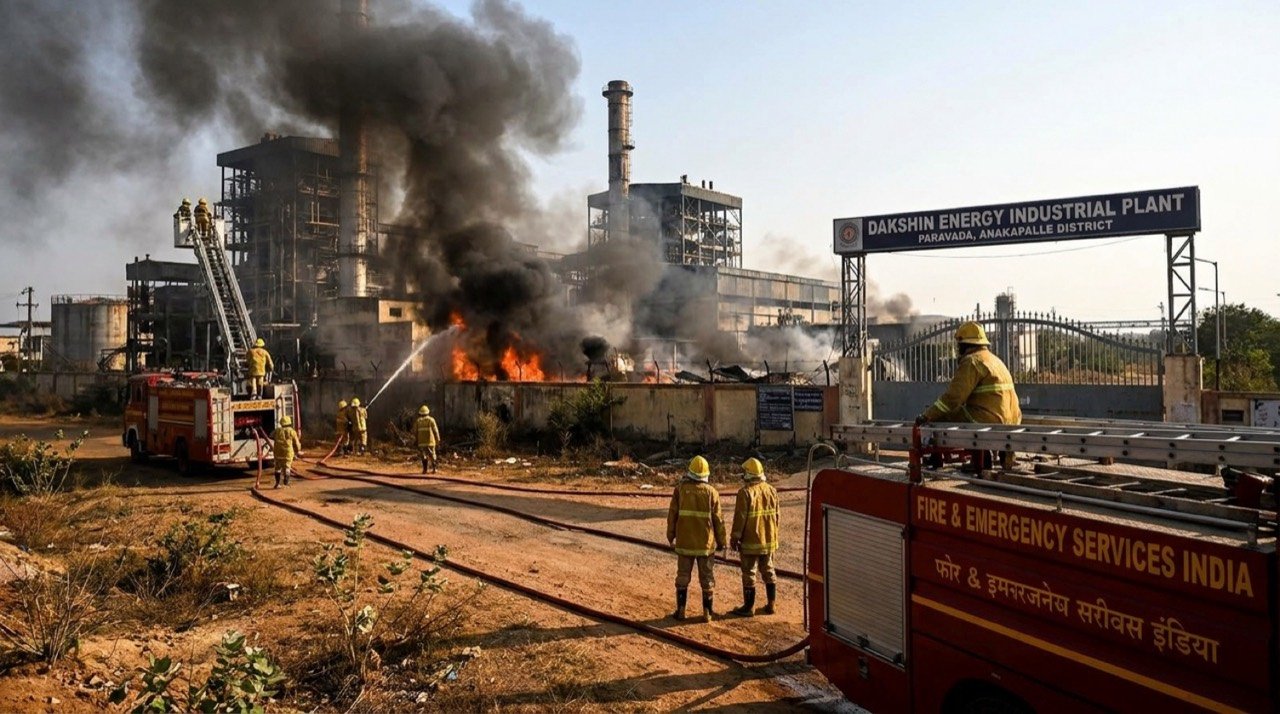
Anakapalle Plant Fire Kills Two Workers, Renews Industrial-Safety Concerns
A major fire at the Dakshin Energy plant in Andhra Pradesh's Anakapalle district has killed two workers and trapped others, reviving urgent questions over factory fire controls and inspections.
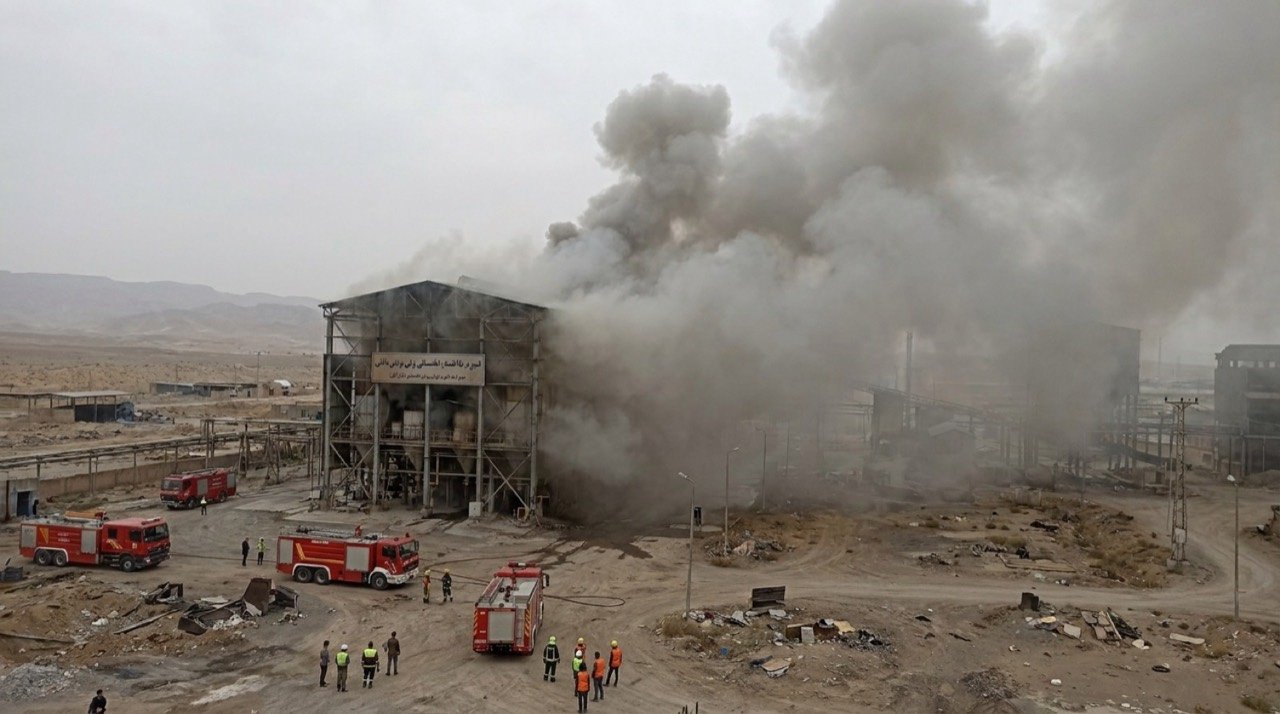
Two Workers Killed in Fire at Andhra Pradesh Pharma City Recycling Unit
A blaze at the Dakshin Energy plastic-waste recycling plant in Anakapalli's Jawaharlal Nehru Pharma City has killed two workers, reviving questions over industrial safety in Andhra Pradesh's chemical corridor.
More from this section
More
AICTE Industry Fellowship 2026: Rs 1.5 Lakh Scheme Closes July 5
The AICTE Industry Fellowship Programme 2026, which places technical-education faculty inside leading companies on a Rs 1.5 lakh monthly stipend, reached its application deadline on July 5.

Bay of Bengal Low Pressure System Revives Monsoon Over Western India
A low-pressure system over the Bay of Bengal has pushed the monsoon back into an active phase, bringing steady heavy rain to Kerala, coastal Karnataka and Maharashtra, and putting Mumbai and Pune on preparedness watch.
Bishnoi Gang Suspects Injured in Haryana Encounter as Police Tighten Net
A joint Haryana-Delhi Police operation in Bahadurgarh left two suspected Lawrence Bishnoi gang members injured, spotlighting the multi-state coordination now central to India's fight against organised crime networks.