Sakurajima Eruption Blankets Southern Japan in Volcanic Ash
A powerful eruption at one of Japan's most active volcanoes coated the city of Kagoshima in ash, grounding flights, halting trains and disrupting the summer tourist season.
Commentary & Analysis ·
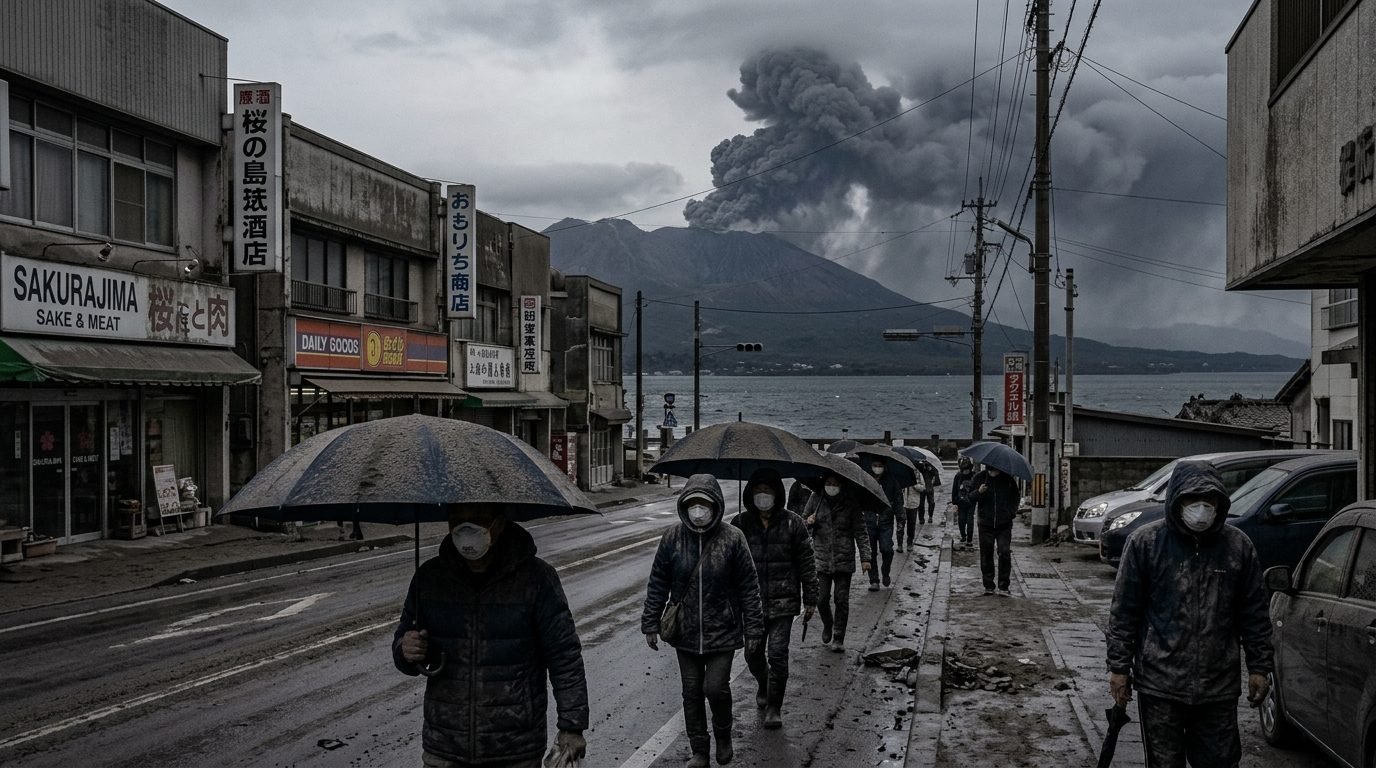
A major eruption at the Sakurajima volcano has blanketed the southern Japanese city of Kagoshima in a thick layer of volcanic ash, forcing flight cancellations, suspending rail services and upending the start of the summer tourist season. The eruption sent ash plumes climbing kilometres into the sky, prompting the Japan Meteorological Agency to raise its alert level.
Sakurajima, which sits across a bay from Kagoshima City in Japan's southwest, is among the country's most restless volcanoes and has been in near-continuous eruptive activity for decades. While smaller eruptions are routine, the intensity of this event stood out, dramatically reducing visibility and coating streets, vehicles and rooftops across the urban area.
A city under ash
Residents woke to skies darkened by falling ash, with authorities advising people to wear masks, limit outdoor activity and clear ash carefully from gutters and roofs. Fine volcanic particles pose respiratory risks and can clog drainage systems, damage machinery and create hazardous driving conditions as roads become slick.
The Japan Meteorological Agency classified the eruption as high-intensity and maintained close monitoring for further activity. Japan, situated along the seismically active Pacific Ring of Fire, lives with constant volcanic and earthquake risk, and its monitoring and evacuation systems are among the most sophisticated in the world.
Travel and tourism hit
The timing was especially damaging for the local economy, striking as the summer travel season was getting under way. The disruption rippled across several sectors:
- Flights into and out of the region were cancelled as ash made airspace unsafe.
- Rail services were suspended and ferry operators halted crossings.
- Hotels reported a wave of cancellations as tourists abandoned plans.
- Local restaurants and shops saw foot traffic collapse amid the ashfall.
Kagoshima is a popular gateway for travellers exploring Kyushu, and the eruption threatened to dent a tourism economy that had been recovering steadily. Local officials began coordinating clean-up efforts even as they warned that further eruptions could not be ruled out.
Living with a restless mountain
For the communities around Sakurajima, volcanic activity is a fact of daily life. Schools conduct ash drills, and infrastructure is designed with frequent eruptions in mind. Even so, the larger events test the limits of that preparedness and serve as reminders of the volcano's destructive potential.
Scientists monitor Sakurajima for signs of magma movement and ground deformation that can precede bigger eruptions. While there was no immediate indication of a catastrophic event, authorities urged residents to stay alert to official guidance and to keep emergency supplies ready.
Why it resonates abroad
For Indian readers, the eruption is a reminder of the shared vulnerability of nations along the Pacific and Indian Ocean disaster belts. Japan's experience in disaster management, early warning and rapid recovery is closely studied by Indian agencies as the subcontinent confronts its own array of natural hazards, from earthquakes to floods.
As clean-up crews worked to clear the ash and restore transport links, attention turned to how quickly Kagoshima could recover and whether the volcano would settle or continue its disruptive display through the summer months.
The NE Times View
Japan's calm response to a major eruption, grounding flights and halting trains without chaos, is a quiet masterclass in living with hazard rather than denying it. The contrast with how India handles its own predictable disasters, from floods to landslides, is instructive. Preparedness is unglamorous and rarely rewarded at the ballot box, but Kagoshima shows it is the difference between disruption and catastrophe.
This article is original commentary and analysis by The NE Times. Background facts were referenced from Reuters and BBC.
You may also like to read
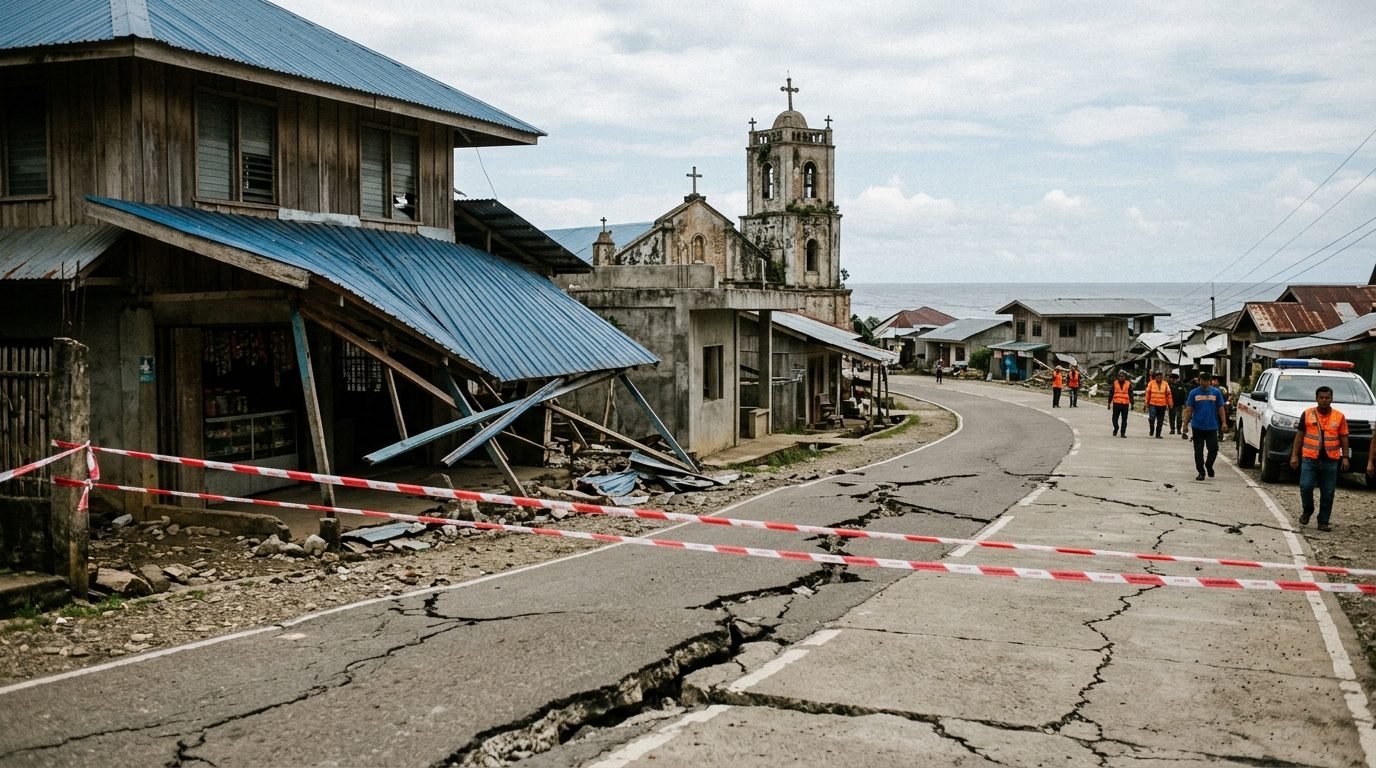
Powerful Magnitude 7.8 Quake Strikes Southern Philippines, Dozens Killed
A strong earthquake off Mindanao triggered a tsunami and widespread destruction, with the death toll climbing and millions of schoolchildren affected.

South Korea's Ex-President Yoon Handed 30 Years Over Drone Plot
A Seoul court convicted former president Yoon Suk Yeol of sending military drones over Pyongyang to manufacture a pretext for his failed 2024 martial law bid.
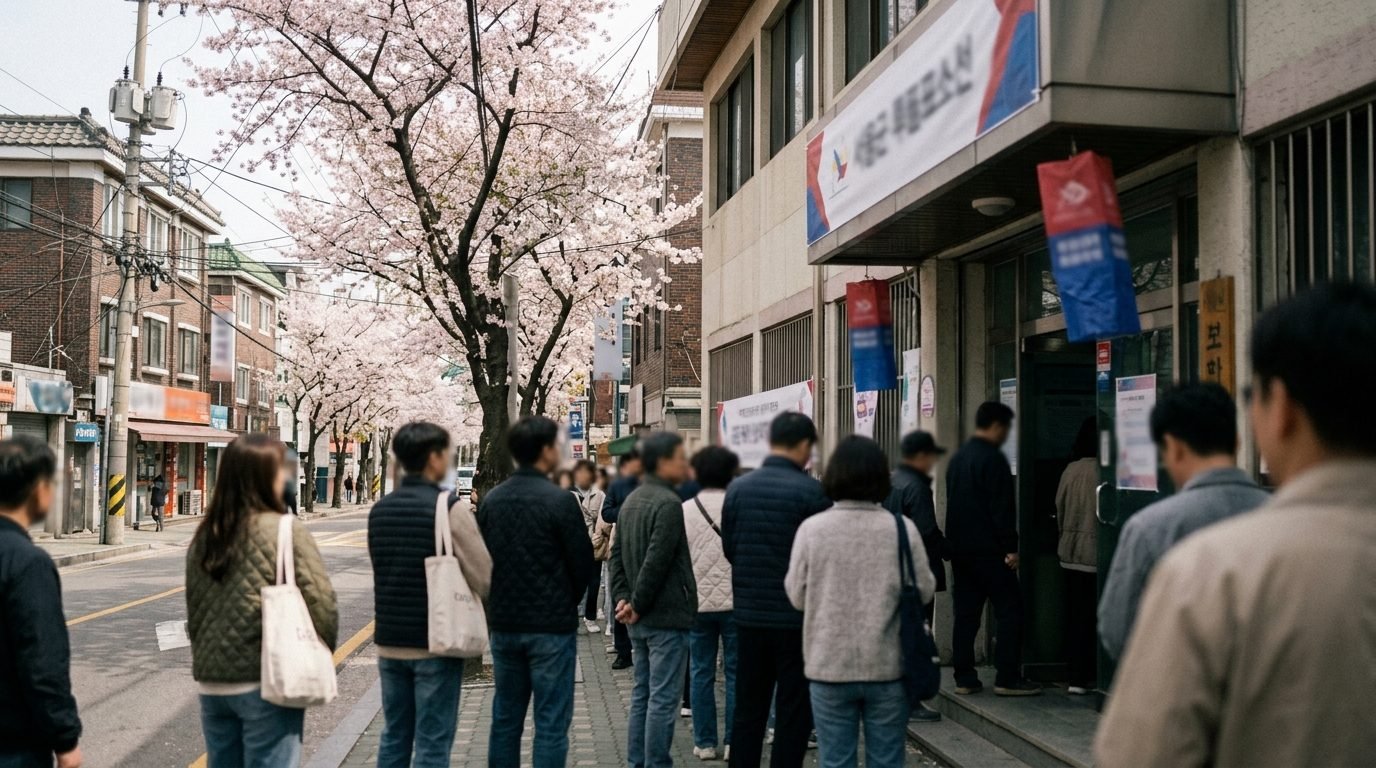
South Korea's Ruling Party Sweeps Local Polls But Loses Seoul
President Lee Jae-myung's Democratic Party won most governorships and metropolitan mayoralties on a high turnout, yet the opposition held the symbolically vital Seoul mayoralty.

India-Japan Summit Widens Ties Across AI, Defence and Chips
At their annual summit in New Delhi, Prime Ministers Modi and Takaichi unveiled a roadmap deepening cooperation on maritime security, artificial intelligence, semiconductors, shipbuilding and critical technologies.
More from this section
More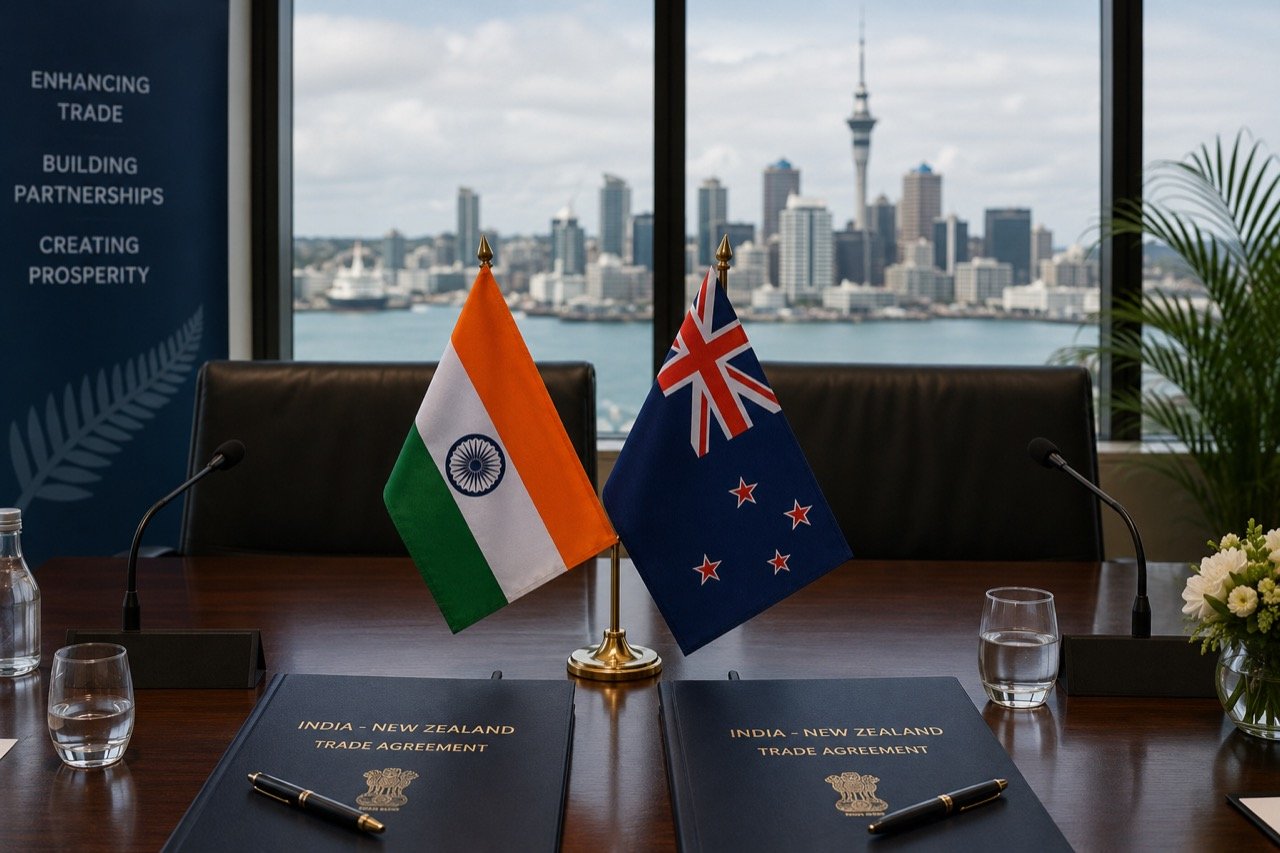
India-New Zealand Ties: Visit Plans Put FTA and Diplomacy in Focus
Reports of a planned high-level India-New Zealand engagement have revived attention on free trade talks, professional mobility and Indo-Pacific cooperation between two partners with clear room to grow.

Modi Greets Trump on US 250th Independence Day, Hails Partnership
Prime Minister Narendra Modi marked America's 250th Independence Day with a message to President Trump, saying the next 250 years should lift the India-US partnership to new heights.
India Watches Dhaka's China-Backed Teesta Plan as Stakes Rise
New Delhi is closely tracking Bangladesh's proposal to develop the Teesta river with Chinese assistance, a move that revives one of South Asia's most sensitive water-sharing disputes and tests regional strategic trust.