Powerful Magnitude 7.8 Quake Strikes Southern Philippines, Dozens Killed
A strong earthquake off Mindanao triggered a tsunami and widespread destruction, with the death toll climbing and millions of schoolchildren affected.
Commentary & Analysis ·
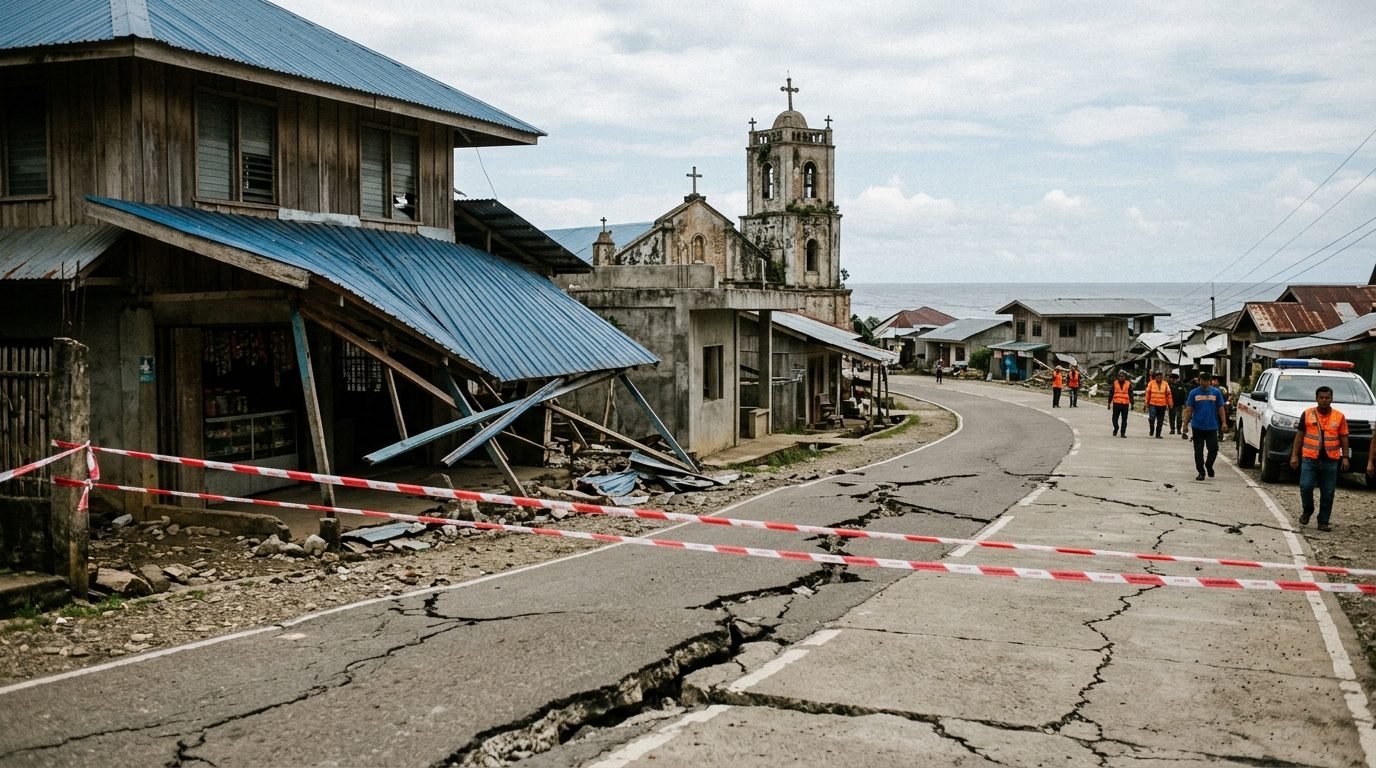
A magnitude 7.8 earthquake struck off the coast of Mindanao in the southern Philippines on 8 June, sending tremors across the island and parts of the Visayas and prompting tsunami warnings along nearby coasts. The quake was centred a short distance south of General Santos City, placing a densely populated stretch of the southern Philippines directly in the path of one of the most powerful tremors the region has experienced in recent years.
Authorities reported dozens of deaths and more than a thousand injuries, with figures rising as search-and-rescue teams reached remote areas where roads and communications had been cut. Most casualties were attributed to collapsing buildings, landslides and the tsunami, which produced waves recorded at around 1.4 metres above normal tide levels. The combination of ground shaking, slope failure and sea surge is a familiar and deadly signature of large coastal earthquakes.
A nation on the Ring of Fire
The Philippines sits along the Pacific Ring of Fire, a horseshoe-shaped belt of intense seismic and volcanic activity where tectonic plates grind against one another. That geography makes the archipelago one of the most earthquake-prone countries on Earth, and it explains why a quake of this scale, while shocking, is not without precedent for the communities of Mindanao.
Offshore earthquakes carry the added danger of tsunamis, as the sudden movement of the seabed can displace vast volumes of water. The waves recorded after this event were comparatively modest, but even moderate surges can be lethal in low-lying coastal settlements with little time to evacuate, which is why warning systems and rapid public response are so critical in the minutes after a major tremor.
Schools and infrastructure hit
The disaster struck on the first day of the new school year, compounding its impact. Officials said more than three million learners were affected and classes were suspended in thousands of public and private schools pending structural inspections, as authorities moved to ensure that damaged buildings would not collapse on returning students.
The timing illustrates how natural disasters cascade beyond their immediate death toll, disrupting education, livelihoods and the basic functioning of communities. Restoring schools, clearing debris, repairing roads and reconnecting power and water supplies are tasks that can stretch over months, long after the initial emergency response has wound down.
Aftershocks and the response
More than a thousand aftershocks were recorded in the following days, keeping coastal and displaced communities on alert and complicating the work of rescuers and engineers assessing damaged structures. Aftershock sequences of this kind can persist for weeks, and each one risks further weakening buildings already compromised by the main quake.
A state of calamity was declared across affected parts of Sarangani province as relief operations continued, a designation that unlocks emergency funds, allows price controls on essential goods and speeds the flow of aid to survivors.
- Magnitude 7.8 quake centred south of General Santos City
- Tsunami waves recorded around 1.4 metres above normal tide levels
- More than three million learners affected on the first school day
- Over a thousand aftershocks recorded in the days after the quake
- State of calamity declared in affected parts of Sarangani province
In the days and weeks ahead, attention will turn from rescue to recovery and resilience, with structural inspections, reconstruction and the reinforcement of schools and public buildings high on the agenda. For a nation that lives with constant seismic risk, the disaster is another reminder of the value of preparedness, early-warning systems and building standards capable of withstanding the next inevitable shock.
The NE Times View
A magnitude 7.8 quake and tsunami off Mindanao is a grim reminder that the Pacific Ring of Fire offers no warning and little mercy. For India, with its own seismically vulnerable Himalayan and northeastern belts, the toll is a prompt, not a distant tragedy. The NE Times View: our condolences are sincere, but the actionable lesson is preparedness, retrofitting and drills before the ground shakes, never after.
This article is original commentary and analysis by The NE Times. Background facts were referenced from Al Jazeera, UN News.
You may also like to read
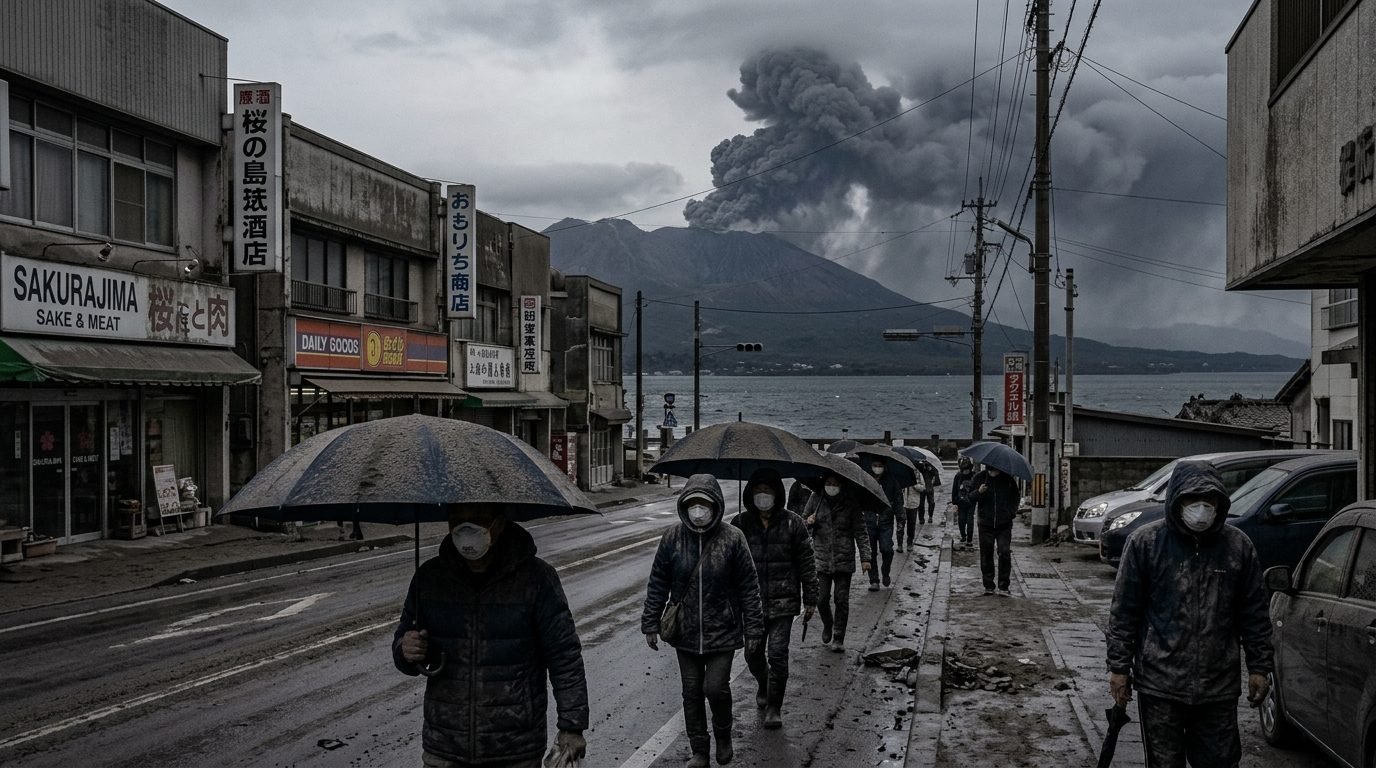
Sakurajima Eruption Blankets Southern Japan in Volcanic Ash
A powerful eruption at one of Japan's most active volcanoes coated the city of Kagoshima in ash, grounding flights, halting trains and disrupting the summer tourist season.
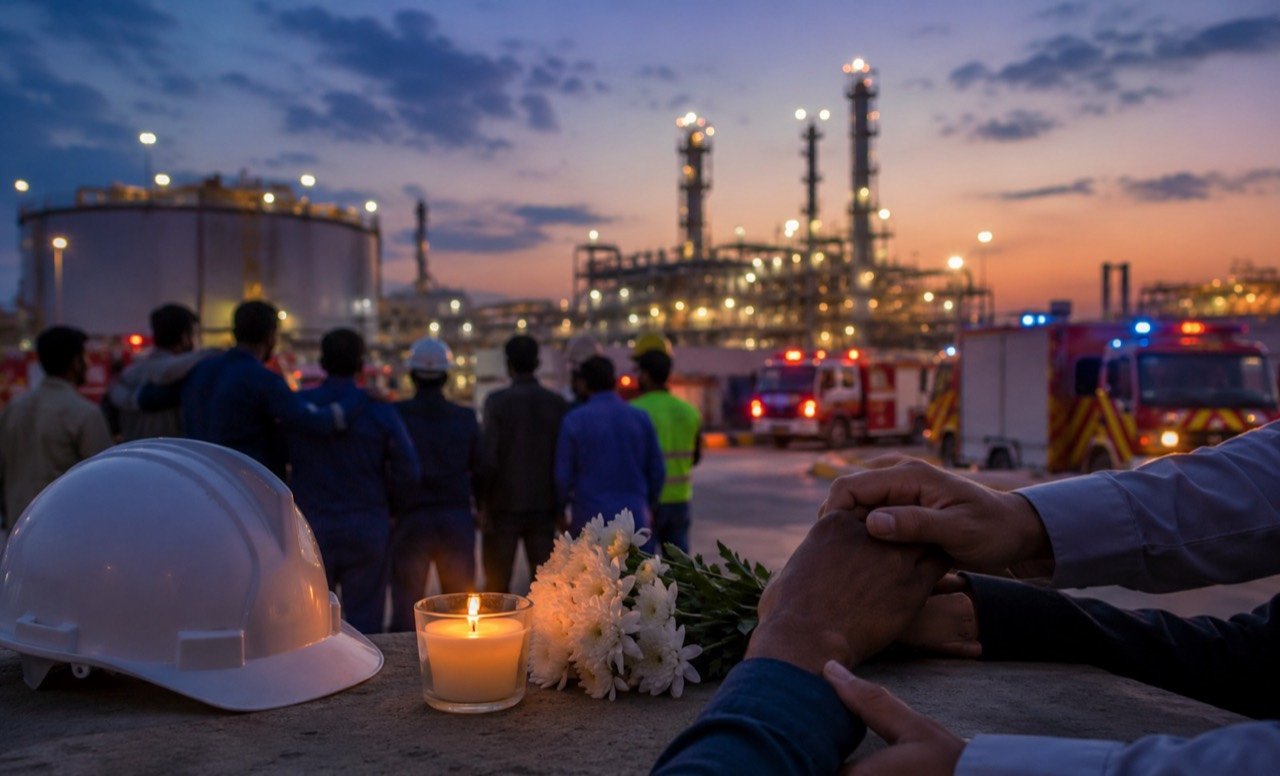
Twelve Indians Killed in Qatar's Ras Laffan Industrial Blast
An explosion at an industrial facility in Qatar's Ras Laffan area has killed 12 Indians and injured 14, renewing concern over migrant worker safety in the Gulf.
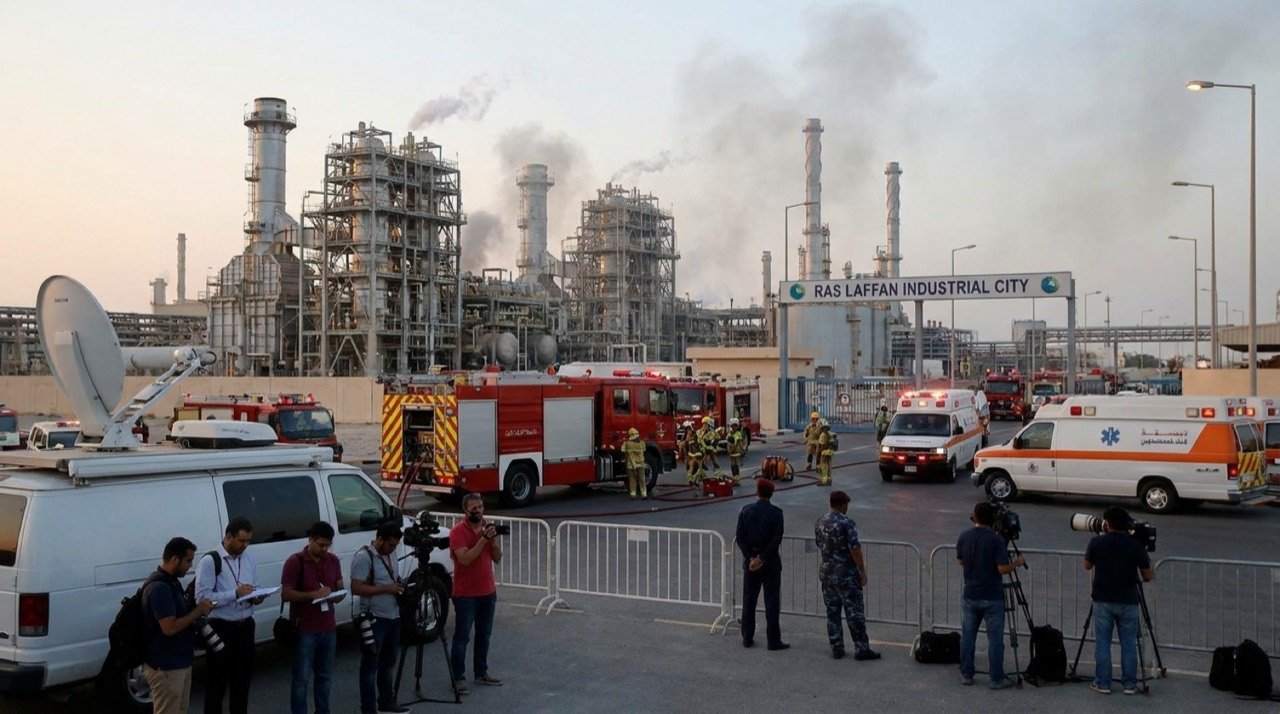
Twelve Indians Killed in Qatar Gas Plant Blast, Embassy Confirms
Twelve Indian nationals were among 13 people killed in an explosion at a gas processing facility in Qatar's Ras Laffan Industrial City, with authorities citing a technical malfunction during operations.
Zelenskyy Presses Putin for Ceasefire Talks as Strikes Continue
Ukraine's president called for direct negotiations in an open letter, winning backing from European leaders, even as drone attacks and shelling persisted across the front.
More from this section
More
India-New Zealand Ties: Visit Plans Put FTA and Diplomacy in Focus
Reports of a planned high-level India-New Zealand engagement have revived attention on free trade talks, professional mobility and Indo-Pacific cooperation between two partners with clear room to grow.

Modi Greets Trump on US 250th Independence Day, Hails Partnership
Prime Minister Narendra Modi marked America's 250th Independence Day with a message to President Trump, saying the next 250 years should lift the India-US partnership to new heights.
India Watches Dhaka's China-Backed Teesta Plan as Stakes Rise
New Delhi is closely tracking Bangladesh's proposal to develop the Teesta river with Chinese assistance, a move that revives one of South Asia's most sensitive water-sharing disputes and tests regional strategic trust.