Parbhani Temple Roof Collapse Kills Several, Reigniting Questions Over Construction Safety at Religious Sites
A roof section at an under-construction temple in Maharashtra's Parbhani district collapsed during a gathering, killing at least five to six devotees and injuring many more, exposing gaps in construction oversight.
Commentary & Analysis ·
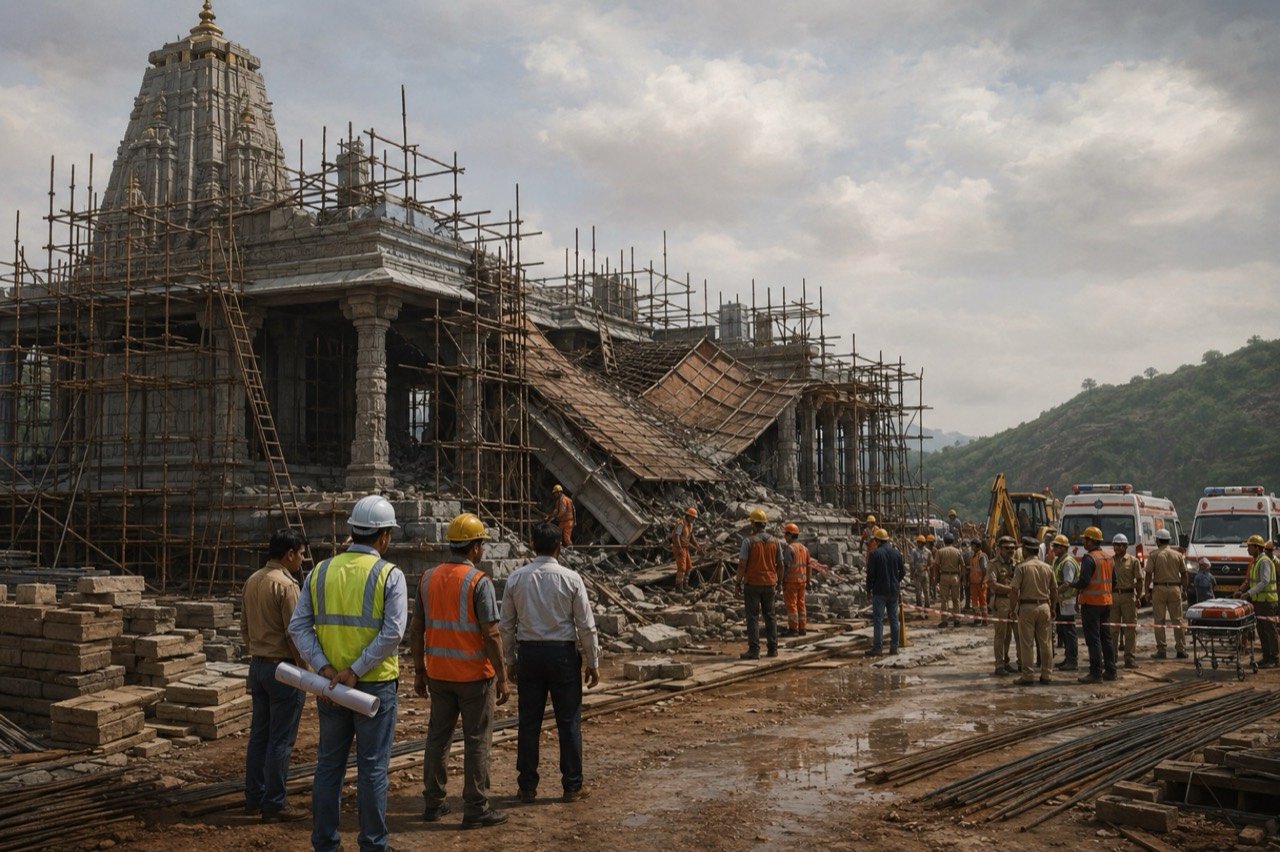
A roof section at an under-construction temple in Maharashtra's Parbhani district gave way during a religious gathering, killing at least five to six people and injuring several others, according to reports. The collapse struck at Yashwadi village as devotees assembled for prayers and a community meal, turning a moment of worship into a scene of grief and a rescue scramble that drew emergency teams to the rural site.
How the collapse unfolded
Reports said heavy stone slabs and scaffolding were involved in the failure, which occurred at a structure described as near completion. With worshippers gathered beneath or around the roof section for prayers and a shared meal, the sudden collapse left people trapped and prompted an urgent rescue operation.
Rescue work moved quickly, but the toll mounted as teams pulled victims from the debris. State leaders announced condolences and aid for the affected families, while investigators turned to the difficult task of establishing why a structure so close to completion failed under the weight of a crowd.
Oversight at community and religious sites
The tragedy has reignited a long-standing concern in India: the safety of construction at religious and community venues, where large crowds often gather well before a building has cleared final safety certification. Temple and community-hall projects are frequently funded and built locally, sometimes with limited engineering supervision and inconsistent enforcement of building codes.
The combination of heavy stone construction, temporary scaffolding and a dense gathering can prove lethal if load limits are exceeded or supports are removed prematurely. Investigators will need to examine whether the structure was used before it was certified safe, and whether the materials and methods met required standards.
Where accountability will lie
Accountability is likely to depend on a technical inspection of the failed section, an assessment of contractor responsibility and a review of whether local permissions and safety procedures were followed. Such inquiries often reveal a chain of small lapses rather than a single cause.
- Whether the temple had cleared structural safety certification before use.
- The role of heavy stone slabs and the adequacy of the supporting structure.
- Whether scaffolding was removed or weakened prematurely.
- Contractor qualifications and adherence to engineering standards.
- Whether crowd gatherings were permitted at an incomplete site.
“Public gatherings at incomplete structures carry hidden risks that only rigorous certification and supervision can prevent.”
— Structural safety expert
For the grieving families of Yashwadi, the immediate need is support and answers. For the wider public, the collapse is a stark reminder that safety certification at religious and community sites cannot be treated as a formality, and that crowds should not gather at structures that have yet to prove they can bear the load.
The NE Times View
Another preventable collapse, another set of grieving families, and the same numbing question about who signs off on safety at religious construction sites. Faith gatherings draw crowds that flimsy, unregulated structures simply cannot bear. The fault is not divine but administrative: absent inspections, untrained contractors and ignored building codes. Until accountability attaches to those who certify these structures, India will keep mourning tragedies that engineering, not prayer, was meant to prevent.
This article is original commentary and analysis by The NE Times. Background facts were referenced from NDTV and The Times of India.
You may also like to read
Pune Lohagad Trek Death Turns Into Murder Probe As Fiancée, Friend Arrested
Police arrested a Pune businessman's fiancée and her friend after fresh evidence reframed his fatal fall at Lohagad Fort from an accident into a suspected murder investigation.
Anakapalle Industrial Fire Kills Two Workers and Raises Hard Safety Questions
A major fire at Dakshin Energy's plant in Paravada, Anakapalle, killed two workers and left others feared trapped, reigniting concern over industrial safety and inspections in Andhra Pradesh's pharma city.
Pune Metro Line 3 Enters Safety Inspection, First Stretch Nears Launch
India's first public-private metro corridor is undergoing statutory safety checks in mid-June, clearing the way for a planned opening of its initial 12-station section to commuters.

Maharashtra Milk Crackdown Puts Food Safety Back on the Agenda
Enforcement drives against milk adulteration in Maharashtra have revived public debate on food quality, spotlighting the need for regular testing, supply-chain vigilance and consumer awareness across India's most-consumed daily staple.
More from this section
More
AICTE Industry Fellowship 2026: Rs 1.5 Lakh Scheme Closes July 5
The AICTE Industry Fellowship Programme 2026, which places technical-education faculty inside leading companies on a Rs 1.5 lakh monthly stipend, reached its application deadline on July 5.

Bay of Bengal Low Pressure System Revives Monsoon Over Western India
A low-pressure system over the Bay of Bengal has pushed the monsoon back into an active phase, bringing steady heavy rain to Kerala, coastal Karnataka and Maharashtra, and putting Mumbai and Pune on preparedness watch.
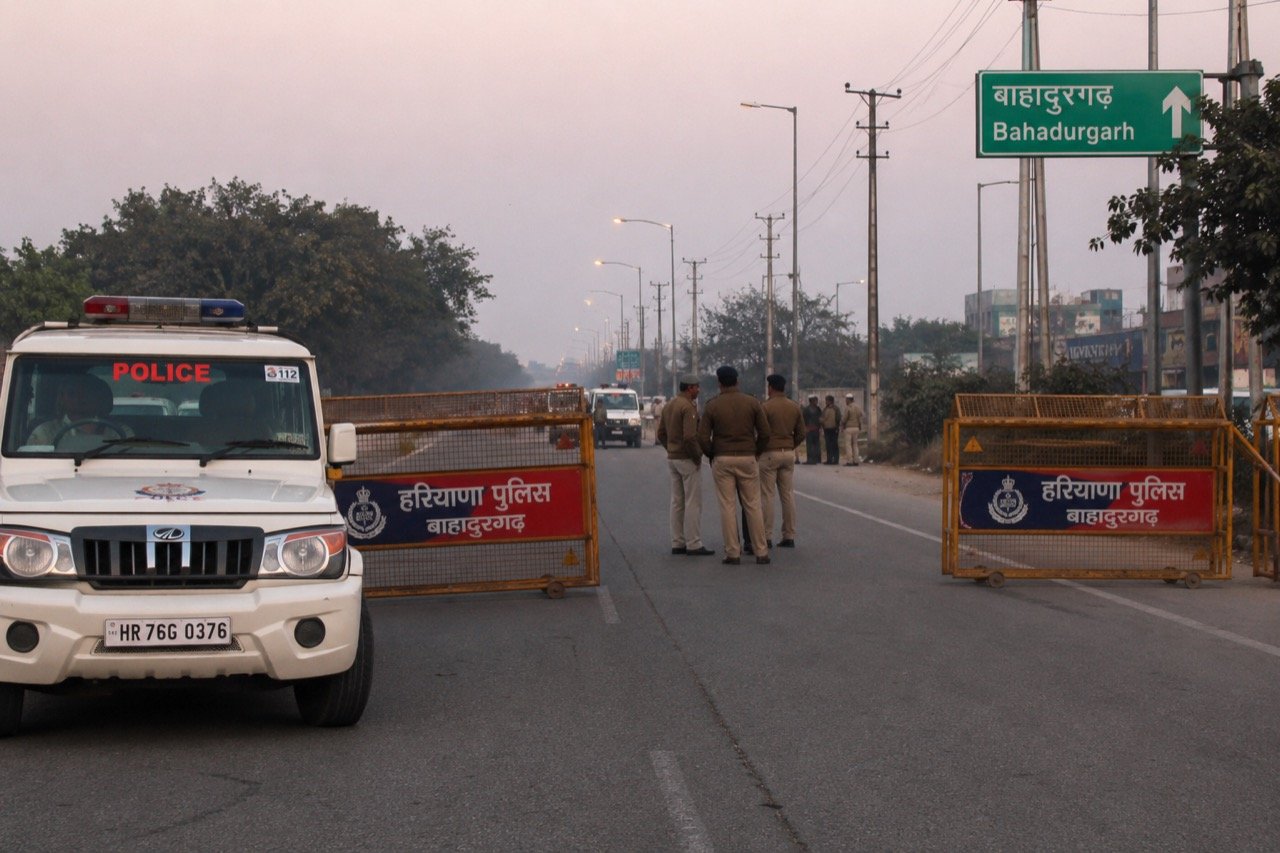
Bishnoi Gang Suspects Injured in Haryana Encounter as Police Tighten Net
A joint Haryana-Delhi Police operation in Bahadurgarh left two suspected Lawrence Bishnoi gang members injured, spotlighting the multi-state coordination now central to India's fight against organised crime networks.