Lucknow Fire Puts Coaching and Training Centre Safety Under Scrutiny
At least 15 people, mostly students and trainees, died in a Lucknow fire, forcing a hard look at fire-safety compliance in coaching centres, gaming studios and training spaces inside commercial buildings.
Commentary & Analysis ·
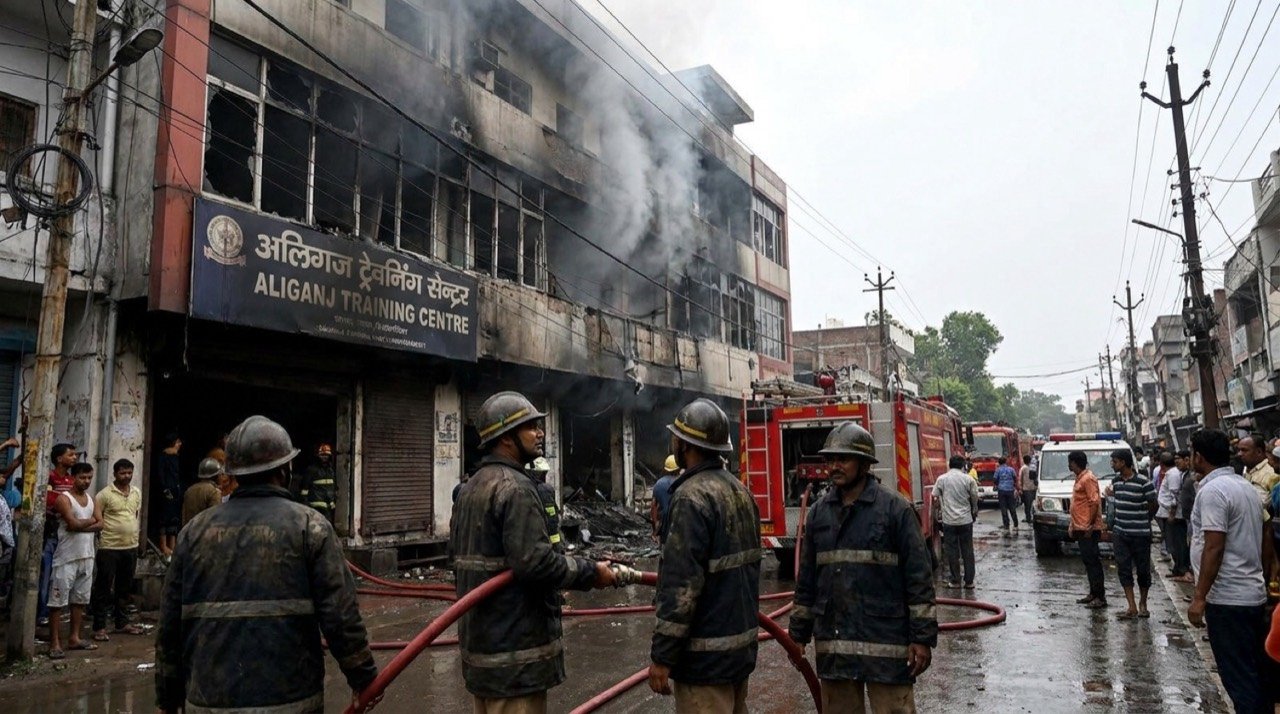
A deadly fire in Lucknow's Aliganj area has turned a local tragedy into a wider public-safety warning for Indian cities. Reports said at least 15 people, most of them young students and trainees, died after flames swept through a three-storey commercial building that housed a training centre. Several others were injured. The scale of the loss, concentrated among young people who had gone to the centre to build skills and careers, has understandably shocked residents of Lucknow and drawn attention well beyond Uttar Pradesh. It is precisely this combination, a commercial building never designed for the purpose it was serving, and a death toll made up largely of students, that has pushed the incident from a local news item into a case study in regulatory failure.
Police arrested the building owners, and the Uttar Pradesh government ordered a Special Investigation Team to examine possible violations of fire-safety, occupancy and building rules. The inquiry will look not only at how the blaze began, but at the structural and regulatory failures that may have compounded it. This dual mandate matters. A fire's origin is often a technical or accidental question, a short circuit, a faulty appliance, an electrical overload, but the reason a fire becomes a mass-casualty event is almost always a separate and more damning question about design, maintenance and enforcement. By instructing the SIT to examine both threads, the state government has implicitly acknowledged that the cause of ignition may be the least important part of this story.
Why so many could not escape
The central question troubling investigators is why so many young people were unable to escape quickly from a mixed-use building, a detail that points to the adequacy of exits, alarms and evacuation routes. In any fire of this severity, the gap between a survivable incident and a fatal one is almost always decided in the first few minutes, by whether people can find and reach a clear exit, whether alarms sound early enough to allow orderly movement, and whether staircases and corridors are wide enough and unobstructed enough to handle a sudden rush of people. When a building was not designed, certified or retrofitted for the density of occupants it was actually holding, these systems tend to fail exactly when they are needed most. The presence of large numbers of trainees on upper floors of a three-storey structure, an arrangement common across Indian cities, raises the uncomfortable possibility that evacuation planning simply had not kept pace with how the space was actually being used.
Why training spaces are in focus
The case is expected to intensify scrutiny of coaching centres, gaming studios, libraries and training spaces operating inside commercial premises. Such venues often pack large numbers of people into floors never designed for dense occupancy. Reports indicated the affected centre offered animation or skills training, the kind of establishment that has multiplied in cities as young Indians chase new careers, frequently in buildings whose safety approvals have not kept pace with their actual use. This is not a marginal or unusual arrangement, it is close to the norm in much of urban India. Coaching institutes, IT and animation training studios, competitive-exam preparation centres and similar businesses have grown rapidly in response to demand from young people seeking an edge in a crowded job market, and they have largely grown inside repurposed commercial buildings rather than purpose-built educational facilities. The economics of this growth are straightforward: commercial space is cheaper and more available than custom-built training infrastructure, and approvals for change of use are often treated as a formality rather than a safety-critical step. The result is a large and largely invisible category of buildings that function, in practice, as schools or training academies without being regulated, inspected or designed as one.
Accountability and enforcement
For families, the immediate priority is accountability and support for the injured. The families of those who died, many of them young people who had travelled to Lucknow or moved within the city specifically to pursue new skills and better prospects, will rightly want clarity on how the fire started, why safety measures failed, and who bears responsibility. The arrest of the building owners is a first, necessary step, but it is unlikely to satisfy demands for accountability on its own, particularly if the SIT's findings point to wider gaps in how occupancy permissions and fire clearances were granted and monitored in the first place.
For regulators, the urgent question is whether inspections, exits, alarms and occupancy approvals are being enforced before tragedy strikes, rather than audited only in its aftermath. This is the pattern that recurs after almost every major fire in a commercial or institutional building in India: a burst of inspections, notices and even closures in the immediate aftermath, followed by a gradual return to lax enforcement once public attention moves on. The test for Lucknow, and for Uttar Pradesh more broadly, will be whether this cycle repeats itself once more, or whether the scale of this particular tragedy, given the number of young lives lost, is enough to sustain reform.
A regulatory grey zone
Part of the difficulty lies in classification. Coaching centres, gaming studios and skills-training academies do not fit neatly into either the "educational institution" category, which typically carries its own set of fire and building-safety norms, or the standard "commercial office" category, for which different rules apply. Operating in this grey zone, such centres can end up falling through the gaps of both regulatory regimes, inspected rigorously by neither. As the sector catering to India's exam-driven and skills-hungry youth population continues to expand, this ambiguity becomes more consequential rather than less, because it is precisely these spaces where dense, young occupancy is now concentrated.
The Lucknow fire is likely to fuel demands for tighter, better-enforced rules covering the commercial venues where students and trainees gather in large numbers. Whether it prompts lasting reform or fades like earlier tragedies will depend on the follow-through after the SIT reports. As one urban safety expert observed in comments on the fire, regular inspection of coaching and training centres is not paperwork, it is a life-saving necessity. That framing captures the core tension at the heart of this case: fire-safety compliance is too often treated by both operators and authorities as a bureaucratic checkbox, rather than as the difference between a building that protects its occupants and one that traps them.
The NE Times View
The Lucknow fire exposes a blind spot in India's safety regime: coaching centres, gaming studios and training spaces tucked inside commercial buildings that were never designed for dense, young occupancy. These venues operate in a regulatory grey zone, neither schools nor offices, and inspection follows the gap. A serious response would set occupancy and exit standards specific to such premises and enforce them. Anything less leaves the country's exam-driven youth dangerously exposed. The findings of the SIT will matter less for what they reveal about this single building than for whether they become the basis of a systemic policy response, one that finally brings coaching and training centres under a coherent, enforced safety framework rather than leaving them to be regulated only in retrospect, after the next fire.
Key takeaways
- At least 15 people, mostly students and trainees, died in a fire at a training centre in Lucknow's Aliganj area, with several others injured.
- Building owners have been arrested, and Uttar Pradesh's government has constituted a Special Investigation Team to probe fire-safety, occupancy and building-rule violations.
- Investigators are focused on why evacuation was so difficult, pointing to likely failures in exits, alarms and evacuation planning.
- Coaching centres, gaming studios and training academies operating inside repurposed commercial buildings face heightened scrutiny as a category prone to falling through regulatory gaps.
- Whether the tragedy produces lasting reform, rather than a temporary inspection drive, will depend on sustained follow-through after the SIT's findings are published.
You may also like to read
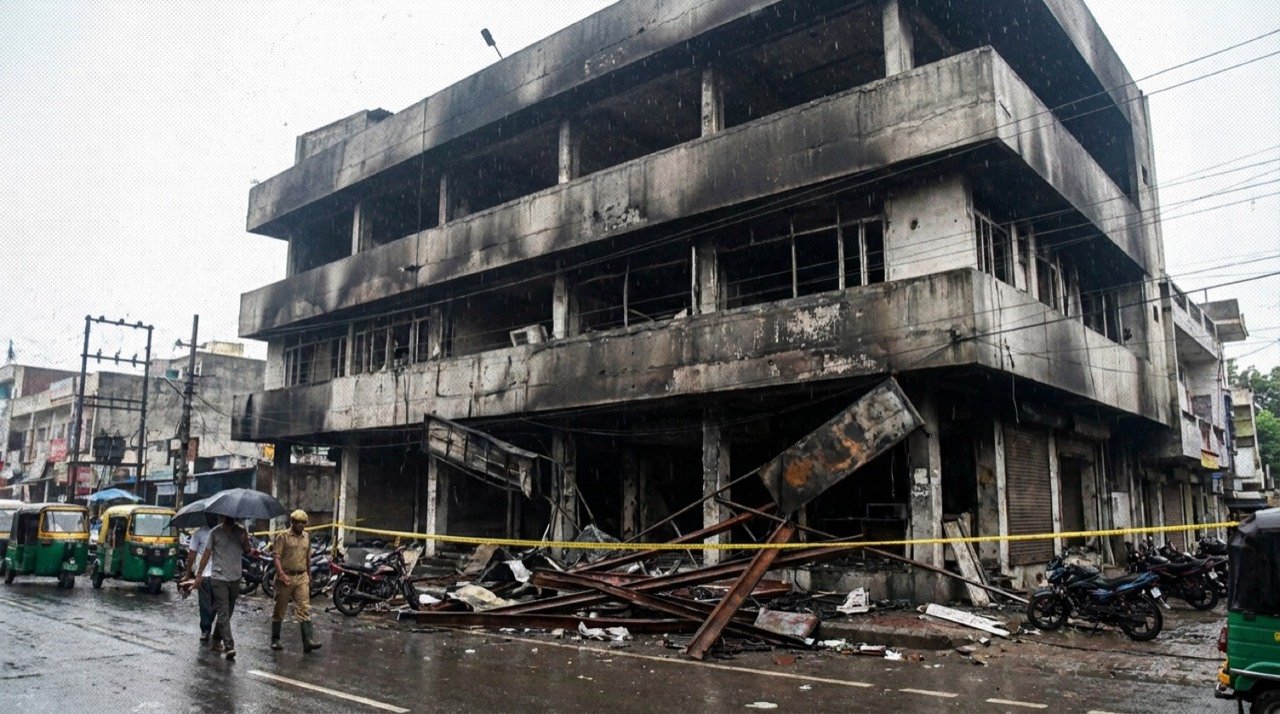
Lucknow Fire Probe Exposes Building Safety Failures After 15 Deaths
A Special Investigation Team is probing the Aliganj fire that killed 15 people, mostly young students, after an FIR flagged missing fire-safety arrangements and the absence of any emergency exit.
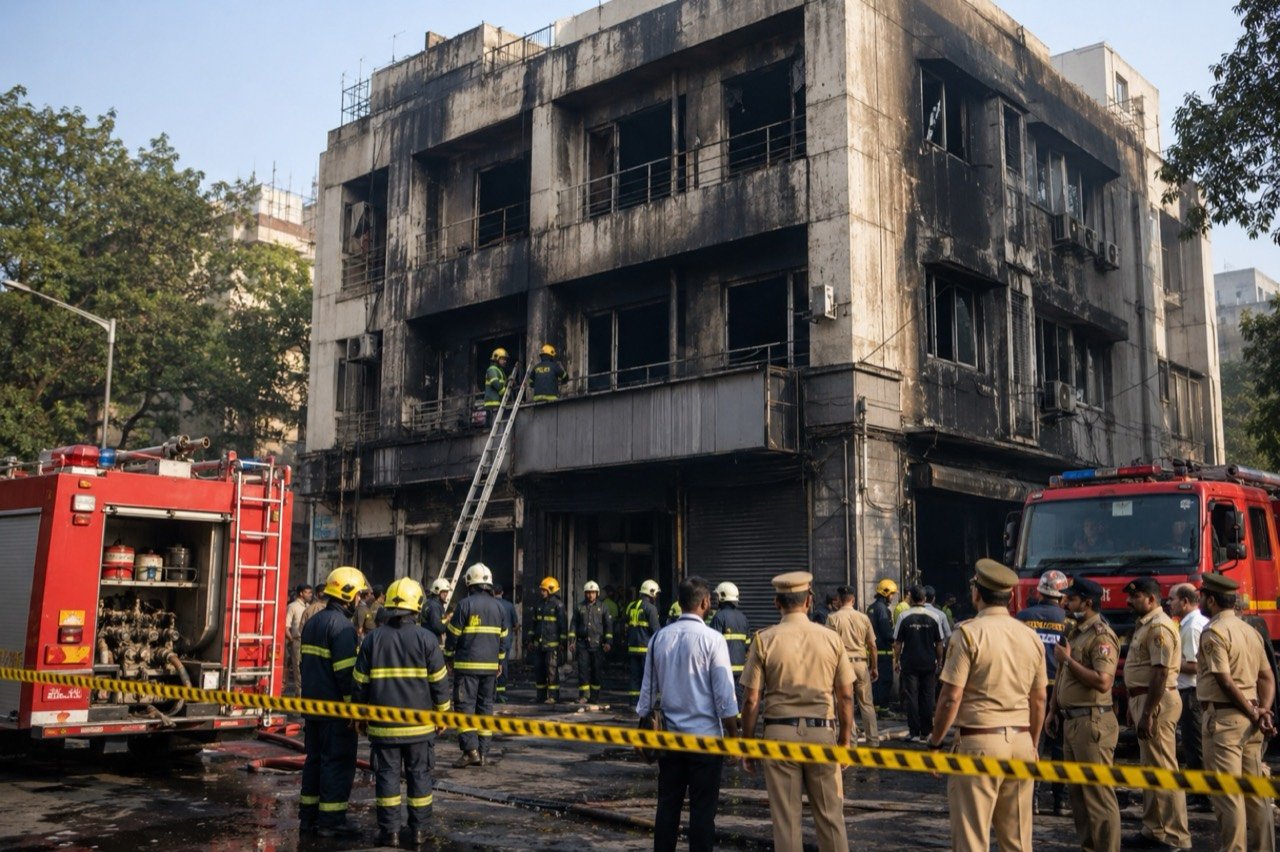
Lucknow Aliganj Fire Toll Rises As Coaching-Centre Safety Comes Under Scrutiny
A deadly fire in a commercial building in Lucknow's Aliganj, with reported deaths climbing to around 14 to 15, has reignited urgent questions over fire safety in coaching centres and mixed-use buildings across Indian cities.
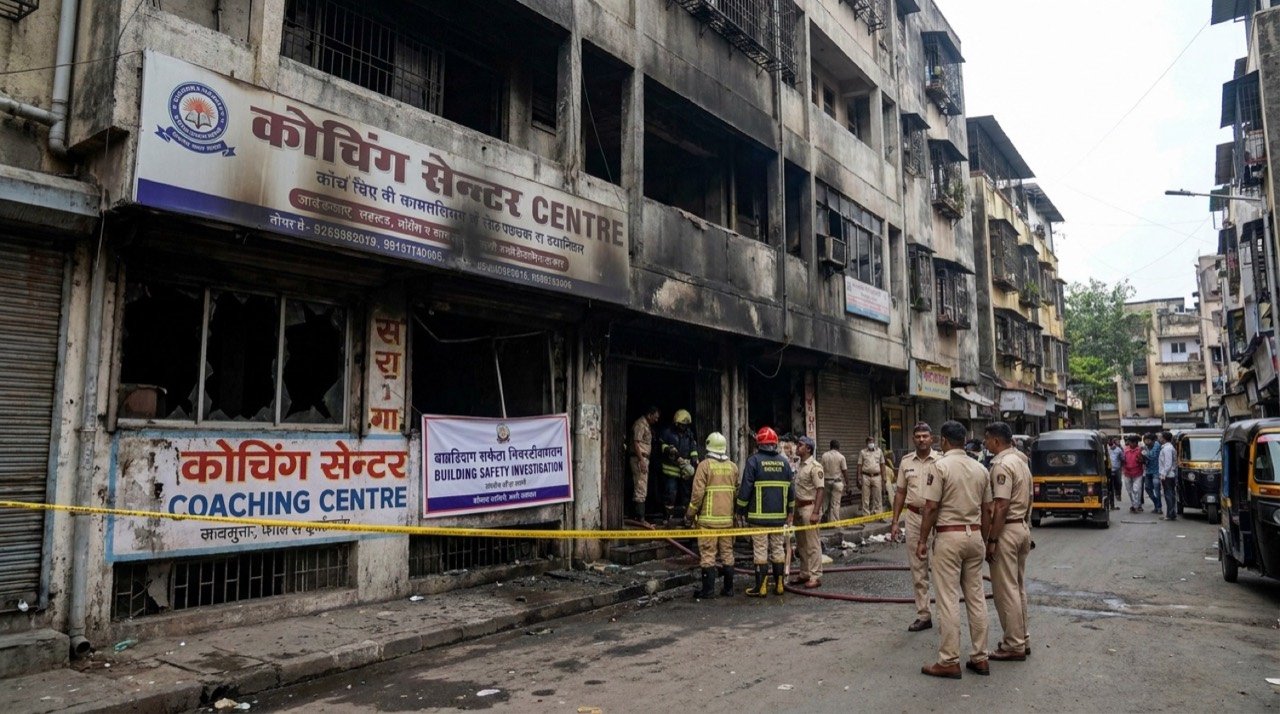
Lucknow Coaching Centre Fire: Probe Spotlights Ignored Building-Safety Warnings
A deadly fire at a coaching centre in Lucknow's Aliganj that killed 15 people has widened into an investigation of building-safety failures, with four arrests, an SIT probe and a fresh demolition notice.
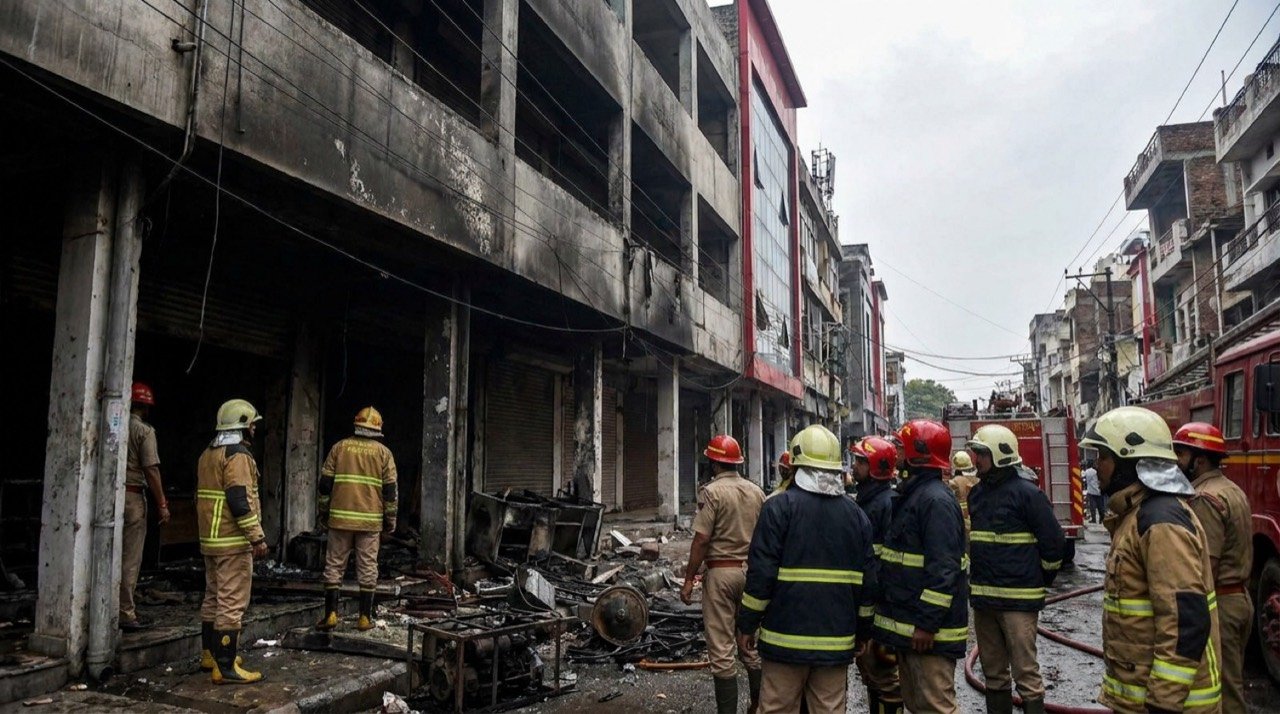
Lucknow Fire Probe Widens, Building Safety Under Scrutiny
A deadly fire in Lucknow's Aliganj that killed 15 people in a coaching-and-studio building has triggered demolition notices, suspensions and arrests, with illegal commercial use and blocked exits now in focus.
More from this section
More
AICTE Industry Fellowship 2026: Rs 1.5 Lakh Scheme Closes July 5
The AICTE Industry Fellowship Programme 2026, which places technical-education faculty inside leading companies on a Rs 1.5 lakh monthly stipend, reached its application deadline on July 5.
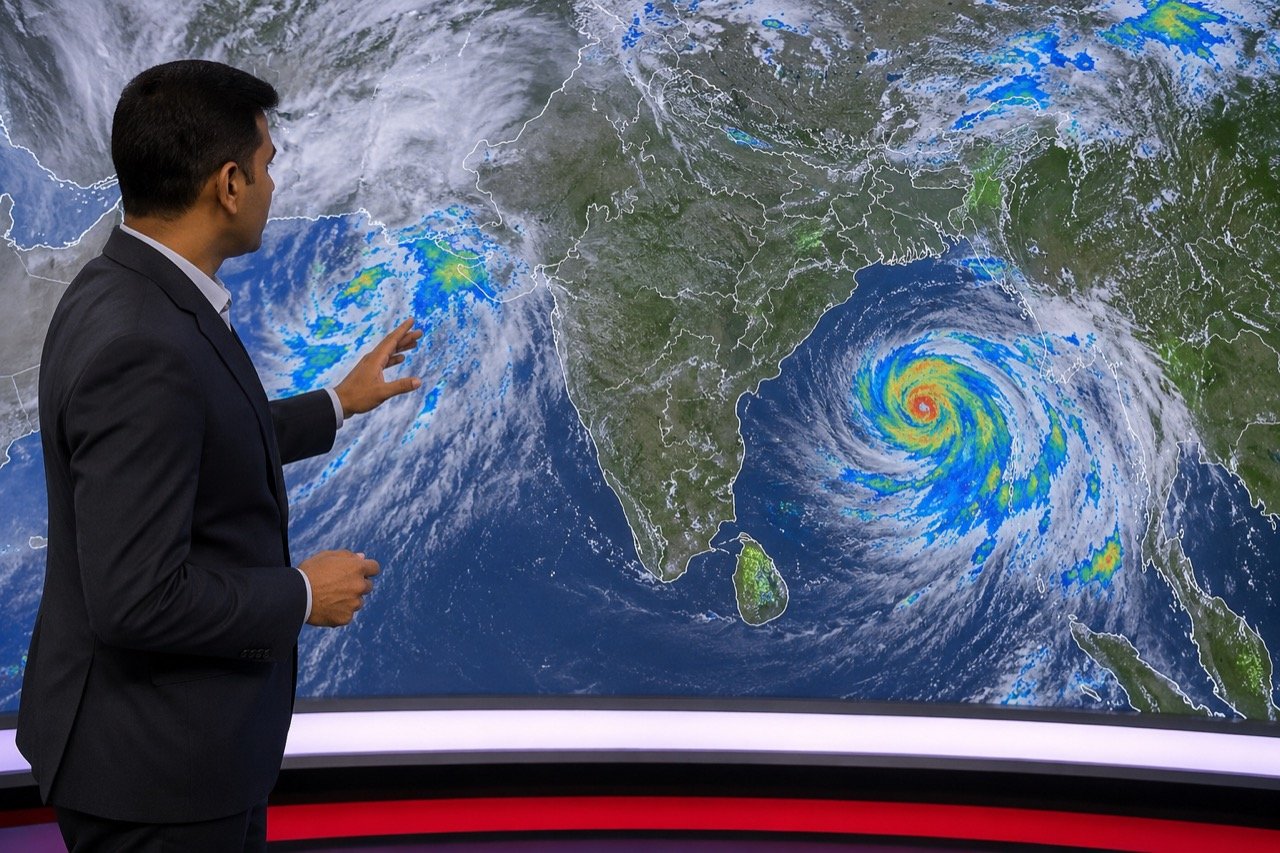
Bay of Bengal Low Pressure System Revives Monsoon Over Western India
A low-pressure system over the Bay of Bengal has pushed the monsoon back into an active phase, bringing steady heavy rain to Kerala, coastal Karnataka and Maharashtra, and putting Mumbai and Pune on preparedness watch.
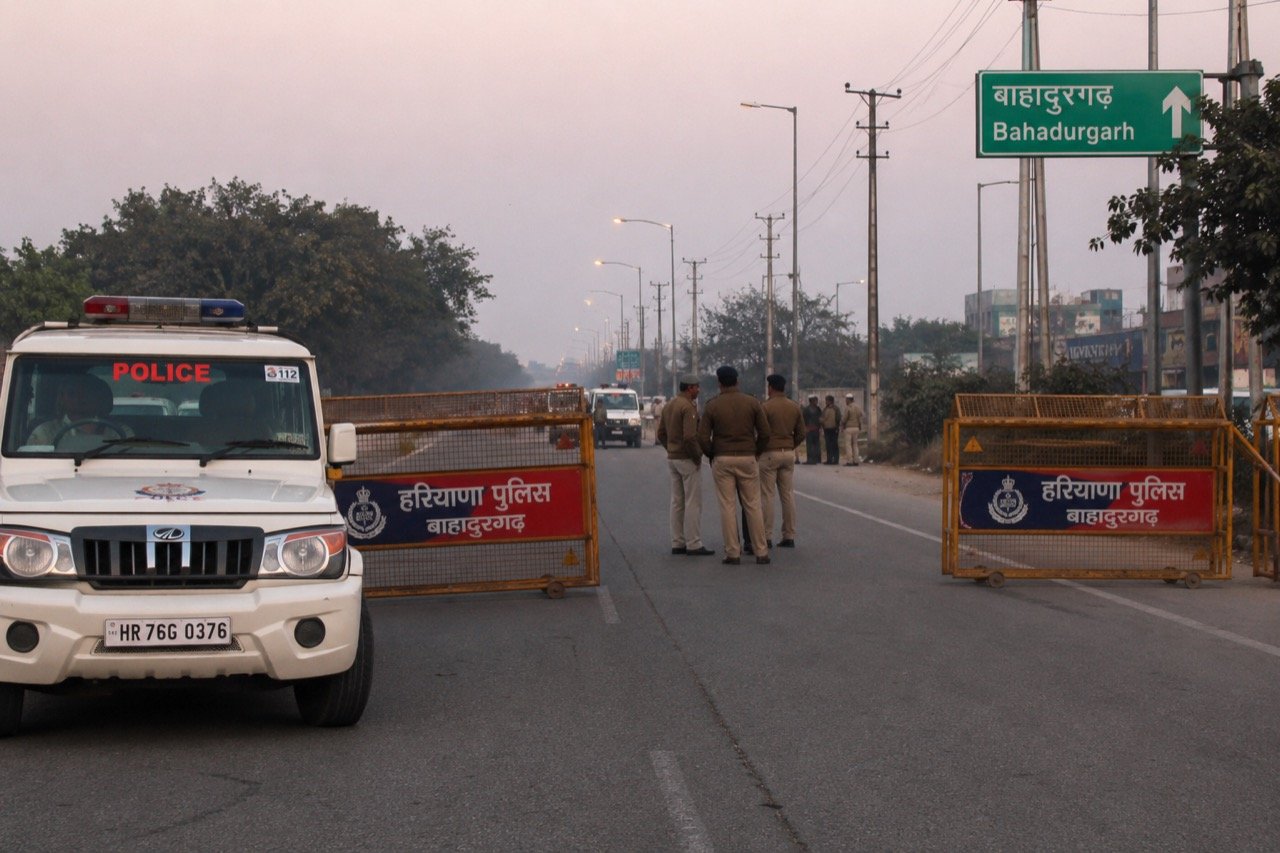
Bishnoi Gang Suspects Injured in Haryana Encounter as Police Tighten Net
A joint Haryana-Delhi Police operation in Bahadurgarh left two suspected Lawrence Bishnoi gang members injured, spotlighting the multi-state coordination now central to India's fight against organised crime networks.