Kamada's Late Strike Earns Japan a Thrilling Draw With the Dutch in Dallas
Japan twice came from behind to hold the Netherlands 2-2, with Daichi Kamada's 89th-minute equaliser capping a high-quality World Cup encounter.
Commentary & Analysis ·

Japan underlined Asia's growing pedigree on the World Cup stage with a spirited 2-2 draw against the Netherlands at Dallas Stadium, twice recovering from a goal down to share the points. The result was among the most entertaining of the group stage so far, a back-and-forth contest that swung until the final minutes.
Virgil van Dijk headed the Dutch in front just after the hour, only for Japan's Nakamura to respond within minutes. Crysencio Summerville then curled a fine effort into the far corner to restore the Netherlands lead with 25 minutes left, setting up a tense finale that Japan refused to concede.
Samurai Blue rewarded for persistence
Japan's reward came in the 89th minute when substitute Koki Ogawa's header was deflected home by Daichi Kamada from a corner, sparking jubilant scenes among the travelling support. The late equaliser was a fitting end to a performance defined by resilience, the team responding to each setback rather than wilting under it.
Twice falling behind to a side of the Netherlands' calibre and twice hitting back is no small feat, and it spoke to a mentality that has become a hallmark of Japan's recent tournament football. Set-piece sharpness and a willingness to gamble with attacking substitutes turned a likely defeat into a valuable point.
Asia's rising standard
For Indian football followers, Japan's display offered another reminder of how far Asian football has travelled, the kind of fearless performance the AFC's leading nations now routinely produce against the world's best. Where once such matchups carried an air of mismatch, sides like Japan now approach them expecting to compete on equal terms.
- Virgil van Dijk headed the Netherlands in front just after the hour
- Nakamura equalised for Japan within minutes
- Crysencio Summerville curled in to restore the Dutch lead with 25 minutes left
- Daichi Kamada deflected home a Koki Ogawa header in the 89th minute
- The 2-2 draw was among the group stage's most entertaining results
Why it matters
The draw carries weight beyond a single point. For Asian football's standing, results like this validate years of investment in development and overseas experience, and they offer encouragement to emerging nations, India among them, that the gap to the traditional powers can be narrowed.
As the group stage unfolds, Japan's performance positions them as a side few opponents will relish facing, and a draw against one of the tournament favourites keeps their qualification hopes firmly in their own hands. The wider lesson, that ambition and organisation can trouble even the elite, will resonate well beyond Dallas.
The NE Times View
Twice coming from behind to hold the Netherlands is a statement, not a survival act. Japan's rise from plucky qualifier to a side that troubles Europe's best is the clearest proof that patient, systemic football development pays off. For India, the takeaway is structural rather than sentimental: Japan's blueprint, youth pathways, overseas exposure, tactical discipline, is the model to study, because results like this are built, not stumbled upon.
This article is original commentary and analysis by The NE Times. Background facts were referenced from FIFA.com, ESPN.
You may also like to read

Germany Hammer Curacao 7-1 in Record-Breaking World Cup Romp
Kai Havertz struck twice as Julian Nagelsmann's four-time champions overwhelmed the smallest nation ever to reach the finals, with the Caribbean debutants taking one historic consolation.
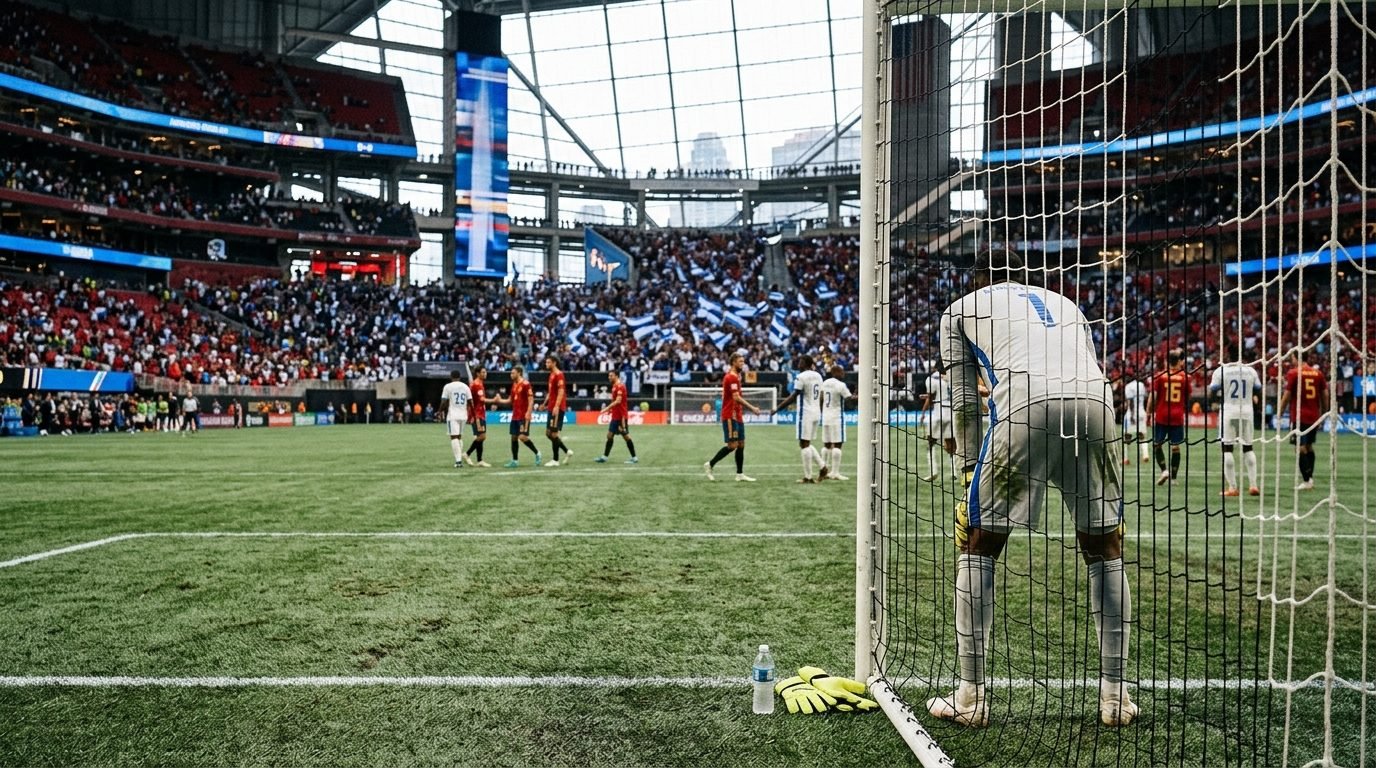
World Cup debutants Cape Verde stun Spain with goalless draw in Atlanta
The European champions hammered 27 shots at goal but could not break down the islanders, whose 40-year-old goalkeeper Vozinha produced seven saves to earn the nation its first point at a World Cup.

Amad Diallo's 90th-minute strike sinks Ecuador and ends 19-game unbeaten run
The substitute settled a tense Group E opener in Philadelphia, lifting Ivory Coast to victory on their first World Cup appearance in a dozen years and halting Ecuador's long unbeaten sequence.
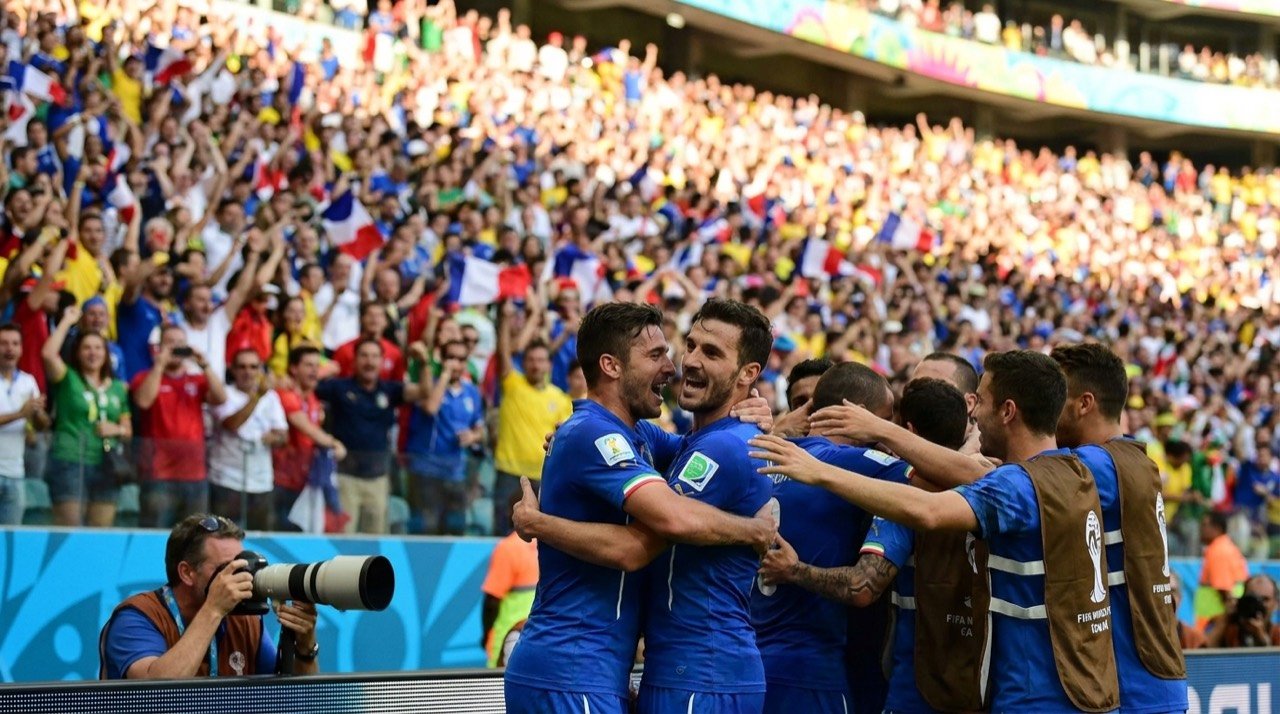
FIFA World Cup 2026: Dramatic Group Finales as Mexico, Morocco Seal Knockout Spots on Matchday 14
Groups A, B and C reached their conclusions on 24 June with Mexico maintaining a perfect record, Morocco edging a six-goal thriller, and goalkeeper Guillermo Ochoa making World Cup history.
More from this section
More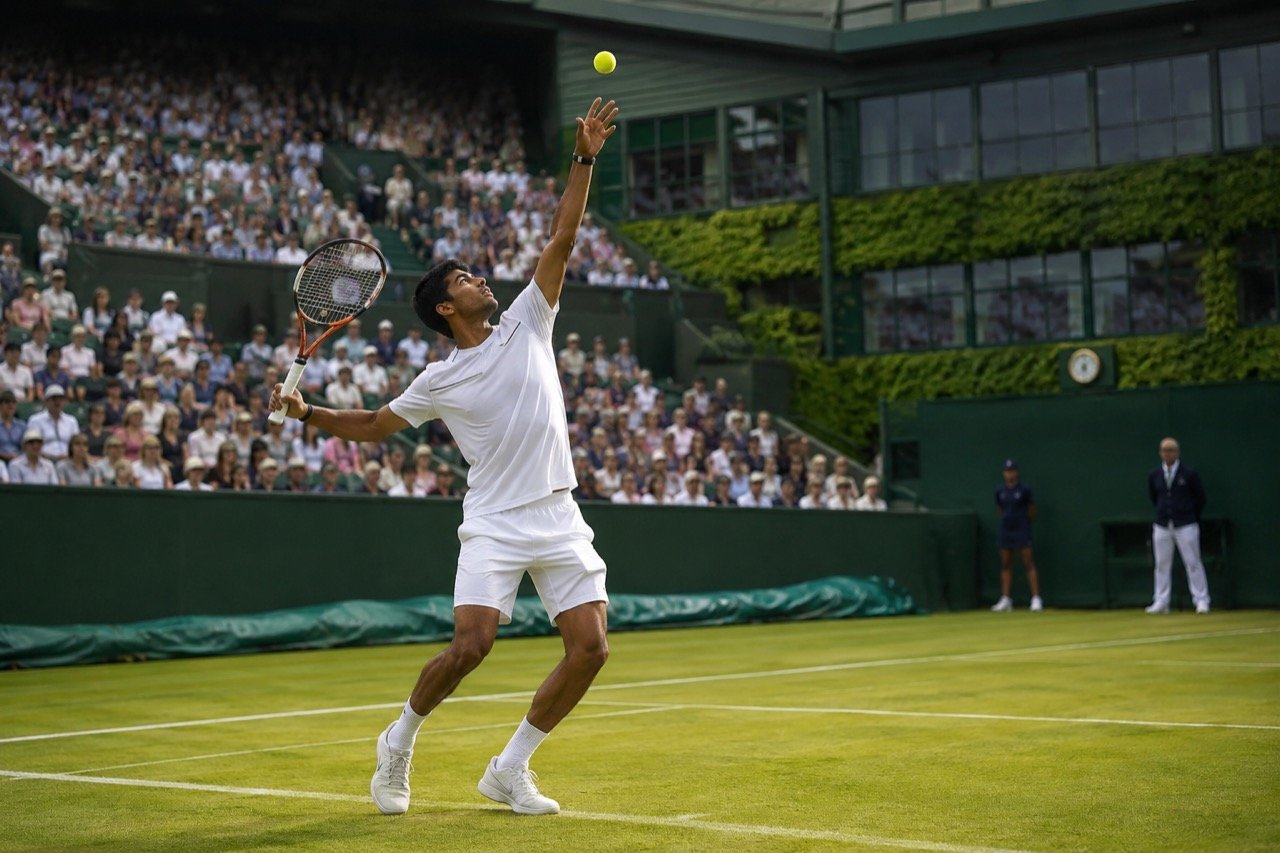
Arnav Paparkar Advances at Wimbledon Boys' Singles in Boost for India
Indian junior Arnav Paparkar has moved into the second round of the Wimbledon boys' singles with a commanding serving display, handing Indian tennis a rare and encouraging grass-court result at the sport's biggest stage.
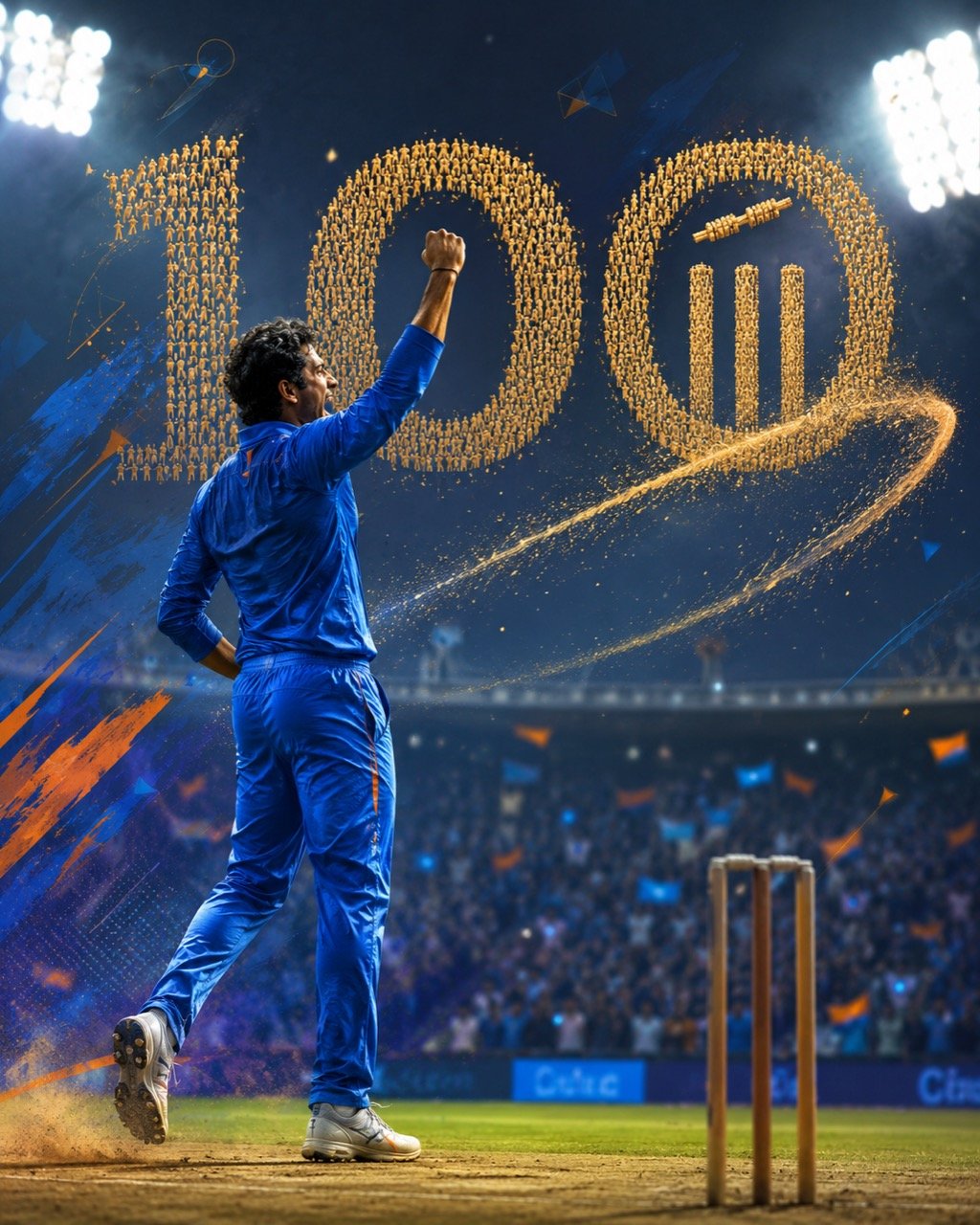
Axar Patel Becomes First Indian Spinner With 100 T20I Wickets
Axar Patel reached 100 T20 international wickets in the second T20I against England, becoming the first Indian spinner to hit the mark and cementing his standing as one of India's most durable white-ball performers.
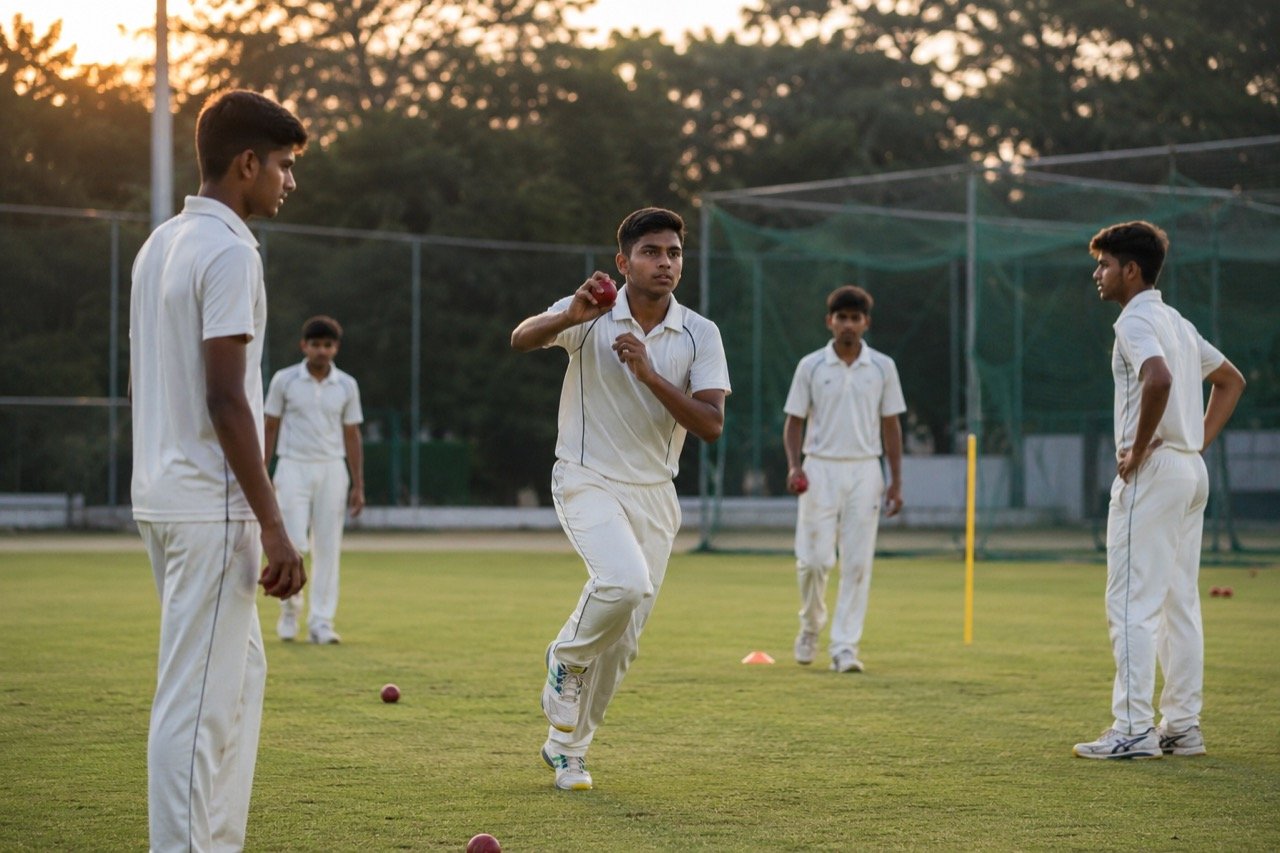
BCCI Emerging Men's Tournament to Hunt Test Prospects in Bengaluru
The BCCI's red-ball Emerging Men's Tournament, running at the Centre of Excellence in Bengaluru through July, is designed to give selectors a longer, harder look at India's next generation of Test cricketers.