New PUCC Proposal Could Give BS VI Vehicles Three-Year Pollution Certificate Validity
India's transport authorities are weighing a longer Pollution Under Control certificate validity for new BS VI vehicles, easing owner compliance while raising questions on real-world emissions checks.
Commentary & Analysis ·
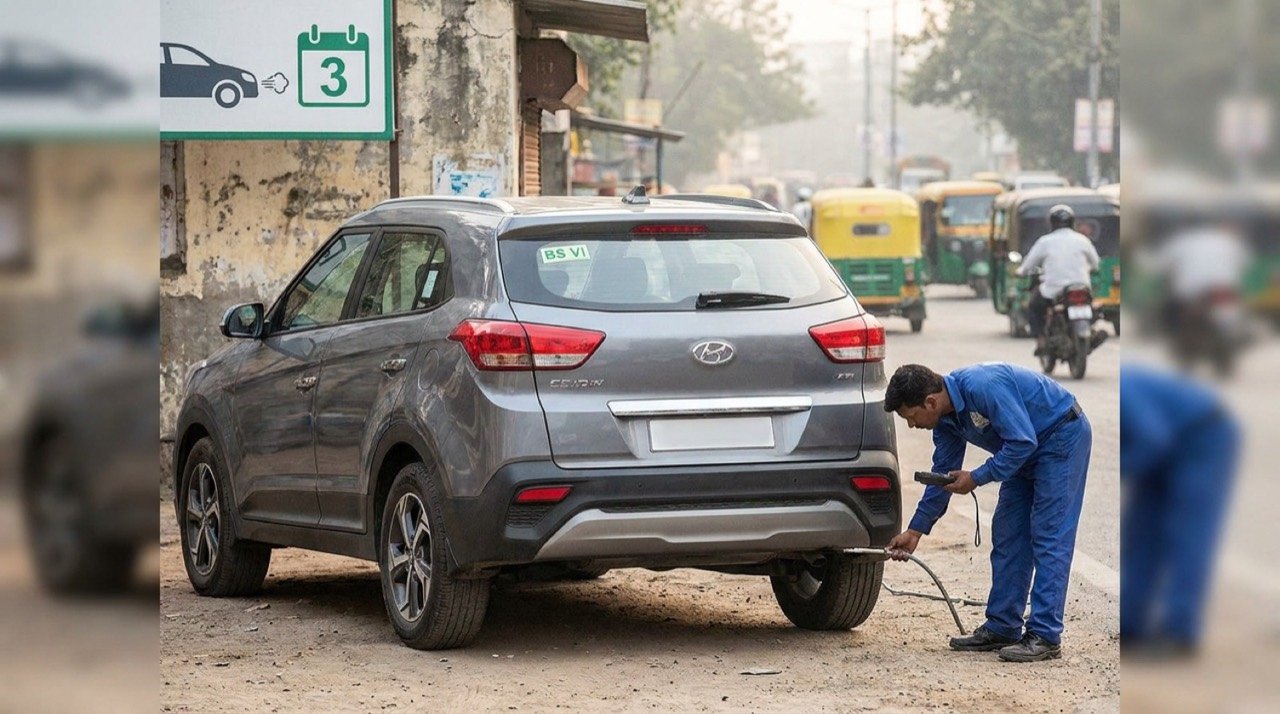
India's road transport authorities are considering a longer validity period for the Pollution Under Control certificate, or PUCC, of new BS VI vehicles, according to reports on the proposed change. The plan could give cleaner, newer vehicles a three-year certificate, cutting down on repeated compliance visits while keeping tighter checks in place for older and higher-risk categories.
What the proposal would change
Under the current system, vehicle owners must renew their PUCC at regular, relatively short intervals. The proposed change would extend that window for BS VI vehicles, which meet India's most stringent emission norms and are designed to run cleaner from the outset.
The logic is that a newer vehicle, built to advanced standards, is far less likely to fail an emissions test in its early years, so frequent testing offers limited benefit while imposing time and cost on owners.
Convenience for owners
Supporters frame the measure as a sensible convenience aligned with improved vehicle technology. Fewer mandatory visits to testing centres would reduce queues, paperwork and the recurring expense of certification for owners of compliant vehicles.
It could also ease pressure on PUCC infrastructure, allowing testing capacity to be focused on older vehicles and commercial fleets, where the risk of high emissions is greater and monitoring matters most.
The air-quality concern
Environmental groups and state enforcement teams will watch closely to see whether longer validity weakens real-world pollution monitoring, particularly in cities that already struggle with poor air quality. A vehicle that is clean when new can deteriorate with poor maintenance or tampering over three years.
The proposal therefore sits at the intersection of road regulation, urban air policy and consumer convenience, and its design will determine whether it streamlines compliance without loosening environmental safeguards.
- New BS VI vehicles could receive a three-year PUCC validity.
- The change aims to reduce repeated compliance visits for cleaner vehicles.
- Older and higher-risk vehicles would continue facing regular checks.
- Supporters cite convenience and improved vehicle technology.
- Environmental groups want assurance that emissions monitoring stays effective.
“The test is whether a longer certificate eases genuine compliance burdens without dulling the real-world monitoring that polluted cities depend on.”
— The NE Times policy view
If adopted, the measure could mark a shift toward risk-based emissions regulation, lighter for new vehicles and firmer for older ones. The coming consultations and any official notification will reveal how the authorities balance convenience for owners against the imperative of cleaner urban air.
The NE Times View
Cutting compliance friction for BS VI owners is sensible; assuming a new engine stays clean for three years is not. Emissions creep with wear, tampering and poor maintenance, and a longer validity window weakens the only routine check most vehicles ever face. The fix is smarter testing, not less of it. Convenience should not become a loophole that lets ageing engines pollute unmonitored for years.
This article is original commentary and analysis by The NE Times. Background facts were referenced from The Times of India and the Ministry of Road Transport and Highways.
You may also like to read
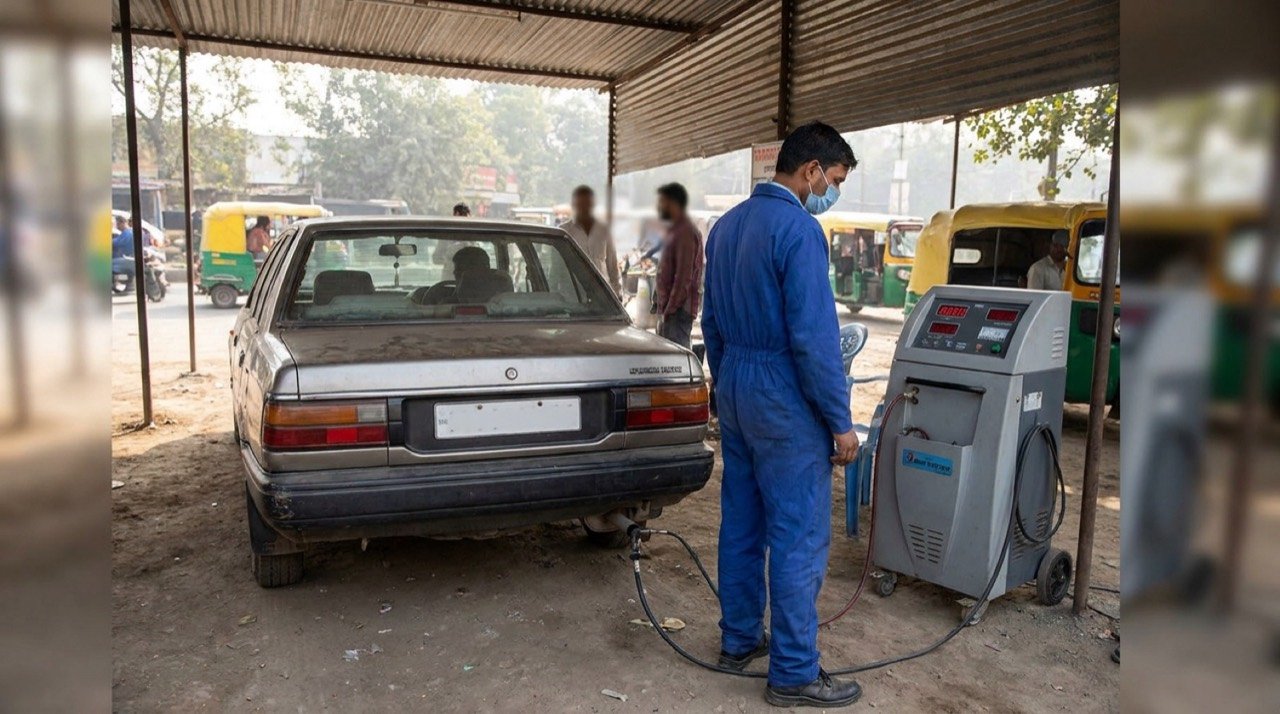
PUCC 3.0: Why Newer BS-VI Cars May Get Easier Pollution Checks While Older Vehicles Face Tighter Rules
India's proposed PUCC 3.0 framework could extend pollution certificate validity to three years for newer BS-VI cars while subjecting older and dirtier vehicles to far more frequent emission checks.

Aravalli Restoration And Air Quality Dominate India's Environment Agenda
A major Aravalli restoration drive and worsening dust pollution have moved to the centre of India's environment debate, as a new report flags rising extreme weather and human-wildlife conflict.
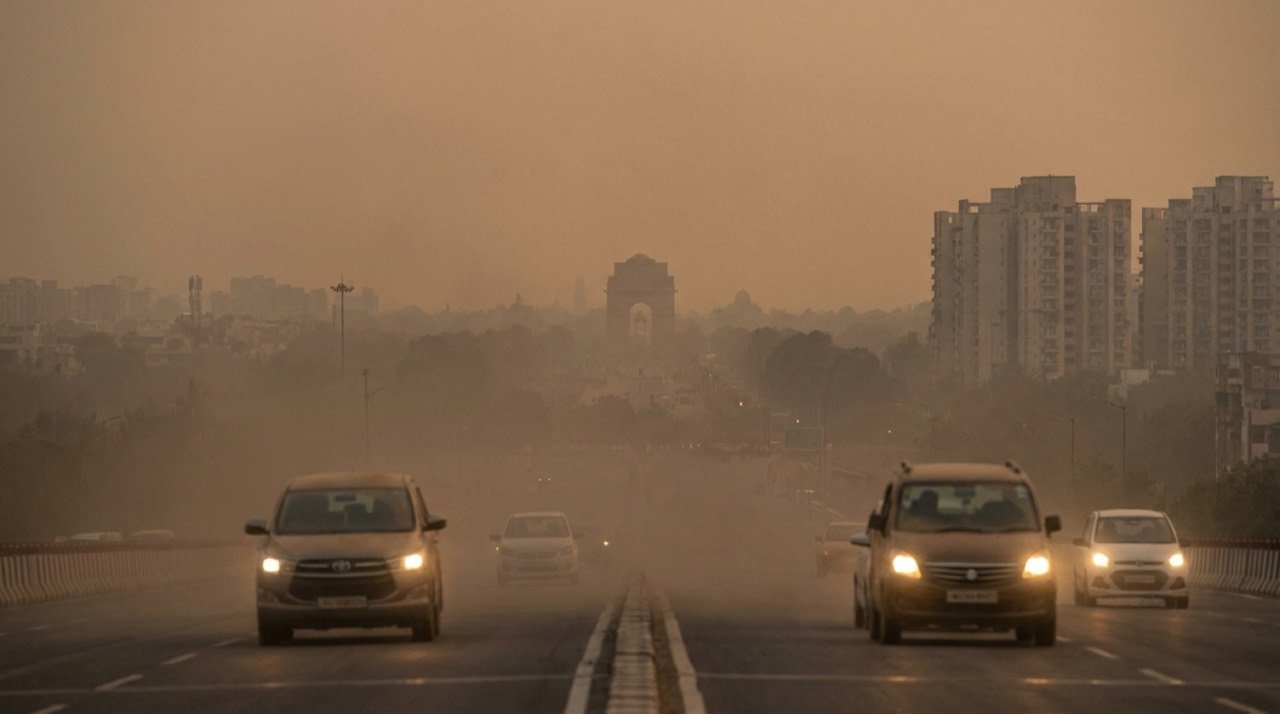
Dust Storm Sweeps Delhi-NCR as IMD Raises Severe Weather Warnings
A dust storm rolled across Gurugram, Delhi and Noida on Tuesday, prompting the IMD to place parts of the National Capital Region under a red alert for rain, strong winds and thunderstorms.

CBSE Three-Language Policy Reaches Supreme Court as Schools, Parents and Teachers Raise Practical Concerns
The Supreme Court is hearing challenges to CBSE's Class 9 three-language policy, balancing multilingual education with concerns over teachers, books, choice and implementation timelines.
More from this section
More
AICTE Industry Fellowship 2026: Rs 1.5 Lakh Scheme Closes July 5
The AICTE Industry Fellowship Programme 2026, which places technical-education faculty inside leading companies on a Rs 1.5 lakh monthly stipend, reached its application deadline on July 5.
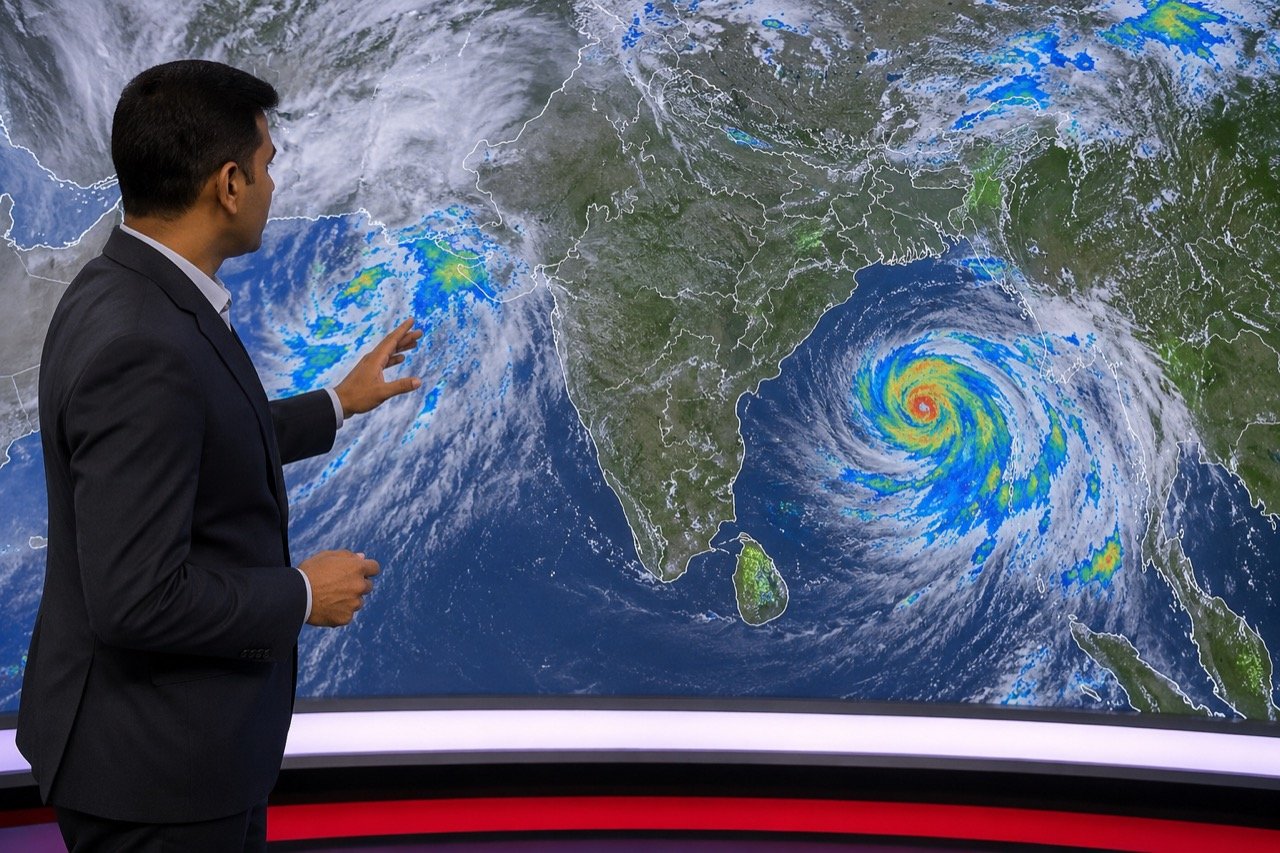
Bay of Bengal Low Pressure System Revives Monsoon Over Western India
A low-pressure system over the Bay of Bengal has pushed the monsoon back into an active phase, bringing steady heavy rain to Kerala, coastal Karnataka and Maharashtra, and putting Mumbai and Pune on preparedness watch.
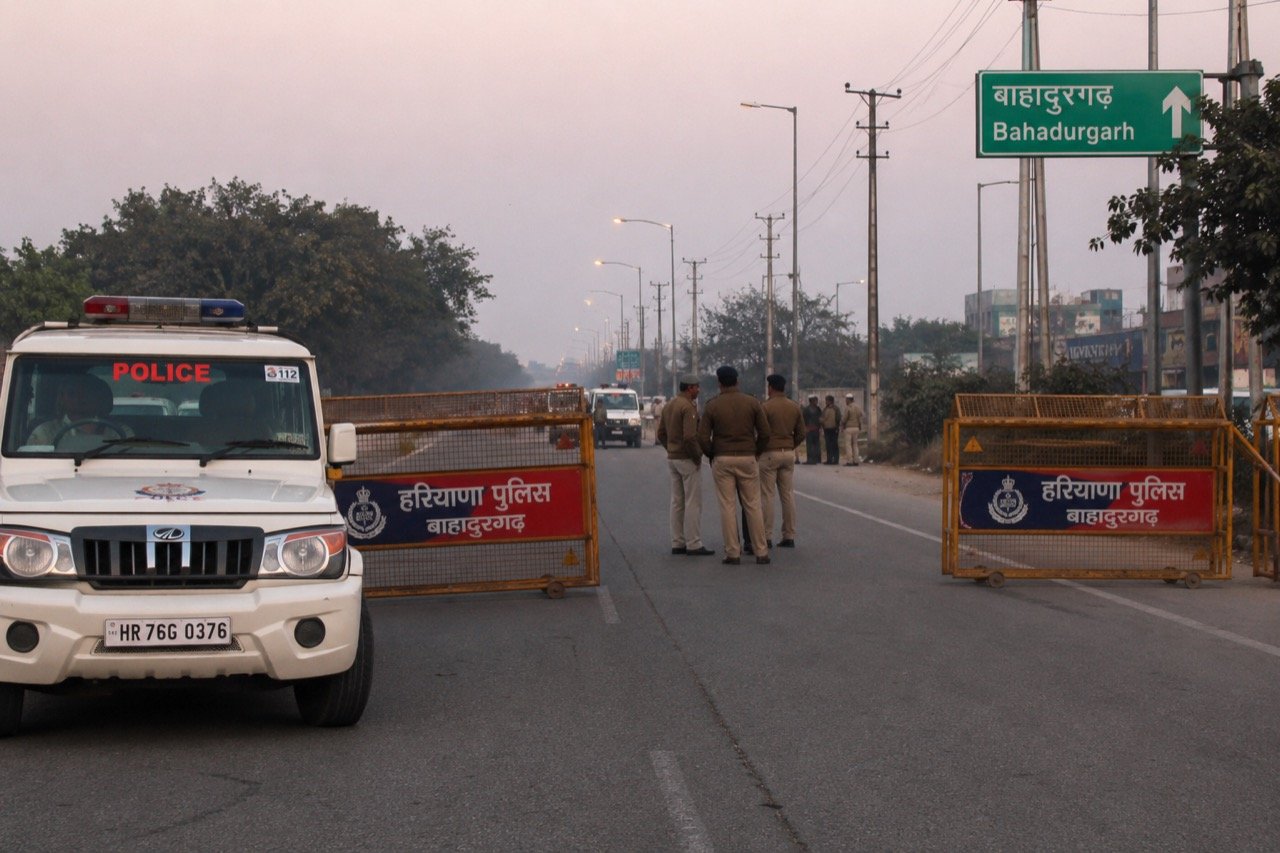
Bishnoi Gang Suspects Injured in Haryana Encounter as Police Tighten Net
A joint Haryana-Delhi Police operation in Bahadurgarh left two suspected Lawrence Bishnoi gang members injured, spotlighting the multi-state coordination now central to India's fight against organised crime networks.