US Citizenship Fee Hike Proposal Could Hit Indian Immigrants Hard
A proposed near-doubling of the US naturalisation fee, alongside the removal of waivers, threatens to reshape citizenship timelines and household budgets for one of America's largest immigrant communities.
Commentary & Analysis ·
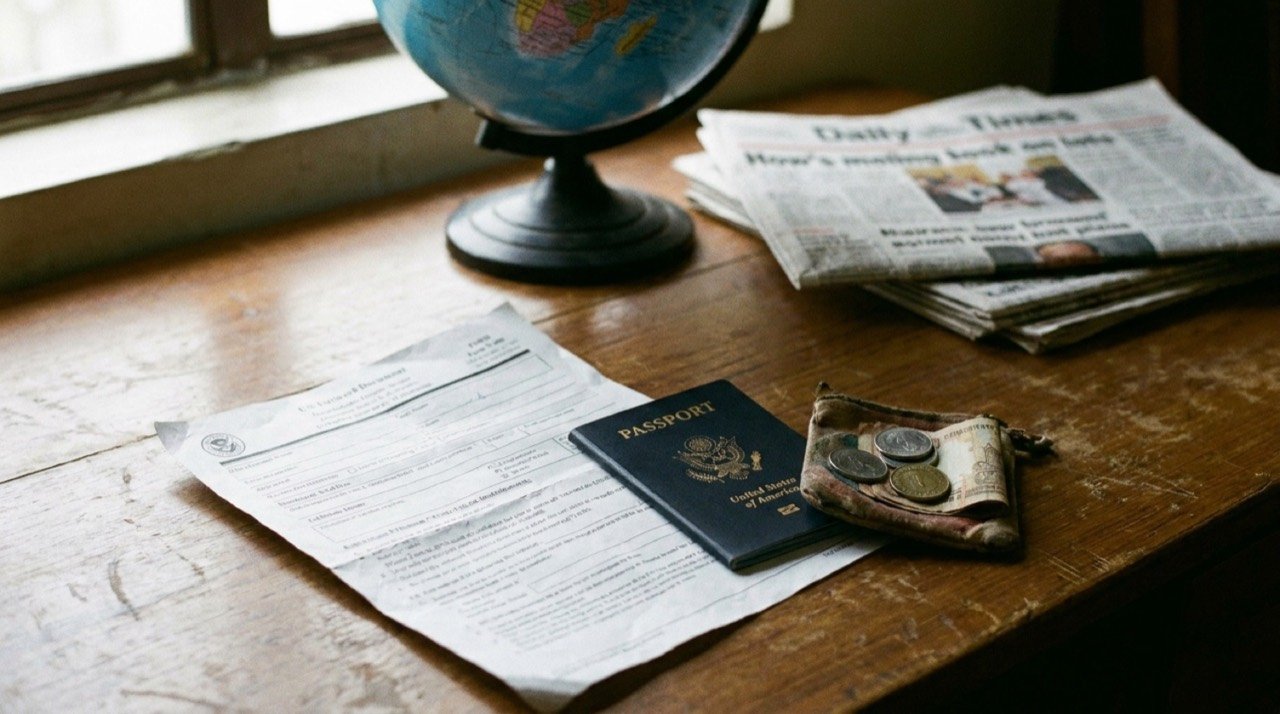
A fresh United States immigration fee proposal is being watched closely across India, where families with relatives or aspirations in America fear the cost of becoming a naturalised US citizen could climb sharply. The plan, advanced by the Department of Homeland Security, would significantly raise the price of filing the central citizenship application and strip away long-standing options that helped lower-income applicants. While nothing is final yet, the direction of the proposal has already prompted anxious conversations among green-card holders weighing if and when to take the citizenship plunge.
What the proposal actually changes
At the heart of the plan is Form N-400, the application used to apply for naturalisation. Under the proposal, the paper filing fee would rise from $760 to $1,330, while the online fee would climb from $710 to $1,280. That is close to a 75 per cent jump for paper applicants and a similarly steep increase for those who file digitally.
Just as significantly, the proposal seeks to remove reduced-fee categories and the fee-waiver options that currently allow applicants in financial hardship to apply at a lower cost or without payment. For many, those waivers are the difference between applying now and waiting indefinitely. The rule would still have to pass through a public comment period before it could take effect, leaving room for revision or challenge.
Why it matters so much for Indians
Indians form one of the largest immigrant communities in the United States, which is why the proposal resonates so strongly here. Government data cited in coverage of the plan suggests roughly 6.7 million people of Indian origin live in the country, a figure that includes non-resident Indians and persons of Indian origin.
US records also showed that around 66,800 Indians became lawful permanent residents in 2024, a number lower than in some earlier years. For this large pool of green-card holders, citizenship is often the natural next step, securing voting rights, easier travel and protection from shifts in immigration policy. A steeper fee changes the maths of that decision, particularly for single-income households and recent arrivals.
A pattern of rising immigration costs
The naturalisation proposal does not exist in isolation. It follows broader debates over the cost of the US immigration system, including earlier changes to H-1B visa fees that drew sharp reactions from Indian professionals and employers. Taken together, these moves point to a system in which the price of every stage, from work visa to permanent residency to citizenship, is climbing.
- Paper N-400 fee proposed to rise from $760 to $1,330.
- Online filing fee proposed to rise from $710 to $1,280.
- Reduced-fee and fee-waiver options would be removed.
- An estimated 6.7 million people of Indian origin live in the US.
- About 66,800 Indians gained lawful permanent residency in 2024.
“For green-card holders planning citizenship, the practical message is to monitor the rulemaking calendar, seek reliable legal advice and avoid panic decisions until the final regulation is known.”
— Immigration policy analysts
Supporters of higher fees argue that charges should reflect the true cost of processing applications, while critics warn that pricing out lower-income applicants undermines the promise of citizenship. For Indian families, the sensible path lies between alarm and complacency: track the public comment process, consult qualified immigration lawyers, and base timing decisions on the final rule rather than early headlines. Until the regulation is confirmed, current fees and waiver options remain in place.
The NE Times View
Doubling naturalisation fees while scrapping waivers is a quiet tax on aspiration that lands hardest on working-class Indian families, not the tech elite the debate usually centres on. Citizenship should not be priced as a luxury good. India can do little about US policy, but the trend should sharpen its own pitch to skilled diaspora weighing whether the American dream still adds up.
This article is original commentary and analysis by The NE Times. Background facts were referenced from Hindustan Times and the Department of Homeland Security.
You may also like to read
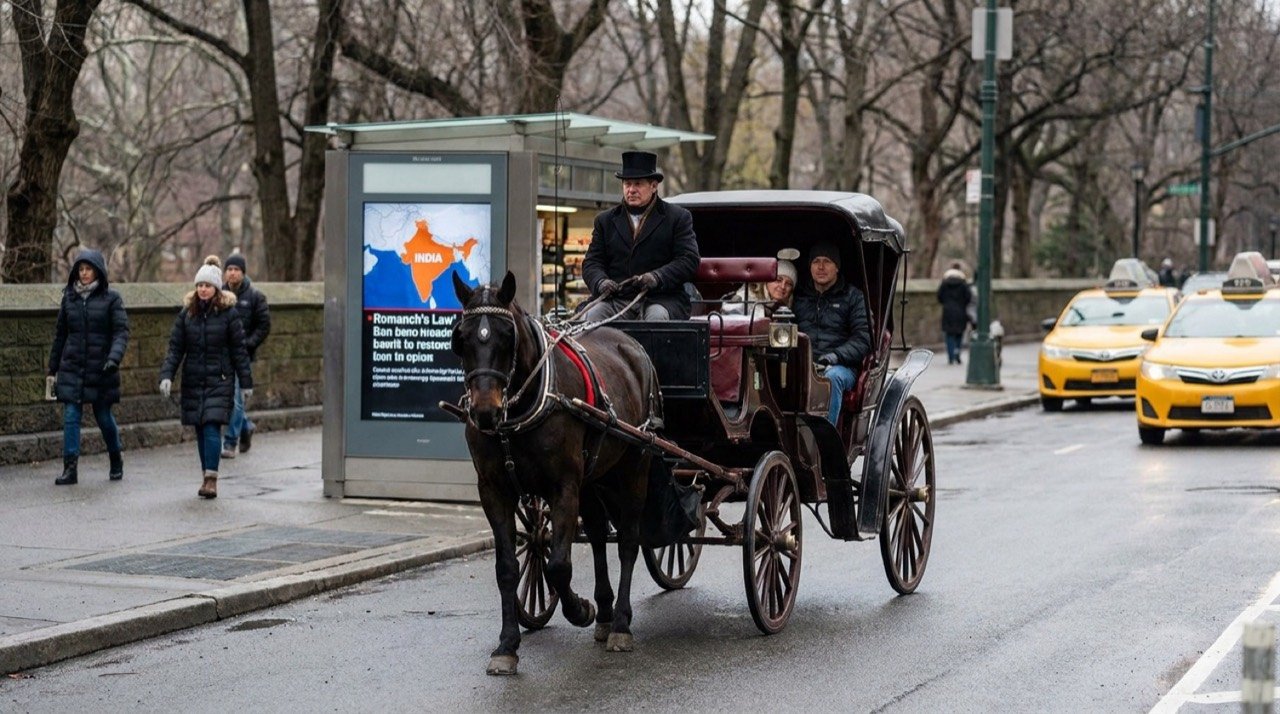
New York Carriage Bill Renamed Romanch's Law After Indian Teen's Death
A New York City bill to phase out horse-drawn carriages has been renamed Romanch's Law in memory of Romanch Mahajan, an 18-year-old Indian who died after a Central Park accident.
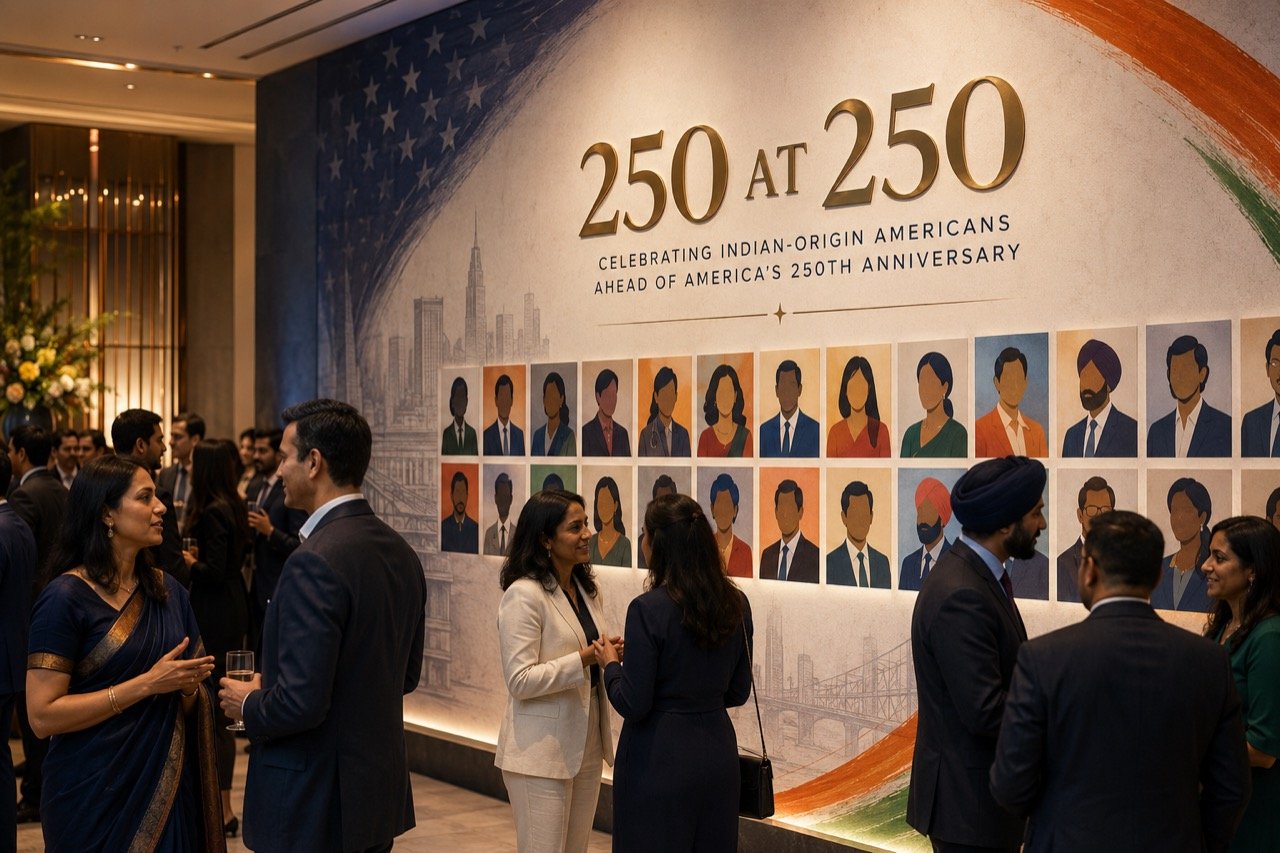
Indiaspora 250 at 250: Diaspora Power in America's Milestone Year
Indiaspora's new 250 at 250 list, released ahead of America's 250th anniversary, celebrates Indian-origin achievers across technology, medicine, government and the arts, underscoring the diaspora's deepening footprint in US public life.
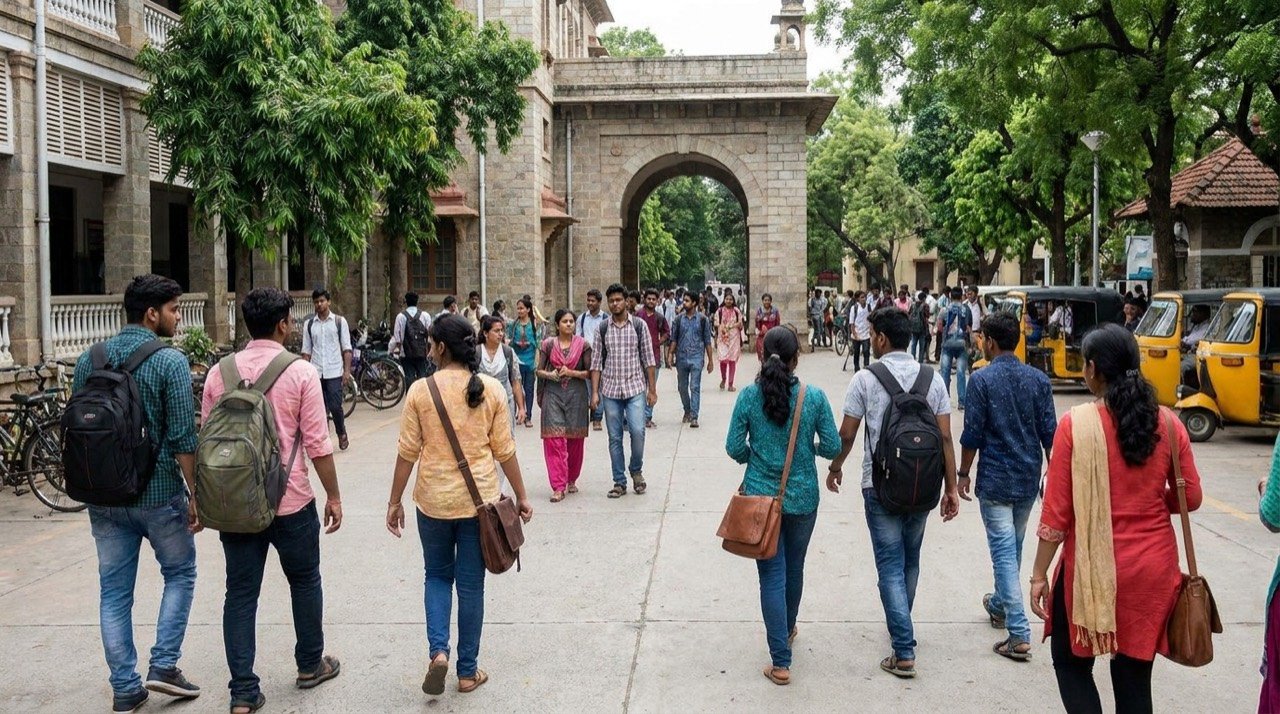
US Moves to End Open-Ended Student Stays, Putting 3.6 Lakh Indian Students on Notice
A US proposal to replace indefinite student status with fixed admission periods and a shorter post-study grace window threatens to reshape choices for the nearly 3.6 lakh Indians who form America's largest international student population.
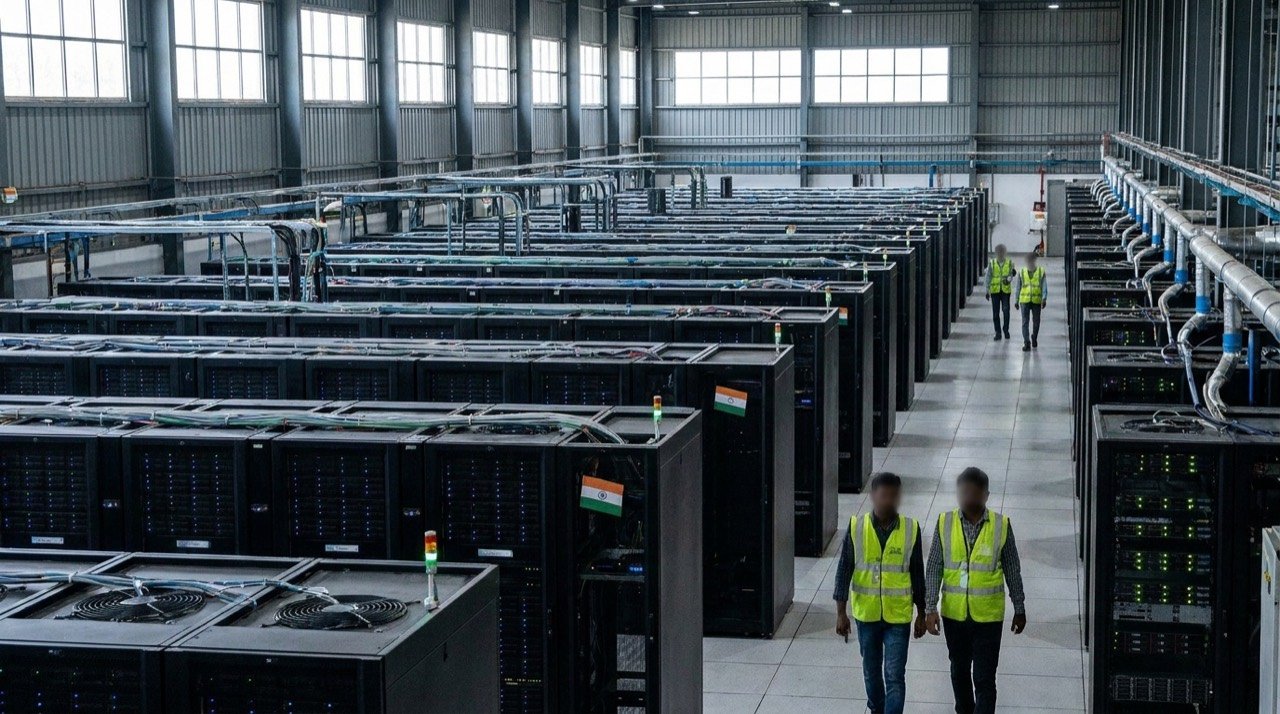
China's LineShine Dethrones US as World's Fastest Supercomputer, Sharpening India's AI Resolve
China has reclaimed the top spot on the global supercomputing rankings with an all-domestic machine running at over two exaflops, a milestone in the US-China tech contest that underscores why India is racing to build its own sovereign computing power.
More from this section
More
India-New Zealand Ties: Visit Plans Put FTA and Diplomacy in Focus
Reports of a planned high-level India-New Zealand engagement have revived attention on free trade talks, professional mobility and Indo-Pacific cooperation between two partners with clear room to grow.
Modi Greets Trump on US 250th Independence Day, Hails Partnership
Prime Minister Narendra Modi marked America's 250th Independence Day with a message to President Trump, saying the next 250 years should lift the India-US partnership to new heights.
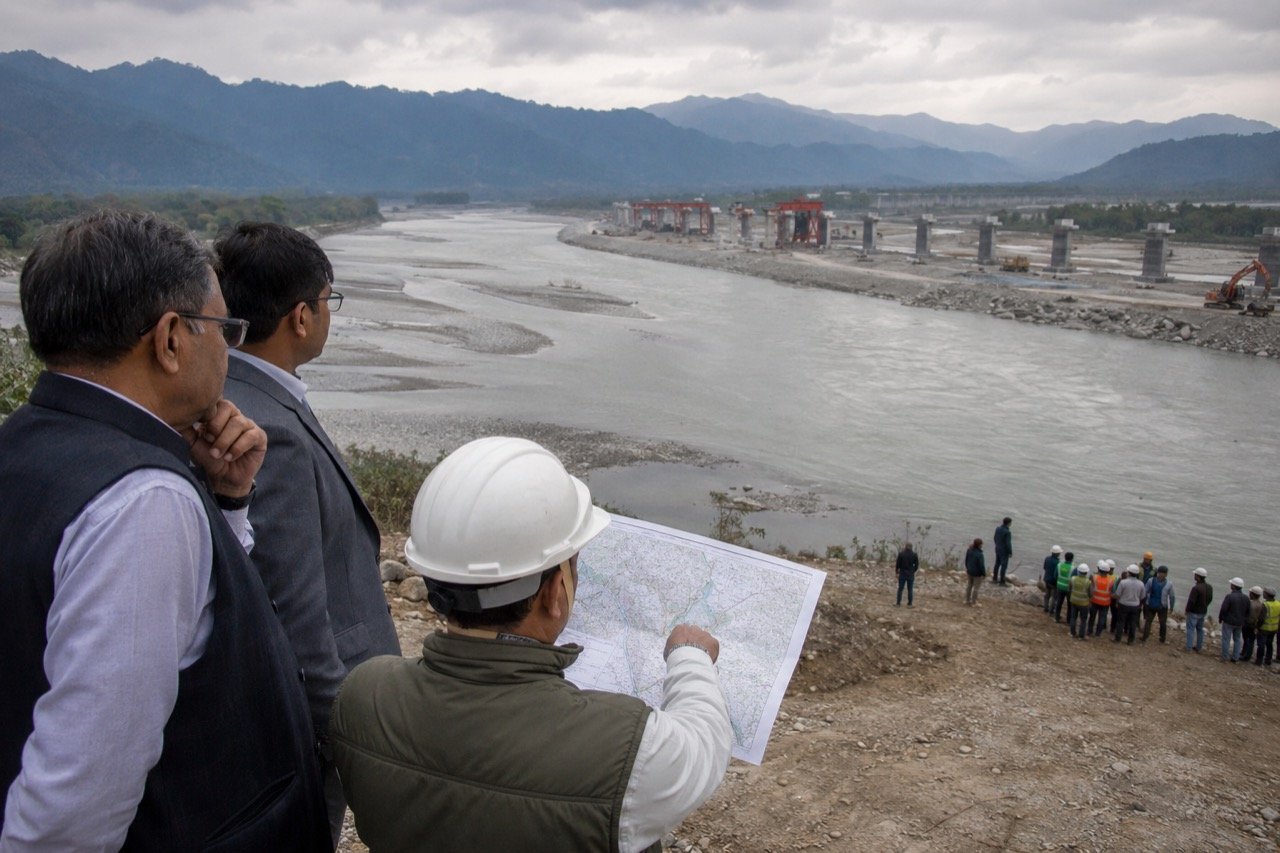
India Watches Dhaka's China-Backed Teesta Plan as Stakes Rise
New Delhi is closely tracking Bangladesh's proposal to develop the Teesta river with Chinese assistance, a move that revives one of South Asia's most sensitive water-sharing disputes and tests regional strategic trust.