Aravalli Restoration And Air Quality Dominate India's Environment Agenda
A major Aravalli restoration drive and worsening dust pollution have moved to the centre of India's environment debate, as a new report flags rising extreme weather and human-wildlife conflict.
Commentary & Analysis ·

India's environment conversation in 2026 keeps returning to two intertwined anxieties: the fate of the Aravalli range and the air the country breathes. A government-backed restoration drive for the degraded hills, launched around World Environment Day, has put the ancient mountain chain back in the spotlight even as a new annual stocktaking warns of intensifying extreme weather and rising conflict between people and wildlife.
Shoring up an ancient shield
The Aravallis act as a natural barrier against dust blowing in from the Thar desert toward the densely populated plains of the north, and their degradation has been directly linked to worsening dust pollution in the National Capital Region. The restoration programme envisages reviving degraded stretches and raising more than a thousand nurseries along the range to replant native species.
Conservationists have welcomed the attention but caution that restoration must be matched by firm protection against illegal mining and encroachment, the twin pressures that hollowed out parts of the range in the first place. A long-running legal battle over how the Aravallis are even defined continues to shape what can be protected.
A climate ledger in the red
The State of India's Environment assessment for the year paints a sobering picture, recording the highest frequency and impact of extreme weather events in recent years, from heatwaves and cold waves to floods and heavy rainfall. It also flags a rise in tiger attacks near reserves, a symptom of shrinking buffers between human settlements and forest land.
- An Aravalli restoration drive was launched around World Environment Day.
- More than a thousand nurseries are planned along the range.
- Aravalli degradation is linked to rising dust pollution in the NCR.
- The annual environment report flags record extreme weather impacts.
- Human-wildlife conflict, including tiger attacks, is on the rise near reserves.
From pledges to protection
The challenge, as ever, lies in turning announcements into durable outcomes. Restoring forest cover takes years and depends on consistent funding, community involvement and resistance to the development pressures that bear down on land near fast-growing cities. The air-quality crisis, meanwhile, demands action far beyond any single range, spanning vehicles, industry, construction dust and crop residue.
“Planting saplings is the easy part; keeping the bulldozers and the miners away for a decade is what actually restores a forest.”
— A conservation ecologist, paraphrased
With the monsoon offering a brief respite from the worst of the dust, the coming months will test whether the restoration push can build the momentum needed to outlast a single news cycle and deliver measurable gains for both the hills and the people who live in their shadow.
The NE Times View
It is welcome that the Aravallis, north India's natural pollution shield, are finally getting restoration attention rather than being quarried into oblivion. But restoration drives have a way of becoming photo-op plantations that quietly die. The harder fight is enforcement against mining and encroachment, and air-quality action that survives past winter headlines. With extreme weather and human-wildlife conflict rising, the environment can no longer be the file that gets opened only in emergencies.
This article is original commentary and analysis by The NE Times. Background facts were referenced from The Hindu and Down To Earth.
You may also like to read

India hosts first Big Cat Alliance summit in New Delhi, aiming for a global declaration
The inaugural International Big Cat Alliance summit gathers member and observer nations under the theme 'Save Big Cats, Save Humanity, Save Ecosystem', with a first-of-its-kind Delhi Declaration on conserving seven big cat species at its centre.
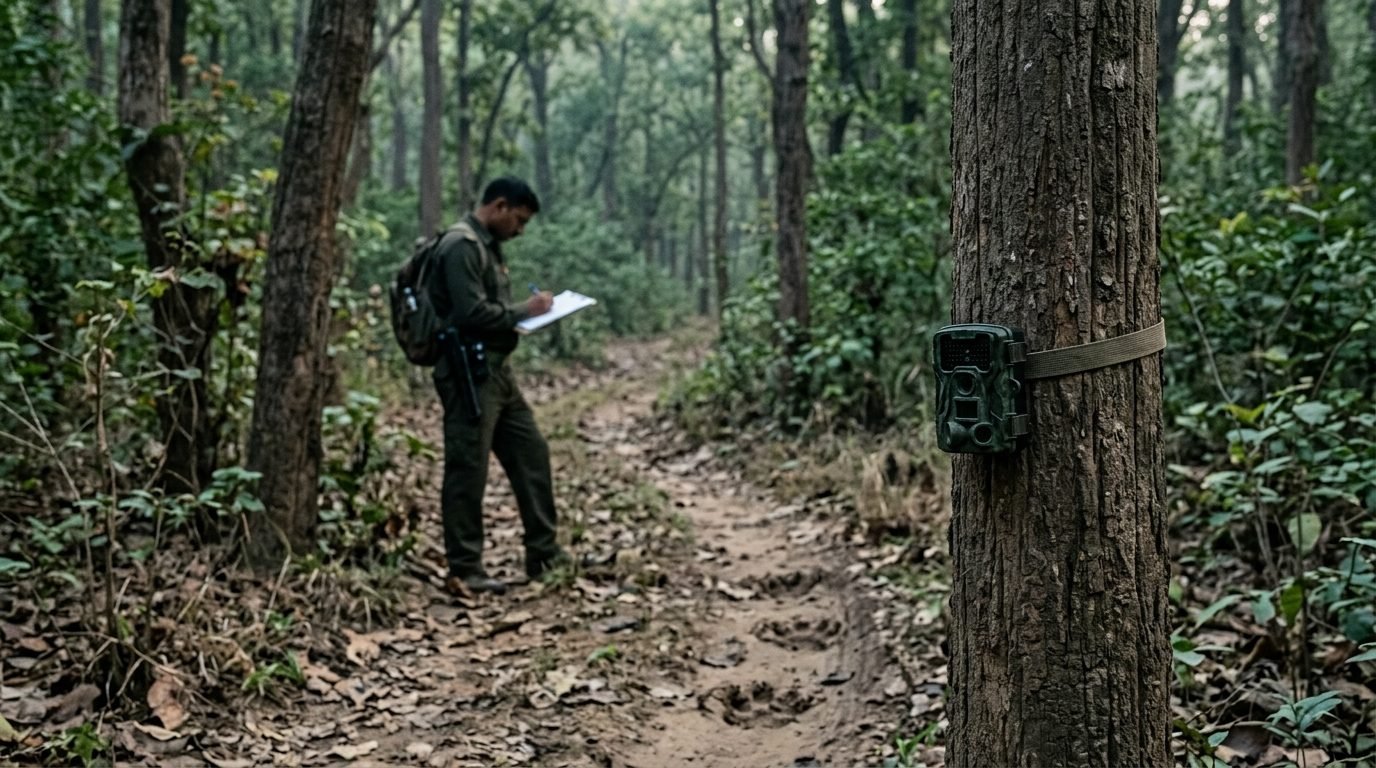
India Launches 2026 Tiger Census, Billed as World's Largest Wildlife Survey
The sixth national tiger estimation is rolling out across reserves and, for the first time, beyond protected corridors, deploying tens of thousands of camera traps and thousands of field staff.

New PUCC Proposal Could Give BS VI Vehicles Three-Year Pollution Certificate Validity
India's transport authorities are weighing a longer Pollution Under Control certificate validity for new BS VI vehicles, easing owner compliance while raising questions on real-world emissions checks.
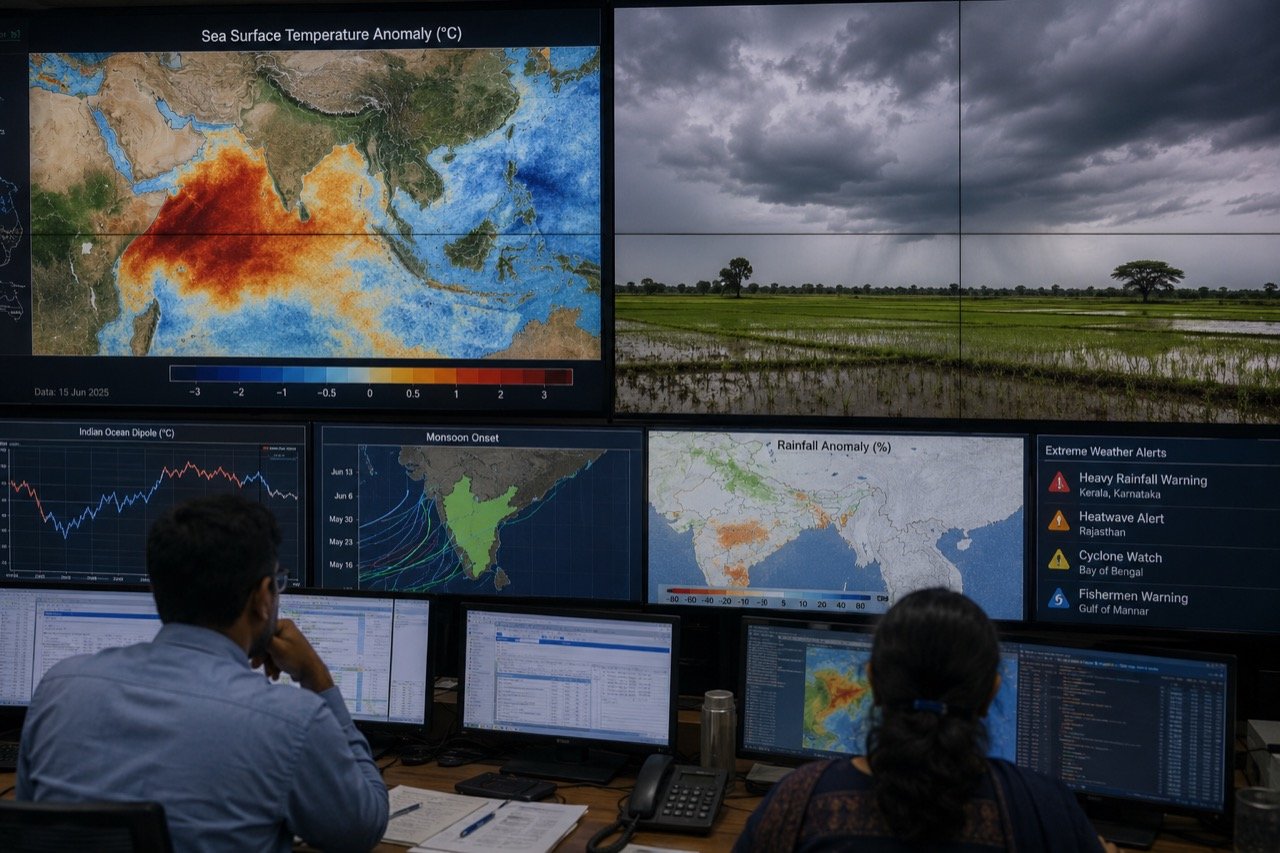
WMO Flags Rapid El Nino Risk, Putting India's Monsoon On Watch
A World Meteorological Organization warning that El Nino could develop rapidly between July and September has revived concerns about below-normal rainfall over the Indian subcontinent and its economic ripple effects.
More from this section
More
AICTE Industry Fellowship 2026: Rs 1.5 Lakh Scheme Closes July 5
The AICTE Industry Fellowship Programme 2026, which places technical-education faculty inside leading companies on a Rs 1.5 lakh monthly stipend, reached its application deadline on July 5.
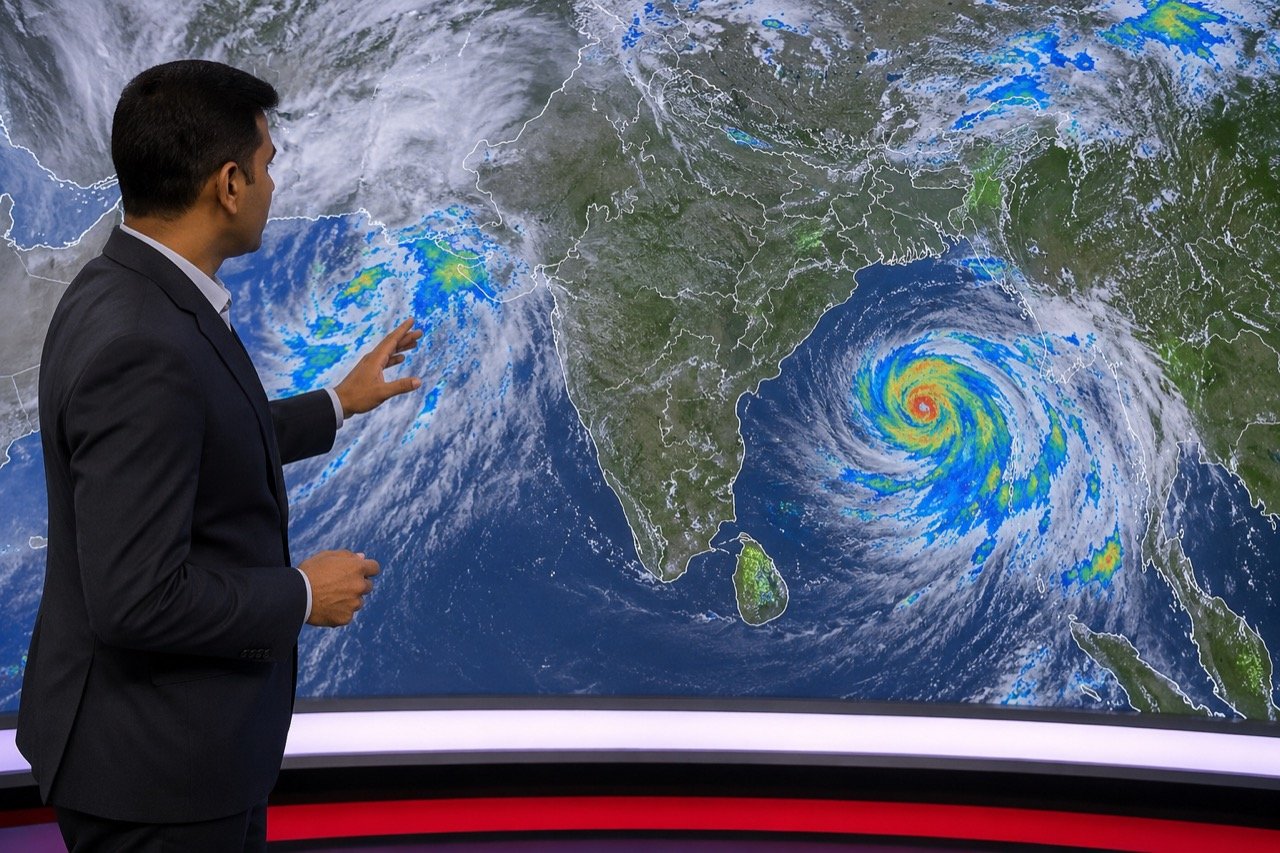
Bay of Bengal Low Pressure System Revives Monsoon Over Western India
A low-pressure system over the Bay of Bengal has pushed the monsoon back into an active phase, bringing steady heavy rain to Kerala, coastal Karnataka and Maharashtra, and putting Mumbai and Pune on preparedness watch.
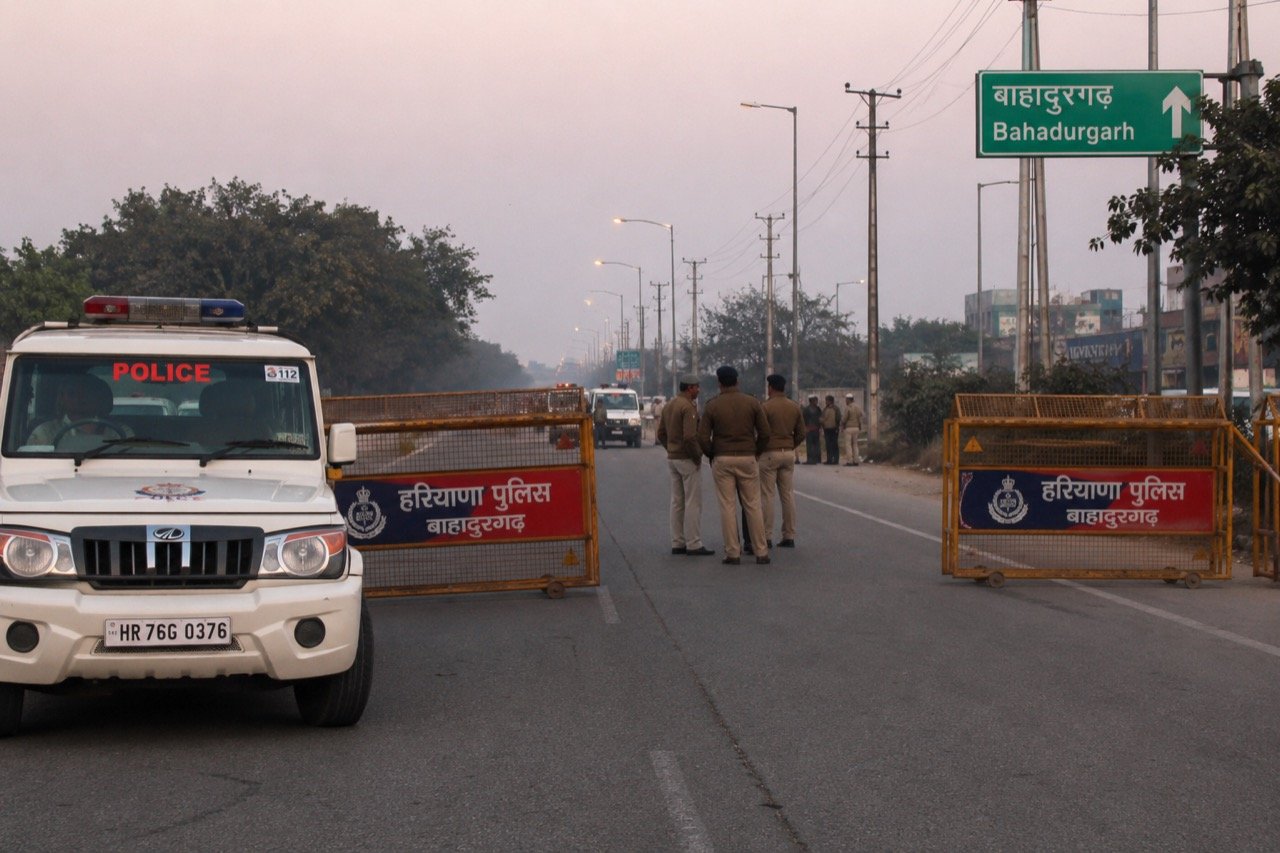
Bishnoi Gang Suspects Injured in Haryana Encounter as Police Tighten Net
A joint Haryana-Delhi Police operation in Bahadurgarh left two suspected Lawrence Bishnoi gang members injured, spotlighting the multi-state coordination now central to India's fight against organised crime networks.