India hosts first Big Cat Alliance summit in New Delhi, aiming for a global declaration
The inaugural International Big Cat Alliance summit gathers member and observer nations under the theme 'Save Big Cats, Save Humanity, Save Ecosystem', with a first-of-its-kind Delhi Declaration on conserving seven big cat species at its centre.
Commentary & Analysis ·

India has hosted the first summit of the International Big Cat Alliance in New Delhi, bringing together representatives of member and observer nations for what organisers describe as a landmark gathering on the conservation of the world's big cats. The summit was held under the theme 'Save Big Cats, Save Humanity, Save Ecosystem'.
At the centre of the meeting is the Delhi Declaration, billed as the first global declaration dedicated to big cat conservation. The document is intended to set out shared priorities, encourage cooperation across borders and promote a landscape-based approach to protecting big cats and the habitats they depend on.
An alliance built around seven species
The International Big Cat Alliance was launched in 2023 and later approved as an inter-governmental organisation headquartered in India. It was created to support the conservation of seven big cat species, several of which are found in the country and others that range across other parts of the world.
- Tiger
- Lion
- Leopard
- Snow leopard
- Cheetah
- Jaguar
- Puma
By organising around these species, the alliance aims to pool expertise, funding and conservation experience among countries that share the challenge of protecting large predators and the ecosystems they anchor.
What the Delhi Declaration seeks to do
The Delhi Declaration is framed as a statement of common intent rather than a binding treaty, setting out the direction member countries wish to take. Its emphasis on transboundary cooperation reflects the reality that big cat populations often move across national frontiers, meaning conservation in one country is closely linked to efforts in its neighbours.
The declaration's landscape-based approach signals a shift away from protecting isolated reserves toward securing the wider mosaic of forests, grasslands and corridors that big cats use. For wide-ranging predators, connected habitats and safe passage between them are as important as the core protected areas themselves.
India's place in big cat conservation
India has long been a focal point for big cat conservation, home to significant populations of tigers, leopards, lions and snow leopards, and the site of efforts to reintroduce cheetahs. The country's experience with flagship programmes for large predators has shaped its role in leading the alliance, which it hosts and headquarters.
Hosting the inaugural summit allows India to showcase that experience while positioning itself as a convener of international cooperation on the issue. The gathering of member and observer nations is intended to broaden the coalition of countries committed to the cause.
From summit to action
The challenge after any such summit lies in translating declarations into measurable conservation on the ground. Habitat loss, human-wildlife conflict, poaching and the fragmentation of corridors remain persistent threats to big cats across their ranges, and addressing them requires sustained funding and coordination.
The alliance's structure as an inter-governmental body is intended to give it the institutional footing to carry forward commitments beyond a single meeting. Whether the Delhi Declaration becomes a reference point for concrete action will depend on how member countries follow through in the months and years ahead.
A shared stake in predators
The summit's theme links the fate of big cats to that of humans and ecosystems, reflecting a view that large predators are indicators of the health of the landscapes they inhabit. Protecting them, in this framing, means protecting the forests, grasslands and water systems that people also rely on.
With the first summit held and a global declaration on the table, the alliance now moves into the phase of putting its stated principles into practice across the diverse range of countries and habitats its seven species call home.
The NE Times View
Hosting the first Big Cat Alliance summit is smart conservation diplomacy, projecting India's tiger-recovery record as soft power while linking seven species under one banner. The Delhi Declaration's worth, though, will be judged by funding and enforcement, not by its rhetoric: too many wildlife pacts read well and deliver little. If India wants leadership here, it must show that habitat protection and anti-poaching action at home match the ambition of the summit stage.
This article is original commentary and analysis by The NE Times. Background facts were referenced from Press Information Bureau and NewsOnAir.
You may also like to read
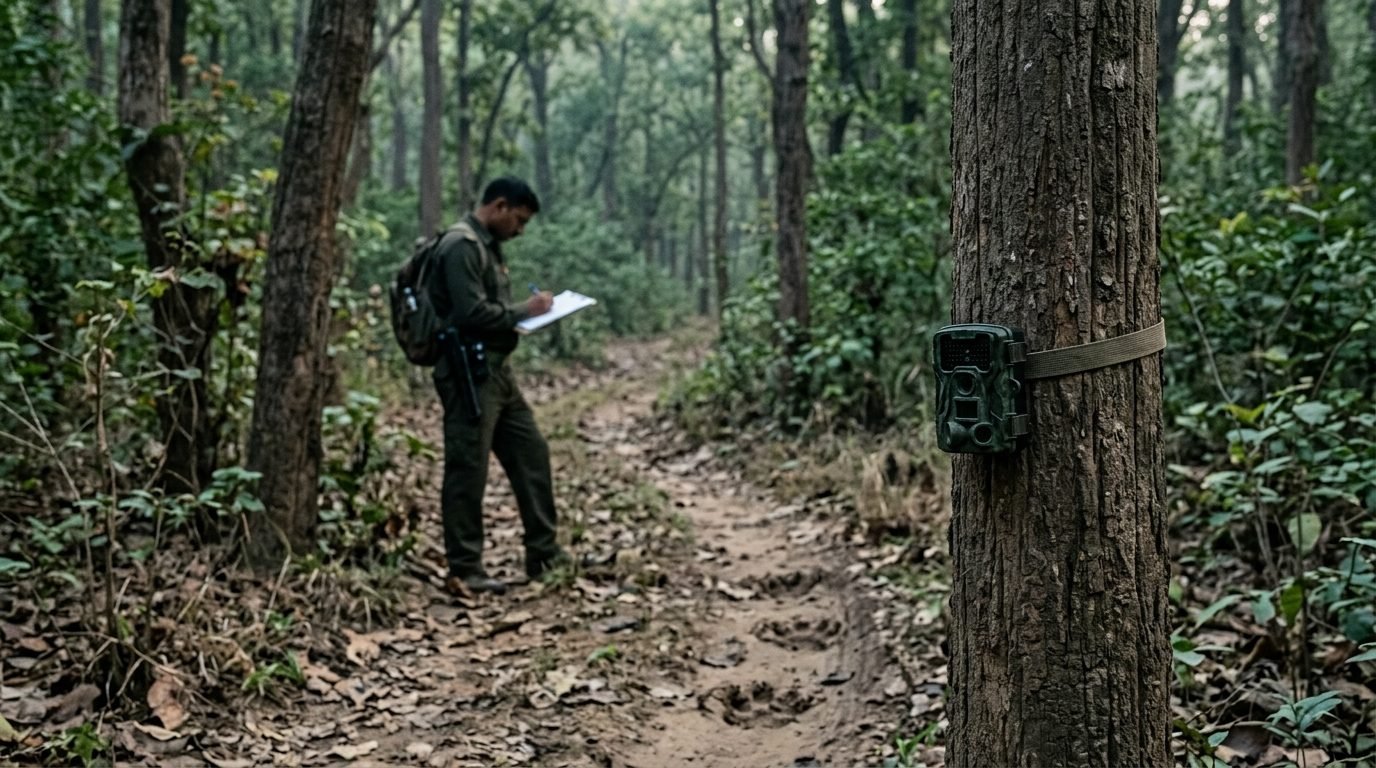
India Launches 2026 Tiger Census, Billed as World's Largest Wildlife Survey
The sixth national tiger estimation is rolling out across reserves and, for the first time, beyond protected corridors, deploying tens of thousands of camera traps and thousands of field staff.

Aravalli Restoration And Air Quality Dominate India's Environment Agenda
A major Aravalli restoration drive and worsening dust pollution have moved to the centre of India's environment debate, as a new report flags rising extreme weather and human-wildlife conflict.
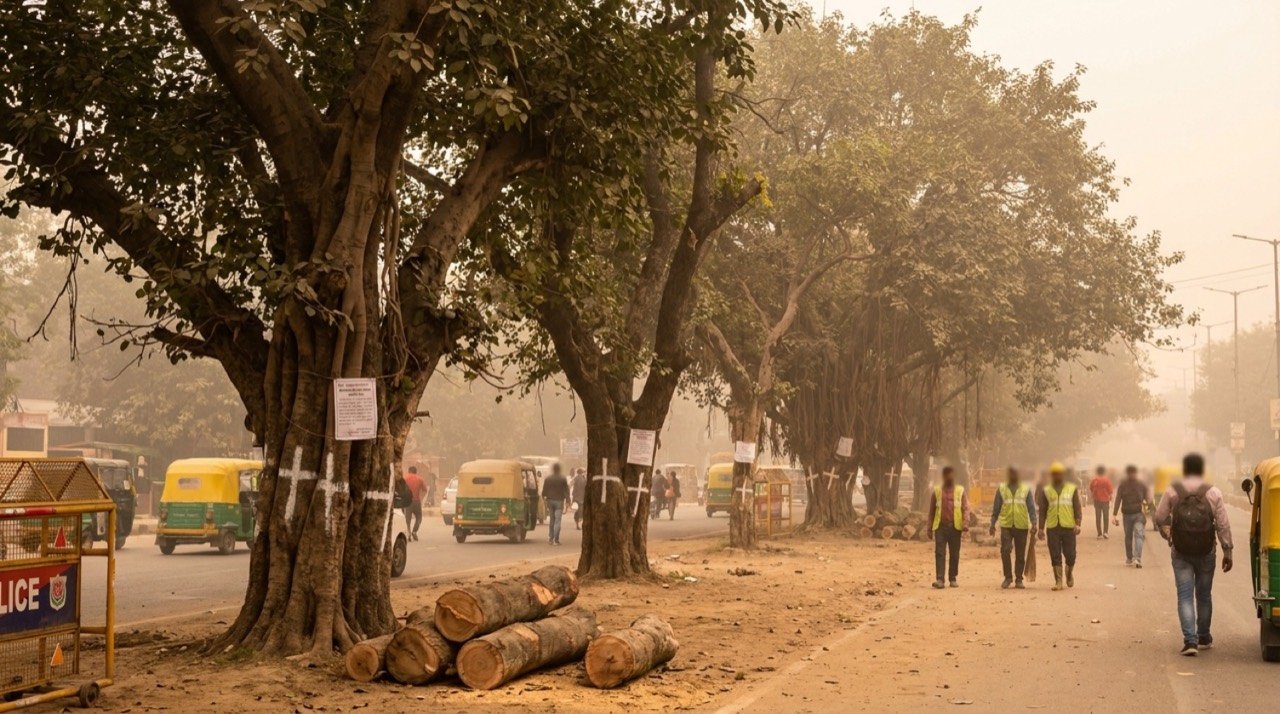
Delhi's New Tree-Cutting SOP Adds Video Evidence and Arrest Warning
Delhi is preparing a tougher standard operating procedure for illegal tree felling, with video recording of enforcement and arrest warnings, as the capital battles heat, pollution and shrinking green cover.
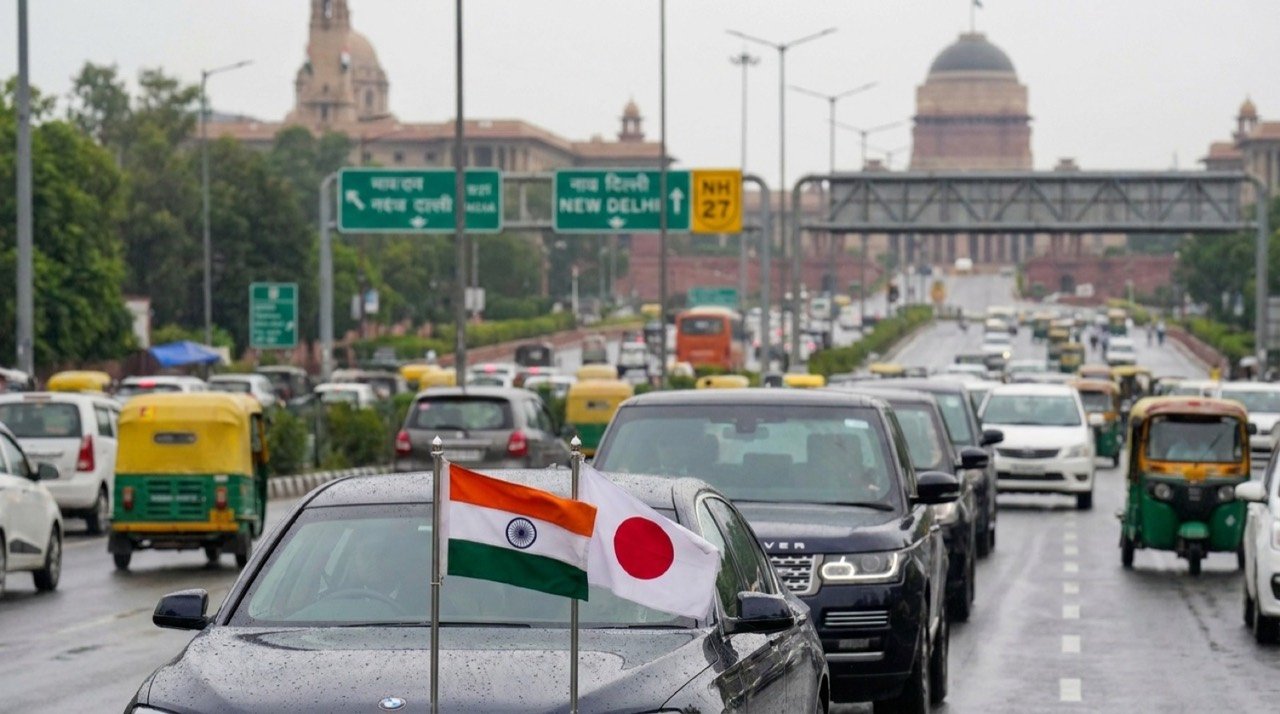
India-Japan Summit Likely to Shift From Guwahati to Delhi
Japanese Prime Minister Sanae Takaichi's proposed Guwahati leg has reportedly been dropped, with her summit with Narendra Modi now expected in New Delhi over logistics and protocol concerns.
More from this section
More
AICTE Industry Fellowship 2026: Rs 1.5 Lakh Scheme Closes July 5
The AICTE Industry Fellowship Programme 2026, which places technical-education faculty inside leading companies on a Rs 1.5 lakh monthly stipend, reached its application deadline on July 5.
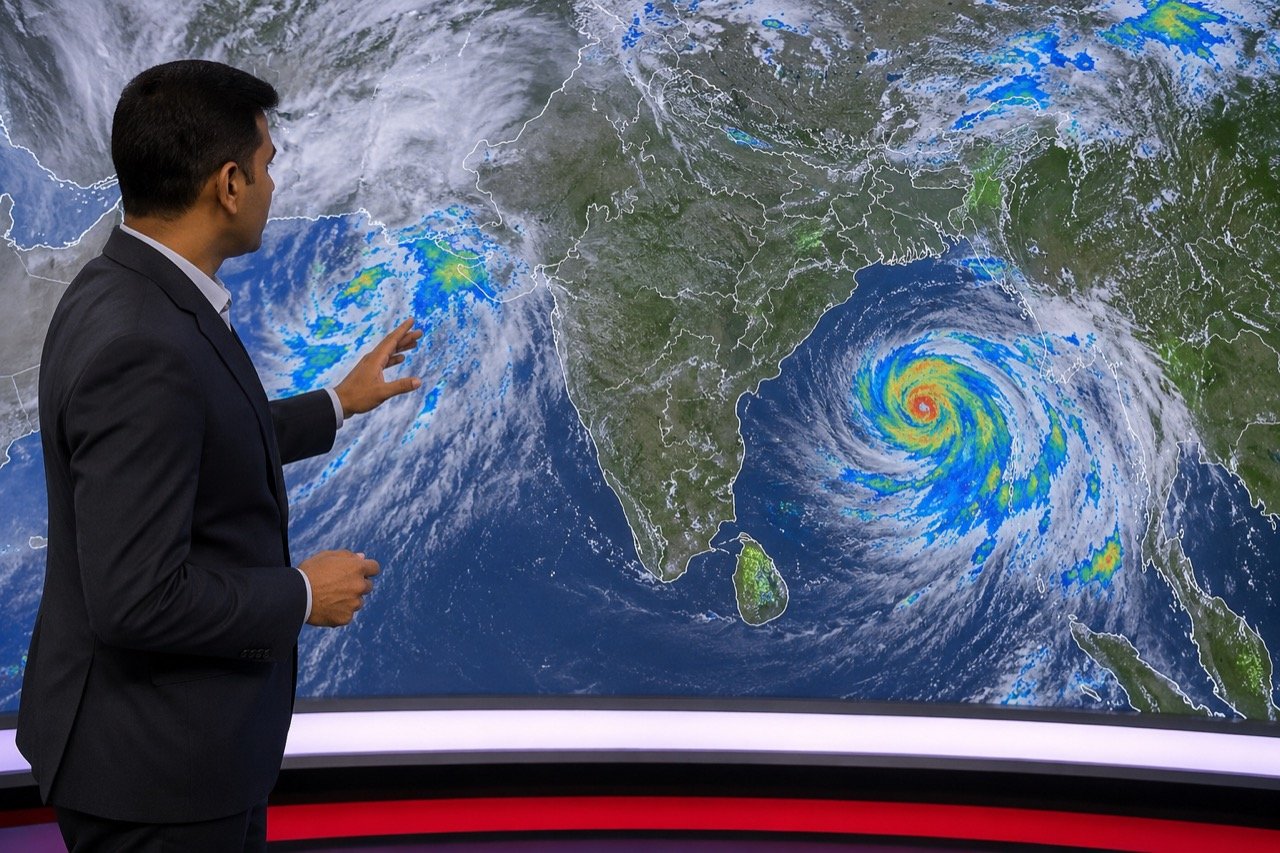
Bay of Bengal Low Pressure System Revives Monsoon Over Western India
A low-pressure system over the Bay of Bengal has pushed the monsoon back into an active phase, bringing steady heavy rain to Kerala, coastal Karnataka and Maharashtra, and putting Mumbai and Pune on preparedness watch.
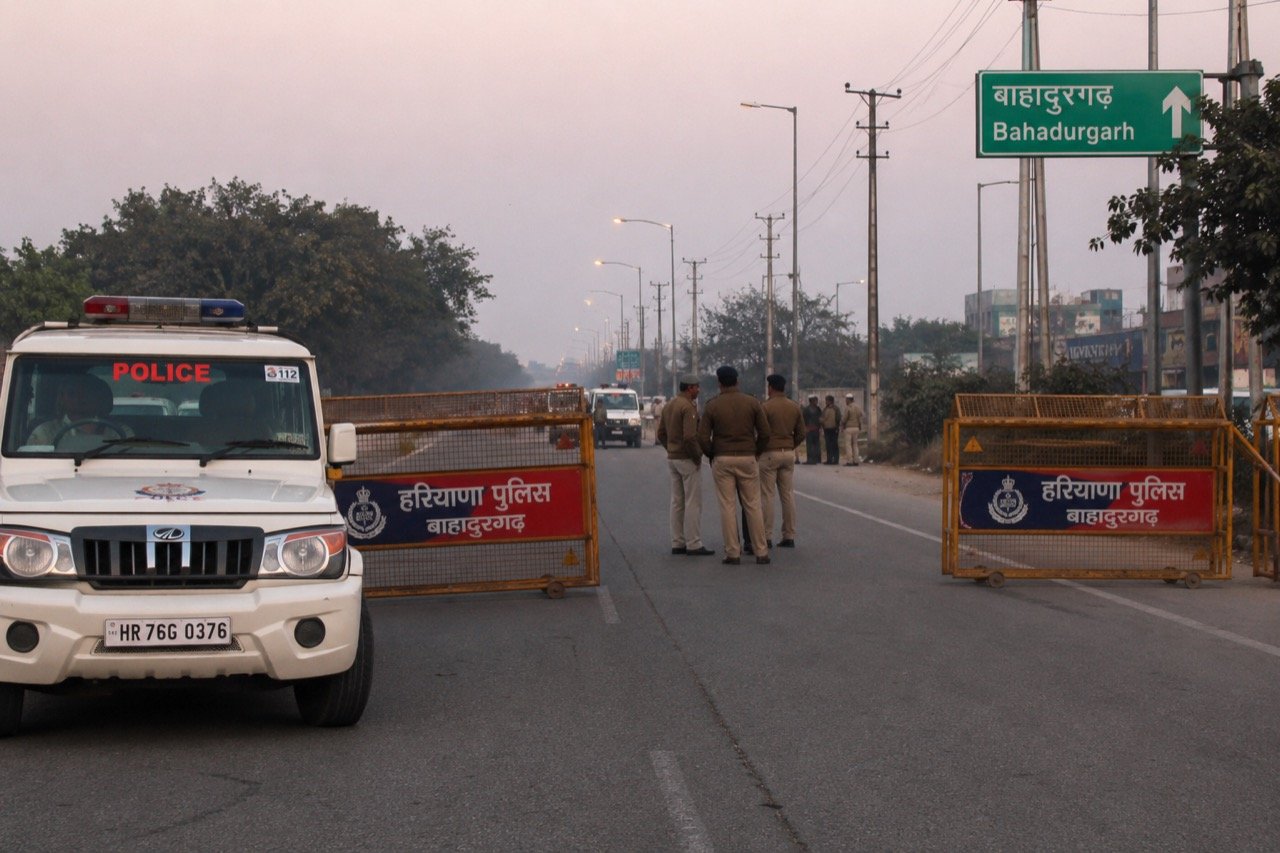
Bishnoi Gang Suspects Injured in Haryana Encounter as Police Tighten Net
A joint Haryana-Delhi Police operation in Bahadurgarh left two suspected Lawrence Bishnoi gang members injured, spotlighting the multi-state coordination now central to India's fight against organised crime networks.