India unveils new industrial production index with 2022-23 base year; April output up 4.9%
The statistics ministry's revamped Index of Industrial Production widens coverage to include gas, water and waste-management activities, with manufacturing leading the first reading under the new series.
Commentary & Analysis ·
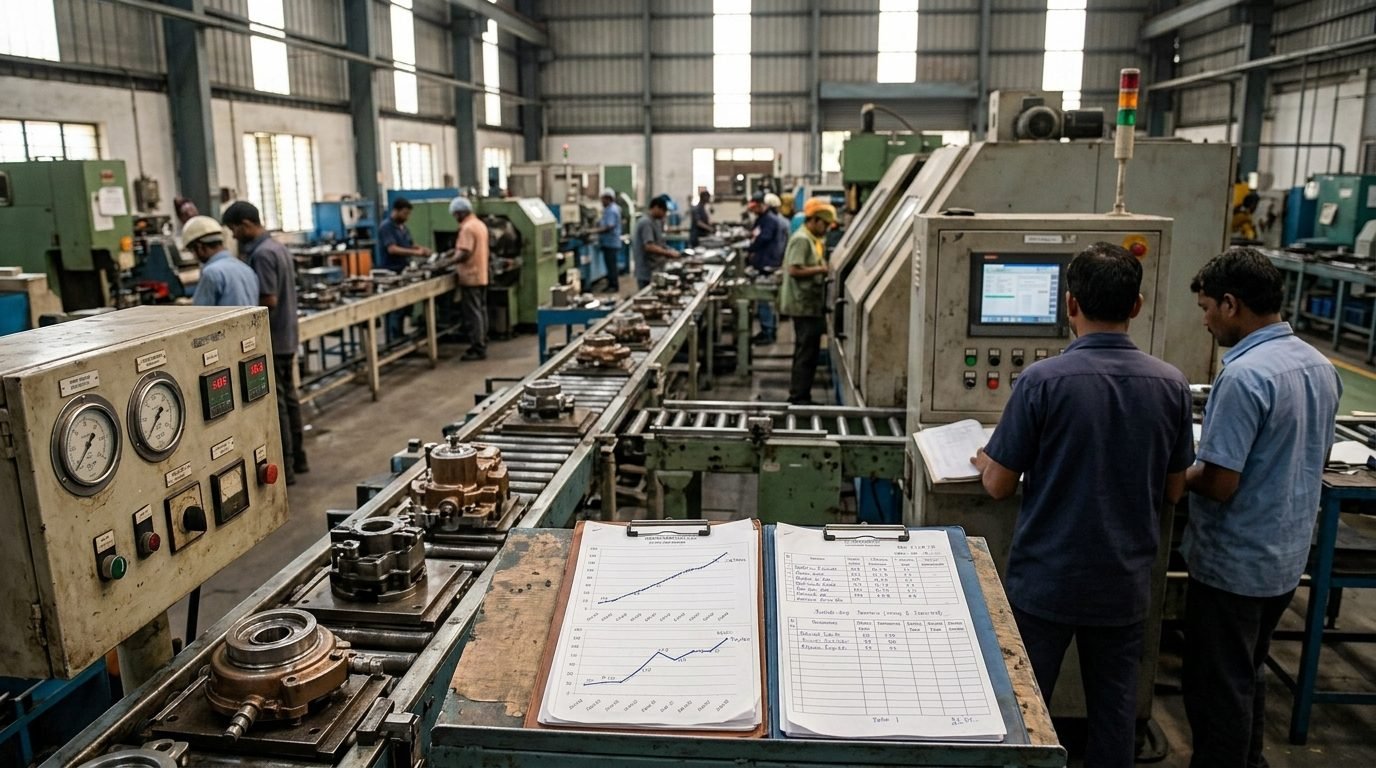
India has launched a revamped Index of Industrial Production with a new base year of 2022-23, replacing the long-standing 2011-12 series, in a move intended to give a sharper and more current picture of factory activity. In the first reading under the new series, industrial output grew 4.9 per cent year-on-year in April, driven primarily by strong manufacturing.
The Ministry of Statistics and Programme Implementation released the updated series at the start of June, describing it as a modernisation of one of the country's most closely watched economic indicators. The IIP feeds into assessments of growth momentum and informs policy decisions, so the quality and relevance of its underlying basket matter well beyond the headline number.
What has changed
The new series carries an expanded industrial coverage, revised sectoral weights and a revamped product basket designed to better reflect the current structure of the economy. For the first time, the index extends beyond the traditional categories of mining, manufacturing and electricity to include gas supply as well as water supply, sewerage and waste-management activities, broadening the definition of industrial output.
Manufacturing retains the dominant weight in the index, at just over 76 per cent, underscoring its central role in shaping the overall reading. Updating the base year and the product basket is a periodic exercise meant to keep the index aligned with the goods and services that actually drive present-day industrial activity, rather than those that mattered more than a decade ago.
April's numbers
In the inaugural reading, manufacturing grew 6.2 per cent and emerged as the principal driver of the 4.9 per cent overall expansion. Within the use-based categories, capital goods recorded the fastest growth, a closely watched signal because investment in machinery and equipment points to expanding productive capacity. Infrastructure and construction goods and intermediate goods also posted healthy gains, while consumer durables and non-durables grew more modestly.
- New IIP series adopts 2022-23 base year, replacing 2011-12
- Coverage widened to include gas supply and water, sewerage and waste management
- Manufacturing weight stands at just over 76 per cent of the index
- April output up 4.9% year-on-year, with manufacturing growing 6.2%
- Capital goods the fastest-growing use-based category
Why the revision matters
Economists have long argued that an outdated base year can distort the picture an index presents, as the relative importance of different industries shifts over time. By rebasing to 2022-23 and adding new segments, the statistics ministry aims to capture structural changes in the economy, including the growth of utilities and environmental services that were under-represented in the older framework.
The strength in capital goods in the April reading will be read by analysts as a tentative sign of an investment pick-up, though a single month's data carries limited weight. The broader value of the revamped series lies in providing a more reliable lens through which to track industrial trends in the months and years ahead.
Outlook
Subsequent readings under the new series will show how durable the April momentum proves to be, with attention on whether manufacturing and capital goods sustain their pace. The next release will offer the first month-on-month comparison entirely within the new framework. For policymakers and markets, the rebased index is intended to deliver a clearer reading of the industrial economy, even as the underlying drivers, from domestic demand to global conditions, remain in flux.
The NE Times View
Rebasing the IIP to 2022-23 and widening it to utilities and waste management is overdue housekeeping; an index measuring a modern economy must reflect what that economy actually produces. A 4.9% reading led by manufacturing is encouraging, but the value of any new series lies in its consistency and credibility over time. The reform is worth applauding only if the data stays timely, transparent and resistant to political spin.
This article is original commentary and analysis by The NE Times. Background facts were referenced from Business Standard and DD News.
You may also like to read

Centre Rolls Out BHAVYA Portal to Build 100 Plug-and-Play Industrial Parks
Commerce Minister Piyush Goyal launched the digital gateway for the Bharat Audyogik Vikas Yojana, a 33,660-crore-rupee scheme to create manufacturing hubs in partnership with states.

India’s New IIP Base Year 2022-23: Why the Industrial Production Index Has Been Rebuilt
The revised index aims to capture today’s manufacturing structure more accurately, but users must understand what changed before comparing new and old growth numbers.
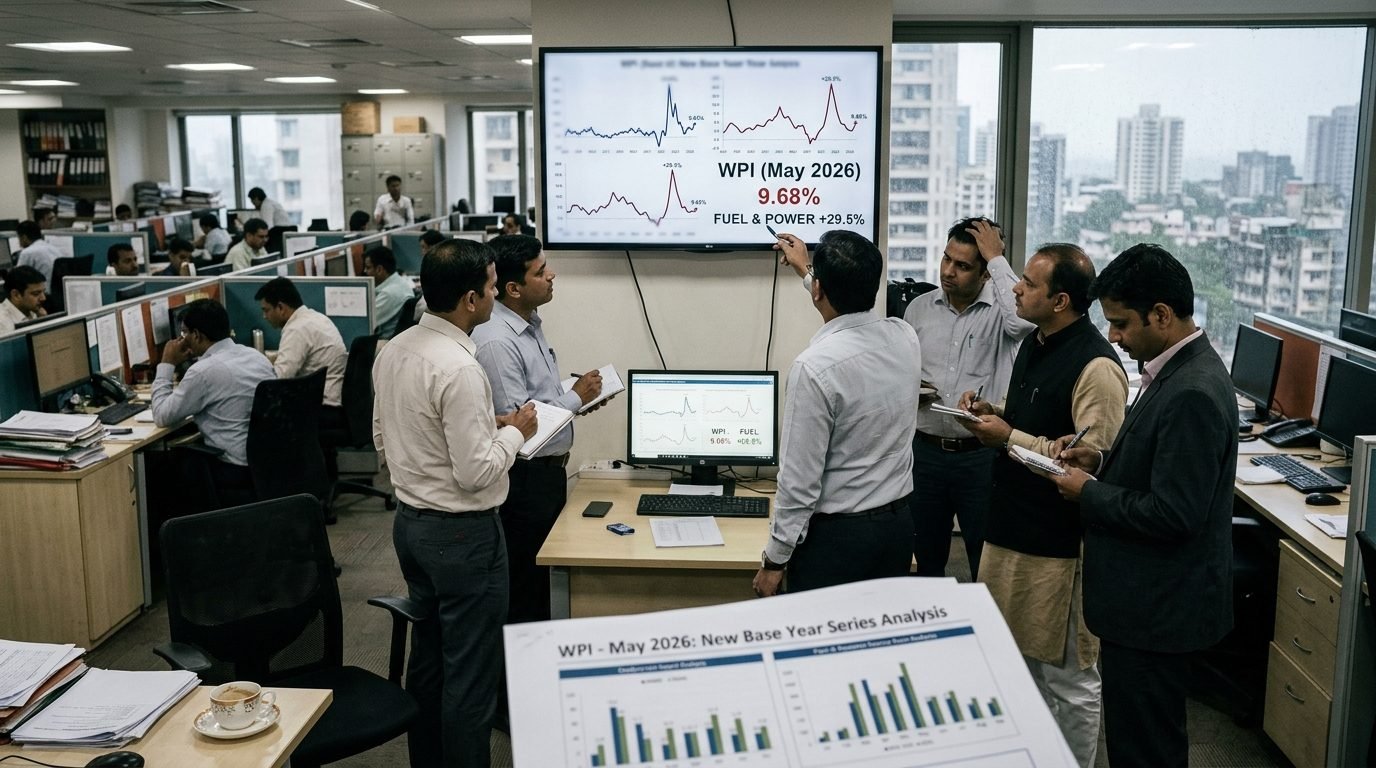
India's Wholesale Inflation Jumps To 9.68% In May As New 2022-23 Base Year Debuts
Wholesale price inflation surged to 9.68% in May 2026 from 8.26% in April, driven by a near-30% spike in fuel and power, even as the government unveiled a revamped 2022-23 base-year series.

Monsoon Arrives Early Across the South, Lifting India's Farm Outlook
The southwest monsoon has swept in ahead of schedule, raising hopes for a strong kharif sowing season and easing inflation worries — though officials urge caution on how the rains spread.
More from this section
More
AICTE Industry Fellowship 2026: Rs 1.5 Lakh Scheme Closes July 5
The AICTE Industry Fellowship Programme 2026, which places technical-education faculty inside leading companies on a Rs 1.5 lakh monthly stipend, reached its application deadline on July 5.

Bay of Bengal Low Pressure System Revives Monsoon Over Western India
A low-pressure system over the Bay of Bengal has pushed the monsoon back into an active phase, bringing steady heavy rain to Kerala, coastal Karnataka and Maharashtra, and putting Mumbai and Pune on preparedness watch.
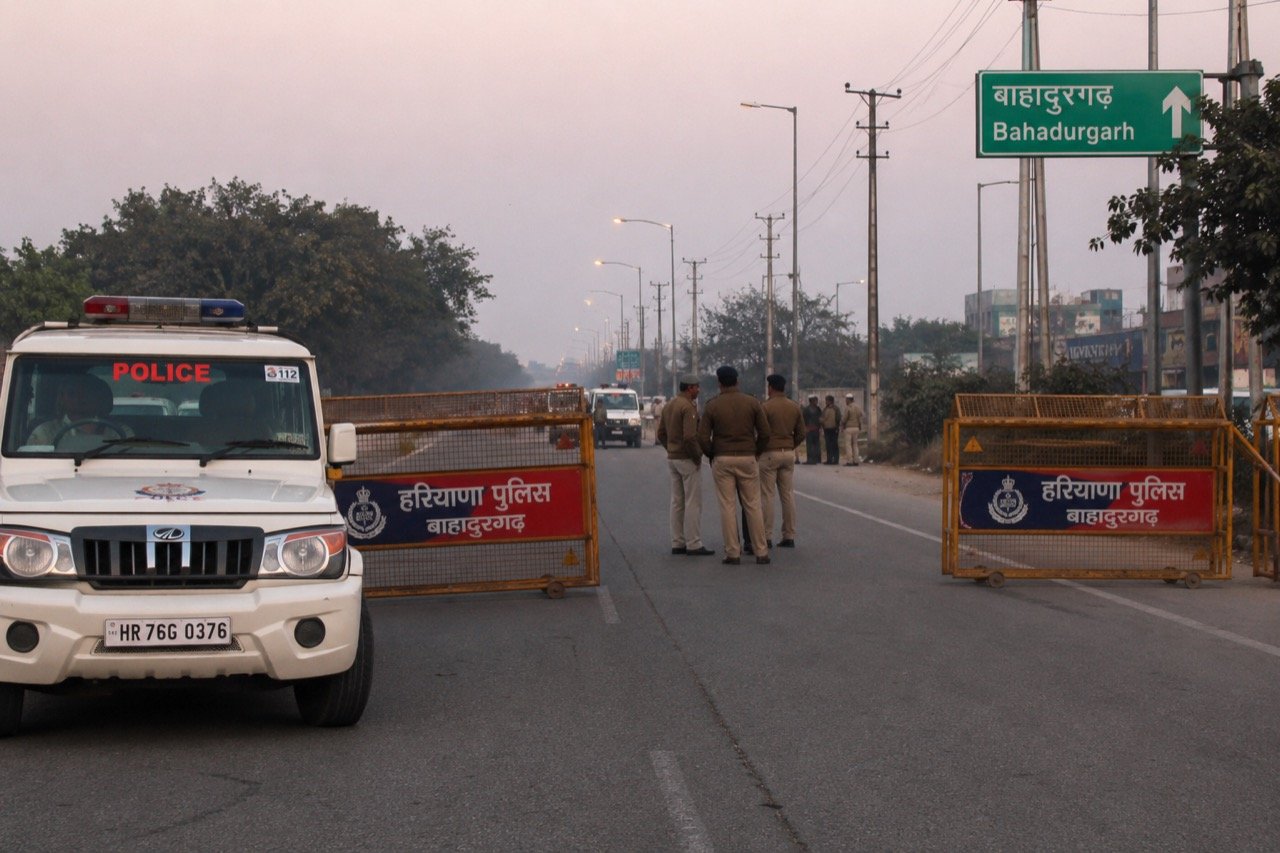
Bishnoi Gang Suspects Injured in Haryana Encounter as Police Tighten Net
A joint Haryana-Delhi Police operation in Bahadurgarh left two suspected Lawrence Bishnoi gang members injured, spotlighting the multi-state coordination now central to India's fight against organised crime networks.