Centre Rolls Out BHAVYA Portal to Build 100 Plug-and-Play Industrial Parks
Commerce Minister Piyush Goyal launched the digital gateway for the Bharat Audyogik Vikas Yojana, a 33,660-crore-rupee scheme to create manufacturing hubs in partnership with states.
Commentary & Analysis ·

Union Minister for Commerce and Industry Piyush Goyal launched the BHAVYA portal in New Delhi, operationalising the Bharat Audyogik Vikas Yojana, a flagship scheme to develop 100 industrial parks across the country. The Cabinet-approved programme carries a financial outlay of 33,660 crore rupees. The launch turns a major policy commitment into a working mechanism, giving developers and state governments a digital gateway through which the scheme will be administered.
The scheme is designed to create plug-and-play industrial ecosystems with multimodal connectivity, reliable utilities, digital governance and worker-support infrastructure, moving away from older ad-hoc land allocation models toward structured equity partnerships between the Centre and states. The shift reflects a broader effort to make it faster and easier for manufacturers to set up operations by providing ready-to-use sites rather than leaving firms to assemble land and infrastructure on their own.
How the model works
Funding follows a 51:49 Centre-state partnership, with state governments providing encumbrance-free land. Park sizes are tiered, ranging from about 25 acres in hilly and northeastern areas to several hundred acres in larger states and up to 1,000 acres near major cities. The tiered approach allows the programme to adapt to local geography and demand, supporting smaller hubs in difficult terrain while enabling large-scale clusters near metropolitan centres.
Requiring states to contribute encumbrance-free land is intended to reduce one of the most persistent obstacles to industrial development, namely disputes and delays over land titles. By tying central funding to clear land and a defined equity split, the model aims to align incentives between the two tiers of government and speed up execution.
A phased rollout
Applications submitted between 1 June and 31 July will be considered for the first phase of 20 parks, with a further 30 parks taken up based on submissions received up to 30 September, according to the ministry. The staggered timeline gives states a clear set of deadlines and allows the programme to build momentum in stages rather than attempting all 100 parks at once.
The phased structure also lets the Centre apply lessons from the first batch before scaling up, a practical approach to a programme of this size. The key milestones are now well defined:
- Total outlay of 33,660 crore rupees for 100 industrial parks
- Funding on a 51:49 Centre-state partnership, with states supplying encumbrance-free land
- Park sizes from about 25 acres in hilly and northeastern regions to up to 1,000 acres near major cities
- First phase of 20 parks from applications filed between 1 June and 31 July; a further 30 from submissions up to 30 September
Why it matters
The scheme is squarely aimed at strengthening India's manufacturing base by lowering the barriers that have long slowed industrial investment, from fragmented land parcels to unreliable utilities and cumbersome approvals. Plug-and-play parks with built-in connectivity and digital governance are meant to shorten the time between an investment decision and the start of production.
The inclusion of smaller parks for hilly and northeastern areas is notable, signalling an intent to spread industrial activity to regions that have historically attracted less manufacturing investment. If successful, the model could help rebalance growth toward areas that have been left out of earlier industrial waves.
The outlook
With the portal live and the first application window open, the early test will be how many states come forward with suitable land and how quickly the initial 20 parks can move from approval to development. The programme's ultimate impact will depend on execution, but its structured, partnership-based design marks a deliberate attempt to put manufacturing-led growth on a more organised footing.
The NE Times View
Plug-and-play parks address a real bottleneck: India's manufacturing ambitions have long been throttled by the time and cost of acquiring land and securing clearances. A digital portal is welcome, but the scheme's success rests with the states, where execution and approvals actually live. The 33,660-crore figure is meaningful only if parks attract anchor tenants rather than sitting idle. Watch occupancy and jobs, not launches.
This article is original commentary and analysis by The NE Times. Background facts were referenced from Business Standard, Akashvani News.
You may also like to read
India unveils new industrial production index with 2022-23 base year; April output up 4.9%
The statistics ministry's revamped Index of Industrial Production widens coverage to include gas, water and waste-management activities, with manufacturing leading the first reading under the new series.

Monsoon Arrives Early Across the South, Lifting India's Farm Outlook
The southwest monsoon has swept in ahead of schedule, raising hopes for a strong kharif sowing season and easing inflation worries — though officials urge caution on how the rains spread.
Neelkanth Mishra Appointed India's Executive Director at the World Bank
The Appointments Committee of the Cabinet cleared the economist's selection for a three-year term, placing a prominent voice on India's economy in a key multilateral role.
Retail inflation climbs to 3.93% in May as food prices firm up
Consumer price inflation rose from 3.48% in April, driven largely by a pick-up in food costs, even as the headline figure stayed within the Reserve Bank's comfort band.
More from this section
More
AICTE Industry Fellowship 2026: Rs 1.5 Lakh Scheme Closes July 5
The AICTE Industry Fellowship Programme 2026, which places technical-education faculty inside leading companies on a Rs 1.5 lakh monthly stipend, reached its application deadline on July 5.

Bay of Bengal Low Pressure System Revives Monsoon Over Western India
A low-pressure system over the Bay of Bengal has pushed the monsoon back into an active phase, bringing steady heavy rain to Kerala, coastal Karnataka and Maharashtra, and putting Mumbai and Pune on preparedness watch.
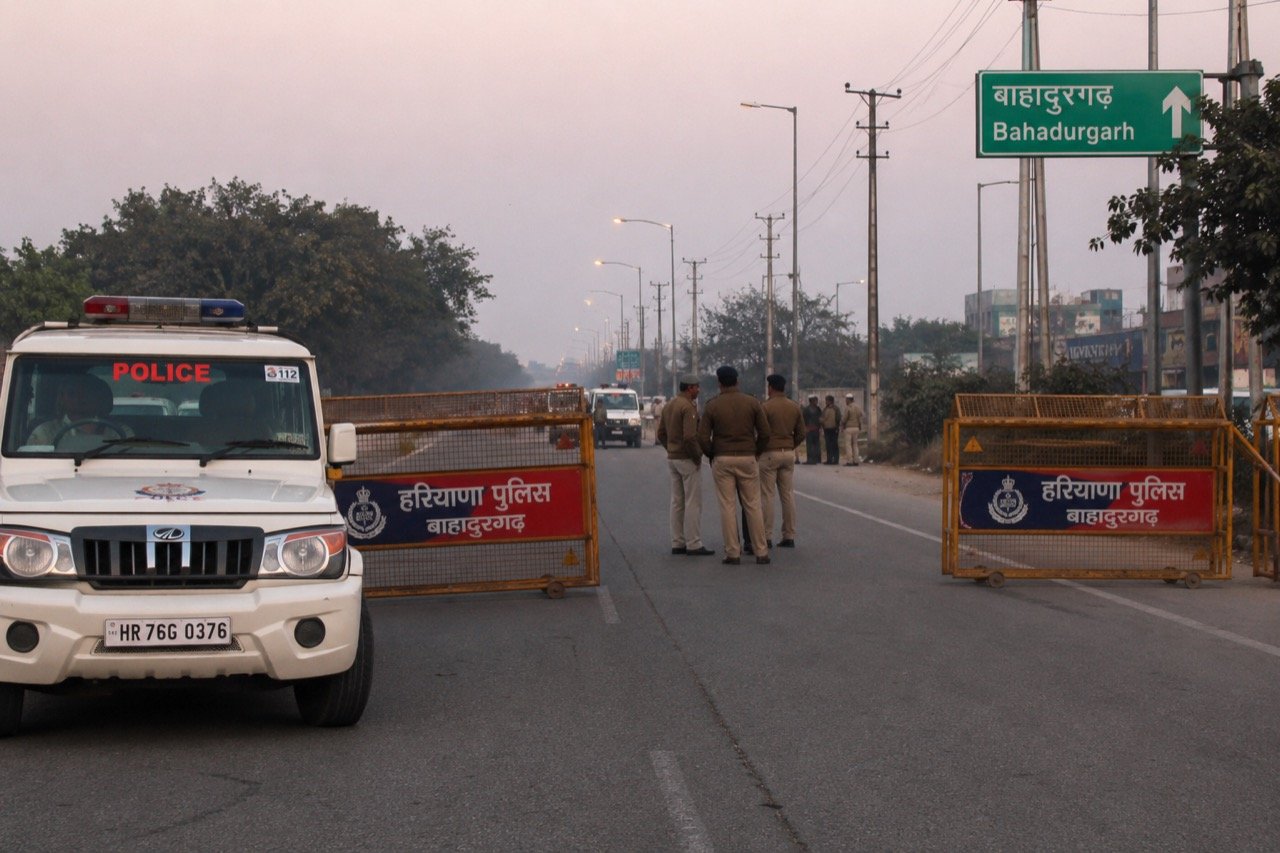
Bishnoi Gang Suspects Injured in Haryana Encounter as Police Tighten Net
A joint Haryana-Delhi Police operation in Bahadurgarh left two suspected Lawrence Bishnoi gang members injured, spotlighting the multi-state coordination now central to India's fight against organised crime networks.