Kirthai-II Forest Nod Puts India's Chenab Hydropower Push in Focus
An environment panel has backed forest diversion for the 820 MW Kirthai-II project on the Chenab, accelerating India's hydropower drive in the Indus basin amid ecological concerns.
Commentary & Analysis ·
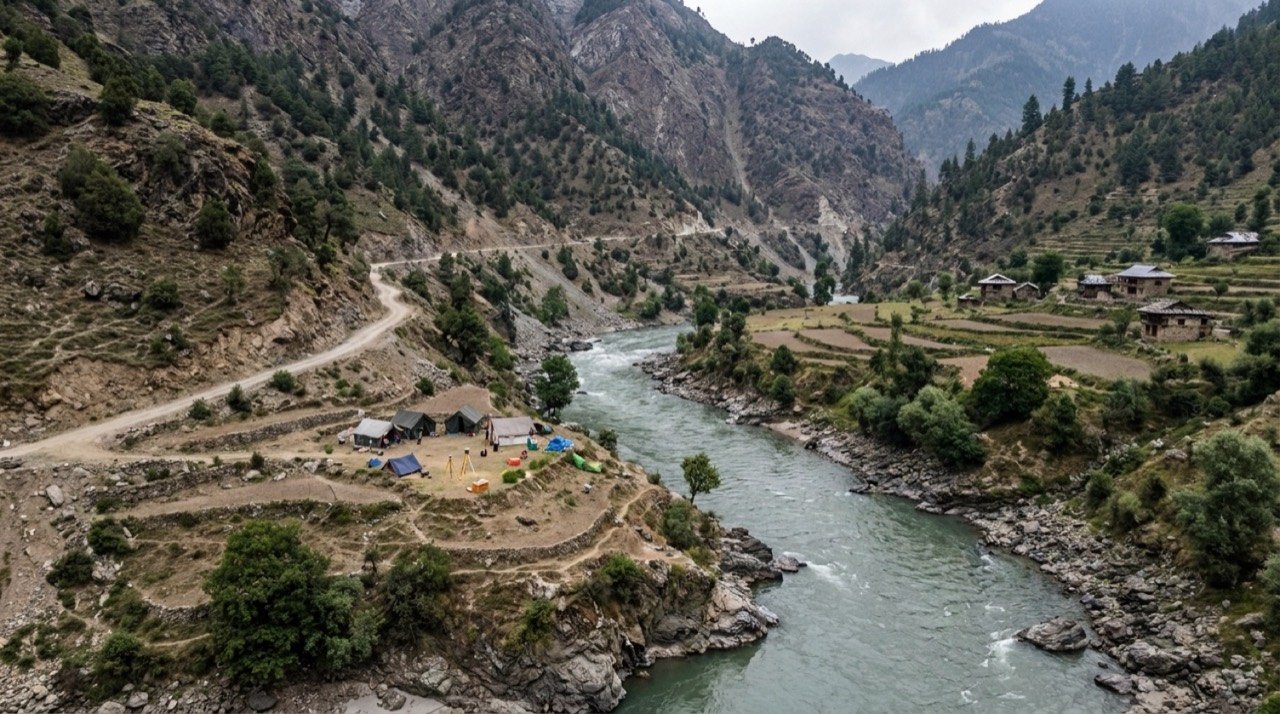
A panel of the Union environment ministry has recommended in-principle forest diversion approval for the 820 MW Kirthai-II hydroelectric project on the Chenab river in Jammu and Kashmir, clearing one of the last major hurdles for a scheme that has become emblematic of India's renewed hydropower ambitions in the Indus basin. The decision, taken by the Forest Advisory Committee, converts a long-pending file into a live construction prospect, and it deserves close scrutiny both for what it enables and for what it will cost.
What the panel cleared
The Forest Advisory Committee has backed the diversion of 197 hectares of forest land for the project, planned in the high-mountain terrain of Kishtwar district. This recommendation matters because Kirthai-II had already secured an environmental-clearance recommendation back in 2021, leaving forest clearance as the sole critical outstanding precondition. With that box now ticked in principle, the project moves from a paper proposal towards an actionable construction timeline, subject to final sign-off and the conditions attached to the nod.
Notably, the project's capacity has been trimmed from an earlier 930 MW proposal to 820 MW. Such downward revisions are not unusual in Himalayan hydropower planning, where geological surveys, seismic risk assessments and environmental feedback loops often force engineers to scale back ambition in favour of a more conservative, and hopefully safer, design. Project papers cited in public reporting describe a 121-metre concrete gravity dam planned in the Padder area, a structure of considerable scale for a region defined by narrow gorges, steep slopes and a young, tectonically active mountain system.
Taken together, these details signal how seriously New Delhi is treating run-of-river capacity on the Chenab. The forest nod is not merely a bureaucratic formality; it is the clearest indication yet that Kirthai-II is being fast-tracked as part of a broader push to convert the river's hydrological potential into firm, dispatchable electricity generation.
The ecological trade-off
The site sits amid temperate forest of pine, silver fir, oak and other Himalayan species, and official records note the likely felling of 8,723 trees. This is not a trivial clearing operation. Temperate Himalayan forests of this kind take decades, in some cases centuries, to mature, and their loss carries consequences well beyond the immediate footprint of the dam and its ancillary infrastructure, including access roads, tunnelling spoil disposal sites and worker colonies that typically accompany large hydropower builds.
The surrounding habitat supports Himalayan tahr, Asiatic black bear, Himalayan brown bear and ibex, species whose ranges are already under pressure from human encroachment, climate shifts and habitat fragmentation across the western Himalaya. It is precisely because of this ecological sensitivity that the committee has attached conditions to its approval, requiring detailed wildlife, biodiversity, habitat and animal-passage plans before work proceeds. These are meaningful safeguards on paper, but their real value will depend entirely on how rigorously they are implemented, monitored and enforced once construction machinery arrives on site. Forest clearance conditions in India have, historically, had a mixed record of follow-through, and Kirthai-II will be watched as a test of whether such conditions are treated as binding commitments or as a formality to be ticked off before construction proceeds regardless.
A strategic water-and-energy story
The nod comes as India moves faster on Chenab-linked hydropower following the suspension of the Indus Waters Treaty in the wake of the Pahalgam terror attack. This context transforms Kirthai-II from a standalone infrastructure project into a piece of a larger strategic mosaic. Kirthai-II now joins a cluster of planned or cleared projects including Sawalkote, Ratle, Pakal Dul, Kiru and Kwar, knitting together a strategy that ties water utilisation, renewable generation and regional development into a single, mutually reinforcing agenda.
Seen through this lens, the Chenab cascade is no longer just about electricity. It is about asserting a more assertive posture on water use within the Indus basin, a posture that has gained new urgency and new political cover since the treaty's suspension. Every additional megawatt of capacity commissioned on the Chenab, and every cubic metre of water regulated by a new dam, adds weight to India's position in a basin whose management has long been governed by a treaty framework now under strain. For Jammu and Kashmir specifically, the cluster of projects also promises jobs, local infrastructure and a larger share of hydropower revenue, though residents in project-affected areas will rightly ask how much of that promise translates into durable local benefit rather than transient construction-phase activity.
Balancing clean energy, strategy and conservation
The core policy question now is how India balances strategic water use, clean-energy expansion and a fragile Himalayan ecology. Hydropower is, in one sense, the cleanest large-scale power source available to a country still heavily reliant on coal, and run-of-river schemes like Kirthai-II are generally less disruptive than large storage dams. Yet even run-of-river projects require substantial forest clearance, tunnelling and blasting in seismically active terrain, and the cumulative effect of stacking five or six such projects along a single river system is different in kind from any one project considered in isolation.
As the Chenab cascade gathers pace, Kirthai-II is likely to be a test case for whether large hydropower and Himalayan conservation can genuinely advance side by side, or whether conservation conditions will function mainly as procedural cover for projects whose core rationale is strategic and economic rather than environmental. Independent monitoring of the wildlife and habitat conditions attached to this clearance, and transparent public reporting on tree felling, compensatory afforestation and animal-passage outcomes, will be essential to answering that question honestly rather than rhetorically.
The NE Times View
Harnessing the Chenab strengthens India's hand in the Indus basin and its clean-energy goals, but forest diversion in a fragile Himalayan zone is no small bargain. The NE Times backs hydropower's strategic logic while insisting ecological costs be counted honestly, not waved through. The 820 MW gain means little if landslides, displacement and lost forest cover are quietly externalised onto local communities. Conditions attached to clearances, such as the wildlife, biodiversity, habitat and animal-passage plans demanded here, must be enforced with the same seriousness as the strategic imperative that is driving this project forward. Anything less would turn a genuine national interest into a poorly managed liability for the mountains and the people who live in them.
Key takeaways
- The Forest Advisory Committee has recommended in-principle diversion of 197 hectares of forest for the 820 MW Kirthai-II project in Kishtwar district, Jammu and Kashmir, clearing the last major precondition after 2021's environmental-clearance recommendation.
- The project's capacity was reduced from 930 MW to 820 MW, and involves a planned 121-metre concrete gravity dam in the Padder area, with an estimated 8,723 trees to be felled in habitat used by Himalayan tahr, Asiatic black bear, Himalayan brown bear and ibex.
- The clearance is conditional on detailed wildlife, biodiversity, habitat and animal-passage plans, whose real value will depend on rigorous implementation and monitoring during construction.
- Kirthai-II sits within a wider Chenab hydropower push, alongside Sawalkote, Ratle, Pakal Dul, Kiru and Kwar, gaining strategic momentum following the suspension of the Indus Waters Treaty after the Pahalgam terror attack.
- The project stands as a test case for whether India can pursue strategic water use and clean-energy expansion without externalising ecological and local costs in a fragile Himalayan environment.
You may also like to read
General Dwivedi's Tenure Puts Drones and New Battle Formations in Focus
As Army Chief General Upendra Dwivedi nears the end of his tenure on June 30, his legacy is being weighed through accelerated doctrine, drones and reorganised battle formations.
Mumbai AIMIM Corporator's Disqualification Puts Caste-Certificate Scrutiny in Focus
The reported disqualification of an AIMIM corporator in Mumbai after a caste certificate was invalidated has reopened debate over reserved-seat verification in India's urban local bodies.

Kumar Pillai's Repatriation to Hong Kong Puts Extradition Limits Back in Focus
A Mumbai court's order returning alleged gangster Kumar Pillai to Hong Kong after acquittals has revived debate over treaty obligations, due process and the legal limits of holding an extradited accused.
Sangrur Burglary During Family Mourning Puts Village Security in Focus
Burglars allegedly struck the Sangrur home of an AAP-linked leader while the family mourned a relative, raising hard questions about rural home security and quick evidence collection.
More from this section
More
AICTE Industry Fellowship 2026: Rs 1.5 Lakh Scheme Closes July 5
The AICTE Industry Fellowship Programme 2026, which places technical-education faculty inside leading companies on a Rs 1.5 lakh monthly stipend, reached its application deadline on July 5.
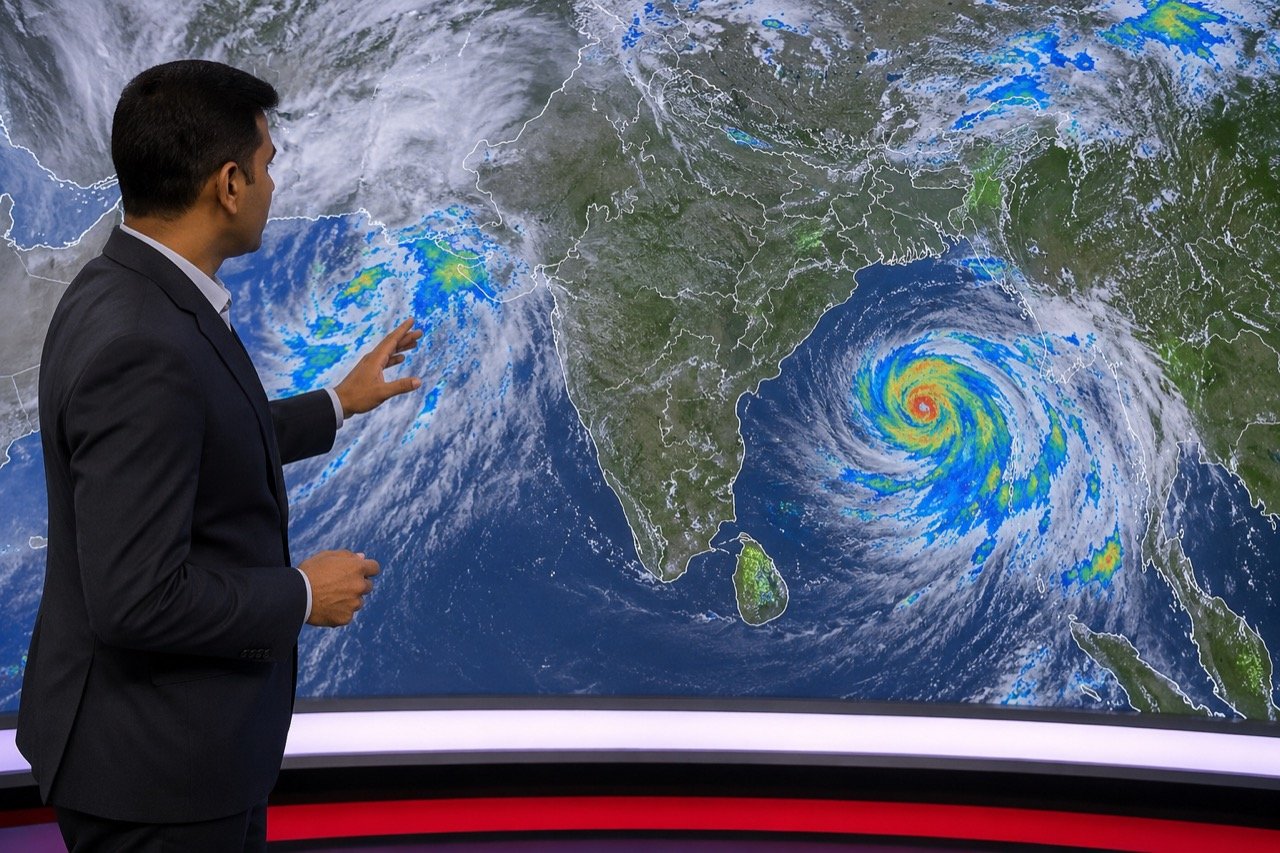
Bay of Bengal Low Pressure System Revives Monsoon Over Western India
A low-pressure system over the Bay of Bengal has pushed the monsoon back into an active phase, bringing steady heavy rain to Kerala, coastal Karnataka and Maharashtra, and putting Mumbai and Pune on preparedness watch.
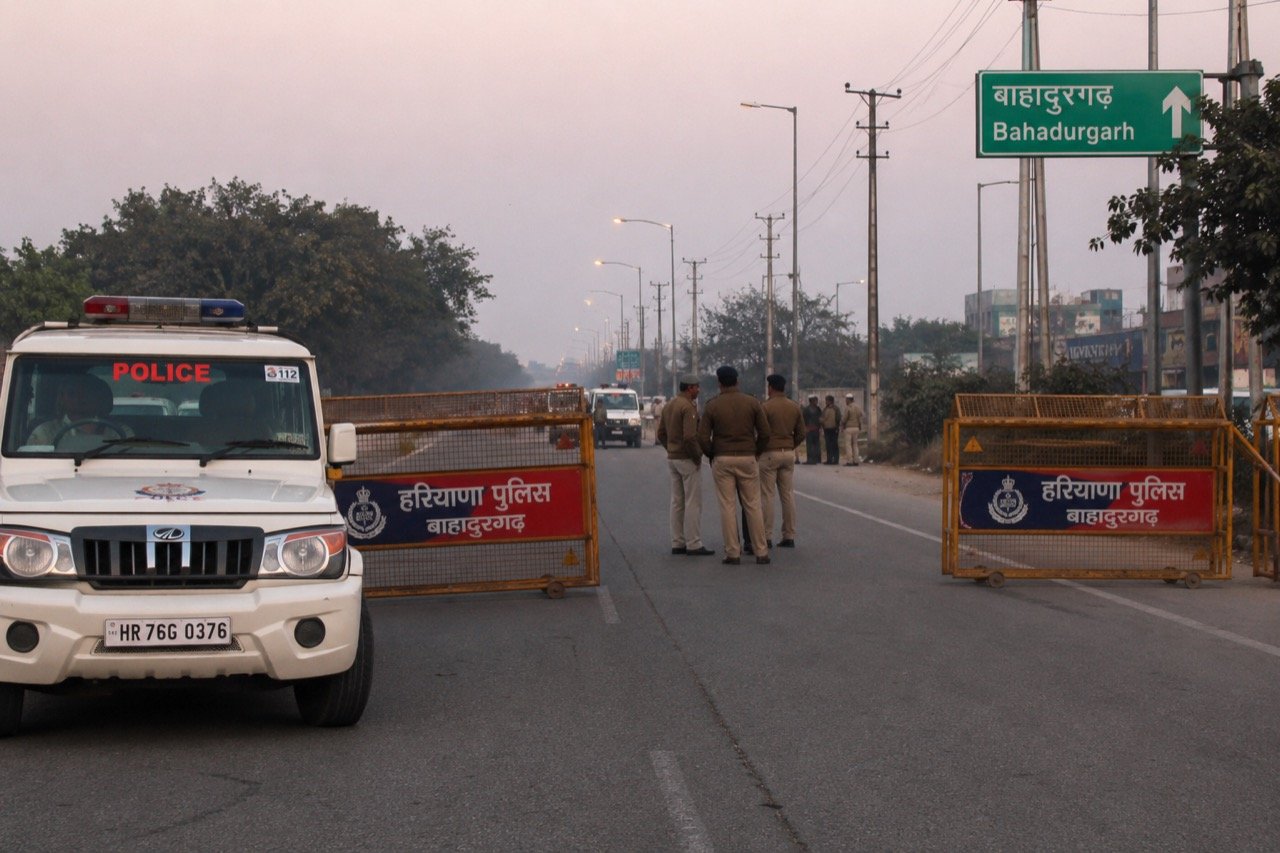
Bishnoi Gang Suspects Injured in Haryana Encounter as Police Tighten Net
A joint Haryana-Delhi Police operation in Bahadurgarh left two suspected Lawrence Bishnoi gang members injured, spotlighting the multi-state coordination now central to India's fight against organised crime networks.