Indian Worker Stabbed in Utah Religious Hate Attack as Police Investigate Attempted Murder
An Indian Muslim man working at a shopping mall near Salt Lake City was stabbed repeatedly in an attack that local police say was motivated by religion.
Commentary & Analysis ·
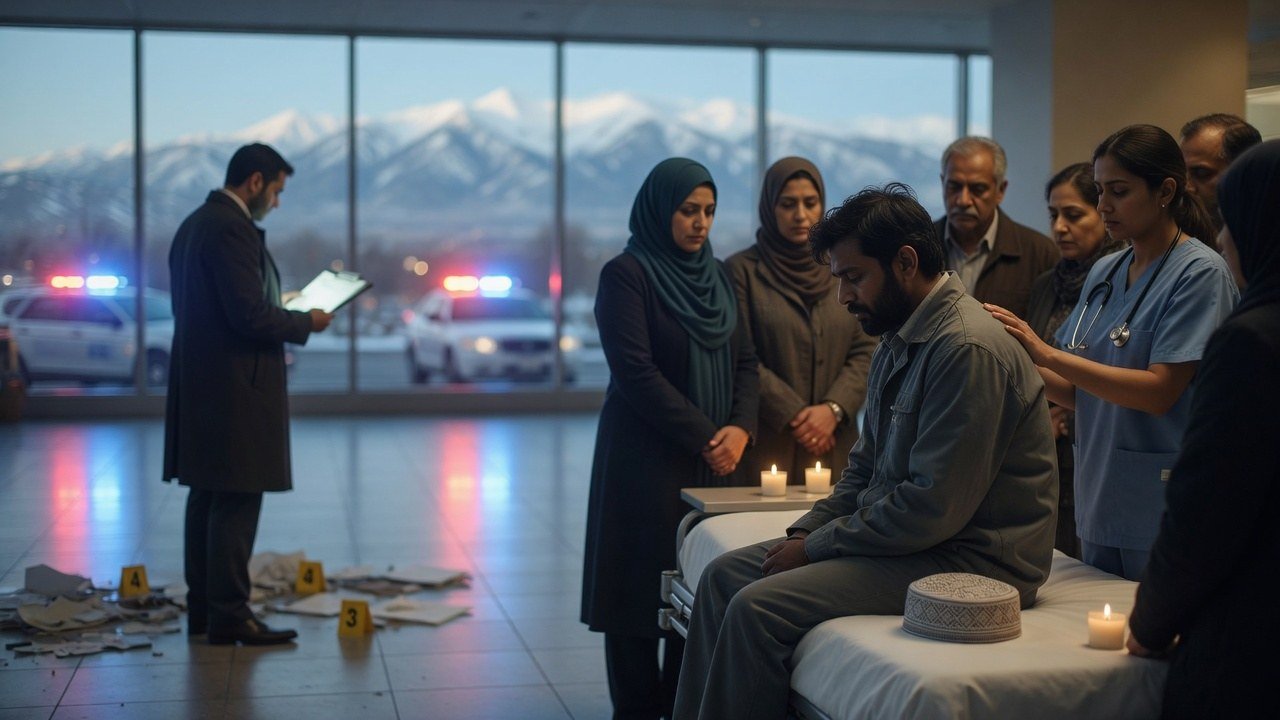
Key facts
- Police say a Muslim man working at Valley Fair Mall in Utah was targeted after the attacker asked about his religion.
- The victim, identified in Indian reports as Syed Sohailuddin, survived more than 15 stab wounds and underwent surgery.
- A suspect, Peter Michael Larsen, was arrested and held as authorities considered attempted-murder and hate-related charges; the Indian Consulate offered assistance.
A workplace attack with an alleged religious motive
An Indian Muslim man working at a shopping mall near Salt Lake City was stabbed repeatedly in an attack that local police say was motivated by religion. Witnesses intervened and helped stop the assault, and the victim survived after surgery despite suffering more than 15 wounds. Indian reports have identified him as Syed Sohailuddin, while spelling has varied across early coverage. The suspect, Peter Michael Larsen, was arrested. Authorities have described statements indicating that the victim was selected because he was Muslim. Because charging decisions may evolve, reports should distinguish between police allegations, arrest grounds and any final conviction. The central confirmed concern is that an ordinary workday became a near-fatal act of targeted violence.
Why the hate element changes the case
A violent assault is already a serious crime. An alleged religious motive adds harm to a wider community because it communicates that people may be attacked for identity rather than individual conduct. Hate-crime frameworks can allow prosecutors to reflect that broader impact, although the exact law and available enhancements vary by jurisdiction. Investigators will examine statements, witness accounts, digital records and the suspect's history. Public commentary should not get ahead of that evidence. At the same time, police statements about motive deserve attention because ignoring identity can obscure why the attack occurred. The correct approach is neither speculation nor erasure, but careful attribution to the investigating authorities.
The Indian diaspora response
The attack has resonated in India and among Indian communities in the United States because migrants often work in public-facing jobs where they may be exposed to strangers' prejudices. Religious identity, accent, clothing and name can become targets. The Indian Consulate in San Francisco said it was in contact with the family and local authorities. Consular assistance can include communication, documentation and support in navigating local systems, though it cannot replace the US criminal process. Community organisations may also help with medical expenses, legal guidance and emotional support. The victim's recovery should remain central, and fundraising or personal details should be verified before being amplified.
Bystanders played a critical role
Reports indicate that witnesses intervened and disarmed or restrained the attacker before police arrived. Bystander action can save lives, but public guidance should avoid encouraging untrained people to take unnecessary risks. Effective intervention may include calling emergency services, alerting security, creating distance, recording useful information or providing first aid when the scene is safe. In this case, immediate action appears to have limited further harm. Malls and other workplaces should review emergency response, staff training and communication systems after such an incident. Security planning cannot eliminate hate, but it can reduce the time between an attack and medical help.
The danger of rhetoric becoming permission
Hate violence rarely emerges from one social-media post, yet repeated dehumanising language can create an environment in which unstable or violent individuals believe targeted groups are legitimate enemies. Political and religious leaders have a responsibility to condemn attacks without qualification. That does not mean assigning collective blame to an entire country or political movement. It means recognising that public rhetoric has consequences. Online platforms should enforce rules against direct threats and organised harassment, while law enforcement should take credible warnings seriously. Communities also need spaces for interfaith solidarity so that fear does not isolate victims further.
Medical recovery may be long
Surviving multiple stab wounds can require repeated procedures, rehabilitation and psychological support. Early reports often describe a victim as stable or critical without capturing the uncertainty ahead. Newsrooms should avoid pressing family members for constant updates or publishing graphic images. Employment and insurance questions may become significant if the victim cannot return to work. Community support should therefore consider long-term needs rather than only the immediate hospital period. Trauma can affect witnesses and coworkers as well. A workplace response should include counselling, safety review and protection from further harassment.
Reporting identity-based violence responsibly
Coverage should use the victim's name only when publicly confirmed and appropriate, and should be cautious with photographs obtained from fundraising pages. Reports should not reproduce anti-Muslim slurs unnecessarily. The suspect's alleged motive must be attributed to police or court records. It is also important to correct early errors, including inconsistent spellings and casualty descriptions. Social-media users should avoid sharing unverified claims about immigration status, political affiliation or prior incidents. A fast-moving hate-crime story attracts misinformation because it carries strong emotion. Accuracy is one form of respect for both the victim and the legal process.
What justice and solidarity require
The criminal case will determine charges and responsibility through evidence. The social response has a different but related task: ensuring that Muslim workers and other minorities do not feel abandoned after a targeted attack. Consular engagement, community support and clear condemnation are immediate steps. Longer-term work includes hate-crime reporting systems, workplace safety and public education. The attack is trending in India because the victim is Indian and the alleged motive touches a global concern. Its importance should not fade when the headline cycle moves on. Attention should follow the victim's recovery, the prosecution and any institutional lessons from the failure to prevent a man from being attacked simply for answering a question about his faith.
Sources
- Associated Press - Utah stabbing described as religion-motivated attack (16 July 2026)
- The Indian Express - Indian national stabbed in Utah mall and consular response (16 July 2026)
- India Today - Utah mall attack update (16 July 2026)
This article is original news analysis and commentary by The NE Times, based on reporting from the sources listed above.
You may also like to read
UN Inquiry Led by Indian Jurist Says Israel Deliberately Targeted Gaza's Children
A United Nations commission chaired by former Indian judge Srinivasan Muralidhar has concluded that Israel continues to commit genocide by deliberately targeting Palestinian children, in a 94-page report that names a death toll of more than 20,000 minors.
New York Carriage Bill Renamed Romanch's Law After Indian Teen's Death
A New York City bill to phase out horse-drawn carriages has been renamed Romanch's Law in memory of Romanch Mahajan, an 18-year-old Indian who died after a Central Park accident.
US Citizenship Fee Hike Proposal Could Hit Indian Immigrants Hard
A proposed near-doubling of the US naturalisation fee, alongside the removal of waivers, threatens to reshape citizenship timelines and household budgets for one of America's largest immigrant communities.
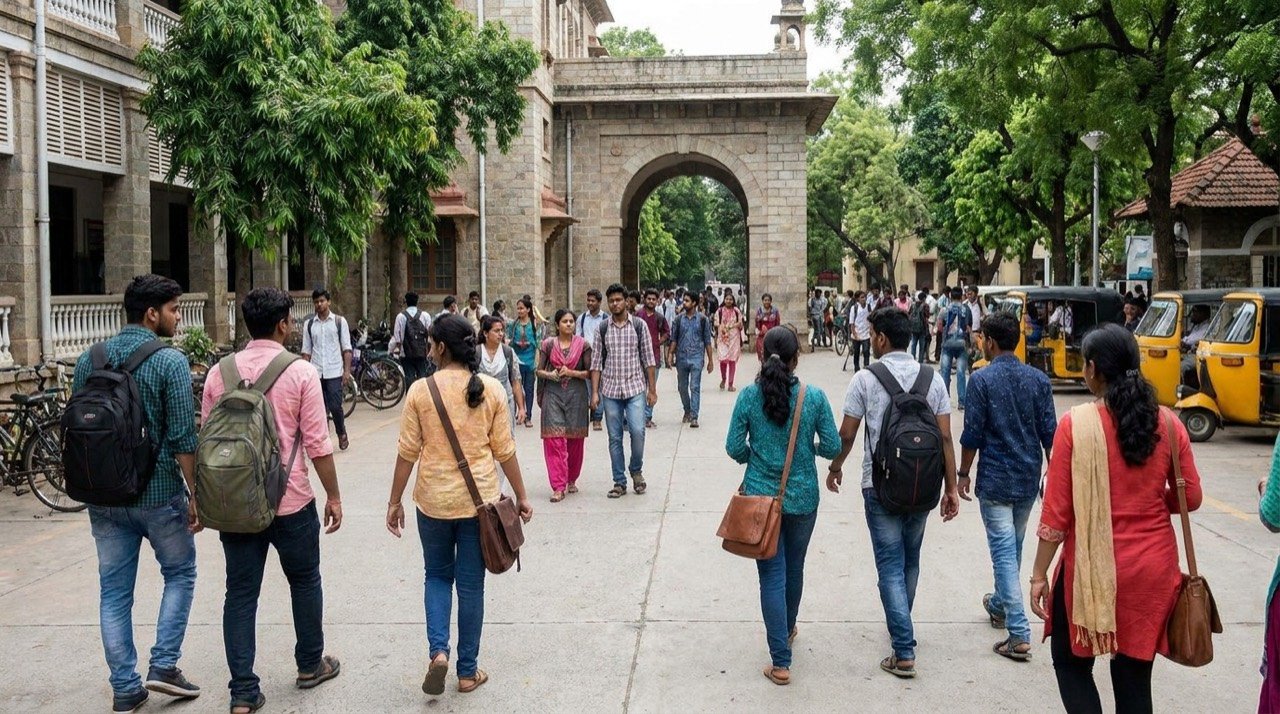
US Moves to End Open-Ended Student Stays, Putting 3.6 Lakh Indian Students on Notice
A US proposal to replace indefinite student status with fixed admission periods and a shorter post-study grace window threatens to reshape choices for the nearly 3.6 lakh Indians who form America's largest international student population.
More from this section
More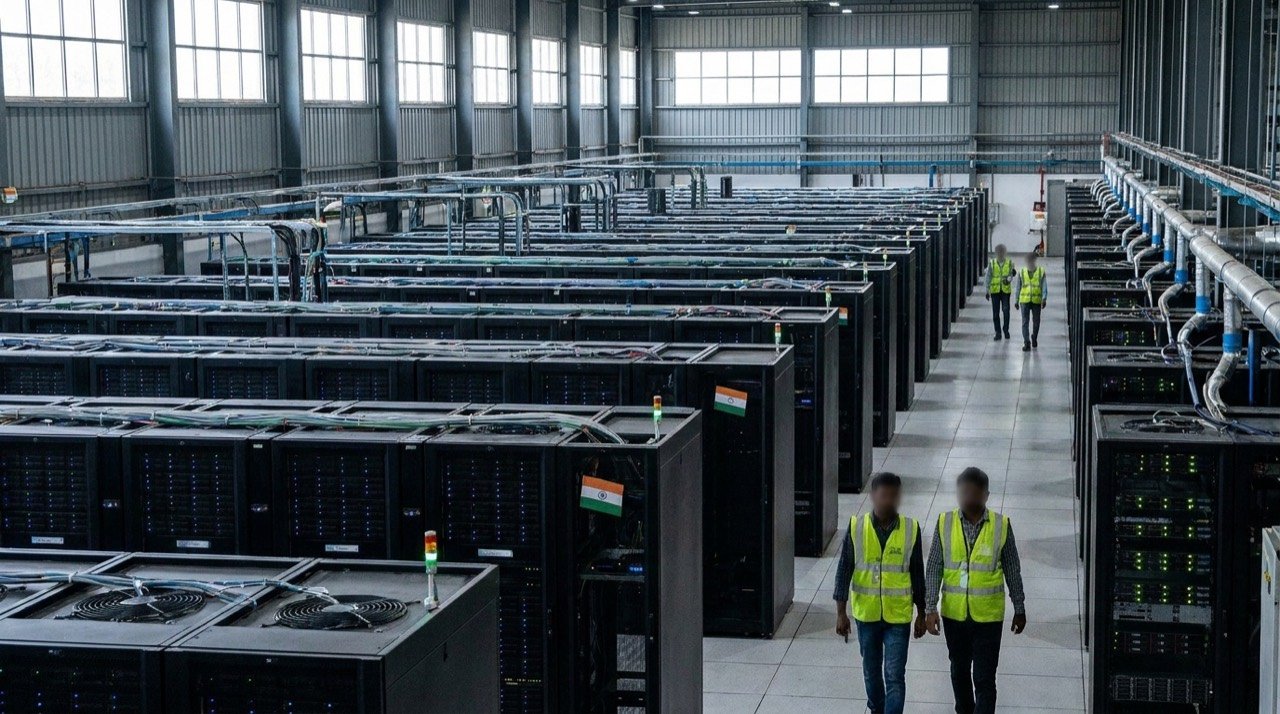
China's LineShine Dethrones US as World's Fastest Supercomputer, Sharpening India's AI Resolve
China has reclaimed the top spot on the global supercomputing rankings with an all-domestic machine running at over two exaflops, a milestone in the US-China tech contest that underscores why India is racing to build its own sovereign computing power.
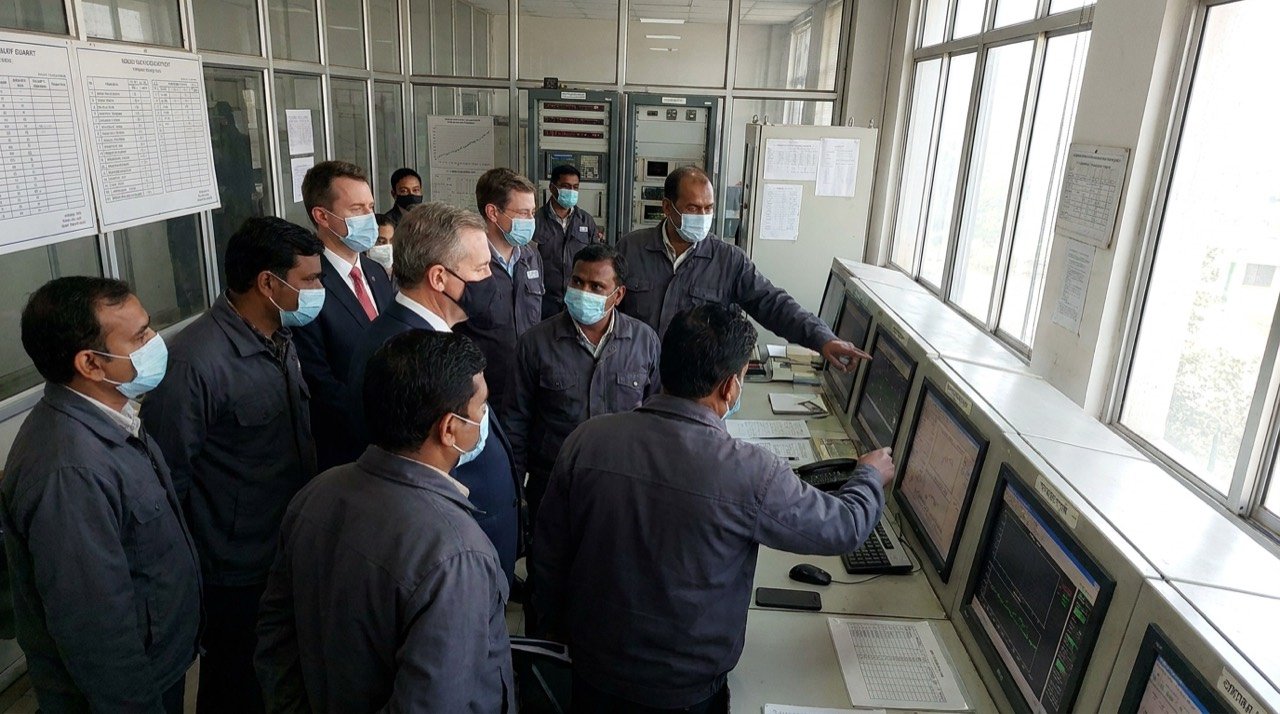
Iran-IAEA Inspection Standoff Tests Fragile Truce, With India Watching Its Energy Stakes
The UN nuclear watchdog insists inspectors will return to Iran's enrichment sites under an interim US-Iran deal, but Tehran says access waits for a final agreement, leaving Indian importers eyeing both oil flows and the Strait of Hormuz.
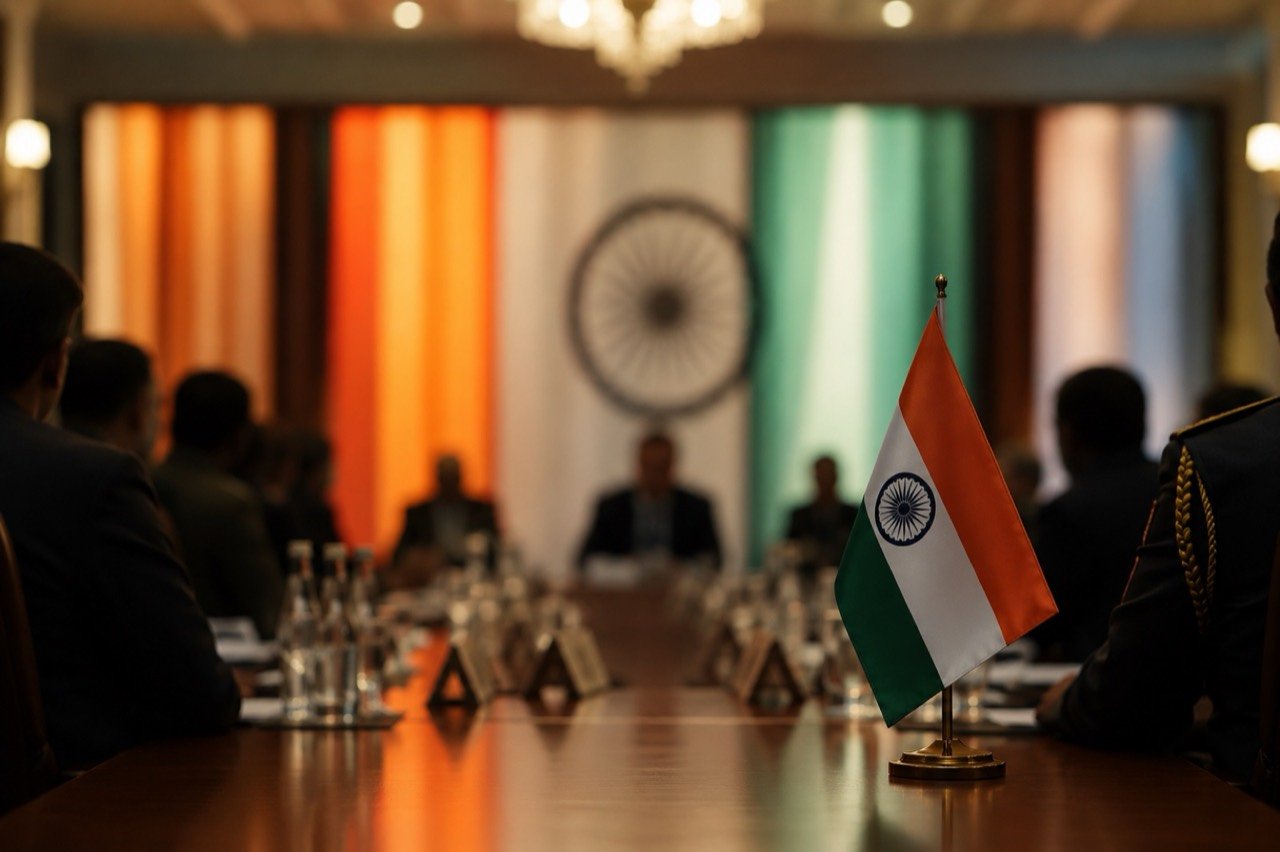
BRICS Security Talks Open in India With Non-Traditional Threats in Focus
India hosts the BRICS National Security Advisers' meeting on 22-23 June 2026, with NSA Ajit Doval chairing talks on terrorism, cyber risks, emerging technology and regional instability amid Middle East tensions.