Indian Navy Commissions Three Indigenous Ships in Kolkata as Modi Hails Defence Self-Reliance
The Indian Navy has inducted three home-built vessels, INS Dunagiri, INS Agray and INS Sanshodhak, in Kolkata, adding surface combat, anti-submarine and survey capability in one ceremony.
Commentary & Analysis ·
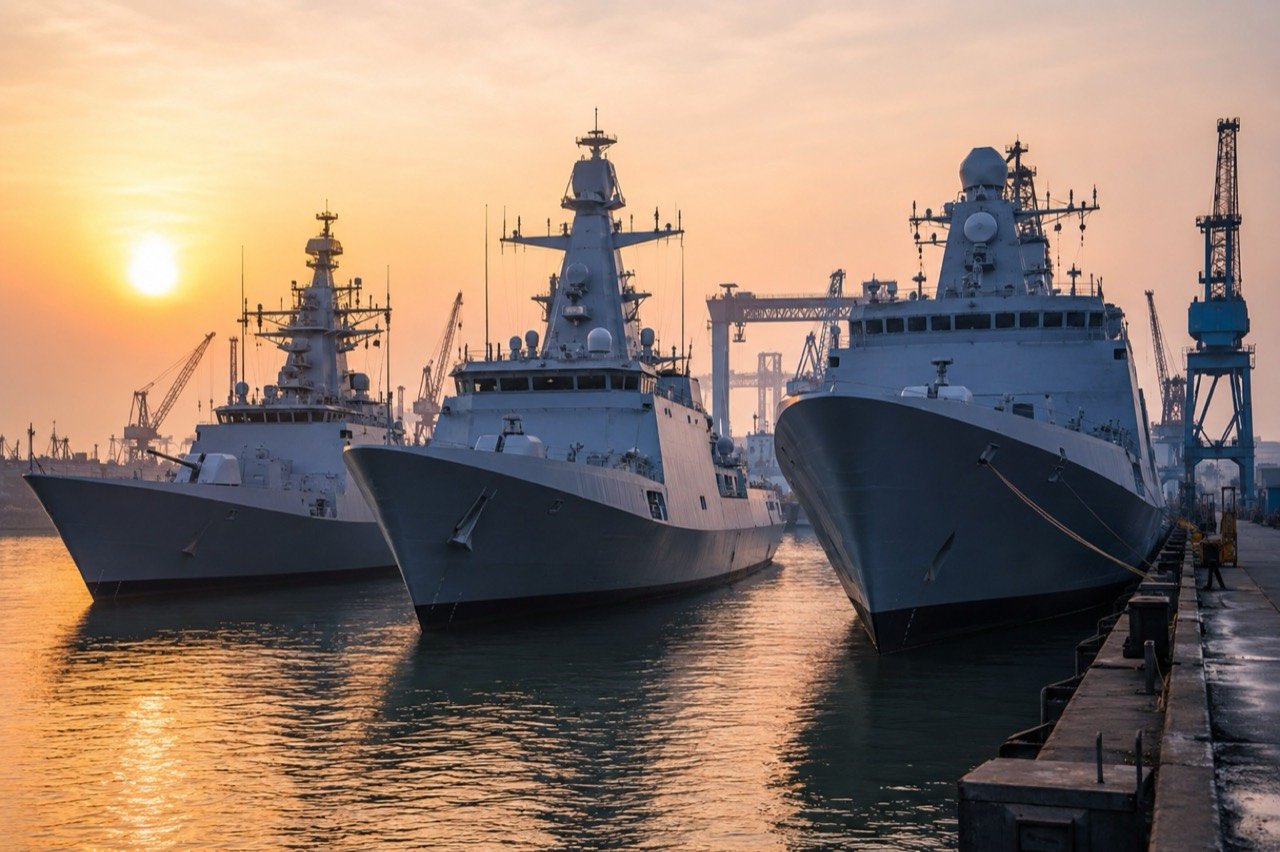
The Indian Navy added three indigenously built vessels to its fleet in a single Kolkata ceremony, commissioning the stealth frigate INS Dunagiri, the anti-submarine shallow-water craft INS Agray and the hydrographic survey vessel INS Sanshodhak. The triple induction adds three distinct capabilities at once and was used by Prime Minister Narendra Modi to underscore India's transition from defence buyer to defence builder.
Three ships, three different roles
What makes the commissioning notable is the breadth of capability inducted together. INS Dunagiri is a stealth frigate built for blue-water surface combat, the kind of frontline warship that anchors a carrier or task group. INS Agray is an anti-submarine warfare craft optimised for shallow coastal waters, plugging a gap in close-in undersea defence.
INS Sanshodhak, by contrast, is a hydrographic survey vessel, designed for modern seabed mapping and charting, work that underpins safe navigation, port development and naval operations alike. Together the trio reflects a deliberate move to add specialised platforms rather than simply more tonnage.
Built at home, with Indian industry
The ships were built by Garden Reach Shipbuilders & Engineers, the Kolkata-based public-sector yard, with reports citing high indigenous content and participation from Indian industry and MSMEs across the supply chain. That domestic footprint is central to the government's pitch: warship construction generates skilled jobs, deepens an industrial ecosystem and reduces dependence on foreign suppliers.
At the ceremony, Prime Minister Modi framed the induction as proof that India would no longer be a mere buyer of defence hardware, positioning shipbuilding as a flagship of the wider self-reliance, or atmanirbhar, push.
What it means for maritime security
Strategically, the commissioning speaks to the layered challenges of the Indian Ocean Region, where threats range from surface and submarine activity to the demands of mapping vast and contested waters. Adding a frigate, an anti-submarine craft and a survey vessel simultaneously gives the Navy a more rounded toolkit for that environment.
- INS Dunagiri: a stealth frigate for blue-water surface combat.
- INS Agray: an anti-submarine shallow-water craft for coastal defence.
- INS Sanshodhak: a hydrographic survey vessel for seabed mapping.
- All three were built by Garden Reach Shipbuilders & Engineers with high indigenous content.
- PM Modi cast the induction as a marker of India's defence self-reliance.
“India will not remain a mere buyer of defence equipment; we are becoming a builder and a provider.”
— Prime Minister Narendra Modi
The induction signals an ambition that goes beyond a single day's headlines. By expanding through specialised, home-built platforms, the Navy is positioning itself for sustained growth in a region where maritime competition is intensifying, and where the ability to design and build warships at home is becoming as important as the ships themselves.
The NE Times View
Commissioning three home-built warships in one ceremony is a genuine milestone for Atmanirbhar Bharat and for Kolkata's shipyards. The harder question is sustainment: indigenous hulls still depend on imported engines, sensors and weapons, and self-reliance is hollow if the critical systems remain foreign. Real defence sovereignty will be measured in deep supply chains, not commissioning-day optics.
This article is original commentary and analysis by The NE Times. Background facts were referenced from The Indian Express and The Times of India.
You may also like to read
PM Modi Begins Three-Nation Indo-Pacific Tour on July 6
Prime Minister Narendra Modi travels to Indonesia, Australia and New Zealand from July 6 to 11 in a trip New Delhi frames as a concerted push to deepen India's strategic footprint across the Indo-Pacific.

CBSE Three-Language Policy Reaches Supreme Court as Schools, Parents and Teachers Raise Practical Concerns
The Supreme Court is hearing challenges to CBSE's Class 9 three-language policy, balancing multilingual education with concerns over teachers, books, choice and implementation timelines.
India Orders Real-Time Tracking of Ships Carrying Indian Crews After Deadly Strait of Hormuz Attacks
India has ordered a vessel-by-vessel dashboard for ships carrying Indian crews after attacks in the Strait of Hormuz killed one Indian and injured others amid escalating West Asia conflict.
PM Modi Begins Ghana, Trinidad and Argentina Tour on July 6
Prime Minister Narendra Modi departs on July 6 for a three-nation tour of Ghana, Trinidad and Tobago and Argentina, folding Africa, the Caribbean and Latin America into one diplomatic push.
More from this section
More
AICTE Industry Fellowship 2026: Rs 1.5 Lakh Scheme Closes July 5
The AICTE Industry Fellowship Programme 2026, which places technical-education faculty inside leading companies on a Rs 1.5 lakh monthly stipend, reached its application deadline on July 5.
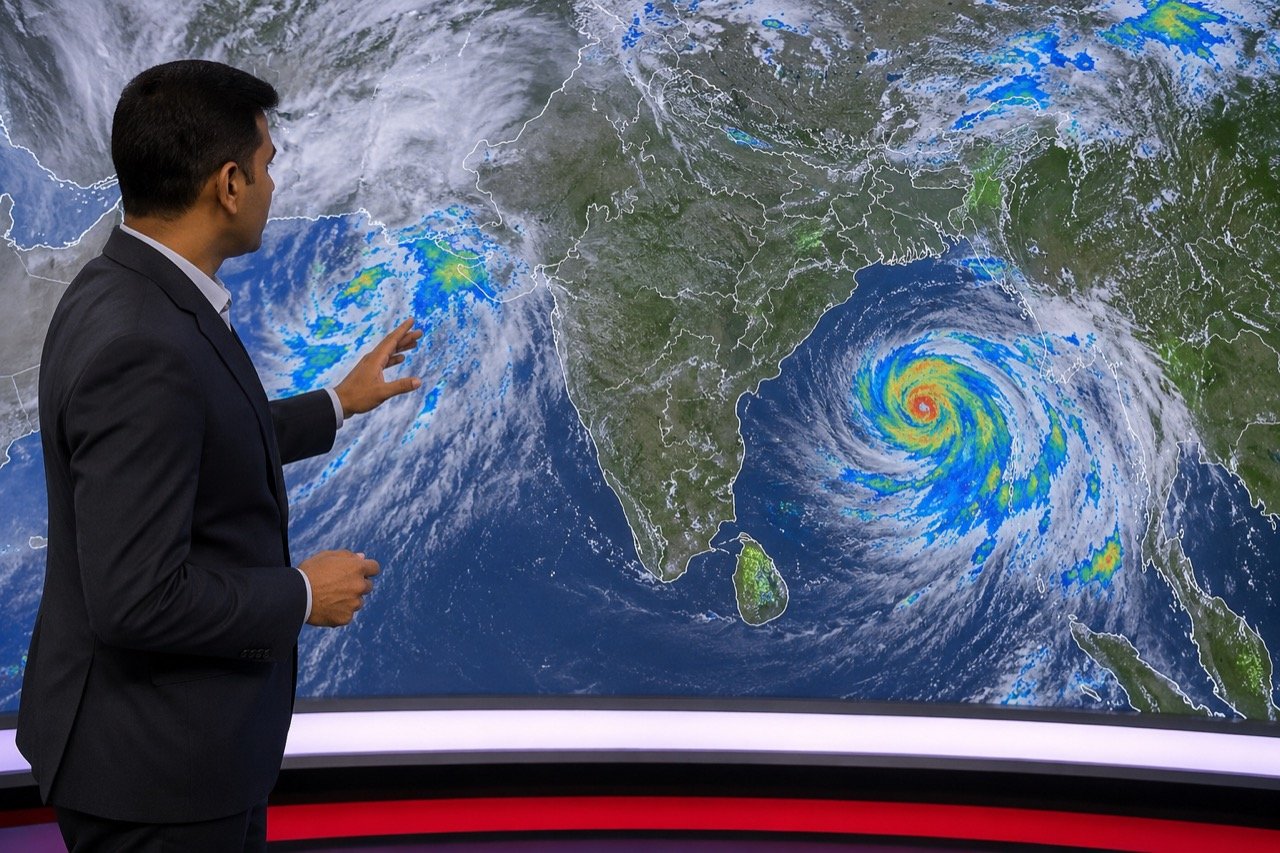
Bay of Bengal Low Pressure System Revives Monsoon Over Western India
A low-pressure system over the Bay of Bengal has pushed the monsoon back into an active phase, bringing steady heavy rain to Kerala, coastal Karnataka and Maharashtra, and putting Mumbai and Pune on preparedness watch.
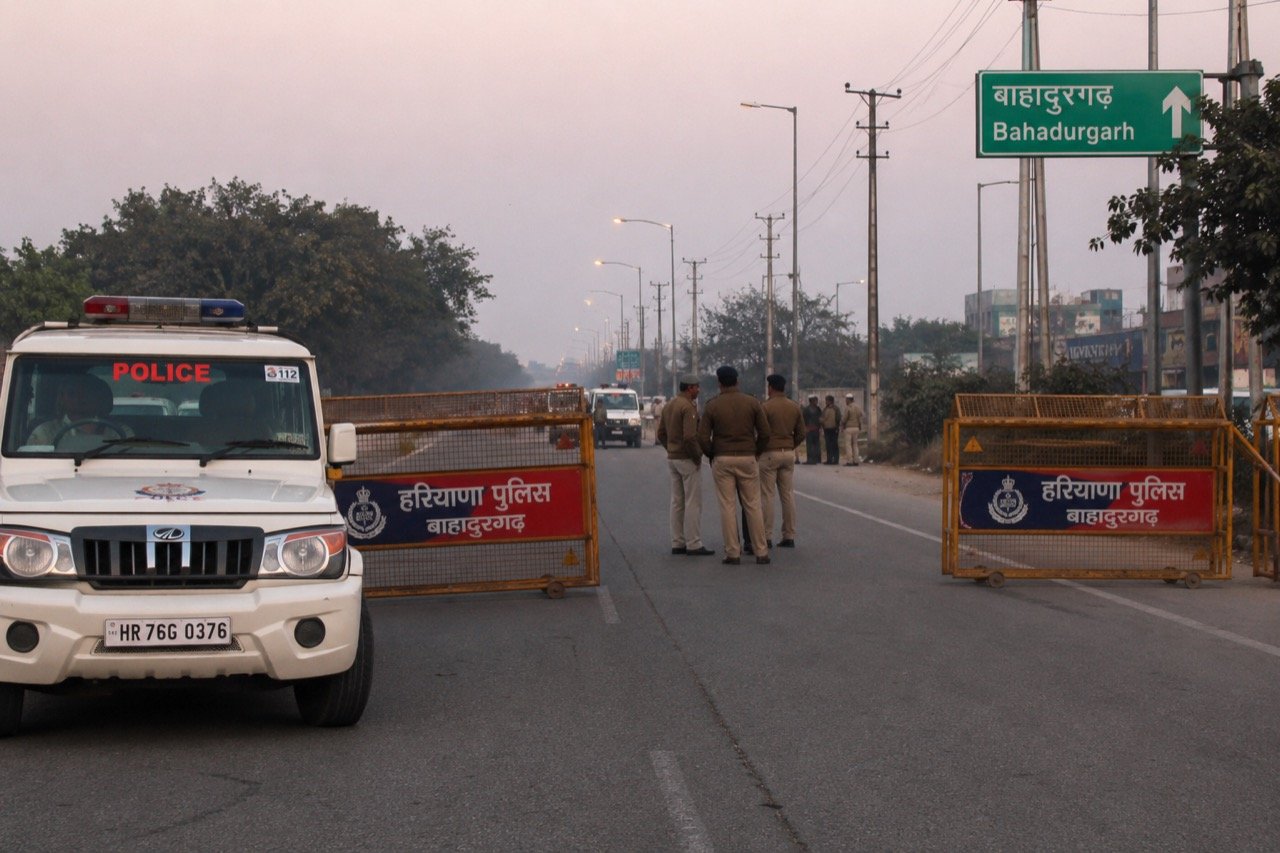
Bishnoi Gang Suspects Injured in Haryana Encounter as Police Tighten Net
A joint Haryana-Delhi Police operation in Bahadurgarh left two suspected Lawrence Bishnoi gang members injured, spotlighting the multi-state coordination now central to India's fight against organised crime networks.