Lighter, Louder, Worn Again: India's 2026 Bridal Jewellery Rethink
The heavy gold neckpiece is ceding ground to oversized chandbalis, layered chokers and pieces brides actually intend to wear after the wedding. Welcome to the age of practical luxury.
Commentary & Analysis ·
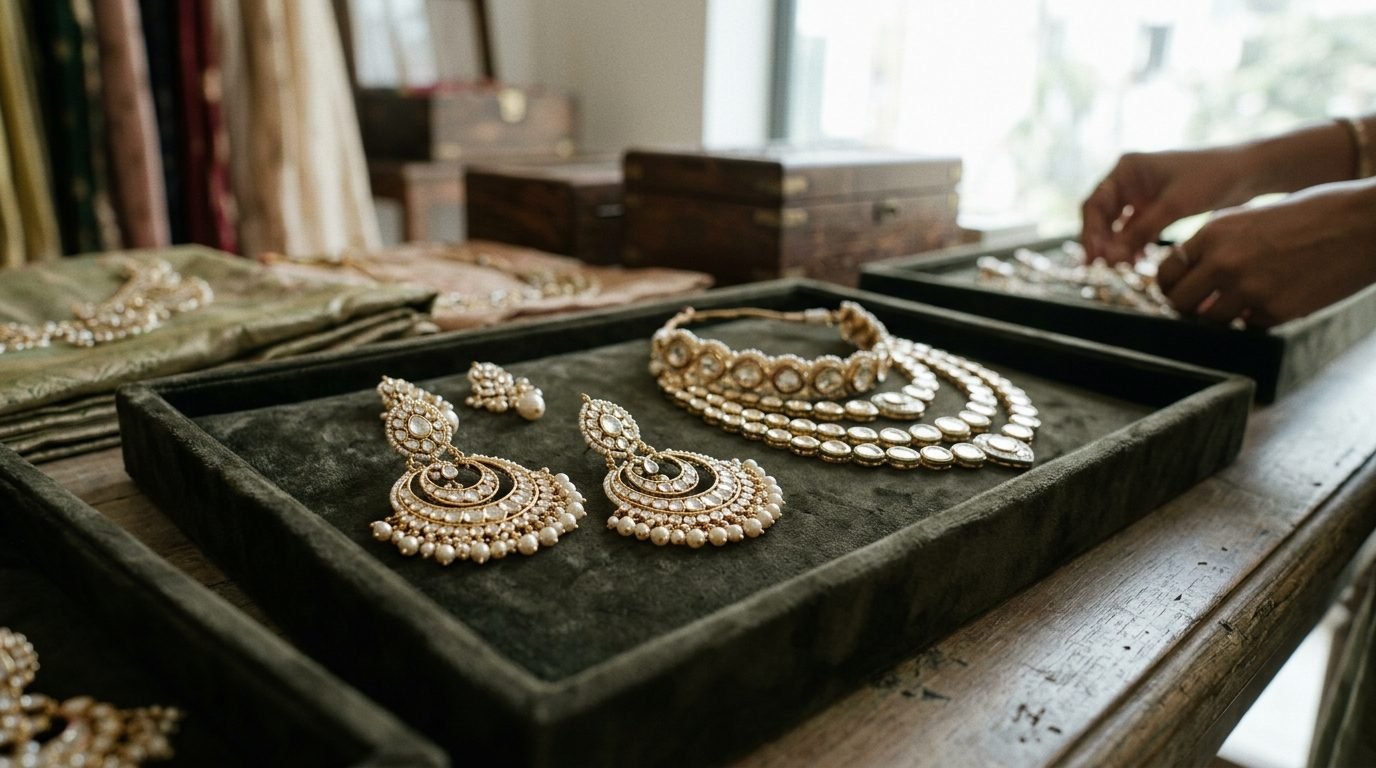
For decades the centrepiece of an Indian bridal look was, quite literally, central: a heavy gold necklace, the heirloom that anchored the outfit and the ceremony alike. In 2026, that gravitational pull is shifting upward, to the ears, and outward, to a philosophy that prizes comfort, versatility and a long second life over sheer weight.
Designers and jewellers describe the dominant mood of the year as practical luxury, a deceptively simple idea with sweeping consequences. The modern bride, the thinking goes, no longer wants jewellery destined to spend its life in a locker after a single wedding day. She wants pieces that feel grand on the day and remain wearable long after, and that desire is quietly redrawing the entire bridal jewellery box.
The rise of the statement earring
The clearest signal of the shift is the migration of drama from the neck to the ears. Statement earrings are now the focal point of many bridal looks, with oversized jhumkas, chandbalis and gemstone drops standing in for the bulky neckpiece. The crescent-shaped chandbali in particular has graduated from classic to essential, with oversized versions studded with Polki diamonds designed to sway majestically with every step.
Crucially, these pieces are engineered to be lightweight yet dramatic, built for brides who must survive a marathon of ceremonies without the neck and shoulder ache that a traditional heavy set guarantees. The effect is high impact and low burden, exactly the trade-off this year's brides are demanding.
Chokers, temple gold and the hands
Where necklaces do appear, they are getting bolder and more architectural. Chokers are being layered with uncut Polki diamonds and pearls and designed specifically to frame the face. Temple jewellery, with its earthy, soulful character, is being adopted by north Indian and fusion brides for pre-wedding ceremonies and, increasingly, the main day itself.
Attention is also returning to the hands. The hathphool, a bracelet linked by delicate chains to rings across the fingers, has become one of the year's most-requested pieces, a single ornament that turns the hand into a focal point during the rituals where it is most on display.
A softer, more personal palette
The colour story is changing too, moving beyond the long-dominant red-and-green to gentler registers. Pastel-toned Polki and kundan sets in mint, blush and powder blue are giving brides a softer, more contemporary register, while velvet is resurfacing in trousseaus, reworked with sequins and metallic threads for a richer texture.
- Oversized chandbalis and jhumkas as the look's main event, often in lightweight Polki.
- Layered chokers that frame the face rather than weigh down the chest.
- Temple jewellery crossing over from pre-wedding functions to the main ceremony.
- The hathphool and statement rings turning the hands into a design focus.
- Pastel kundan and Polki in mint, blush and powder blue alongside revived velvet.
Heritage that earns its keep
What ties these threads together is a generational redefinition of what bridal jewellery is for. Today's Indian bride still wants pieces that honour heritage, but she also wants them to feel contemporary, lightweight and personal, and, above all, to be worn again. The statement earring she chooses for the wedding is expected to reappear at a friend's reception or a festive dinner; the layered choker is bought with versatility in mind.
It is a pragmatic, almost investment-minded approach to ornament, and it marks a real departure from the locker-bound heirloom of old. As the 2026 wedding season unfolds, the most coveted bridal jewellery is not necessarily the heaviest or the most expensive, but the cleverest: grand enough for the biggest day of a life, and light enough to keep showing up long after the mandap is cleared away.
The NE Times View
Bridal jewellery that brides will actually wear again is a sensible rebuke to an industry built on single-use opulence. Lighter, bolder pieces reflect changing economics as much as taste: gold is dear, and younger buyers want value beyond the wedding album. It is a maturing market, prizing wearability over weight. The heritage neckpiece will survive, but the future clearly belongs to jewellery that earns its keep after the mandap.
This article is original commentary and analysis by The NE Times. Background facts were referenced from Vogue India and Times of India Lifestyle.
You may also like to read
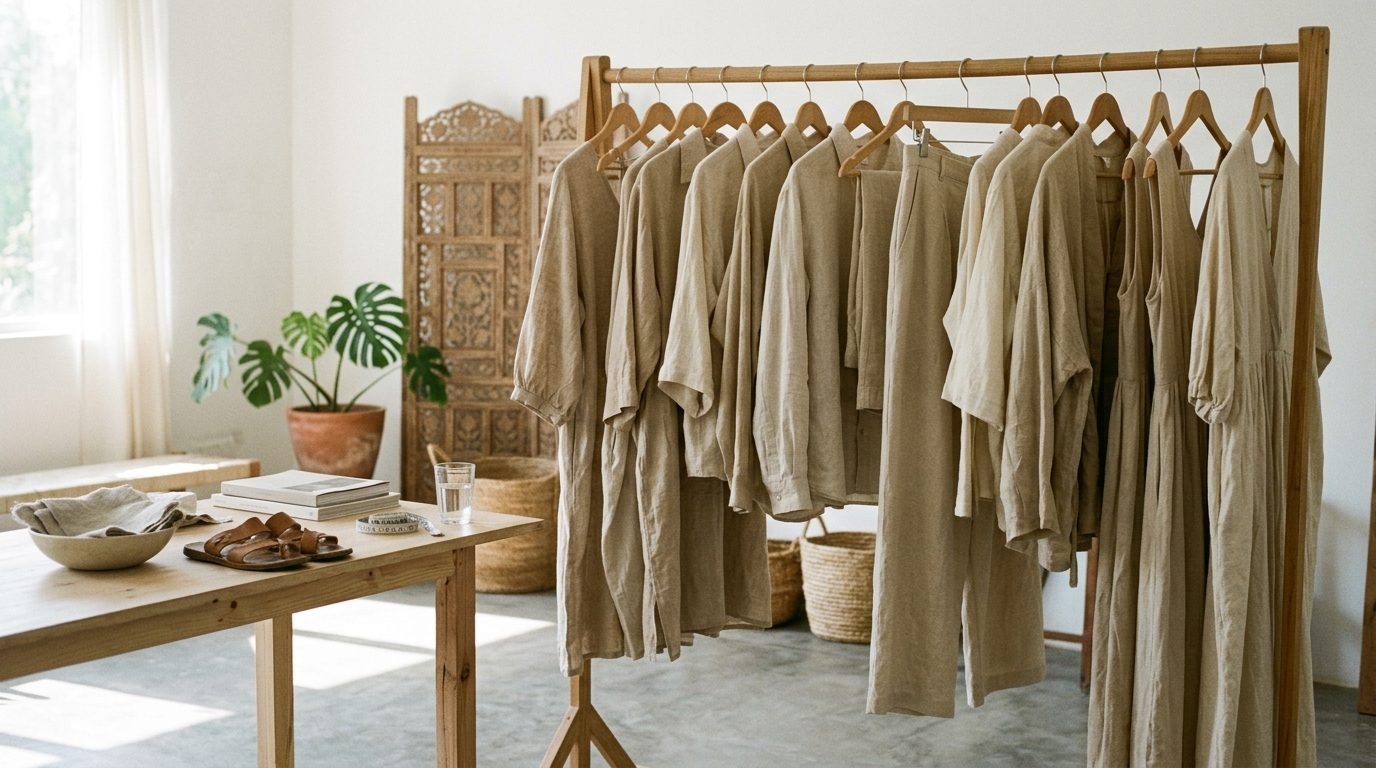
One Colour, No Fuss: The Monochrome and Oversized Look Defining Indian Summer 2026
Tonal dressing and relaxed, loose silhouettes are pushing fussy layering aside - and making getting dressed feel easy again.
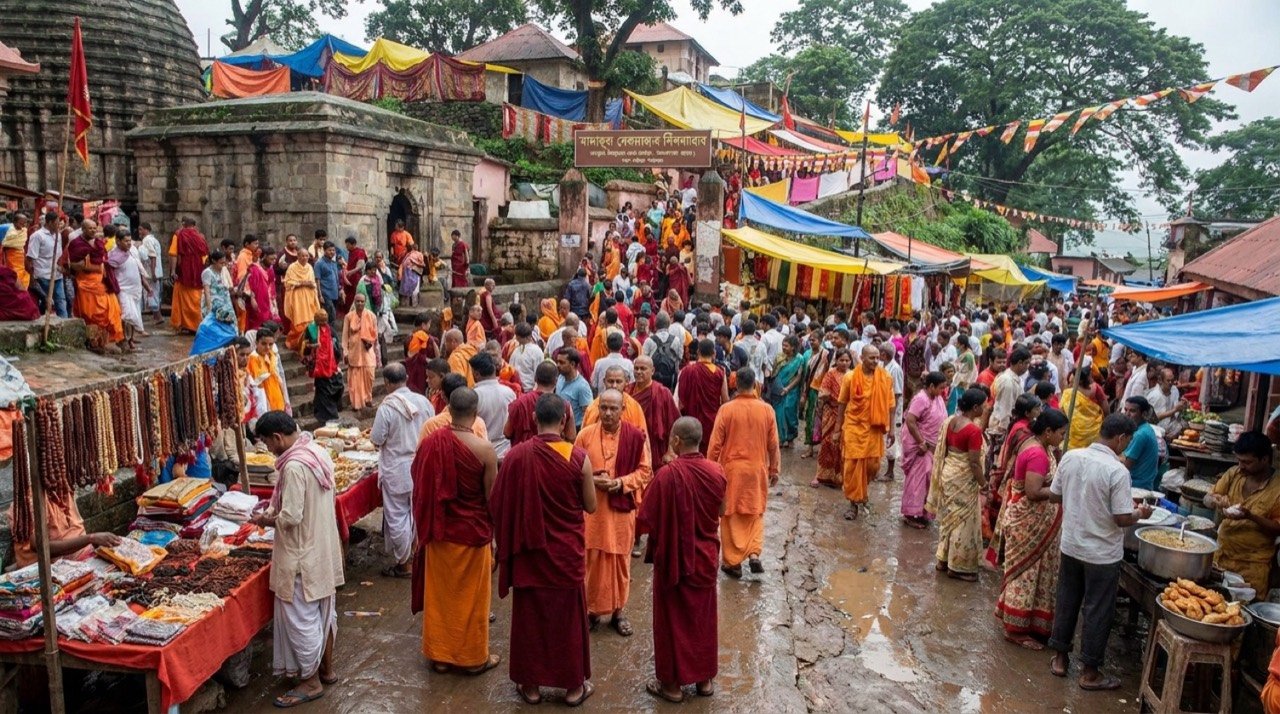
Ambubachi Mela Opens at Kamakhya Temple, Drawing Pilgrims and Livelihoods
The annual Ambubachi Mela at Guwahati's Kamakhya Temple has begun, drawing lakhs of pilgrims, sadhus and traders to one of India's most revered Shakti Peethas on Nilachal Hill.
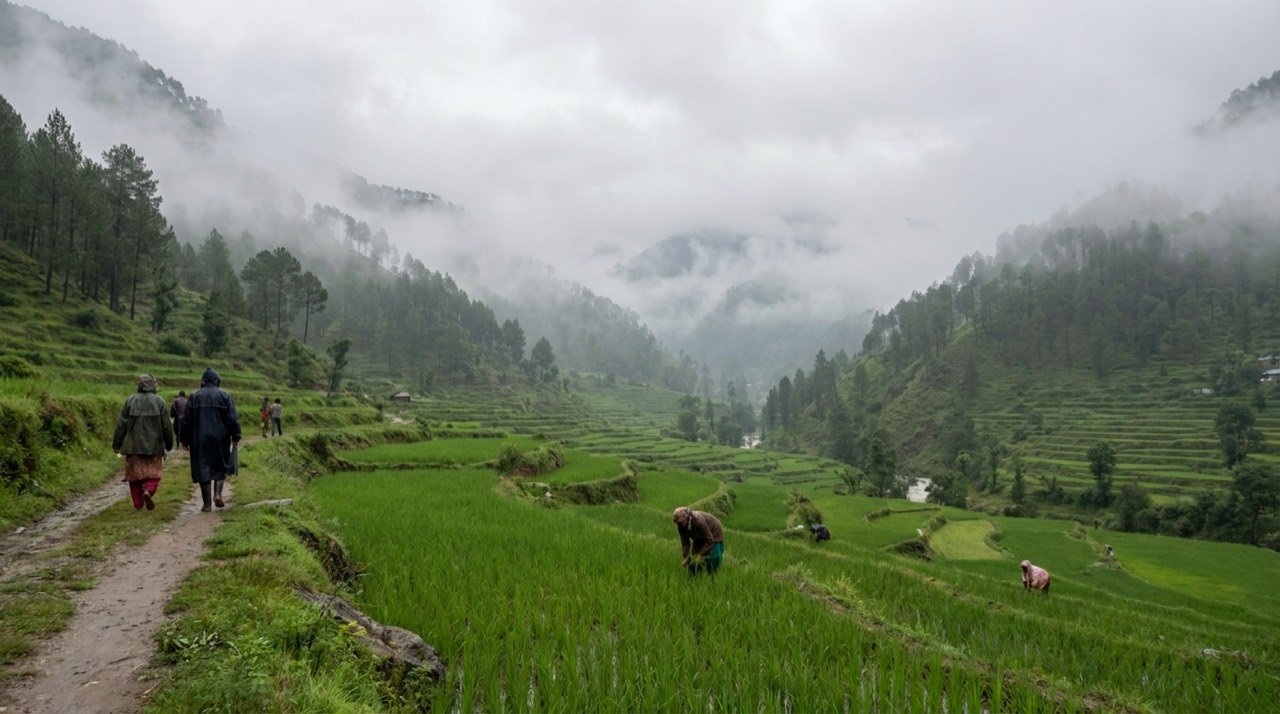
Misty Valleys and Cheaper Fares: India's Offbeat Monsoon Travel Boom in 2026
With domestic fares falling sharply and travellers seeking solitude, offbeat Himalayan hamlets, the rain-soaked Northeast and Ladakh's rain-shadow deserts are redrawing India's monsoon travel map in 2026.
Bengaluru Lamborghini-Auto Swap: Entrepreneur's Gesture Goes Viral
A Bengaluru entrepreneur's spontaneous decision to trade seats with an auto-rickshaw driver, putting the cabbie behind a Lamborghini's wheel, has charmed social media and become the city's feel-good story of the week.
More from this section
MoreBengaluru Lamborghini-Auto Swap: Entrepreneur's Gesture Goes Viral
A Bengaluru entrepreneur's spontaneous decision to trade seats with an auto-rickshaw driver, putting the cabbie behind a Lamborghini's wheel, has charmed social media and become the city's feel-good story of the week.
India's Monsoon Plate Returns to Its Roots as Seasonal Eating Goes Mainstream in 2026
From Kerala's ten-leaf stir-fries to jamun, rasam and warming spices, India's monsoon kitchens are blending ancestral ritucharya wisdom with the 2026 obsession with gut health and immunity.
Misty Valleys and Cheaper Fares: India's Offbeat Monsoon Travel Boom in 2026
With domestic fares falling sharply and travellers seeking solitude, offbeat Himalayan hamlets, the rain-soaked Northeast and Ladakh's rain-shadow deserts are redrawing India's monsoon travel map in 2026.