India-US Trade Talks Put Export Gains and Domestic Safeguards in Focus
As India weighs preferential access for the United States, Commerce Minister Piyush Goyal vows to protect national interest while Congress warns a hurried pact could hurt farmers and small producers.
Commentary & Analysis ·
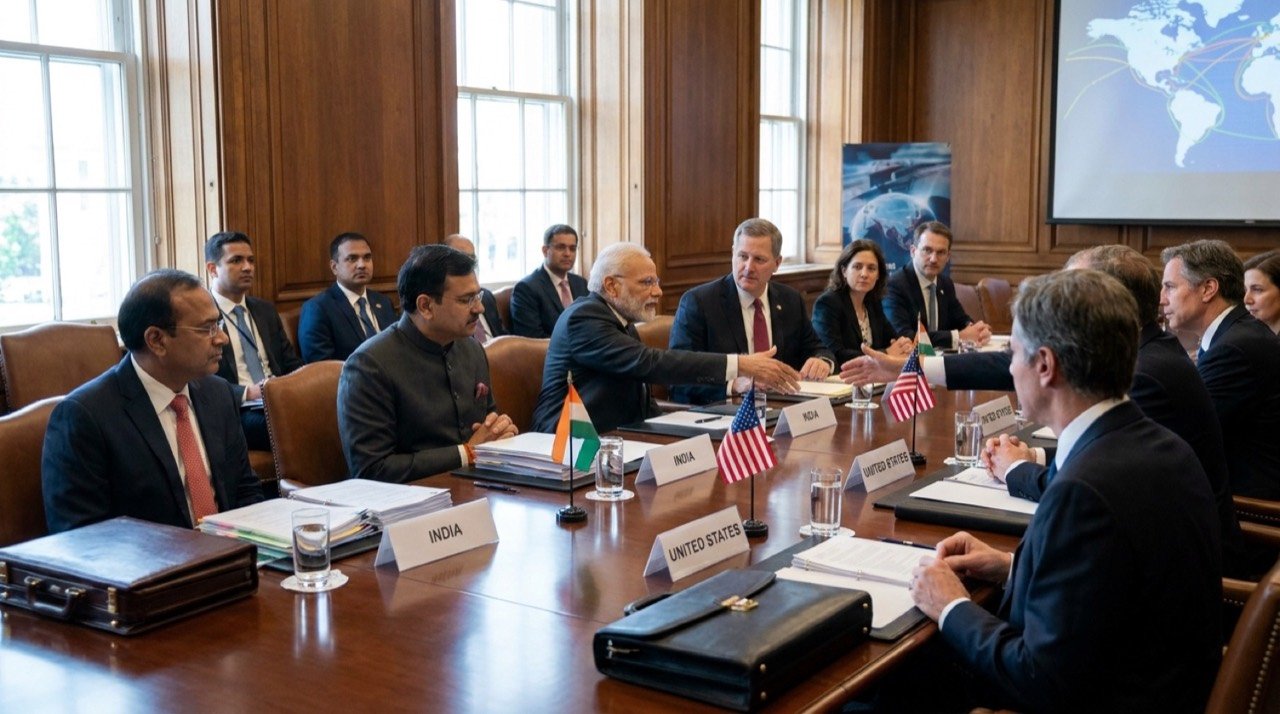
India's trade negotiations with the United States have moved back to the centre of political debate, as officials and opposition voices clash over how much preferential access New Delhi should grant Washington in exchange for better treatment of Indian exports. The argument is no longer purely technical; it has become a test of how the government balances opportunity abroad with protection at home. What might once have been discussed as a matter of tariff schedules and negotiating rounds has become, in effect, a referendum on the government's broader economic philosophy: how far liberalisation should go, and who bears the cost when it does.
The government's position
Commerce Minister Piyush Goyal has been emphatic that India will not concede preferential access at the cost of national interest. The framing is deliberate: it signals to exporters that the government is chasing market openings, while reassuring domestic constituencies that sensitive sectors will not be bargained away under pressure. This is a familiar rhetorical posture in Indian trade diplomacy, one that seeks to occupy both flanks of the debate simultaneously. It allows the government to claim credit for ambition abroad without conceding vulnerability at home, even before the substance of any agreement is settled.
For an administration eager to expand India's export footprint, a deal with the United States offers tangible upside in tariffs, market access, investment flows and supply-chain integration. The appeal is straightforward: preferential treatment in the American market could improve the competitiveness of Indian goods at a moment when global supply chains are being actively reconfigured, and when several economies are courting the same investment that India hopes to attract. The question, as ever in trade negotiations, is the price. Every concession made to secure better access for Indian exporters is, by definition, a concession that could be felt by someone else within the domestic economy.
The opposition's caution
The Congress has warned against a hurried pact, cautioning that moving too quickly could expose farmers, small producers and strategic sectors to competition they are ill-prepared to absorb. The party has urged the government to weigh the long-term consequences rather than rush to announce a headline agreement. This caution is not simply oppositional posturing for its own sake; it reflects a recurring fault line in Indian trade politics, where the interests of large exporters and vulnerable domestic producers do not always align. A deal that flatters the export lobby can, if poorly calibrated, quietly undercut millions of smallholders and small manufacturers who lack the capital or scale to compete against subsidised or more efficient foreign producers.
This tension is hardly new to Indian trade policy. Successive governments, across party lines, have wrestled with the same dilemma when negotiating with the European Union, various regional blocs, and now the United States. The pattern tends to repeat: exporters push for speed and ambition, domestic constituencies push for caution and carve-outs, and the eventual agreement reflects wherever the political calculus settles at the time. What differs this time is the scale of the counterparty. A deal with Washington is not a minor bilateral arrangement; it touches one of India's largest trading partners and carries symbolic weight well beyond its immediate economic terms.
Why it matters
A trade deal with Washington could reshape tariff schedules, open or restrict market access, and influence where global supply chains route their next investments. The stakes extend well beyond any single sector, touching jobs, prices and India's strategic positioning. Several distinct concerns run through the debate simultaneously, and each deserves to be understood on its own terms rather than folded into a single, undifferentiated argument about "openness" versus "protection."
On tariffs, lower duties could boost India's competitiveness in US markets, giving Indian manufacturers and exporters an edge over rivals from other developing economies that lack similar preferential terms. For farmers, however, the concern runs in the opposite direction: exposure to cheaper imports could undercut domestic agricultural prices in a sector that already operates on thin margins and limited safety nets. Small producers, more broadly, have limited capacity to withstand sudden competition, since they typically lack the economies of scale, credit access, or technological sophistication that larger firms can draw upon to adjust quickly. Strategic sectors represent a further category of concern altogether, encompassing areas the government is reluctant to open quickly for reasons that go beyond pure economics and into questions of long-term industrial capacity and self-reliance. Finally, on investment, a stable and well-structured pact could attract supply-chain commitments from companies looking to diversify away from single-country dependence, a trend that has only intensified in recent years as firms reassess concentration risk.
Balancing competing constituencies
What makes this debate genuinely difficult, rather than merely performative, is that both sides are pointing to real and legitimate concerns. Exporters are not wrong that preferential access to the American market could deliver meaningful gains in volume, revenue and employment in competitive sectors. Farmers and small producers are equally not wrong that trade liberalisation, handled carelessly, has historically produced painful adjustment costs for those least equipped to absorb them. The challenge for negotiators is not to declare one side correct and the other mistaken, but to design an agreement, and the accompanying domestic policy response, that lets the gains materialise without dumping the costs onto those with the least capacity to bear them.
This is where the specifics of any eventual agreement will matter far more than the headlines announcing it. Carve-outs, phased implementation timelines, safeguard mechanisms and sector-specific exceptions are the tools through which a government can, in principle, capture the upside of a deal while limiting the downside to its most exposed constituencies. Whether Indian negotiators secure such protections, and whether they are robust enough to matter in practice, will only become clear once the terms of any agreement are made public.
What to watch next
Piyush Goyal's public assurance, quoted directly, encapsulates the government's stated red line: "India will not give preferential access to the US at the cost of national interest." Whether that commitment survives the give-and-take of actual negotiations remains to be seen. The next phase of talks will reveal whether negotiators can reconcile export ambition with domestic political and economic safeguards. A carefully calibrated deal could deliver gains without alienating sensitive constituencies; a rushed one risks the very backlash the opposition has flagged. For now, the debate itself signals how closely the outcome will be watched, both by industry groups anxious for clarity and by opposition parties ready to seize on any perceived overreach.
Observers would do well to watch not just the eventual headline figures on tariffs and market access, but the fine print governing agriculture, small-scale manufacturing and the sectors the government has flagged as strategic. It is in those details, far more than in ministerial statements, that the real balance of the agreement will be found.
The NE Times View
Goyal's balancing act, courting access while shielding farmers and small producers, captures the genuine dilemma, not just political theatre. Opening markets rewards competitive exporters but can expose the vulnerable to subsidised foreign competition. The right test is not whether India protects everyone, but whether it protects the right people while still letting efficient sectors grow. A deal that sacrifices long-term gains to avoid every short-term cost would be its own kind of failure. Equally, a deal struck primarily for the optics of a headline announcement, without adequate safeguards for those least able to adjust, would trade a short-term political win for a longer-term economic and social liability. The measure of success here will not be the speed of the announcement but the durability of the arrangement it produces.
Key takeaways
- India's trade talks with the US centre on a genuine trade-off between export gains and protection for farmers, small producers and strategic sectors.
- Commerce Minister Piyush Goyal has said India will not grant preferential access to the US at the cost of national interest.
- The Congress has cautioned against a hurried pact, warning of risks to domestic constituencies ill-prepared for sudden competition.
- A deal could reshape tariffs, market access and supply-chain investment, but the fine print on safeguards will matter more than headline announcements.
- The NE Times View: success should be judged by whether India protects the right people while letting efficient sectors grow, not by whether every short-term cost is avoided.
You may also like to read
India-US Trade Talks Resume in Delhi as Exporters Seek a Competitive Edge
Piyush Goyal and US Trade Representative Jamieson Greer have begun a fresh round of negotiations on an interim deal, with India pressing for terms that hand its exporters a clear advantage over rivals.
India-US Ministerial Trade Talks Open in New Delhi as Both Sides Chase a Tariff Deal
Commerce Minister Piyush Goyal and US Trade Representative Jamieson Greer have begun ministerial-level talks in New Delhi, aiming to narrow gaps on tariffs, agriculture and digital trade before a possible bilateral package.
India-US Interim Trade Deal Enters Final Stretch Ahead of July Tariff Deadline
With a July tariff deadline looming, New Delhi and Washington are racing to seal an interim trade pact that shields sensitive sectors while securing predictable access to India's largest export market.
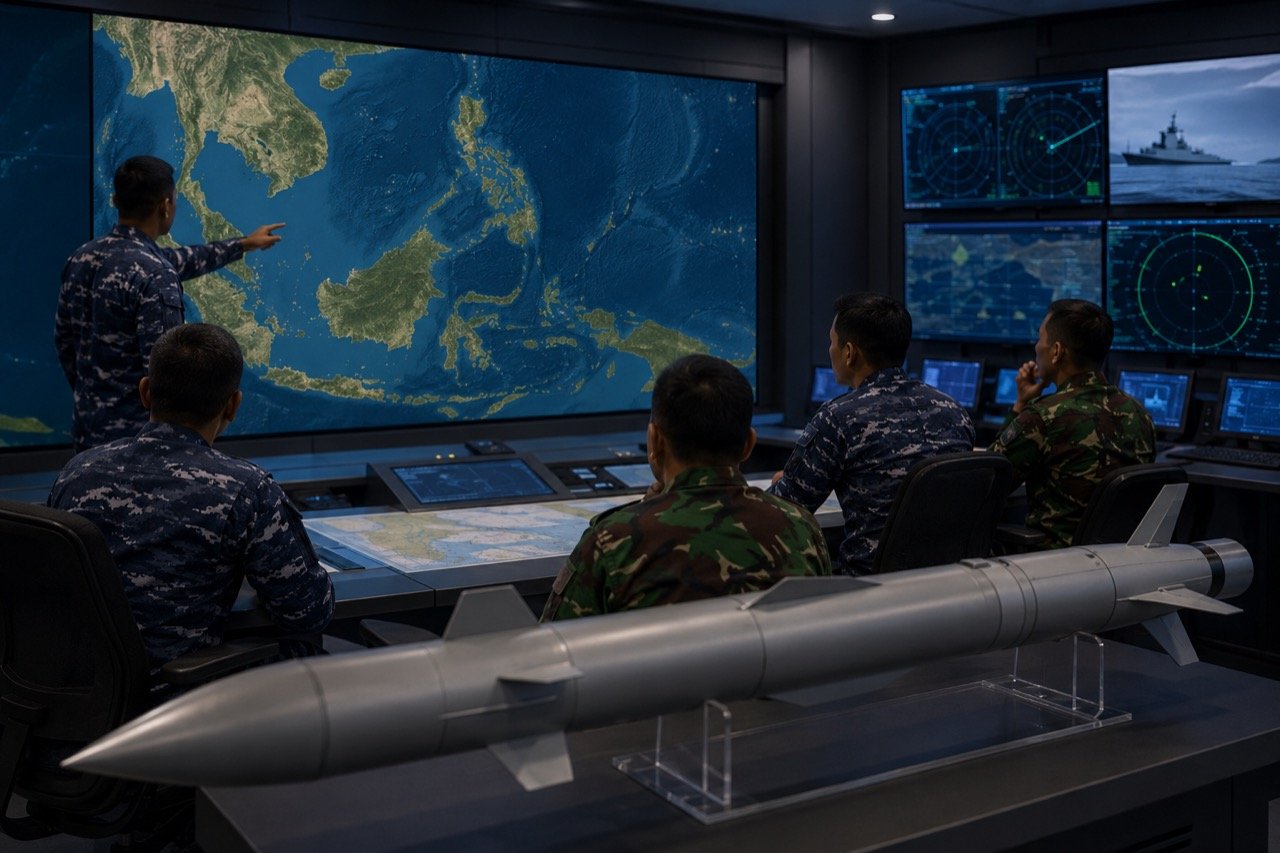
BrahMos Talks With Indonesia Sharpen India's Defence Export Push
A possible BrahMos missile agreement with Jakarta, in focus ahead of Prime Minister Modi's Indonesia engagement, underlines India's ambition to become a serious defence exporter across Southeast Asia.
More from this section
More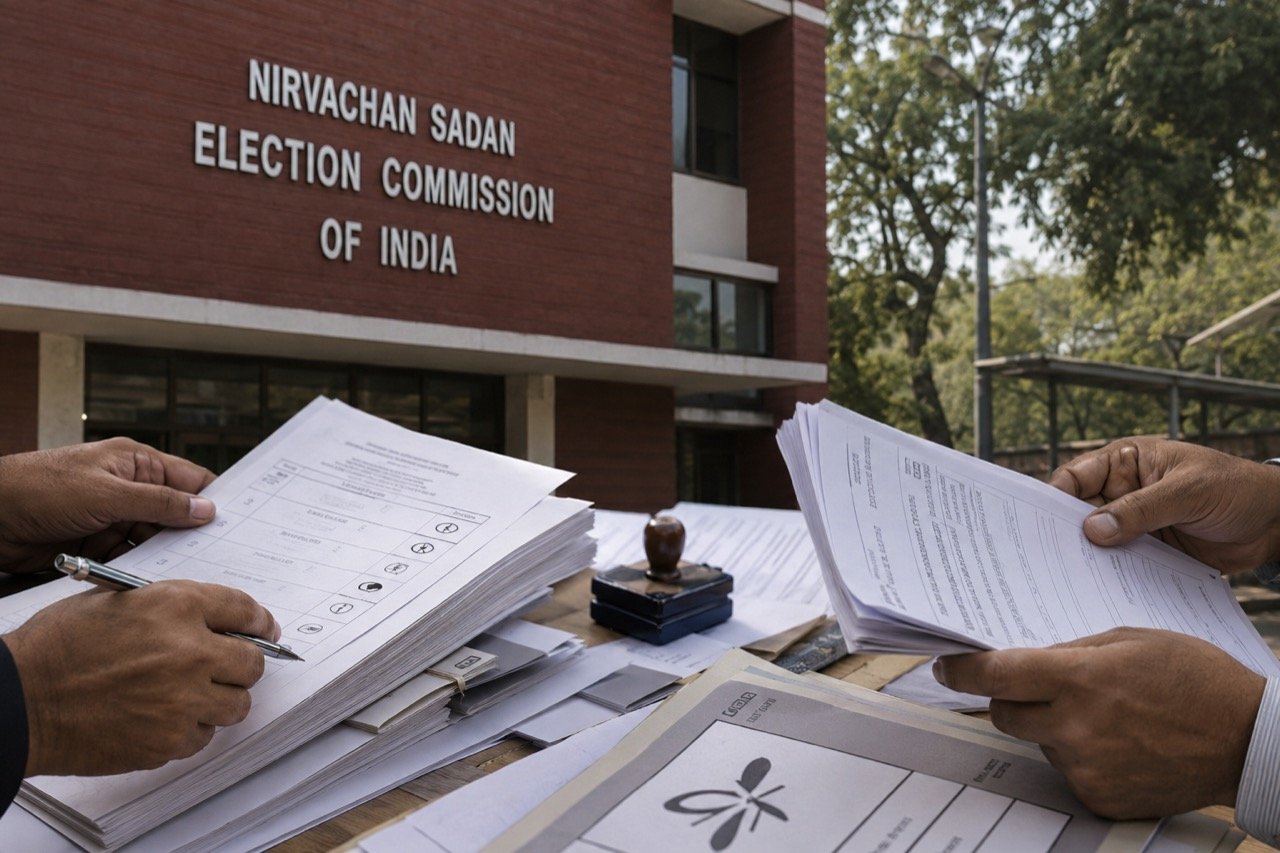
K Kavitha Party Denied TRS Name by Election Commission
The Election Commission has refused to register K Kavitha's Telangana Rakshana Sena under the TRS acronym after objections, forcing a branding reset for the new party at a politically sensitive moment in Telangana.
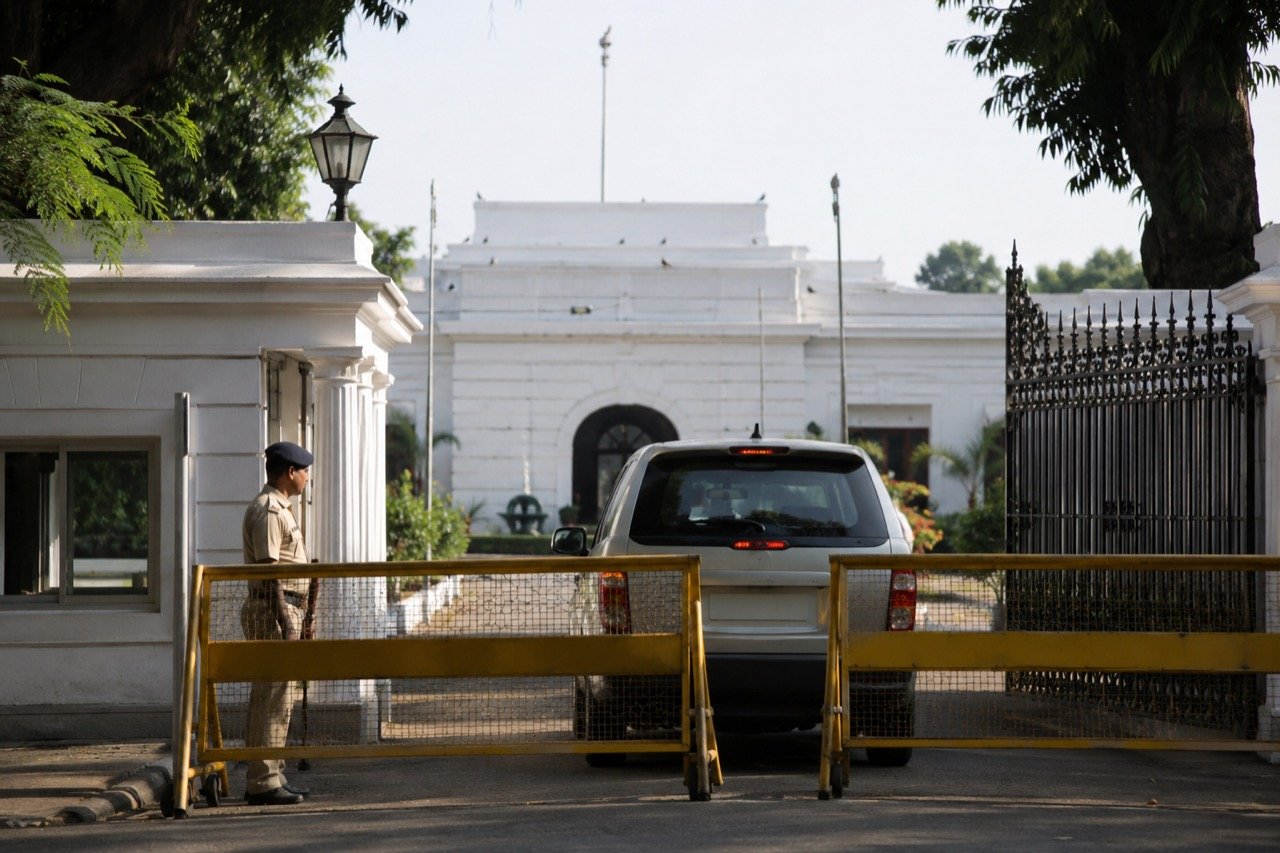
Lalu Prasad Yadav Security Downgrade, Bungalow Order Stir Bihar
A government order downgrading Lalu Prasad Yadav's security cover and asking him to vacate an official bungalow has opened a fresh political flashpoint in Bihar, with the RJD chief's reaction fuelling the row.
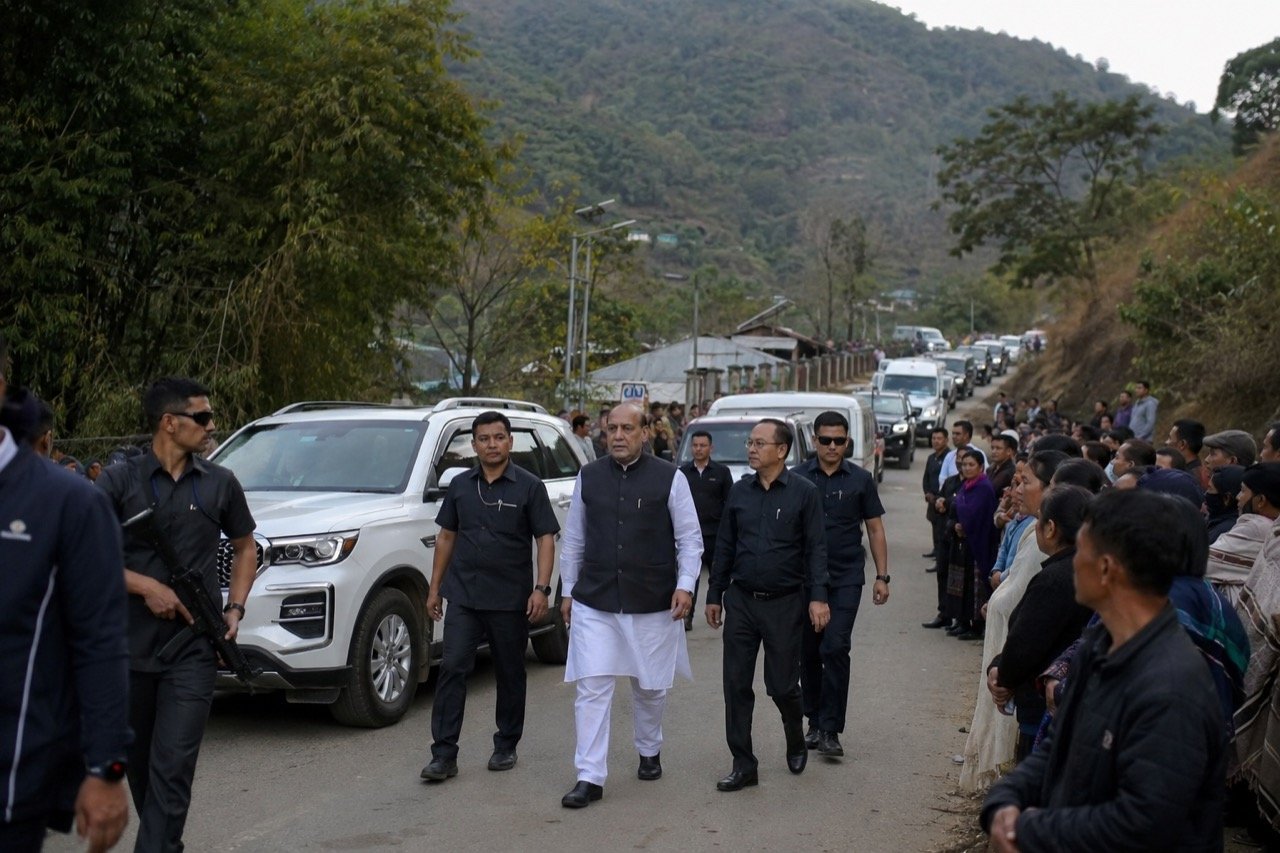
Manipur CM's Churachandpur Visit: First Since 2023 Unrest
The Manipur Chief Minister travelled to Churachandpur for a BJP MLA's funeral, his first visit to the district since the 2023 violence, lending the sombre occasion an unmistakable political significance.