Himachal Bailey Bridge Collapse Sends Truck Into Sutlej, Renewing Hill-Road Safety Fears
A Bailey bridge on National Highway 5 in Himachal's Kinnaur district gave way under a passing truck, plunging it into the Sutlej, with the driver surviving and questions over mountain-road maintenance resurfacing.
Commentary & Analysis ·
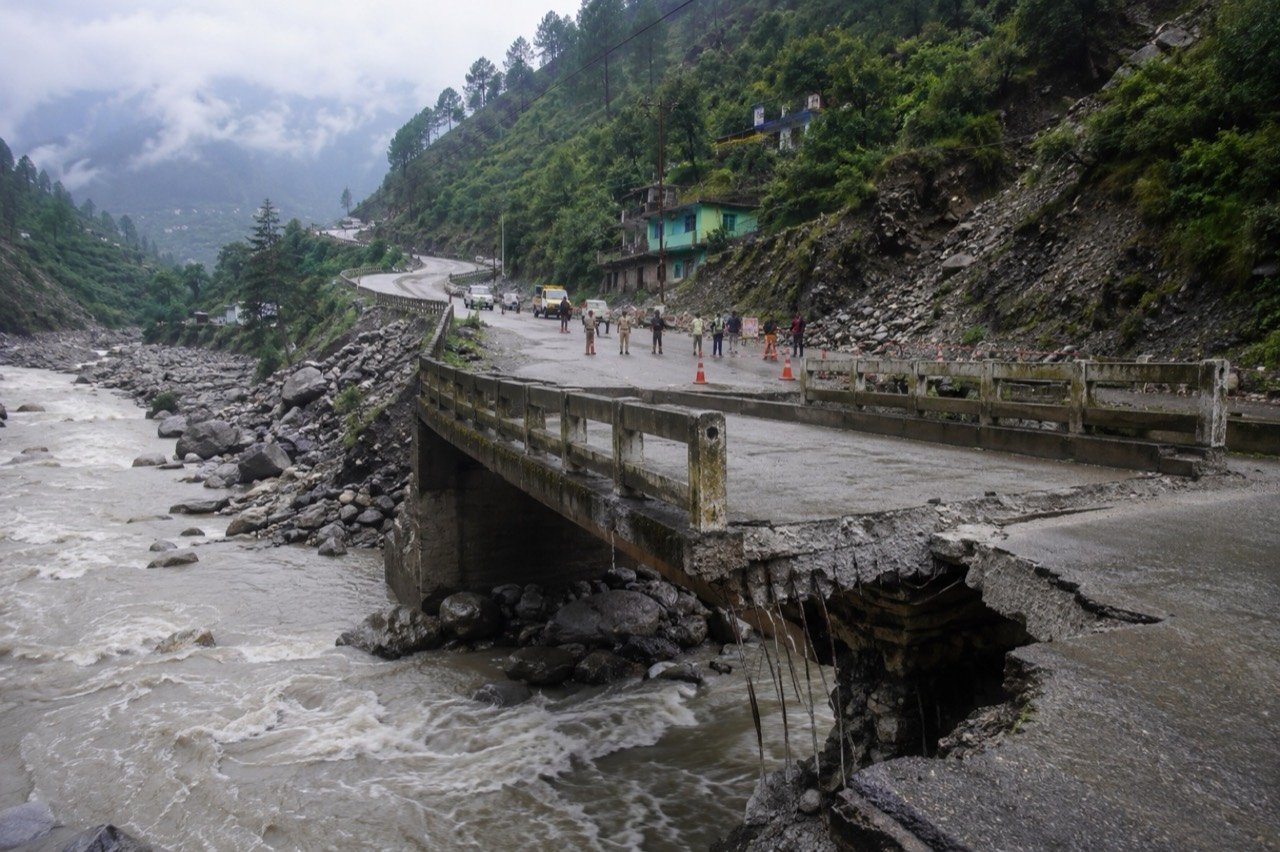
A Bailey bridge on National Highway 5 in Himachal Pradesh's Kinnaur district collapsed on June 23 as a truck was crossing it, sending the vehicle tumbling into the Sutlej river below. Officials said the driver escaped with only minor injuries, a rare piece of good fortune in an incident that could easily have been fatal and that has once again exposed the fragility of the state's mountain road network.
A strategic but vulnerable corridor
The collapse took place near Urni Dhank, between Reckong Peo and Tapri, on a stretch of NH-5 that functions as a strategic lifeline through the high Himalayas. The corridor carries commercial traffic, tourists and supplies toward the upper reaches of Kinnaur and beyond, and any disruption can cut off communities for days.
Bailey bridges are prefabricated steel structures designed for rapid deployment, often as temporary replacements after landslides or washouts damage permanent crossings. Their convenience can become a liability when 'temporary' stretches into years and load limits are exceeded by the heavy goods vehicles that dominate hill traffic.
Terrain that tests every structure
Kinnaur sits in some of the most unstable terrain in the country, where monsoon rain, glacial melt, frequent landslides and the constant pounding of heavy loads place relentless stress on roads and bridges. Engineers have long warned that infrastructure here ages faster and fails harder than in the plains, demanding inspection regimes that match the severity of the environment.
The immediate priority is restoring traffic and assessing whether other temporary bridges along the route need urgent inspection. For the transporters, traders and residents who depend on this single artery, every closure carries economic and humanitarian costs.
The cost of deferred maintenance
For the people of Kinnaur, the accident is less a freak event than a warning they have heard before. Each collapse renews calls for systematic load monitoring, scheduled structural audits and faster replacement of stopgap bridges with engineered permanent crossings designed for Himalayan conditions.
- Inspect all Bailey and temporary bridges on the NH-5 hill corridor
- Enforce load limits on heavy goods vehicles crossing fragile structures
- Prioritise permanent replacements for long-standing temporary bridges
- Establish monsoon-readiness audits before peak landslide season
- Improve emergency response capacity along remote mountain routes
That the driver walked away makes this a near-miss rather than a tragedy, but the underlying risk remains. Until maintenance keeps pace with the punishment that this terrain inflicts, the question on NH-5 is not whether another bridge will fail, but when, and whether the next driver will be as lucky.
The NE Times View
A bridge buckling under a routine truck on a national highway is a stark reminder that hill infrastructure is ageing faster than it is maintained. The NE Times View: the driver's survival should not blunt the alarm. Himachal's roads carry heavy traffic through fragile terrain, and deferred maintenance plus overloading is a lethal combination. Audits of load limits and structural fitness must precede the next monsoon, not follow the next collapse.
This article is original commentary and analysis by The NE Times. Background facts were referenced from NDTV and Times of India.
You may also like to read
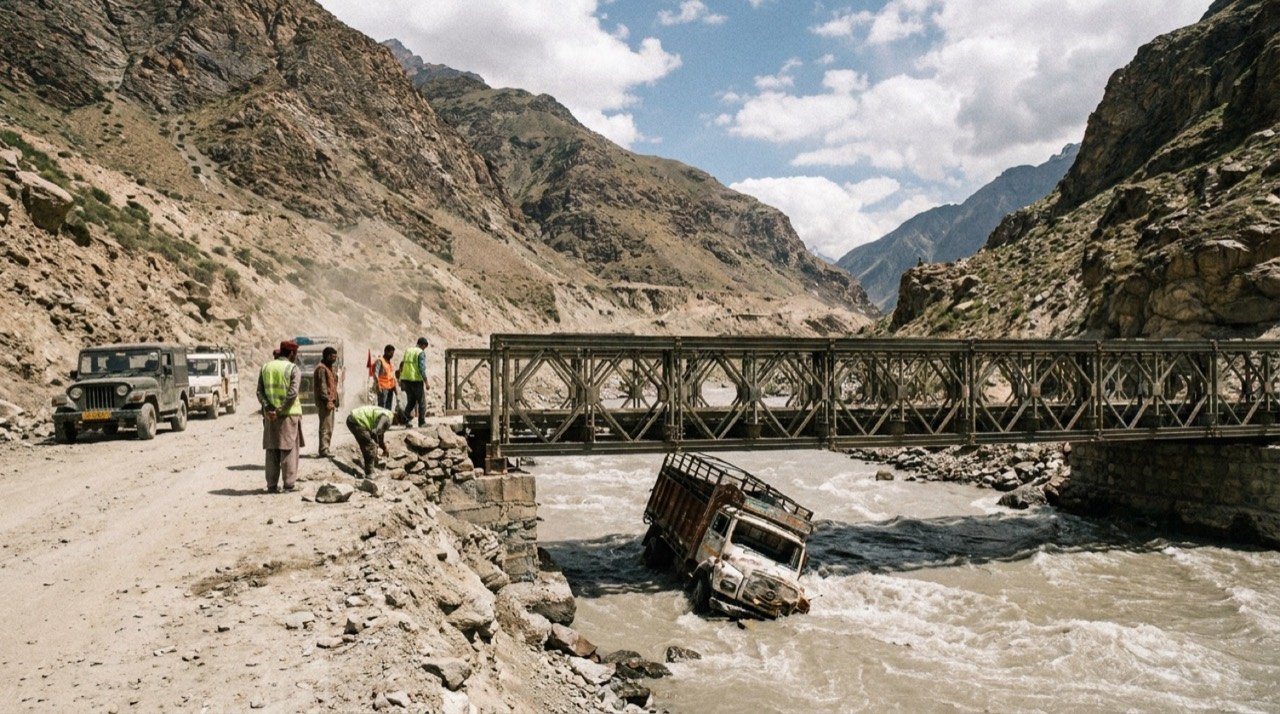
Kinnaur Bridge Collapse Sends Truck Into River as Driver Survives
A temporary bridge in Himachal Pradesh's Kinnaur district gave way under a crossing truck, plunging the vehicle into the river below, yet the driver escaped, averting a fatal mountain tragedy.
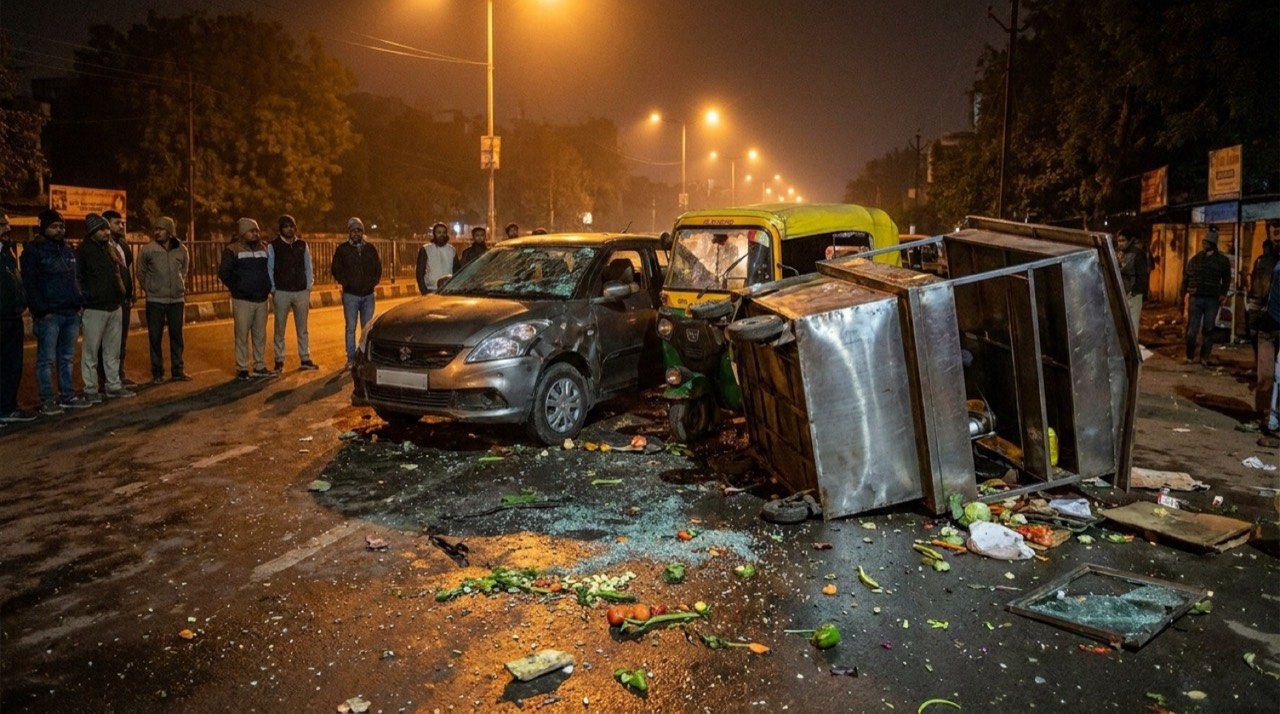
Ahmedabad Car Crash Renews Focus on Road Safety and Medical Emergencies at the Wheel
A late-night crash in Ahmedabad that killed one woman and injured six has revived debate over urban road safety, after the driver may have suffered a seizure behind the wheel.
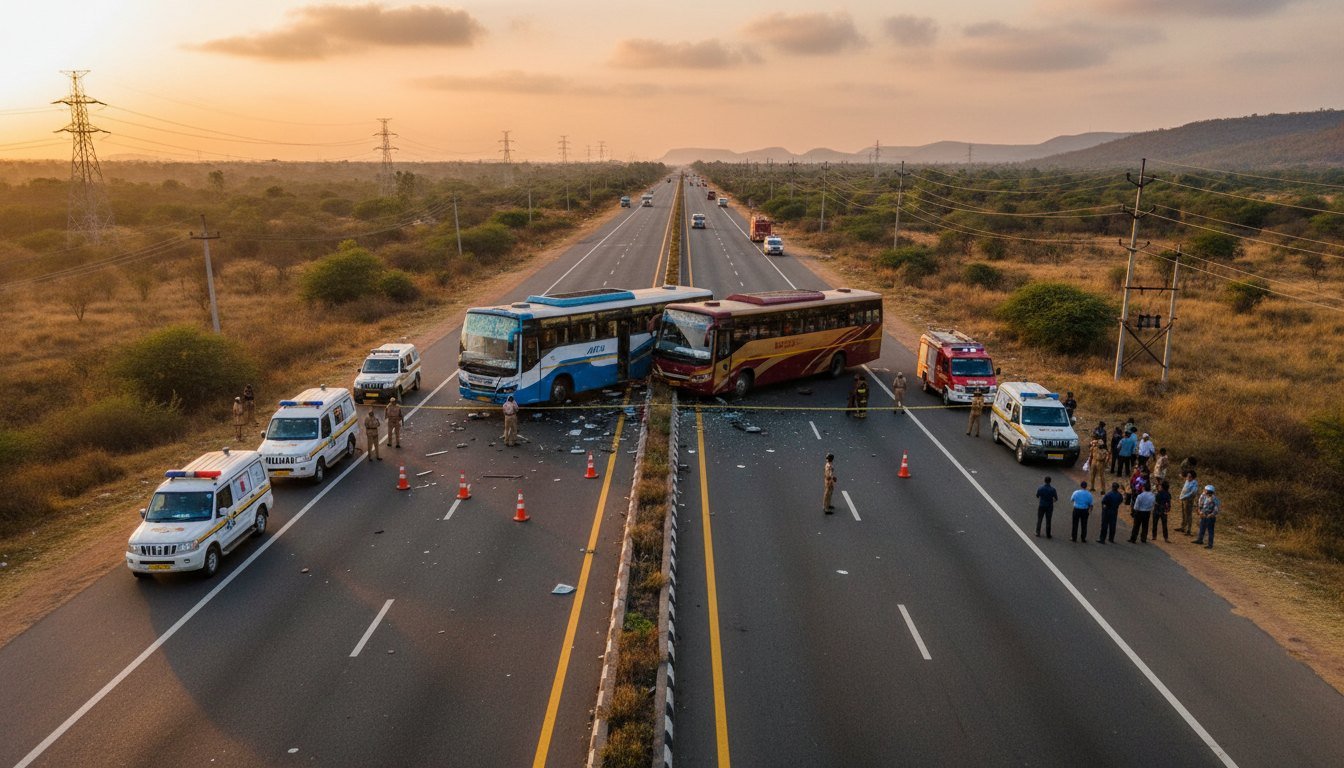
Madurai Bus Collision Leaves Six Dead and 41 Injured, Renewing Questions About Tamil Nadu Road Safety
A deadly collision near Kottampatti has brought grief to families and placed intercity bus safety, driver fatigue and emergency response back under scrutiny.
Mumbai Rains: Bhandup Road Cave-In Renews Monsoon Safety Fears
A stretch of LBS Marg in Bhandup West collapsed during intense monsoon rain, sending a vehicle into an excavation pit and reviving hard questions about Mumbai's construction safety and drainage readiness.
More from this section
More
AICTE Industry Fellowship 2026: Rs 1.5 Lakh Scheme Closes July 5
The AICTE Industry Fellowship Programme 2026, which places technical-education faculty inside leading companies on a Rs 1.5 lakh monthly stipend, reached its application deadline on July 5.

Bay of Bengal Low Pressure System Revives Monsoon Over Western India
A low-pressure system over the Bay of Bengal has pushed the monsoon back into an active phase, bringing steady heavy rain to Kerala, coastal Karnataka and Maharashtra, and putting Mumbai and Pune on preparedness watch.
Bishnoi Gang Suspects Injured in Haryana Encounter as Police Tighten Net
A joint Haryana-Delhi Police operation in Bahadurgarh left two suspected Lawrence Bishnoi gang members injured, spotlighting the multi-state coordination now central to India's fight against organised crime networks.