Ahmedabad Car Crash Renews Focus on Road Safety and Medical Emergencies at the Wheel
A late-night crash in Ahmedabad that killed one woman and injured six has revived debate over urban road safety, after the driver may have suffered a seizure behind the wheel.
Commentary & Analysis ·
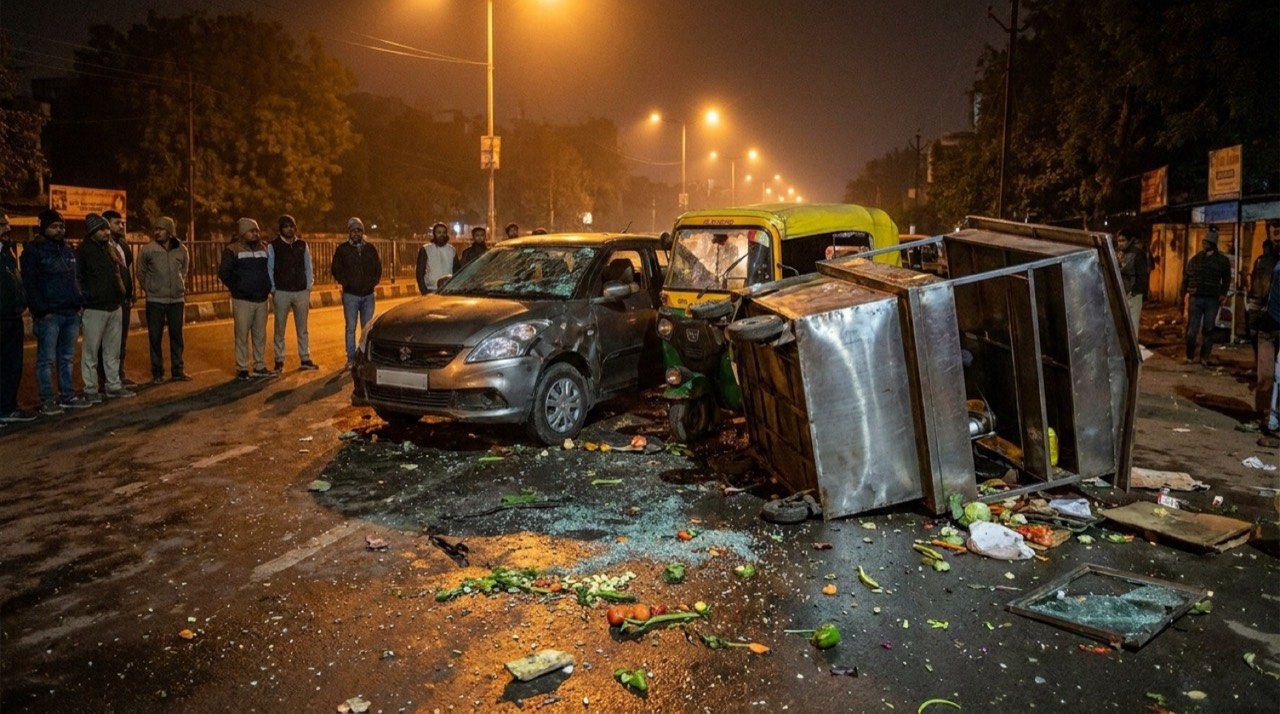
A late-night crash in Ahmedabad has once again thrown urban road safety, and the danger of a medical emergency striking behind the wheel, into sharp relief. According to reports, one woman was killed and six people were injured when an out-of-control car ploughed through a busy stretch of road, hitting an auto-rickshaw, three scooters, a motorcycle and a roadside food stall in a matter of seconds at about 9:40 pm on Monday.
How the Crash Unfolded
The vehicle appears to have lost control on a crowded street, striking multiple two-wheelers and a parked auto-rickshaw before slamming into a roadside food stall. In a city where pavements and carriageways blur together after dark, the path of a single uncontrolled car proved devastating.
The injured were rushed to Ahmedabad Civil Hospital. The driver, identified as Mayank Patel, was also placed under treatment, and authorities began piecing together the sequence of events from the scene and available footage.
A Suspected Medical Episode
Preliminary information suggested that the driver may have suffered a seizure, an account that, if confirmed, would point less to recklessness than to the under-discussed risk of sudden medical incapacitation while driving. Officials, however, were careful to stress that the exact cause would be established only after a full investigation.
Cases of this kind sit in an uneasy space between accident and tragedy, raising questions about driver health screening, awareness of conditions that can strike without warning, and how cities can mitigate the consequences.
The Wider Safety Lesson
Beyond the immediate grief, the incident underlines how a single medical or mechanical failure can turn a crowded street into a public-safety disaster within seconds.
- One woman killed and six people injured in the late-night crash
- An out-of-control car struck an auto-rickshaw, three scooters, a motorcycle and a food stall
- The driver, named as Mayank Patel, may have suffered a seizure
- The injured and the driver were taken to Ahmedabad Civil Hospital
- Officials said the exact cause will be confirmed only after investigation
“A single medical or mechanical failure on a crowded street can become a public-safety disaster within seconds.”
— Road safety assessment of the Ahmedabad crash
As the investigation proceeds, the episode is likely to feed into a longer conversation about how Indian cities manage the collision of dense traffic, vulnerable road users and the unpredictable risks each driver carries. For the family of the woman who died, those debates offer little comfort, but they may yet shape how such tragedies are prevented.
The NE Times View
A driver possibly seized at the wheel turns a tragedy into a policy question India keeps dodging. Medical fitness for driving is barely screened here, and licences rarely reflect health conditions that can be lethal at speed. One death and six injuries are the human cost of treating road safety as fate rather than engineering. Periodic fitness checks, better emergency response and honest disclosure of conditions are not bureaucracy; they are how such crashes get prevented.
This article is original commentary and analysis by The NE Times. Background facts were referenced from India Today.
You may also like to read
Railway Board Clears New Terminal for Ahmedabad-Okha Vande Bharat Express
The Railway Board has approved a dedicated terminal station for the Ahmedabad-Okha Vande Bharat Express, a move expected to ease platform pressure and reshape travel across coastal and pilgrimage Gujarat.
Badlapur Expressway Crash Spotlights Illegal Racing on Unfinished Roads
A fatal late-night BMW crash on an under-construction stretch near Badlapur has revived hard questions about illegal racing, access control and safety at unfinished expressway sites.
Himachal Bailey Bridge Collapse Sends Truck Into Sutlej, Renewing Hill-Road Safety Fears
A Bailey bridge on National Highway 5 in Himachal's Kinnaur district gave way under a passing truck, plunging it into the Sutlej, with the driver surviving and questions over mountain-road maintenance resurfacing.
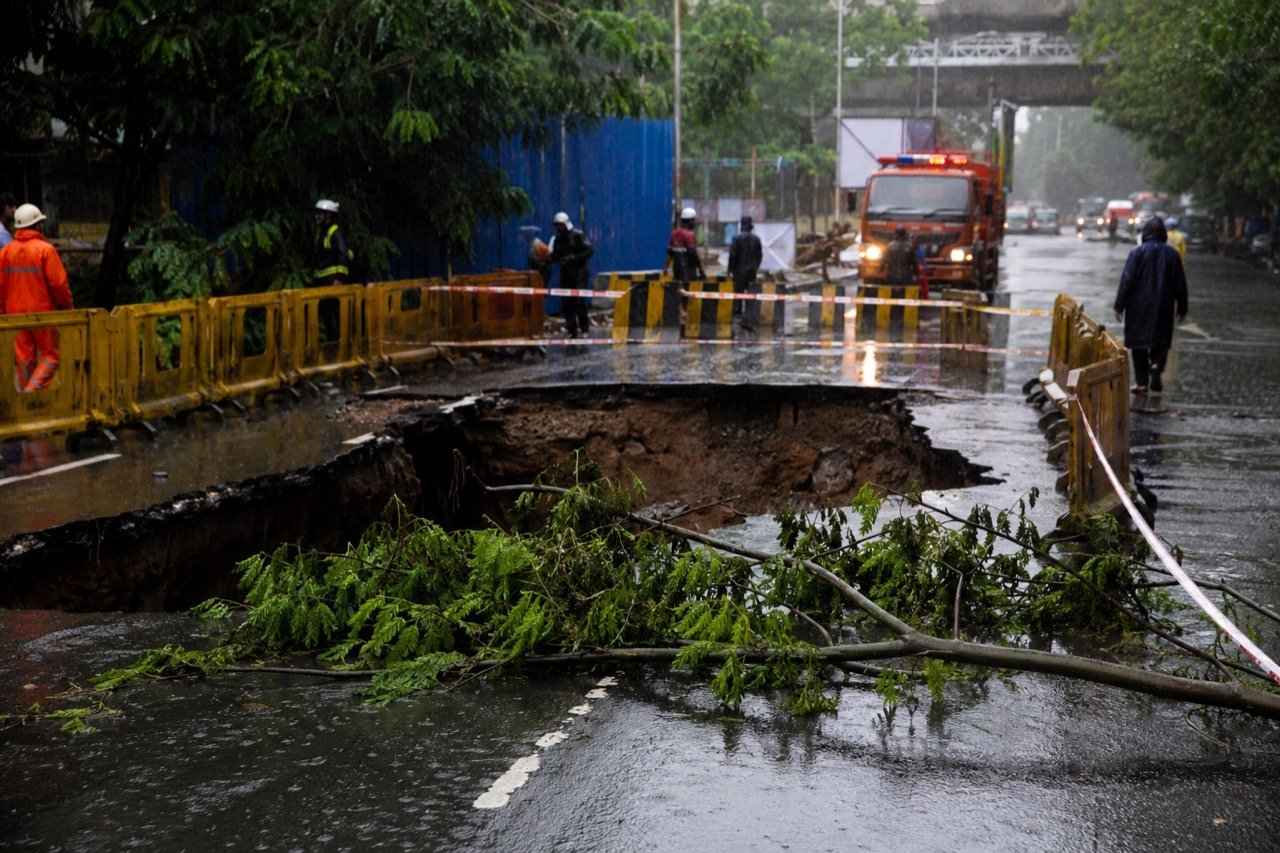
Mumbai Rains: Bhandup Road Cave-In Renews Monsoon Safety Fears
A stretch of LBS Marg in Bhandup West collapsed during intense monsoon rain, sending a vehicle into an excavation pit and reviving hard questions about Mumbai's construction safety and drainage readiness.
More from this section
More
AICTE Industry Fellowship 2026: Rs 1.5 Lakh Scheme Closes July 5
The AICTE Industry Fellowship Programme 2026, which places technical-education faculty inside leading companies on a Rs 1.5 lakh monthly stipend, reached its application deadline on July 5.
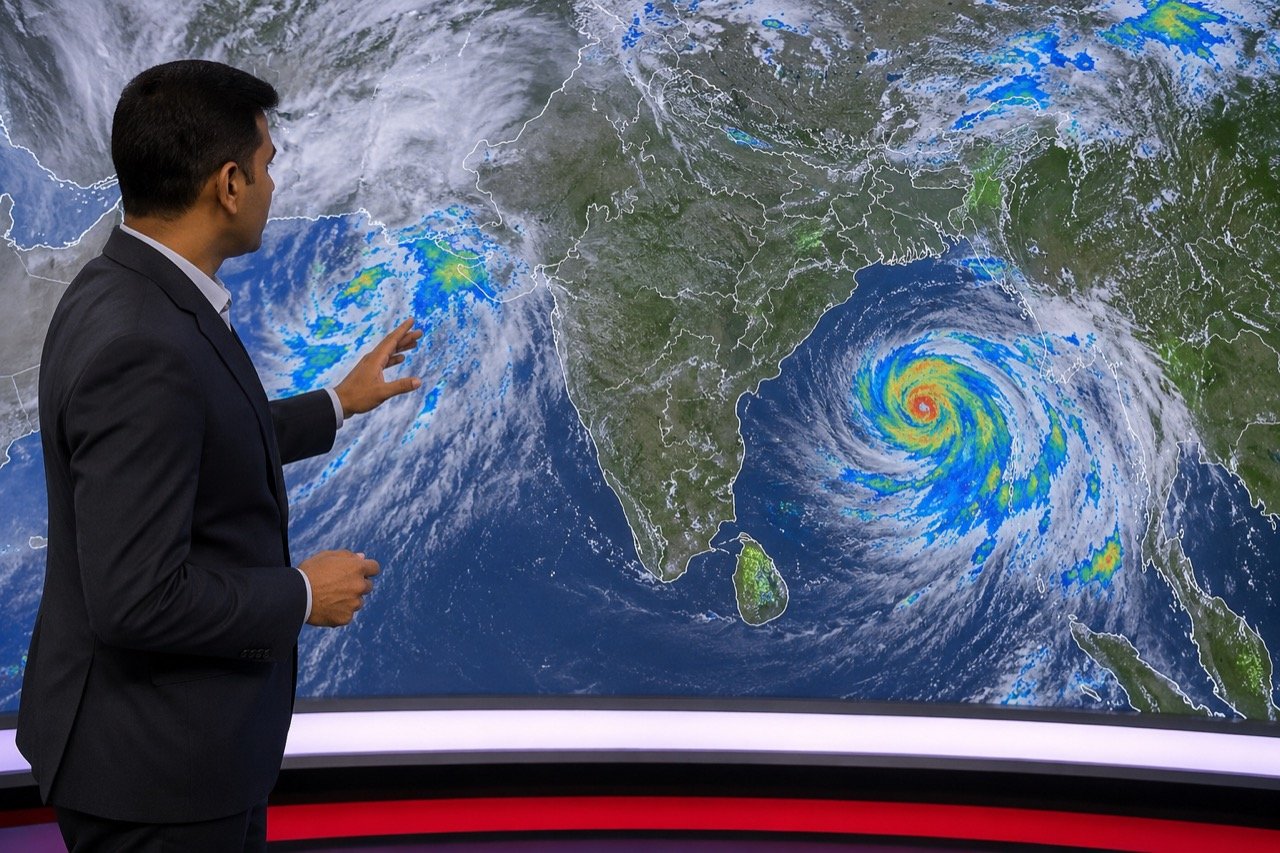
Bay of Bengal Low Pressure System Revives Monsoon Over Western India
A low-pressure system over the Bay of Bengal has pushed the monsoon back into an active phase, bringing steady heavy rain to Kerala, coastal Karnataka and Maharashtra, and putting Mumbai and Pune on preparedness watch.
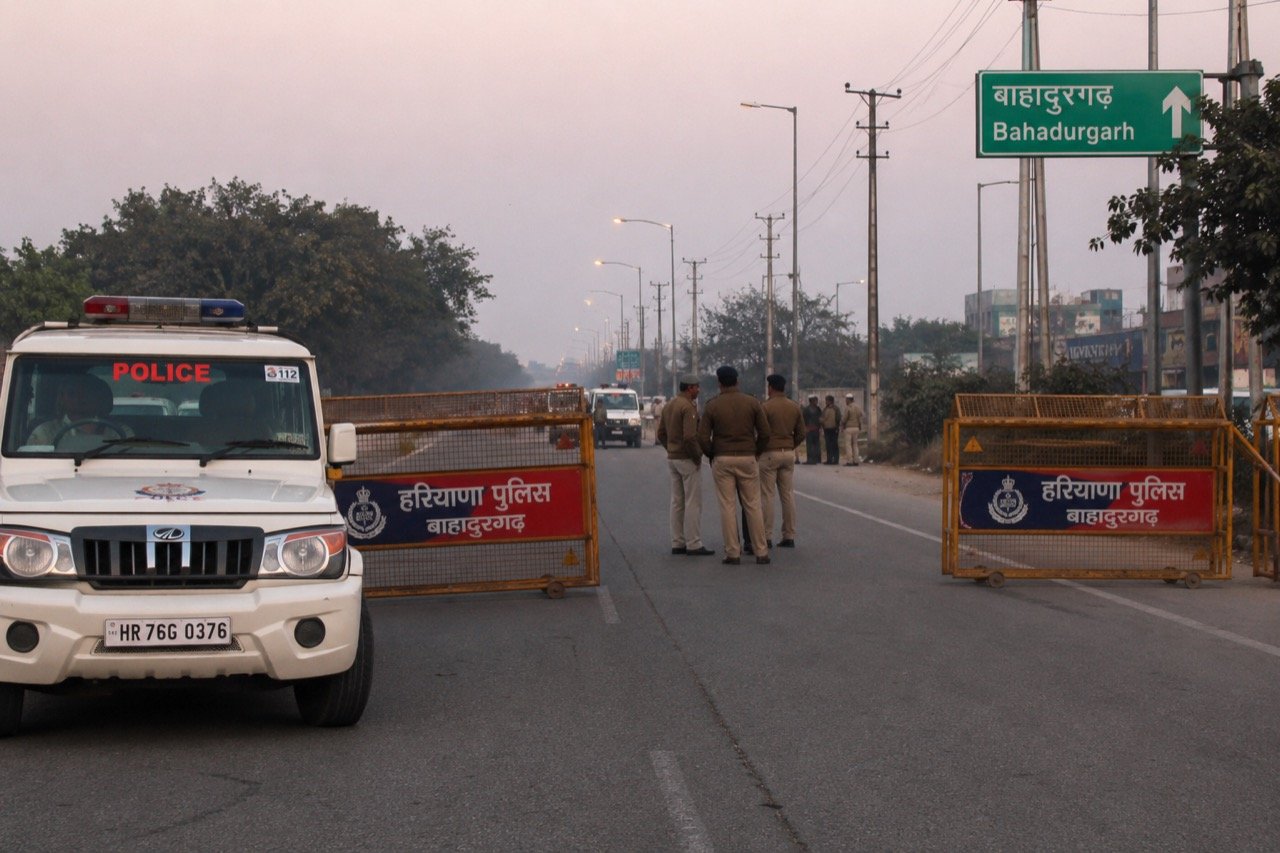
Bishnoi Gang Suspects Injured in Haryana Encounter as Police Tighten Net
A joint Haryana-Delhi Police operation in Bahadurgarh left two suspected Lawrence Bishnoi gang members injured, spotlighting the multi-state coordination now central to India's fight against organised crime networks.