Hunger Strikes in Indian History: What Gandhi, Potti Sriramulu, Bhagat Singh, Irom Sharmila and Anna Hazare Teach Us
Sonam Wangchuk’s fast has renewed interest in India’s long history of hunger strikes, from anti-colonial protest to statehood, human rights and anti-corruption movements
Commentary & Analysis ·

Key facts
- Hunger strikes have been used in India for anti-colonial, social-reform, statehood, prison-rights, human-rights and anti-corruption causes.
- Potti Sriramulu died after a prolonged fast for a Telugu-speaking state, influencing the creation of Andhra State.
- Irom Sharmila continued a long fast against AFSPA while being detained and force-fed.
- Anna Hazare’s 2011 anti-corruption fast generated mass mobilisation and parliamentary commitments.
Fasting as moral and political language
India has a distinctive history of political fasting because it combines religious traditions of self-denial with modern mass politics. A hunger strike communicates seriousness without using violence against an opponent. The protester places the body at risk and asks the public to judge whether authorities will respond. That moral power can be immense, but it is not automatically democratic. Critics note that a fast can pressure institutions outside normal deliberation. Historical comparisons should therefore examine context, demands and outcomes rather than treating every fast as equally justified.
Gandhi and disciplined moral pressure
Mahatma Gandhi used fasts in different contexts, including communal peace, social reform and internal discipline within movements. His approach depended on moral authority and carefully framed objectives. Gandhi also understood that fasting could become coercive if used carelessly. The lesson for contemporary movements is that non-violence requires more than refusing food. It requires truthfulness, restraint by supporters and a goal that can be explained to people who disagree. Wangchuk’s emphasis on peaceful protest draws from that tradition, but modern media makes message discipline harder.
Bhagat Singh and political prisoners
Bhagat Singh and fellow prisoners undertook a long hunger strike in 1929 over discriminatory prison conditions and the treatment of political prisoners. Jatindra Nath Das died during the protest, generating national outrage. The episode shows how a fast can expose conditions hidden from the public. It also demonstrates the irreversible cost when authorities and protesters remain locked in confrontation. Historical memory often celebrates courage while underplaying pain, medical danger and grief. Current coverage should not romanticise the possibility of death.
Potti Sriramulu and state reorganisation
Potti Sriramulu’s death after a 1952 fast demanding a Telugu-speaking state triggered intense public protest and contributed to the creation of Andhra State. His case is frequently cited as proof that hunger strikes can reshape national policy. It is also a warning. A democratic system should not require a death before recognising a legitimate demand. The political consequences extended far beyond the individual campaign, influencing linguistic state reorganisation. Wangchuk’s supporters invoke such history to show the power of sacrifice, but the responsible objective today must be resolution before tragedy.
Irom Sharmila and the limits of endurance
Irom Sharmila’s sixteen-year protest against the Armed Forces Special Powers Act became one of the world’s longest hunger strikes. Authorities repeatedly detained and force-fed her. Her extraordinary endurance brought international recognition but did not secure immediate repeal. When she ended the fast and entered electoral politics, public response was complex. Her experience shows that personal sacrifice can sustain attention without guaranteeing policy change. Movements need organisational and legislative strategies beyond the body of one protester.
Anna Hazare and the media age
Anna Hazare’s 2011 anti-corruption fast mobilised large urban crowds, television coverage and social media around the Lokpal demand. Parliament made commitments, and the movement reshaped party politics. Yet later debates over implementation showed that a fast can create agreement on principle while leaving difficult institutional design unresolved. The parallel with the current education protest is clear: public pressure can force acknowledgement, but secure examinations require detailed systems, budgets and oversight. The strongest lesson from history is to use moral attention to win specific reforms before the human cost becomes unbearable.
What readers and publishers should monitor
Readers following this angle should track how organisers invoke historical figures, whether comparisons become romanticised, a negotiated end before medical crisis, translation of moral pressure into legislation, and long-term movement organisation. Because this is a fast-moving protest, every figure and procedural claim should carry a date. Health information should come from doctors or court records; protest logistics should come from organisers and police; legal conclusions should be tied to the actual order; and allegations about examination wrongdoing should remain attributed until established by investigation or judgment. The primary keyword should appear naturally in the headline, introduction, one subheading, image alt text and conclusion. Secondary terms should be used only where they answer a genuine reader question. Repeating a phrase mechanically can reduce readability and search quality. The strongest publication strategy is to update the article rather than create a misleading new headline for every minor development. Add a timestamp, preserve the earlier context, explain what has changed and correct outdated numbers visibly. That approach serves readers, protects credibility and prevents the hunger strike from being reduced to a stream of disconnected viral claims.
A final editorial perspective
A final point is that the issue should be covered as a democratic accountability story rather than a contest of personal endurance. The policy questions concern secure examinations, public responsibility, student welfare and the state’s response to peaceful dissent. The human question concerns how to protect a protester’s life without erasing autonomy or turning medical risk into spectacle. Good reporting keeps both dimensions visible. It presents competing arguments fairly, marks uncertainty, uses precise dates and returns repeatedly to the people most affected: students and families who need a trustworthy system. The article should also explain what would count as evidence of progress, which institution has authority to act, and how readers can distinguish an official update from a political claim. That additional context makes the piece useful after the immediate search spike fades.
Sources
- Times of India historical overview of major Indian hunger strikes, July 17, 2026.
- Standard historical records on Bhagat Singh, Potti Sriramulu, Irom Sharmila and Anna Hazare.
- AP and Guardian reporting on the current protest’s non-violent framing.
This article is original news analysis and commentary by The NE Times, based on reporting from the sources listed above.
You may also like to read
What Happens Next in Sonam Wangchuk’s Hunger Strike? Five Scenarios After the July 20 Mobilisation
The next phase could involve talks, hospitalisation, a mass Parliament march or prolonged stalemate. Each scenario carries different risks for Wangchuk, CJP and the government
Prime Minister Modi's First Major Response to the Exam-Leak Protests: What He Announced and What He Did Not
The prime minister's intervention shifted the official response from silence or departmental statements to a national political commitment, while
Inside the High-Level Talks That Ended the Fast: Amit Shah, JP Nadda and Jitendra Singh's Roles
A reported high-level meeting became the turning point in a confrontation that had combined medical danger, street pressure and a widening political cost
Opposition Parties and the Student Protest: Support in Parliament, Strategy on the Street
Opposition backing increased parliamentary pressure and media reach, while organisers tried to preserve an identity larger than conventional party
More from this section
More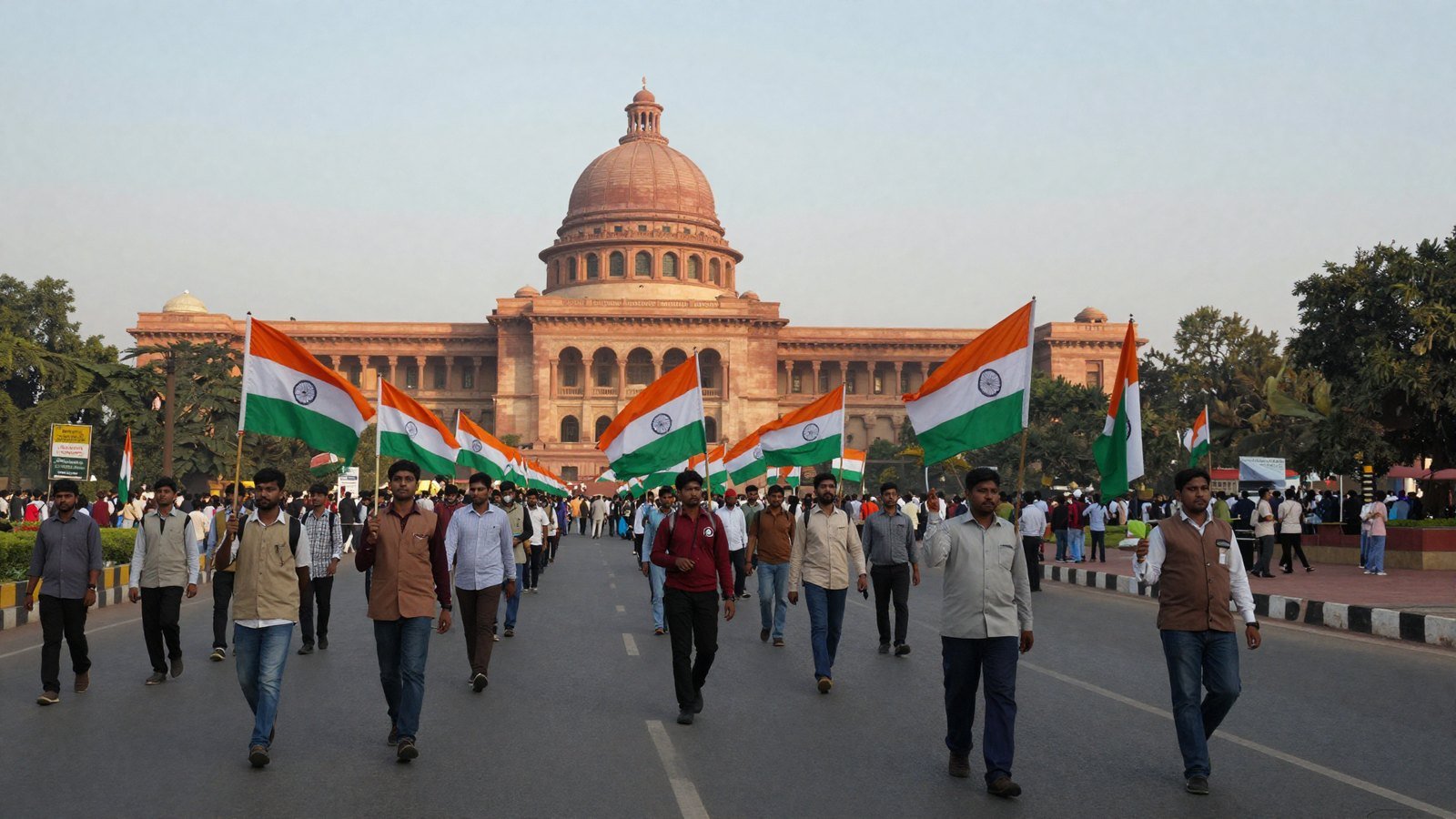
July 20 Parliament March: What Sonam Wangchuk and CJP Are Planning, Demanding and Risking
Organisers have called students and parents to a peaceful Parliament march on July 20, turning the hunger strike into a major test of mobilisation and public-order management
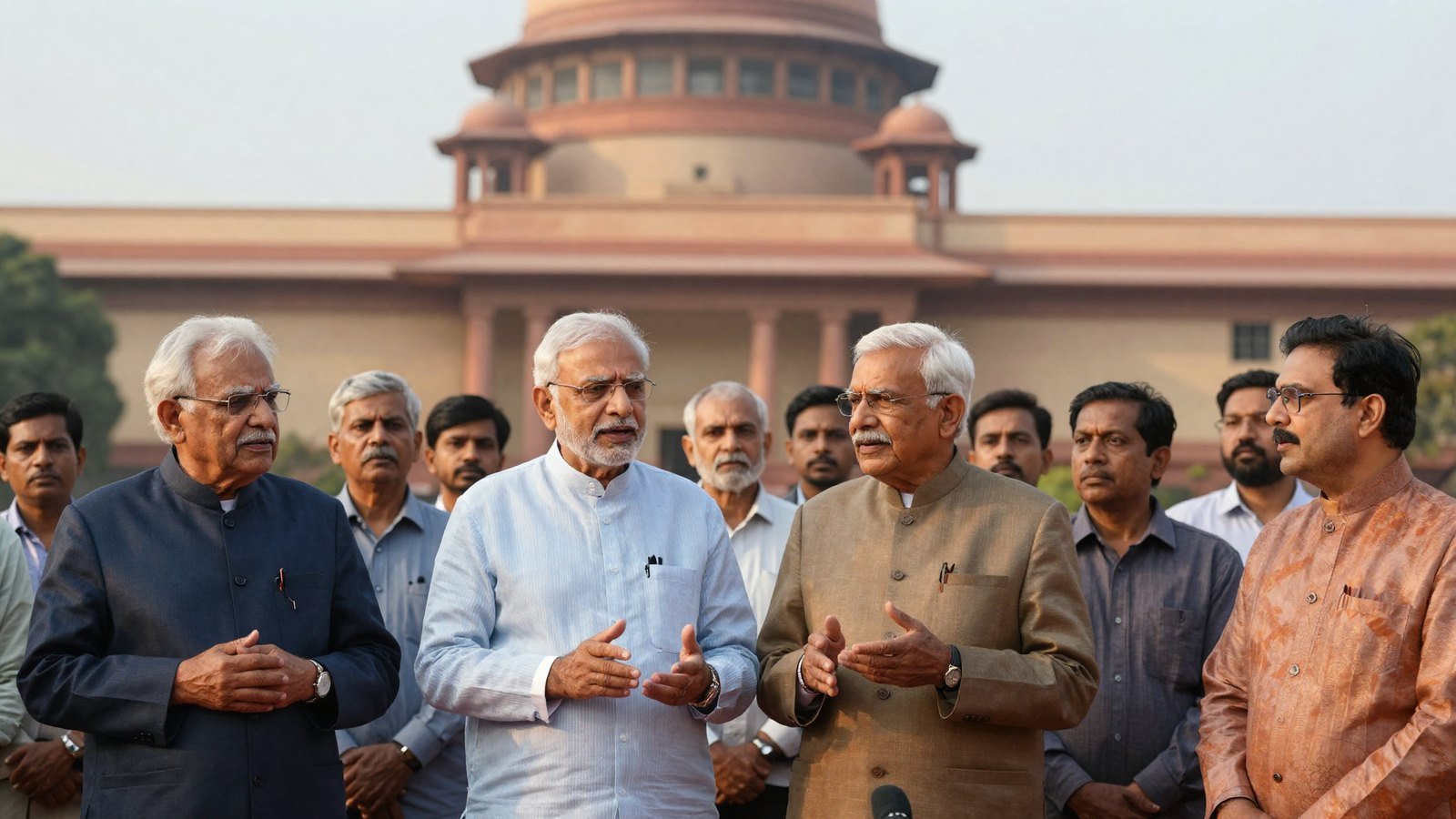
Opposition Leaders Rally Around Sonam Wangchuk: Support, Strategy and the Politics of the Hunger Strike
Opposition leaders have visited or backed Sonam Wangchuk’s protest, increasing pressure on the Centre while competing to define the education-accountability agenda
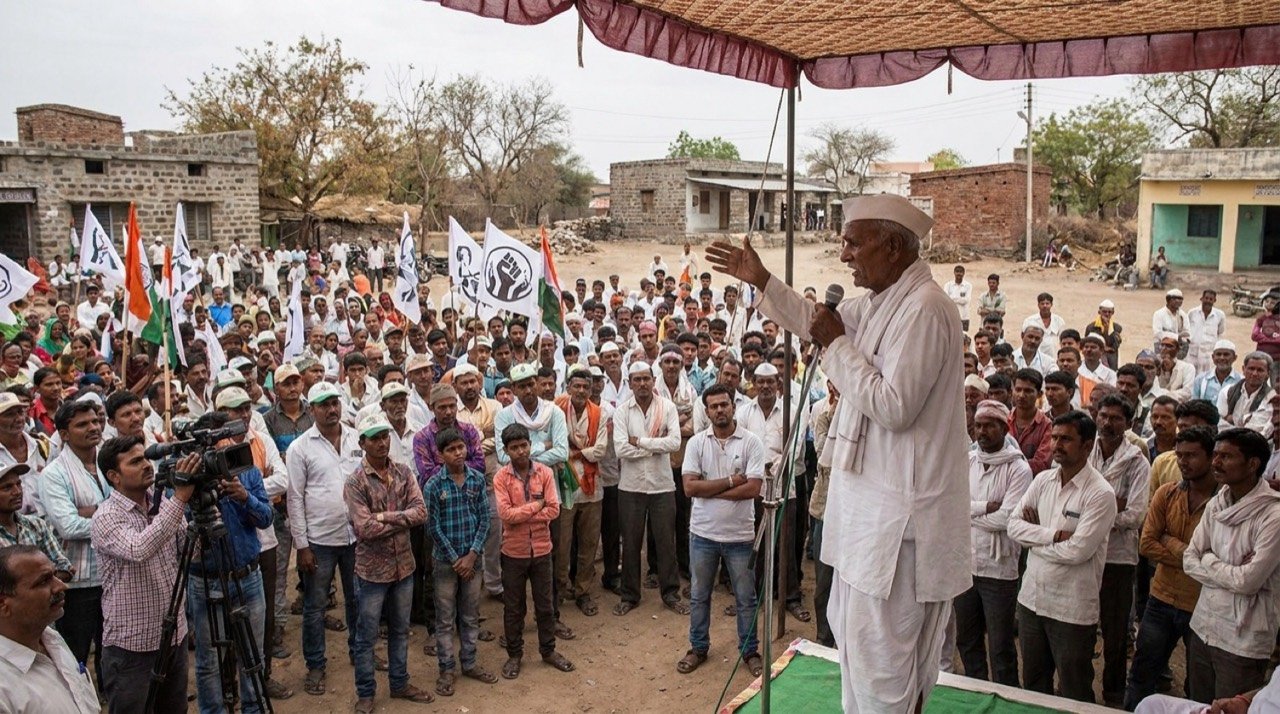
Anna Hazare Warns of July 5 Hunger Strike Over Maharashtra RTI Rule Changes
Veteran activist Anna Hazare has threatened an indefinite fast from July 5 at Ralegan Siddhi unless Maharashtra rolls back amendments to its Right to Information rules that he says could weaken citizens' access to information.