Anna Hazare Warns of July 5 Hunger Strike Over Maharashtra RTI Rule Changes
Veteran activist Anna Hazare has threatened an indefinite fast from July 5 at Ralegan Siddhi unless Maharashtra rolls back amendments to its Right to Information rules that he says could weaken citizens' access to information.
Commentary & Analysis ·
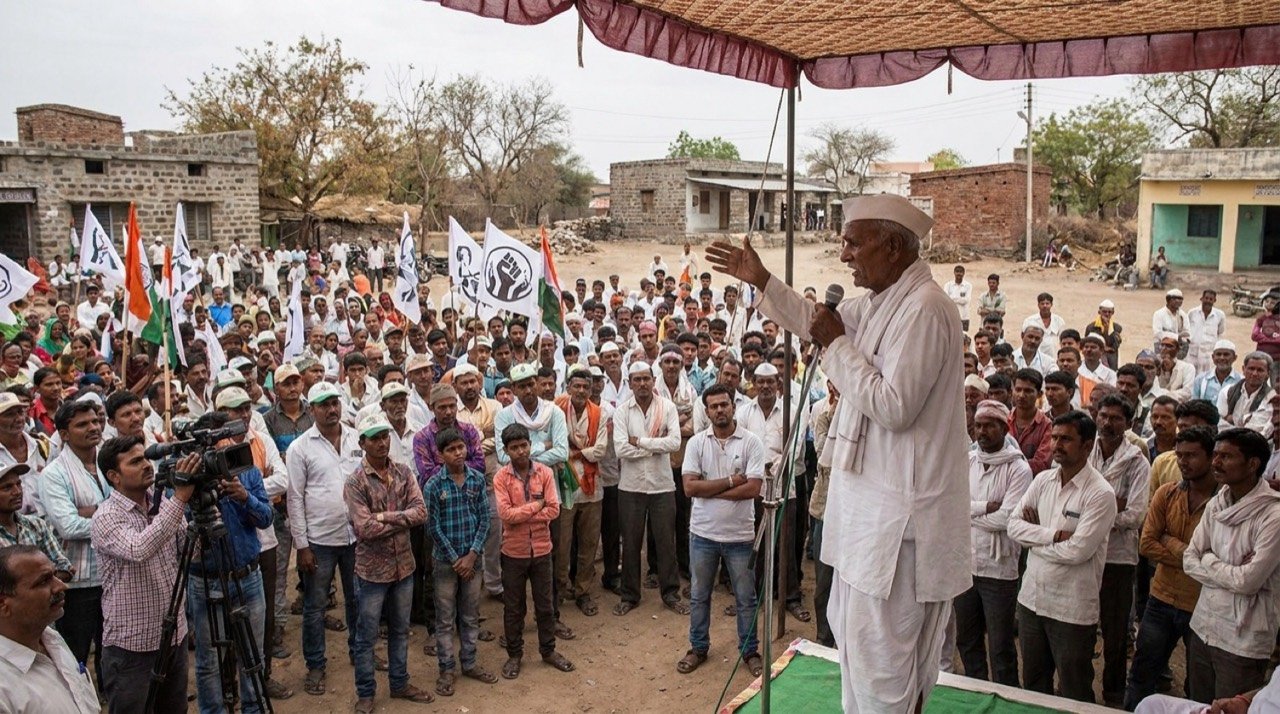
Veteran anti-corruption activist Anna Hazare has warned that he will begin an indefinite hunger strike from July 5 at his village of Ralegan Siddhi if the Maharashtra government does not withdraw recent amendments to the state's Right to Information (RTI) rules. The threat, conveyed in a letter to the chief minister, has reopened a familiar debate over how easily ordinary citizens can obtain public records.
What Hazare is objecting to
Hazare has taken aim at fee hikes and procedural changes in the amended rules, arguing that they could discourage applicants and erode the law's value as an anti-corruption tool. His central contention is that any added cost or complexity at the point of filing tilts the system against the very people the RTI Act was designed to empower.
The 88-year-old Gandhian carries particular moral weight on transparency questions. His 2011 anti-corruption movement helped push the Lokpal legislation onto the national agenda, and a fresh fast at Ralegan Siddhi would draw immediate attention to the state's handling of information access.
Why the RTI Act matters
Enacted in 2005, the Right to Information Act gave citizens a statutory route to demand records from public authorities, and it has since been used to expose irregularities in welfare delivery, public contracts and administrative decisions. Activists argue that the strength of the law lies in its low barriers: a modest fee and a simple application are meant to put scrutiny within reach of any resident, not just the well-resourced.
Critics of the amendments say cost and procedural hurdles can quietly blunt that promise. Supporters of rule revisions typically point to administrative load and the need to curb frivolous or repetitive requests, setting up a tension between efficient governance and unfettered public access.
The pressure on the state
The warning now puts the onus on the Maharashtra government to explain why the amendments are necessary and to demonstrate that they preserve the spirit of the parent Act. With a firm July 5 deadline attached, the government faces a narrowing window to either justify the changes, negotiate with Hazare or roll them back to avert a high-profile protest.
- Hazare has set July 5 as the start date for an indefinite fast at Ralegan Siddhi.
- He objects to fee hikes and procedural changes in Maharashtra's amended RTI rules.
- He argues the changes could weaken citizens' access to information.
- The demand is a full withdrawal of the amendments.
- The state must now justify the rules or face the threatened protest.
“Cost and procedural barriers can quietly discourage ordinary citizens from seeking the records that the RTI Act was meant to make accessible.”
— RTI users cited in reports
Whether the standoff ends in compromise or confrontation, it has already pushed transparency back to the centre of Maharashtra's political conversation. How the state responds in the coming days will be read as a test of its commitment to keeping public information genuinely within public reach.
The NE Times View
The RTI Act is one of India's most consequential democratic tools, and any dilution of it deserves scrutiny rather than reflexive defence. Hazare's threatened fast keeps a quiet rule-change in the public eye, which is its value. Governments often weaken transparency through procedural amendments, not headline repeals. The substantive question is whether the changes genuinely obstruct citizens' access or merely streamline process; Maharashtra should publish the rationale and let that argument be tested openly.
This article is original commentary and analysis by The NE Times. Background facts were referenced from NDTV and The Times of India.
You may also like to read
Sena UBT Defections Await Speaker's Recognition in Fresh Maharashtra Twist
A reported bid by six Shiv Sena UBT MPs to be recognised as a separate group has opened a new front in Maharashtra's party-split politics, with the Lok Sabha Speaker's call now pivotal.
BJP-Led Mahayuti Sweeps Vidarbha in Maharashtra Council Polls
The BJP-led Mahayuti has tightened its grip on Vidarbha, winning local-authority council seats in Nagpur, Amravati and Bhandara-Gondia and signalling its organisational depth ahead of crucial civic battles.
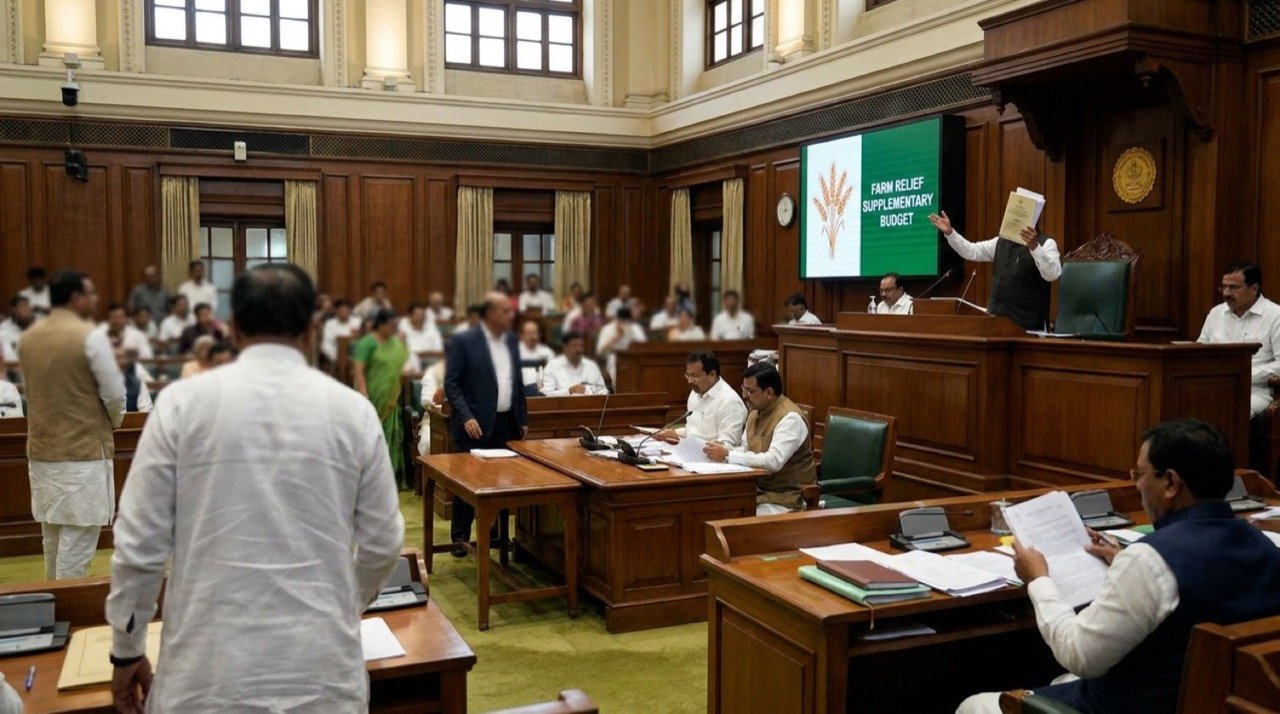
Maharashtra Tables Record Rs 97,706 Crore Supplementary Demands, Farm Relief in Focus
Maharashtra has placed one of its largest-ever supplementary spending demands before the legislature, anchoring nearly Rs 97,706 crore on farm loan waivers, welfare and urban development amid fiscal-discipline questions.
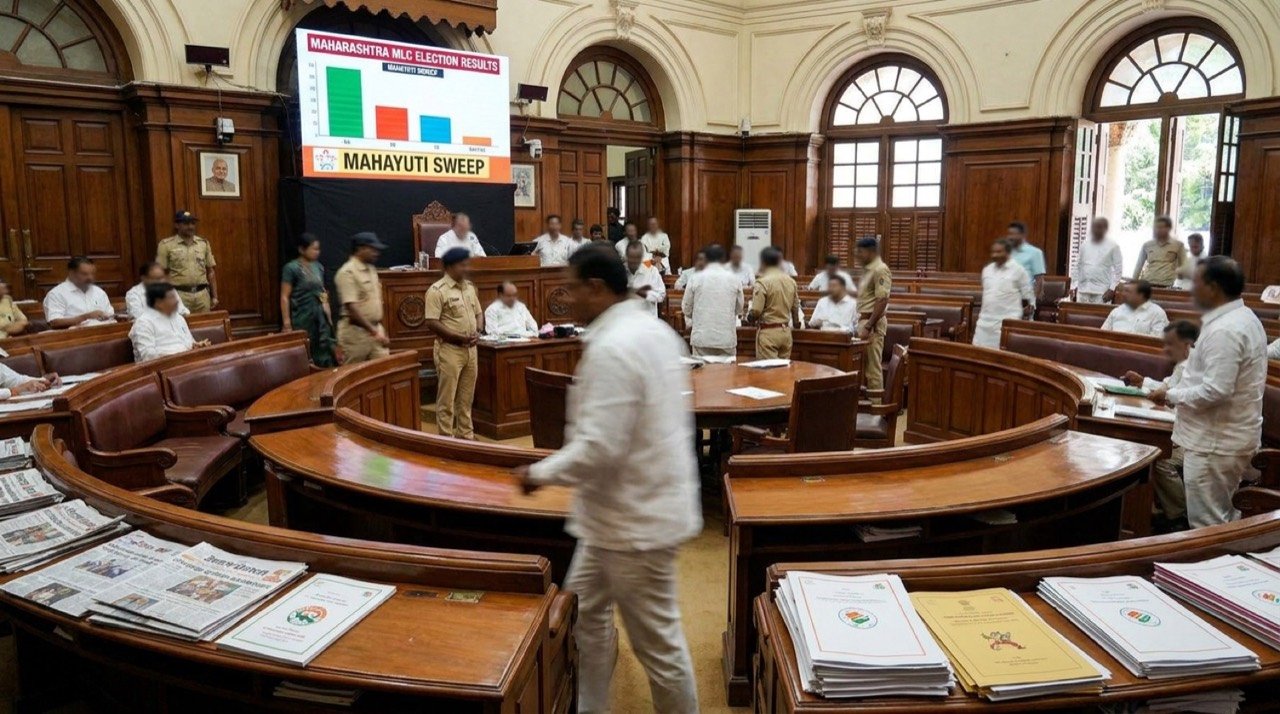
Mahayuti Sweeps 16 of 17 Maharashtra MLC Seats as Opposition Draws a Blank
Maharashtra's ruling Mahayuti alliance has won 16 of 17 Legislative Council seats while the opposition Maha Vikas Aghadi failed to win any, signalling renewed momentum for the governing coalition.
More from this section
More
K Kavitha Party Denied TRS Name by Election Commission
The Election Commission has refused to register K Kavitha's Telangana Rakshana Sena under the TRS acronym after objections, forcing a branding reset for the new party at a politically sensitive moment in Telangana.
Lalu Prasad Yadav Security Downgrade, Bungalow Order Stir Bihar
A government order downgrading Lalu Prasad Yadav's security cover and asking him to vacate an official bungalow has opened a fresh political flashpoint in Bihar, with the RJD chief's reaction fuelling the row.
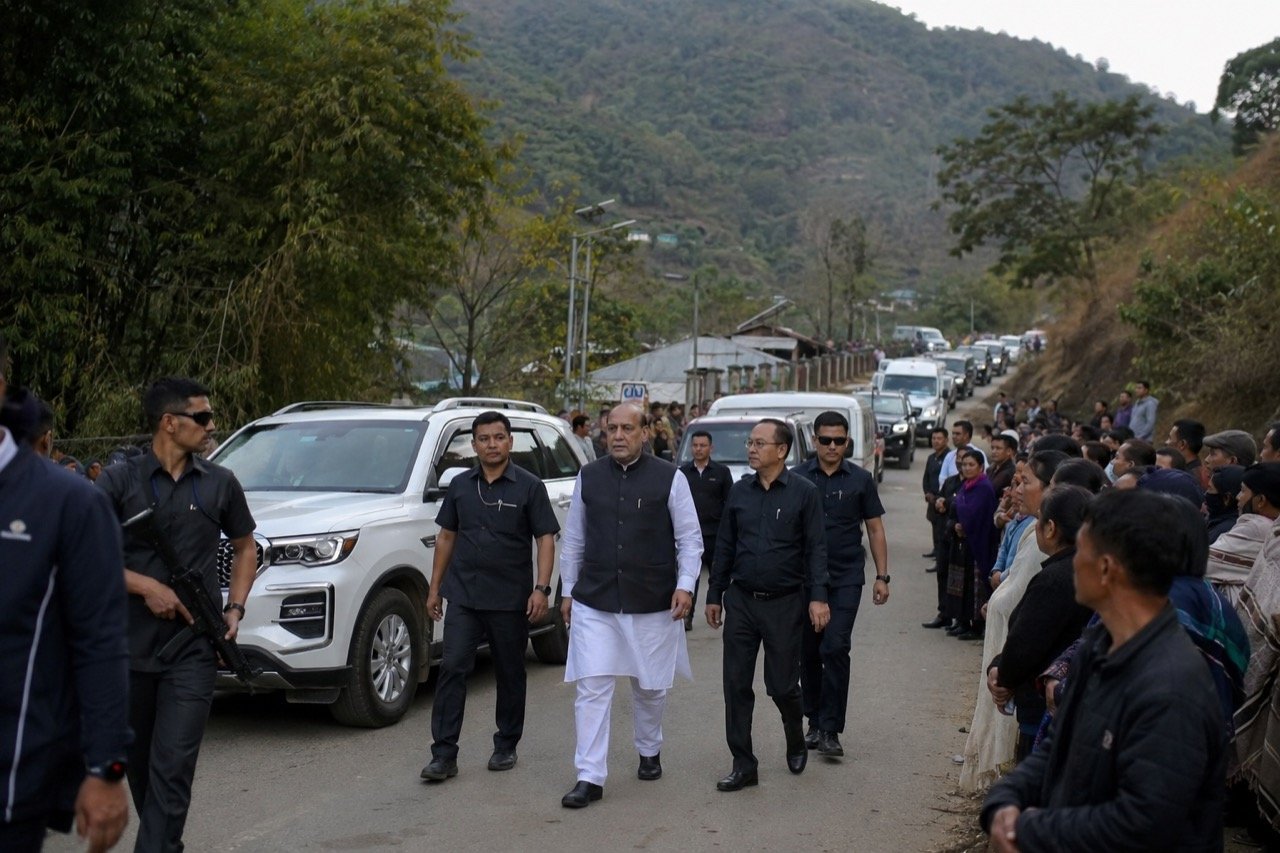
Manipur CM's Churachandpur Visit: First Since 2023 Unrest
The Manipur Chief Minister travelled to Churachandpur for a BJP MLA's funeral, his first visit to the district since the 2023 violence, lending the sombre occasion an unmistakable political significance.