Maharashtra Tables Record Rs 97,706 Crore Supplementary Demands, Farm Relief in Focus
Maharashtra has placed one of its largest-ever supplementary spending demands before the legislature, anchoring nearly Rs 97,706 crore on farm loan waivers, welfare and urban development amid fiscal-discipline questions.
Commentary & Analysis ·
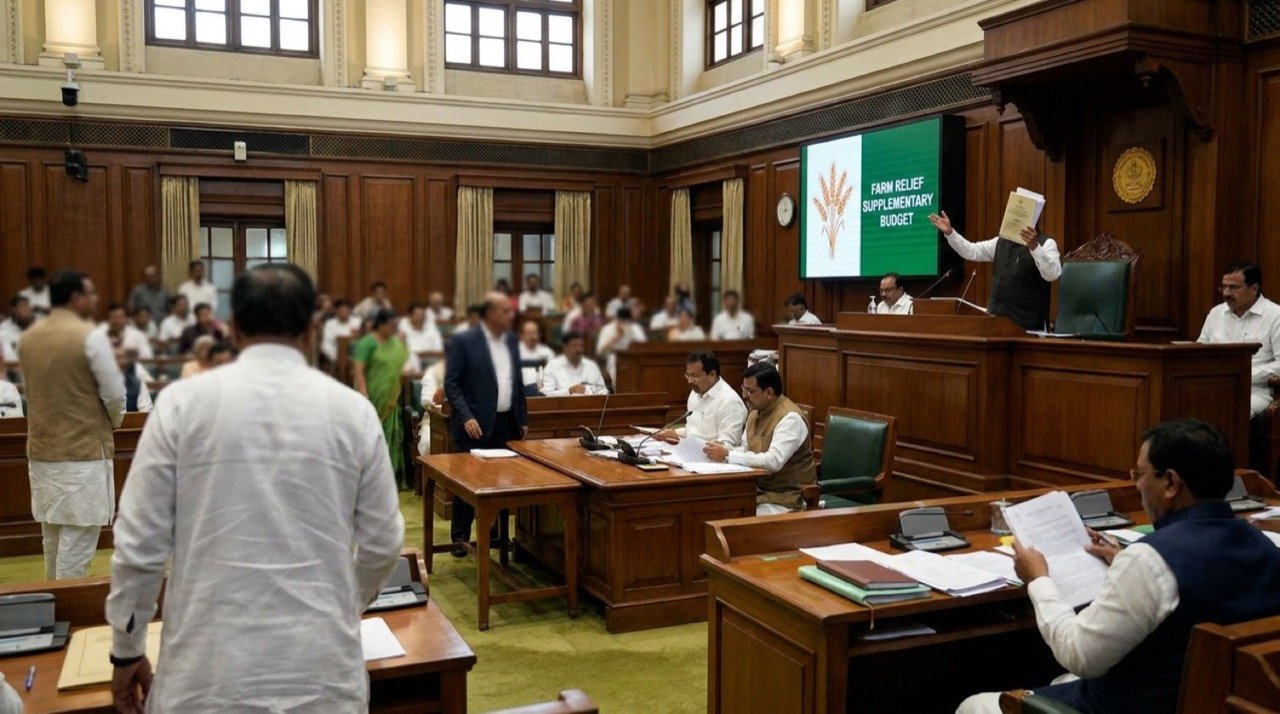
The Maharashtra government has tabled supplementary demands worth roughly Rs 97,706 crore, a figure that ranks among the largest mid-year spending proposals the state has ever placed before its legislature. The package threads together commitments on farm loan waivers, welfare schemes, infrastructure, urban development and a range of departmental requirements, signalling both the breadth of the administration's promises and the pressure to fund them within the running financial year.
What supplementary demands actually mean
Supplementary demands are the instrument a state turns to when the provisions cleared in the annual budget fall short, or when fresh liabilities emerge after the books for the year have already been set. They are not a parallel budget so much as a top-up, voted by the legislature to authorise spending that the original estimates did not anticipate or did not size adequately.
Because they arrive outside the regular budget cycle, the scale of a supplementary package is read as a barometer of how closely actual spending is tracking the plan. A demand approaching Rs 1 lakh crore inevitably draws attention to whether the original estimates were conservative, or whether new commitments have outpaced what was budgeted.
Why farm relief sits at the centre
A significant share of the proposal is linked to farm loan waiver commitments, a politically charged area where the gap between announcement and disbursement is watched intently by farmers and opposition benches alike. Welfare schemes, urban development and infrastructure allocations round out the request, reflecting an administration trying to keep multiple delivery promises moving at once.
The fiscal-discipline question
The size of the package will be scrutinised for what it implies about borrowing space and the state's fiscal headroom. Every large supplementary demand raises the same trade-off: meeting commitments quickly versus preserving the discipline that keeps debt servicing manageable and future budgets credible. For a state with Maharashtra's revenue base, the concern is less about capacity to spend than about the cumulative weight of recurring welfare obligations.
- Total supplementary demands tabled at approximately Rs 97,706 crore.
- Farm loan waiver commitments form a major component of the package.
- Allocations span welfare schemes, infrastructure and urban development.
- The scale renews questions over borrowing space and fiscal discipline.
- Speed of disbursement to farmers and cities is the key public test.
For citizens, the headline figure matters less than the timeline that follows it. The real measure of this package will be how quickly approved funds translate into loan-waiver credits, completed civic works and functioning public services on the ground.
Looking ahead, the legislature's debate over the demands is likely to centre on prioritisation and pace rather than on whether the spending is justified. How the government sequences farm relief against its other obligations will shape both fiscal optics and political credibility through the rest of the year.
The NE Times View
A near-Rs 98,000 crore supplementary demand is less a budget than a political signal: farm loan waivers and welfare buy peace, but they also defer the harder work of irrigation, price stability and rural credit reform. Maharashtra's finances can absorb one such year; repeated off-cycle spending of this scale is how states quietly mortgage their fiscal room. Watch whether relief reaches farmers or merely the ledger.
This article is original commentary and analysis by The NE Times. Background facts were referenced from The Indian Express and Hindustan Times.
You may also like to read
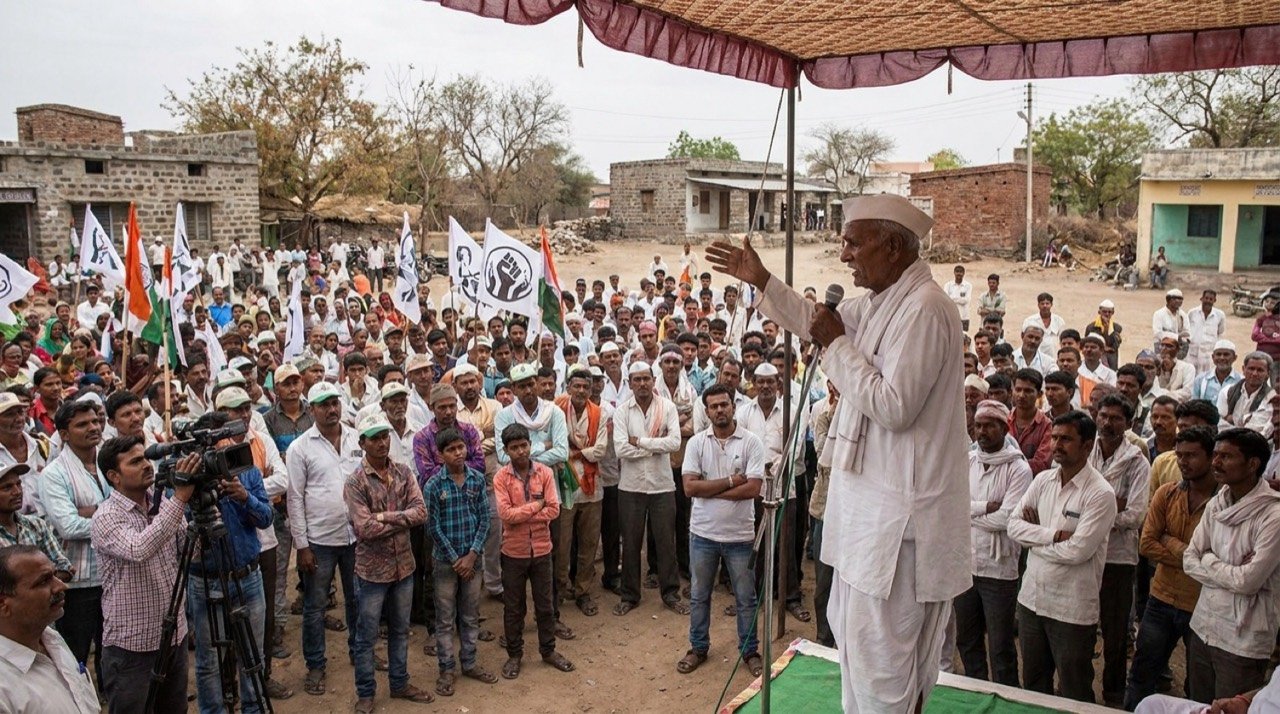
Anna Hazare Warns of July 5 Hunger Strike Over Maharashtra RTI Rule Changes
Veteran activist Anna Hazare has threatened an indefinite fast from July 5 at Ralegan Siddhi unless Maharashtra rolls back amendments to its Right to Information rules that he says could weaken citizens' access to information.
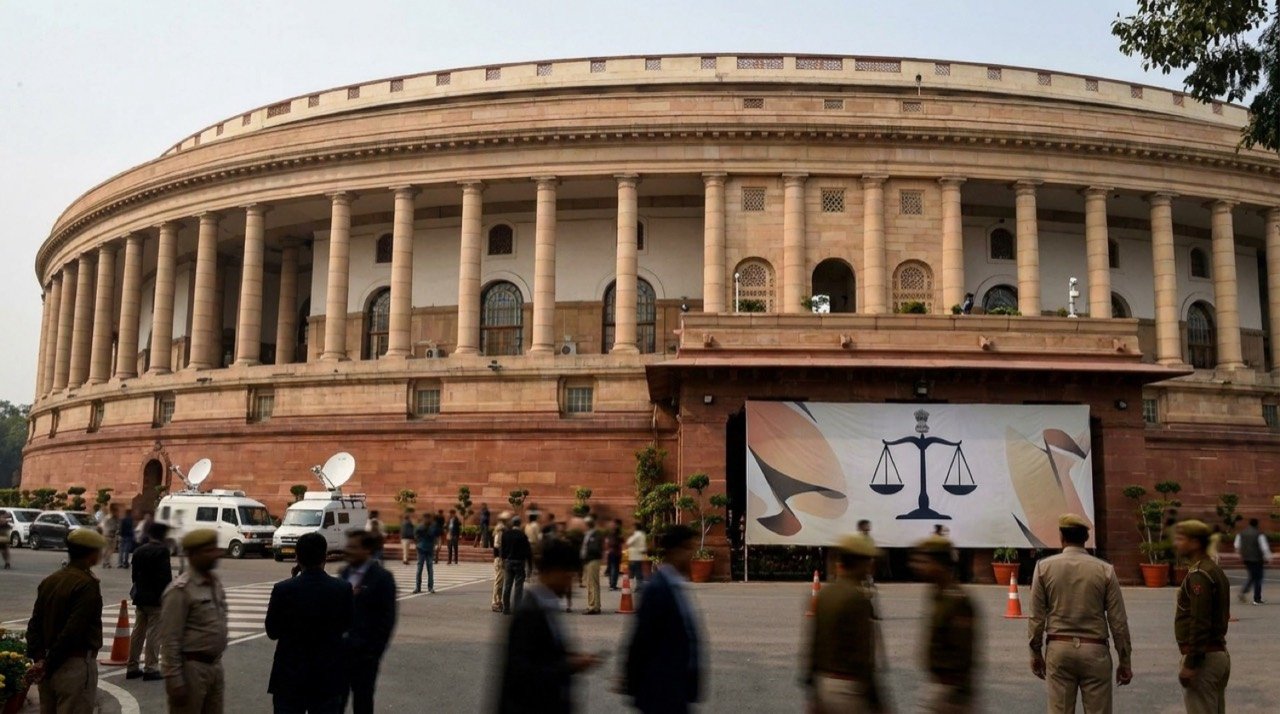
Sena UBT Defections Await Speaker's Recognition in Fresh Maharashtra Twist
A reported bid by six Shiv Sena UBT MPs to be recognised as a separate group has opened a new front in Maharashtra's party-split politics, with the Lok Sabha Speaker's call now pivotal.
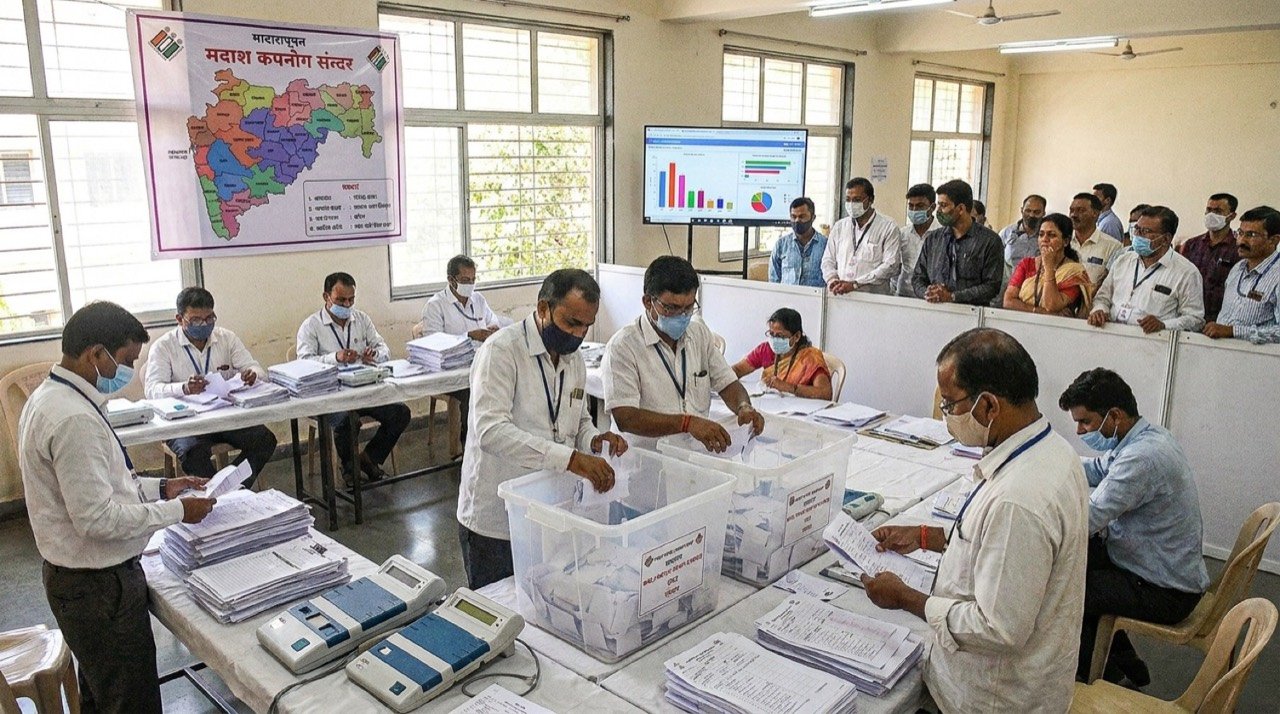
BJP-Led Mahayuti Sweeps Vidarbha in Maharashtra Council Polls
The BJP-led Mahayuti has tightened its grip on Vidarbha, winning local-authority council seats in Nagpur, Amravati and Bhandara-Gondia and signalling its organisational depth ahead of crucial civic battles.
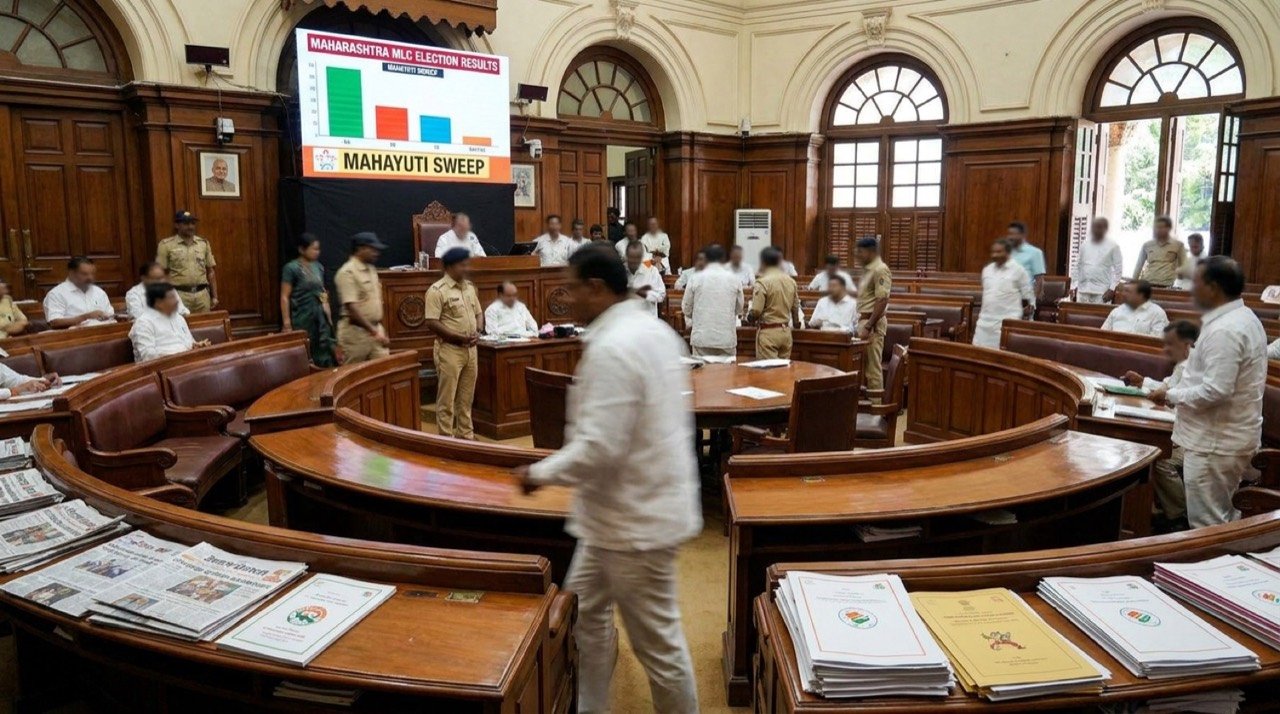
Mahayuti Sweeps 16 of 17 Maharashtra MLC Seats as Opposition Draws a Blank
Maharashtra's ruling Mahayuti alliance has won 16 of 17 Legislative Council seats while the opposition Maha Vikas Aghadi failed to win any, signalling renewed momentum for the governing coalition.
More from this section
More
K Kavitha Party Denied TRS Name by Election Commission
The Election Commission has refused to register K Kavitha's Telangana Rakshana Sena under the TRS acronym after objections, forcing a branding reset for the new party at a politically sensitive moment in Telangana.
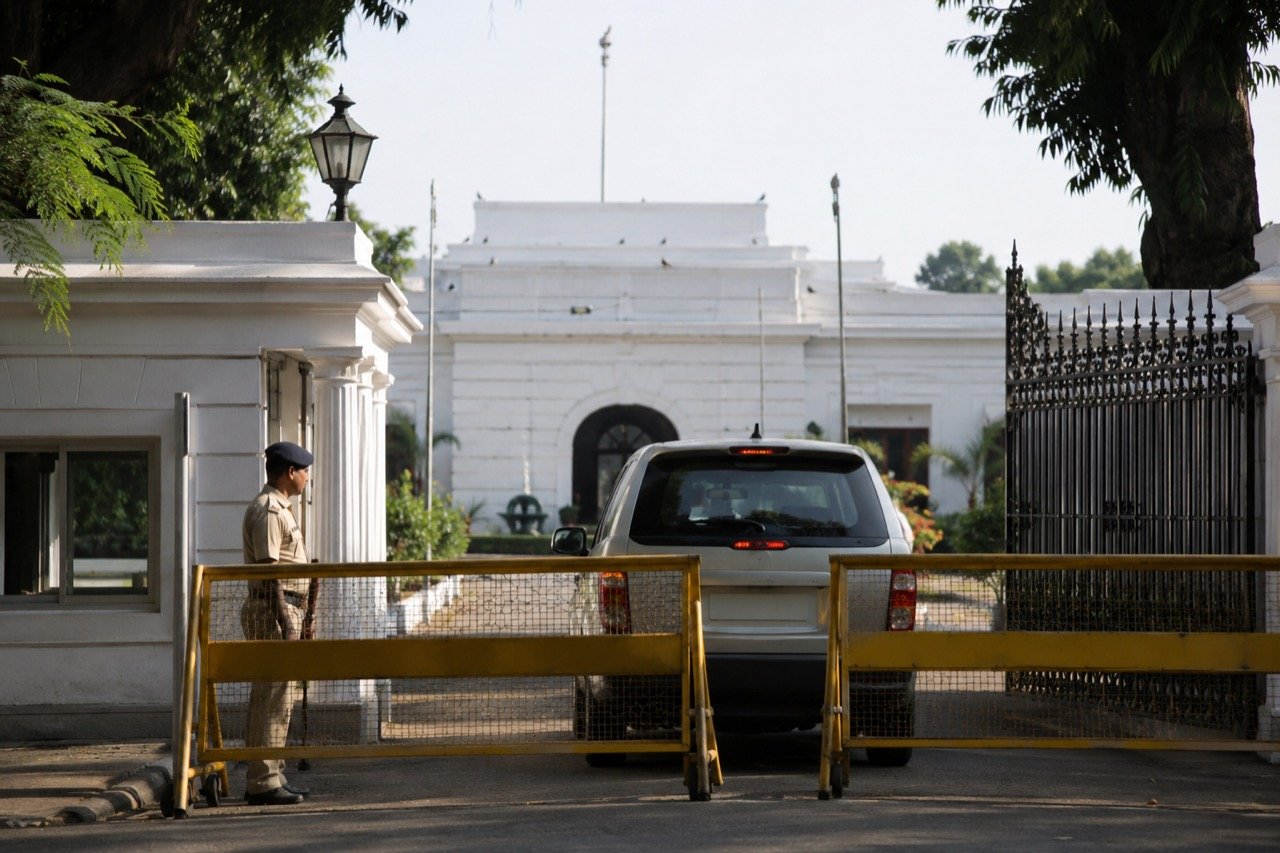
Lalu Prasad Yadav Security Downgrade, Bungalow Order Stir Bihar
A government order downgrading Lalu Prasad Yadav's security cover and asking him to vacate an official bungalow has opened a fresh political flashpoint in Bihar, with the RJD chief's reaction fuelling the row.
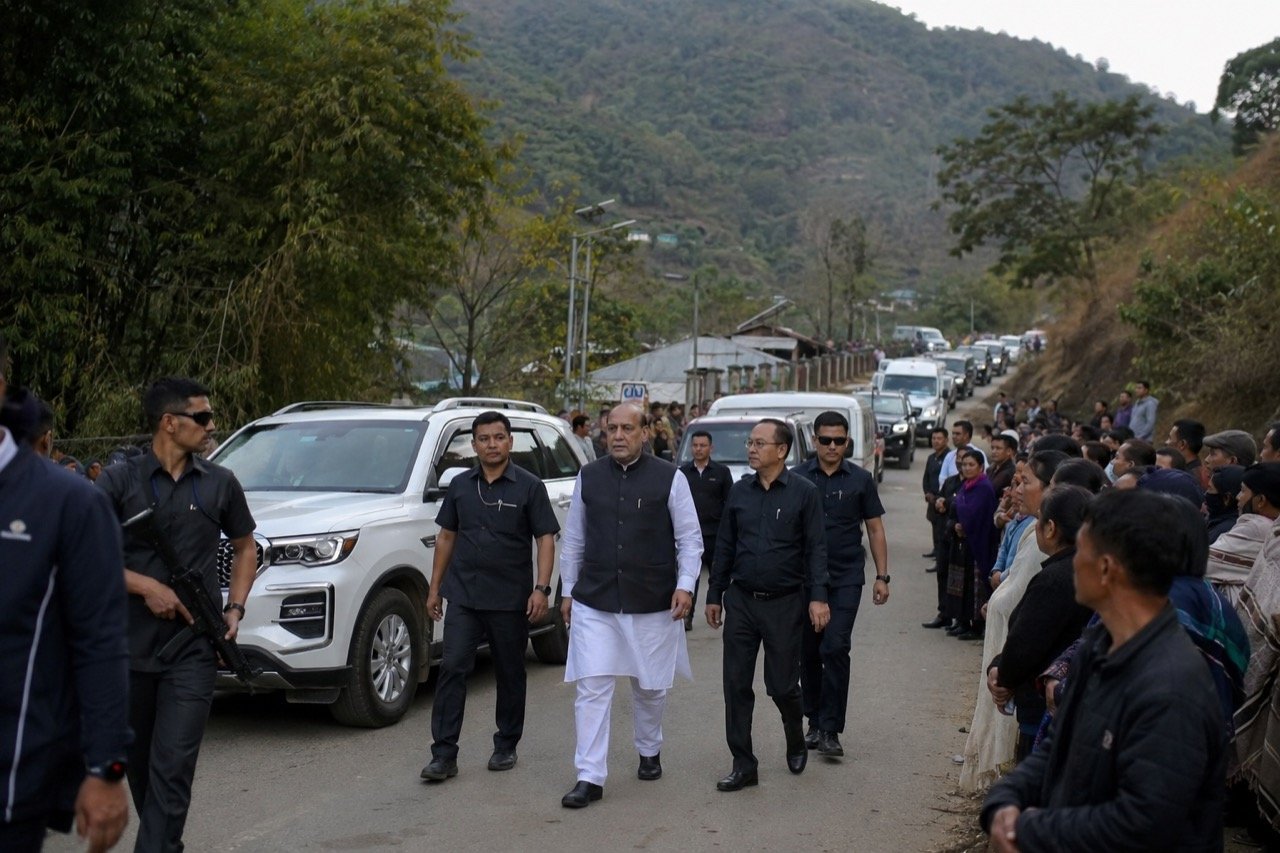
Manipur CM's Churachandpur Visit: First Since 2023 Unrest
The Manipur Chief Minister travelled to Churachandpur for a BJP MLA's funeral, his first visit to the district since the 2023 violence, lending the sombre occasion an unmistakable political significance.