Defence Ministry overhauls spending rules, doubles financial powers of military commanders
The new Delegation of Financial Powers to Defence Services framework, in force from 8 June, lets field commanders clear urgent purchases worth more than Rs 1.25 lakh crore through the revenue route.
Commentary & Analysis ·

The Ministry of Defence has approved a sweeping revision of the rules that govern how the armed forces spend money, sharply raising the financial authority of field commanders in a move officials describe as one of the most significant changes to defence procurement administration in years. Defence Minister Rajnath Singh cleared the revised framework, formally titled the Delegation of Financial Powers to Defence Services 2026, or DFPDS-2026, with the new ceilings taking effect from 8 June.
The overhaul is designed to compress the time it takes the Army, Navy and Air Force to convert an operational requirement into a signed contract. By devolving greater spending discretion to commanders closer to the front line, the government hopes to reduce the layers of approval that have historically slowed even routine purchases, while keeping high-value capital acquisitions within the existing centralised system.
What the revised powers allow
Under the new rules, the financial limits available to field commanders have been increased by up to 100 per cent, and in certain categories more than doubled. The revised powers are expected to facilitate defence procurement worth more than Rs 1.25 lakh crore through the revenue route, drawing on the current financial year's budgetary allocations. The revenue route covers spares, maintenance, ammunition replenishment and other recurring needs, as distinct from the capital budget used to buy major platforms such as warships and fighter aircraft.
The framework also expands the special financial powers that the three services can invoke to meet urgent operational requirements. The overall ceiling for emergency and mission-critical purchases has been doubled, a change officials say is intended to let commanders respond quickly when stocks run low or equipment must be replaced at short notice.
Joint procurement and self-reliance
A notable addition in DFPDS-2026 is a set of provisions to promote joint-service procurement. Under these, a designated lead service can undertake purchasing on behalf of multiple services with higher delegated authority, avoiding duplication when more than one arm of the military needs the same equipment. The ministry has framed the measure as a step towards greater integration among the services, a long-standing goal of India's defence reform agenda.
The revision sits alongside the government's broader push for domestic defence manufacturing under the self-reliance, or Atmanirbharta, programme. Officials indicated that the faster clearances are expected to benefit Indian vendors, including private firms and defence public-sector undertakings, by shortening payment and order cycles.
Why the change matters
Defence analysts have for years pointed to procedural delay as a structural weakness in India's procurement system, with urgent requirements sometimes taking months to clear. The enhanced delegation is intended to address that bottleneck at the revenue level, where the bulk of day-to-day spending occurs.
- Field commanders' financial limits raised by up to 100 per cent, more than doubled in some categories
- Procurement worth over Rs 1.25 lakh crore enabled through the revenue route this financial year
- Emergency and mission-critical purchase ceilings doubled for faster response
- New joint-service procurement provisions allow a lead service to buy for multiple arms
- Revised powers in force from 8 June 2026
The government has presented the package as a balance between speed and accountability, retaining oversight for large capital acquisitions while loosening constraints on lower-value but operationally important spending. The ministry said the changes aim to improve the operational efficiency of the services by enabling expeditious decision-making in procurement from the revenue budget.
Outlook
How far the revised delegation translates into measurably faster acquisition will become clearer over the coming financial year, as commanders begin exercising the higher limits. The reform's emphasis on joint procurement may also serve as a test case for deeper integration ahead of the wider theatre-command restructuring that the armed forces have been preparing. For now, the government has signalled that streamlining the machinery of spending is as much a part of military modernisation as the hardware it buys.
The NE Times View
Devolving financial powers to field commanders is sensible reform: the bottleneck in Indian defence has long been procurement that crawls while threats move fast. Faster clearances for urgent purchases can sharpen readiness, but the scale of delegated authority makes audit, accountability and guardrails against waste non-negotiable. Speed without transparency invites the very inefficiencies this overhaul aims to cure. The test will be whether oversight keeps pace with the new freedom.
This article is original commentary and analysis by The NE Times. Background facts were referenced from The Week and Business Standard.
You may also like to read
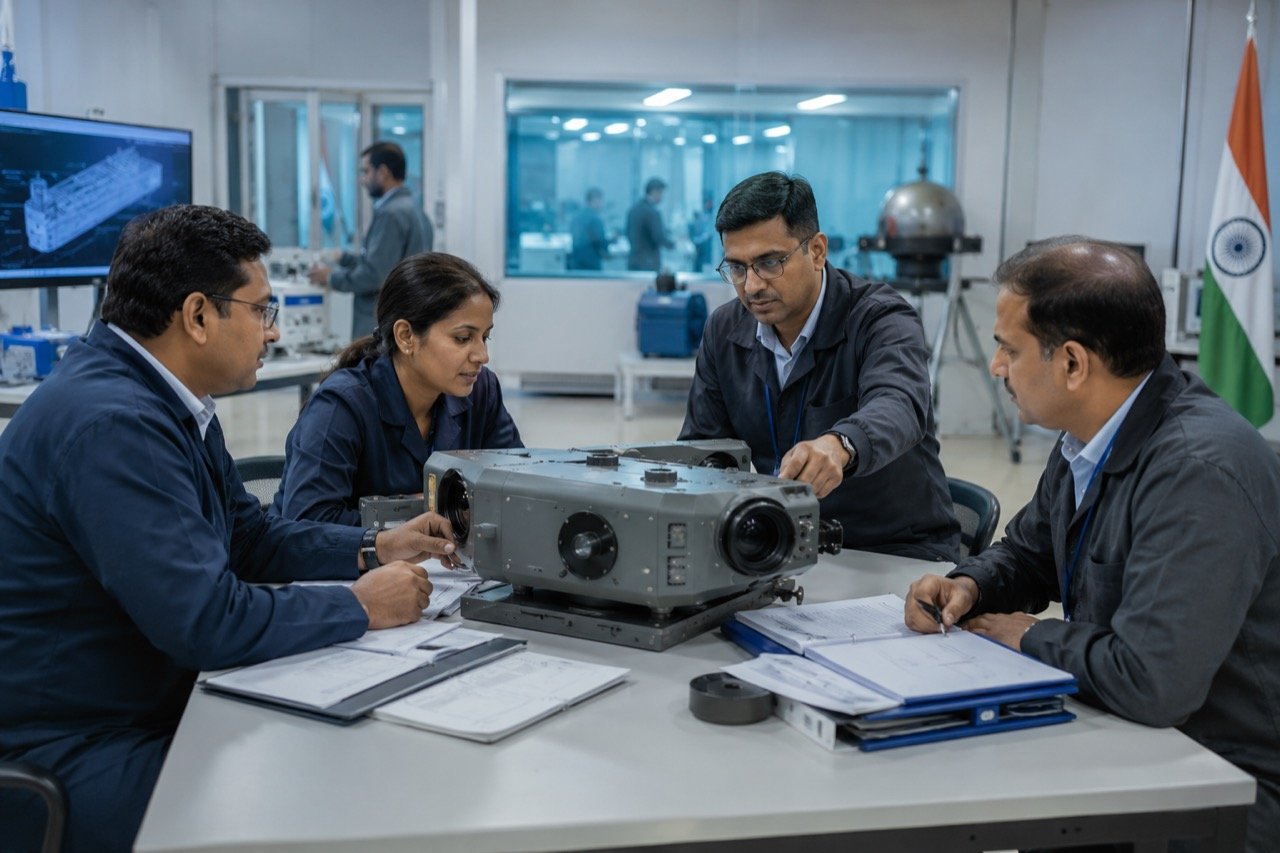
DFP 2026 Unveiled: Rajnath Singh Moves to Fast-Track Defence R&D
Defence Minister Rajnath Singh has released the Defence Framework Procedure 2026, a revised procurement framework meant to push research and development outputs into the armed forces faster and deepen ties with industry and academia.
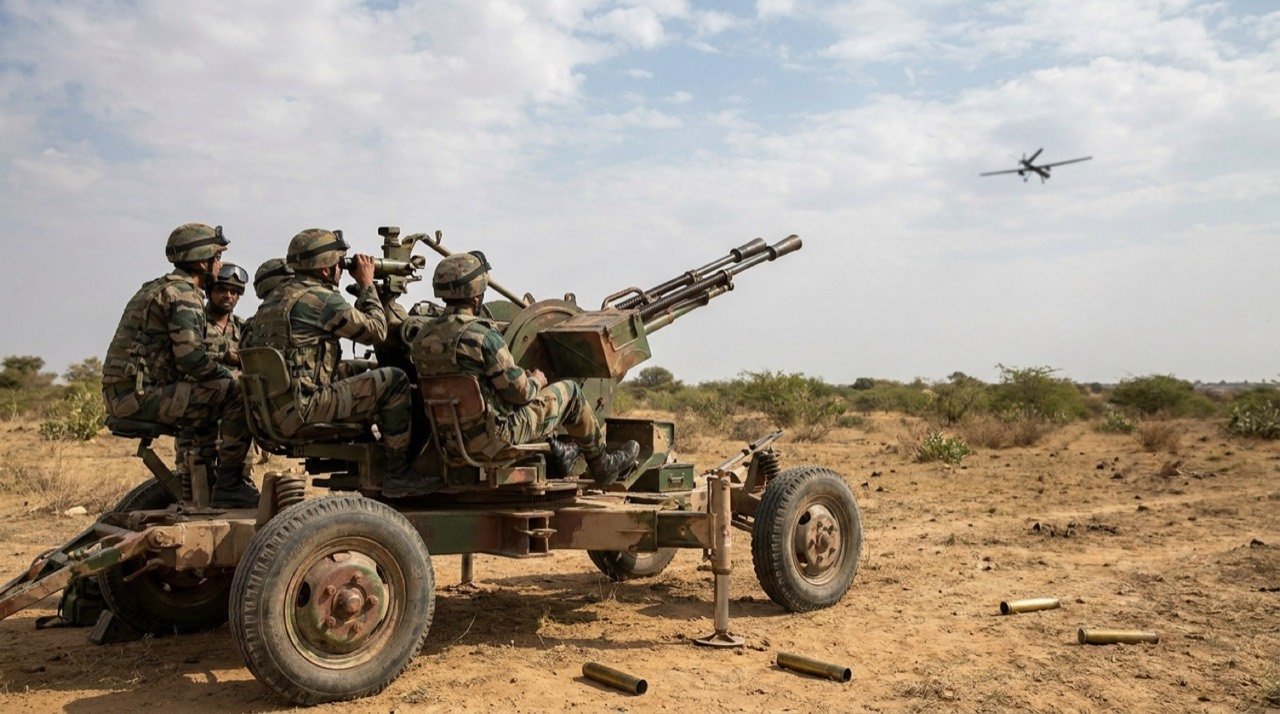
Army Air Defence Training Upgrade Targets Drone and Missile Threats
The Indian Army is acquiring new target systems that simulate drone swarms, helicopters and missile-like threats, sharpening air-defence training for an era of unmanned and smart weapons.
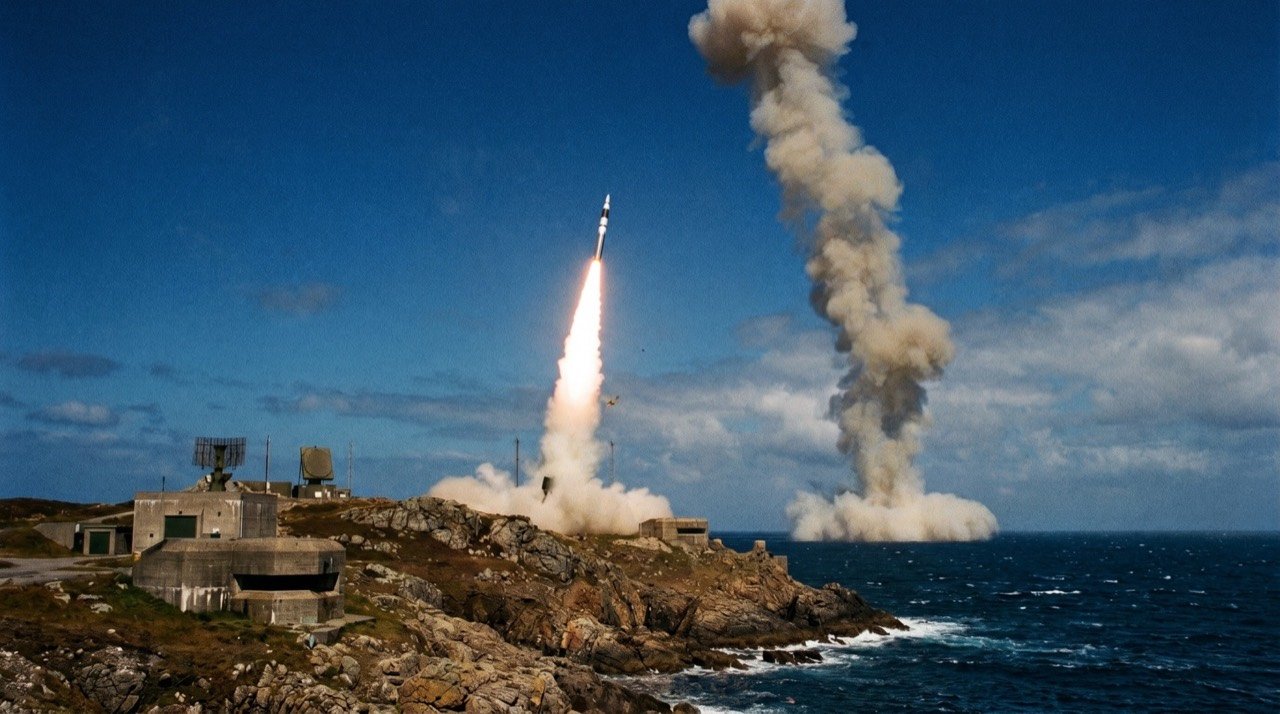
DRDO Tests Missile Defence Interceptors and New Anti-Ship Missile
India conducted a series of flight tests from Odisha in mid-June, validating its Phase-II ballistic missile defence interceptors and carrying out the maiden trial of an indigenous medium-range anti-ship missile.
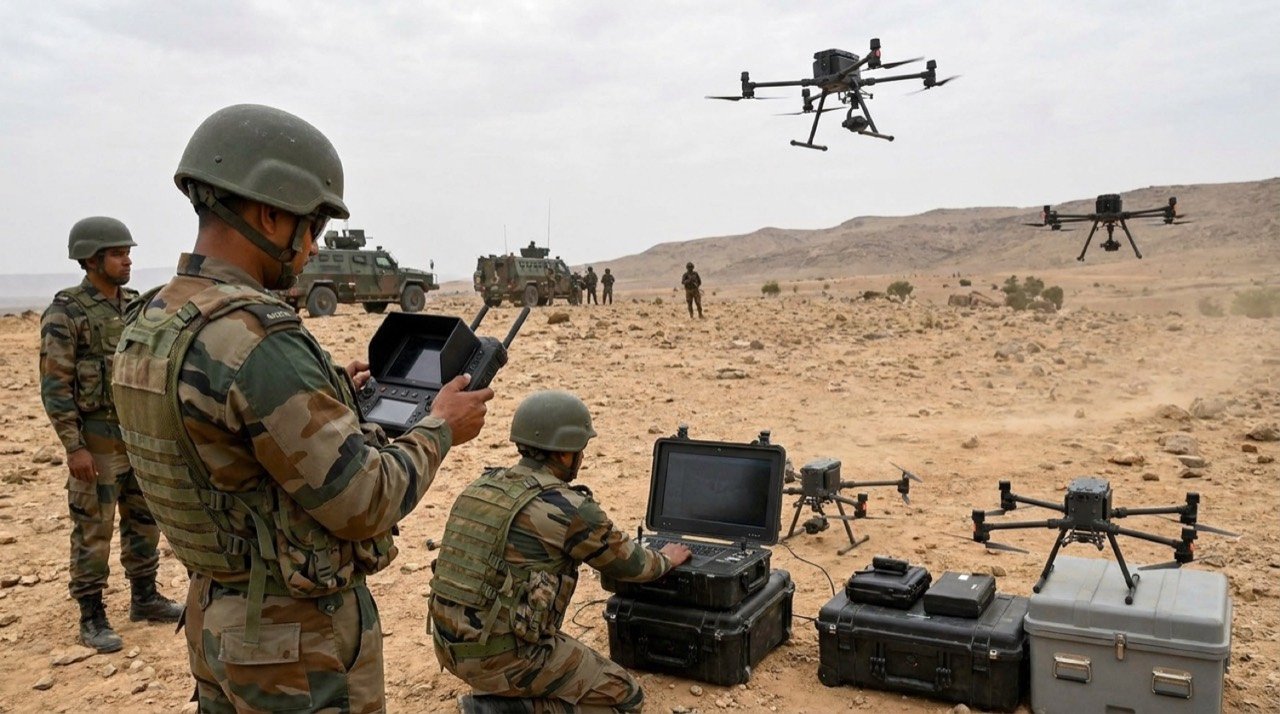
General Dwivedi's Tenure Puts Drones and New Battle Formations in Focus
As Army Chief General Upendra Dwivedi nears the end of his tenure on June 30, his legacy is being weighed through accelerated doctrine, drones and reorganised battle formations.
More from this section
More
AICTE Industry Fellowship 2026: Rs 1.5 Lakh Scheme Closes July 5
The AICTE Industry Fellowship Programme 2026, which places technical-education faculty inside leading companies on a Rs 1.5 lakh monthly stipend, reached its application deadline on July 5.
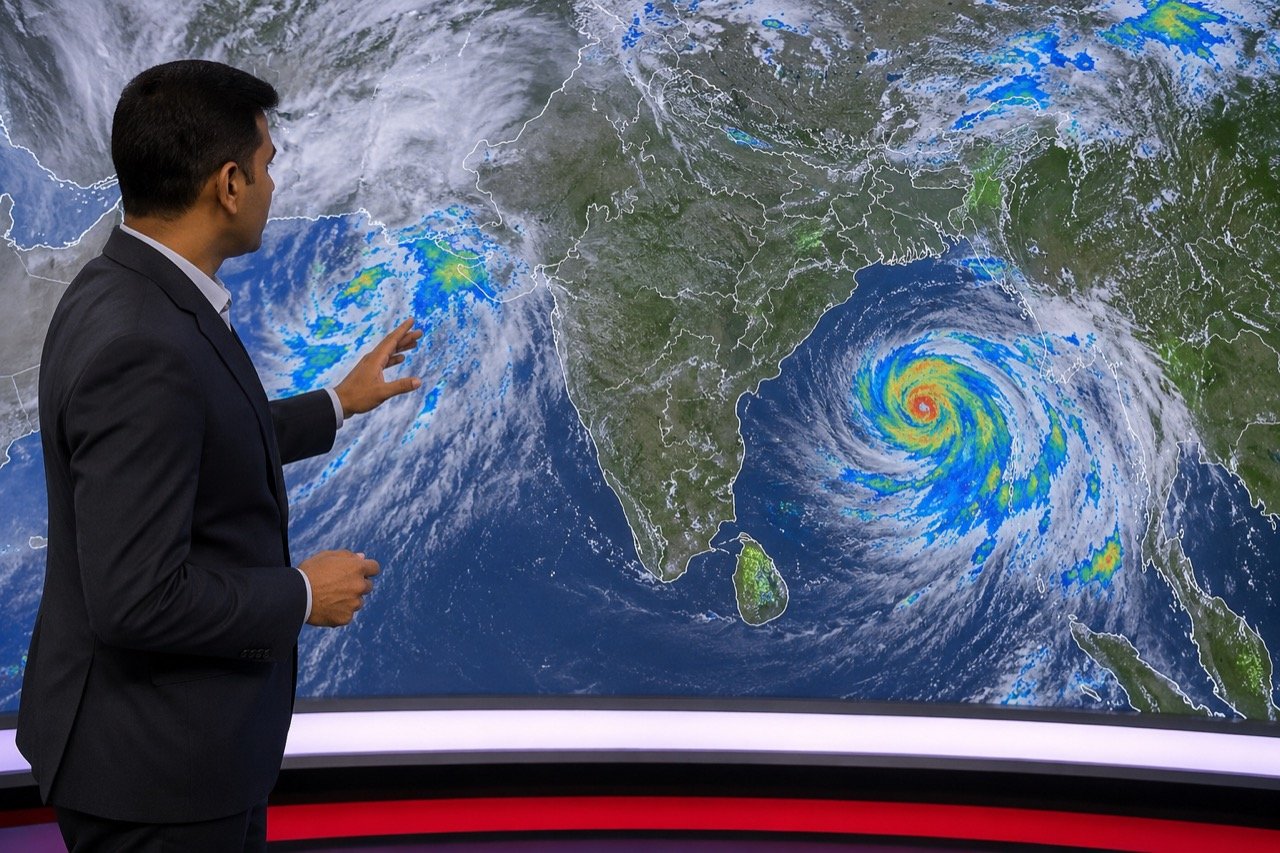
Bay of Bengal Low Pressure System Revives Monsoon Over Western India
A low-pressure system over the Bay of Bengal has pushed the monsoon back into an active phase, bringing steady heavy rain to Kerala, coastal Karnataka and Maharashtra, and putting Mumbai and Pune on preparedness watch.
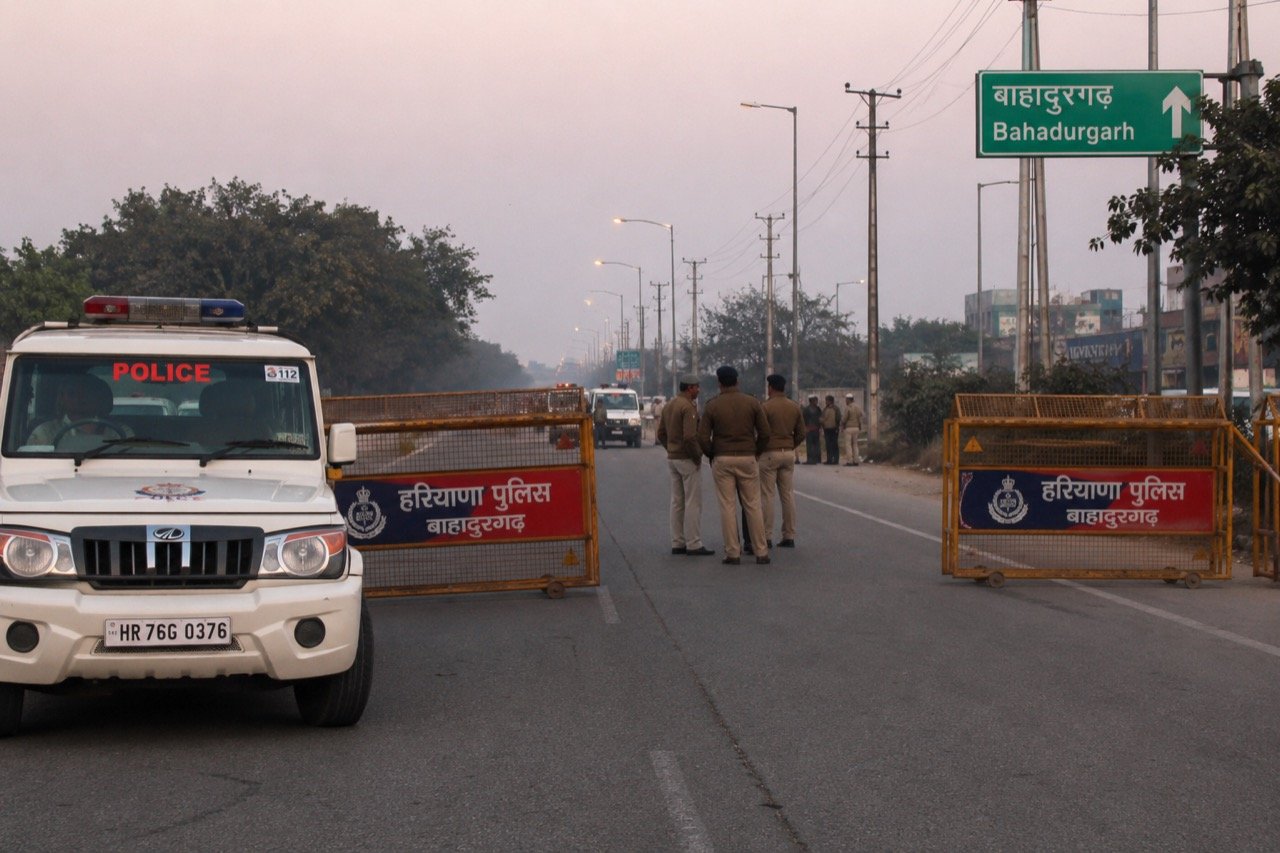
Bishnoi Gang Suspects Injured in Haryana Encounter as Police Tighten Net
A joint Haryana-Delhi Police operation in Bahadurgarh left two suspected Lawrence Bishnoi gang members injured, spotlighting the multi-state coordination now central to India's fight against organised crime networks.