BEL Wins Rs 1,081 Crore in Fresh Defence Electronics Orders, Strengthening India's Indigenisation Push
Bharat Electronics Ltd has secured roughly Rs 1,081 crore in additional orders spanning radar, avionics, jammers and tank protection, reinforcing India's drive for self-reliant defence electronics.
Commentary & Analysis ·
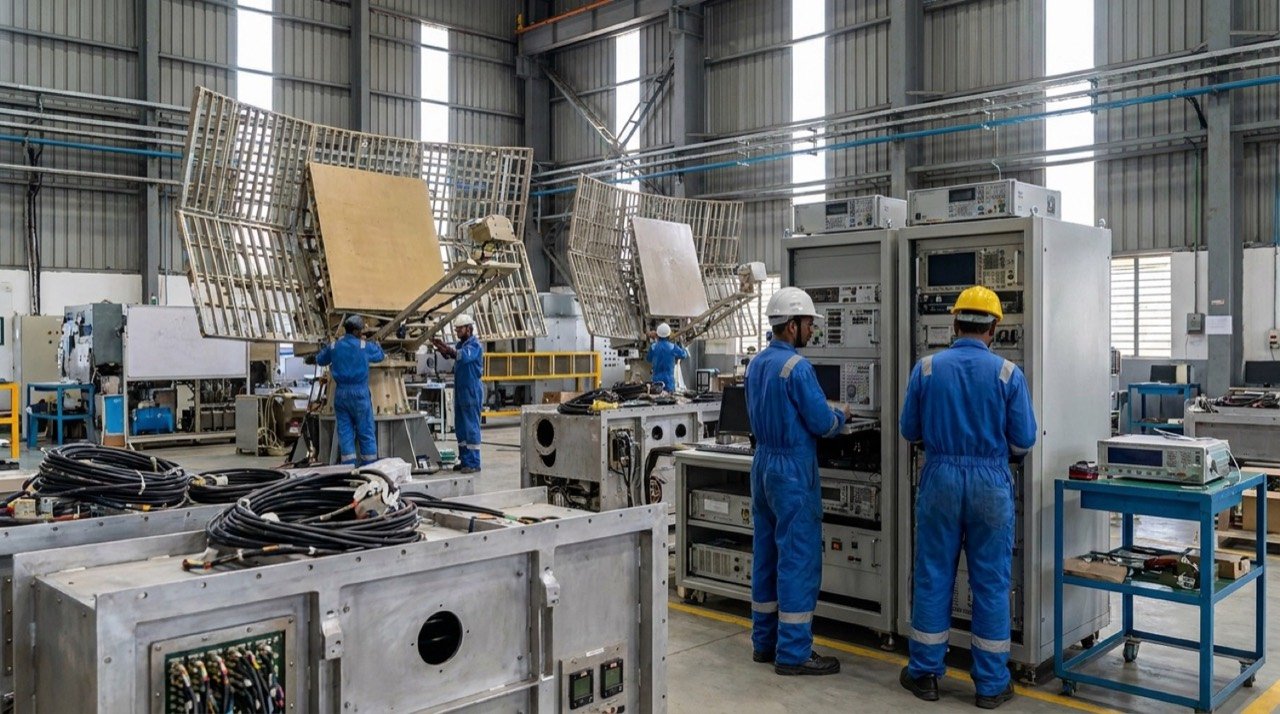
Bharat Electronics Ltd (BEL), one of India's flagship defence public-sector undertakings, has reported additional orders worth about Rs 1,081 crore since its last disclosure, according to market reports. The fresh business spans a wide cross-section of the company's portfolio and lands at a time when New Delhi is intensifying its push to manufacture high-value military electronics at home rather than import them.
What the new orders cover
The orders reportedly include communication equipment, radar spares, electro-optics, avionics, simulators, tank protection systems, jammers and a bundle of related services. That breadth is significant: it underlines BEL's position as a systems supplier across multiple armed-forces platforms rather than a single-product vendor. Spares and services, in particular, tend to deliver steadier, higher-margin revenue than one-off equipment sales.
For a company whose order book is closely watched as a proxy for future revenue, the disclosure adds to the backlog that analysts use to gauge multi-year earnings visibility. The question now is execution rather than announcement.
Why it matters for indigenisation
BEL sits at the centre of India's defence-electronics ecosystem, supplying systems used by the Army, Navy and Air Force as well as other public-sector platforms. Each new order that draws on domestic engineering reduces dependence on foreign suppliers, a core objective of the government's Atmanirbhar Bharat and Make in India programmes. For policymakers, the steady flow of work is evidence that homegrown capability in radar, electro-optics and electronic warfare is maturing.
The strategic logic is reinforced by recent border tensions and global supply shocks, which have made governments wary of relying on imported critical electronics that can be disrupted or denied.
The execution test ahead
An expanding backlog is only as good as the company's ability to convert it into delivered systems on time and on margin. Investors and analysts will be watching delivery timelines, profitability, the share of imported components in each order, and supply-chain readiness for items such as semiconductors and specialised sensors.
- Delivery timelines: whether orders translate into shipments rather than a swelling but slow-moving backlog.
- Margins: the mix of high-value spares and services versus lower-margin hardware.
- Import content: how much of each system is genuinely indigenous.
- Supply-chain readiness: access to chips, sensors and specialised inputs.
- Sustained execution: repeat orders signalling durable demand, not a one-off spike.
“The order book gives revenue visibility, but the market will judge BEL on conversion, margins and how much of each system is truly built in India.”
— Defence-sector analyst
If BEL can pair its growing backlog with disciplined execution and deepening localisation, the latest Rs 1,081 crore in orders will be read less as a headline number and more as a marker of India's steady climb up the defence-electronics value chain. The coming quarters, and the company's delivery record, will determine whether that promise holds.
The NE Times View
Fresh orders for radar, avionics and tank protection are more than a balance-sheet win for BEL; they are a marker of how far indigenous defence electronics has come. Reducing reliance on imports in sensitive systems carries strategic value no price tag captures. The harder ambition is moving from assembling to genuinely innovating, so India sets the standard rather than catching up to it. Sustained order flow buys the time to attempt exactly that.
This article is original commentary and analysis by The NE Times. Background facts were referenced from Business Standard and Bharat Electronics Ltd.
You may also like to read
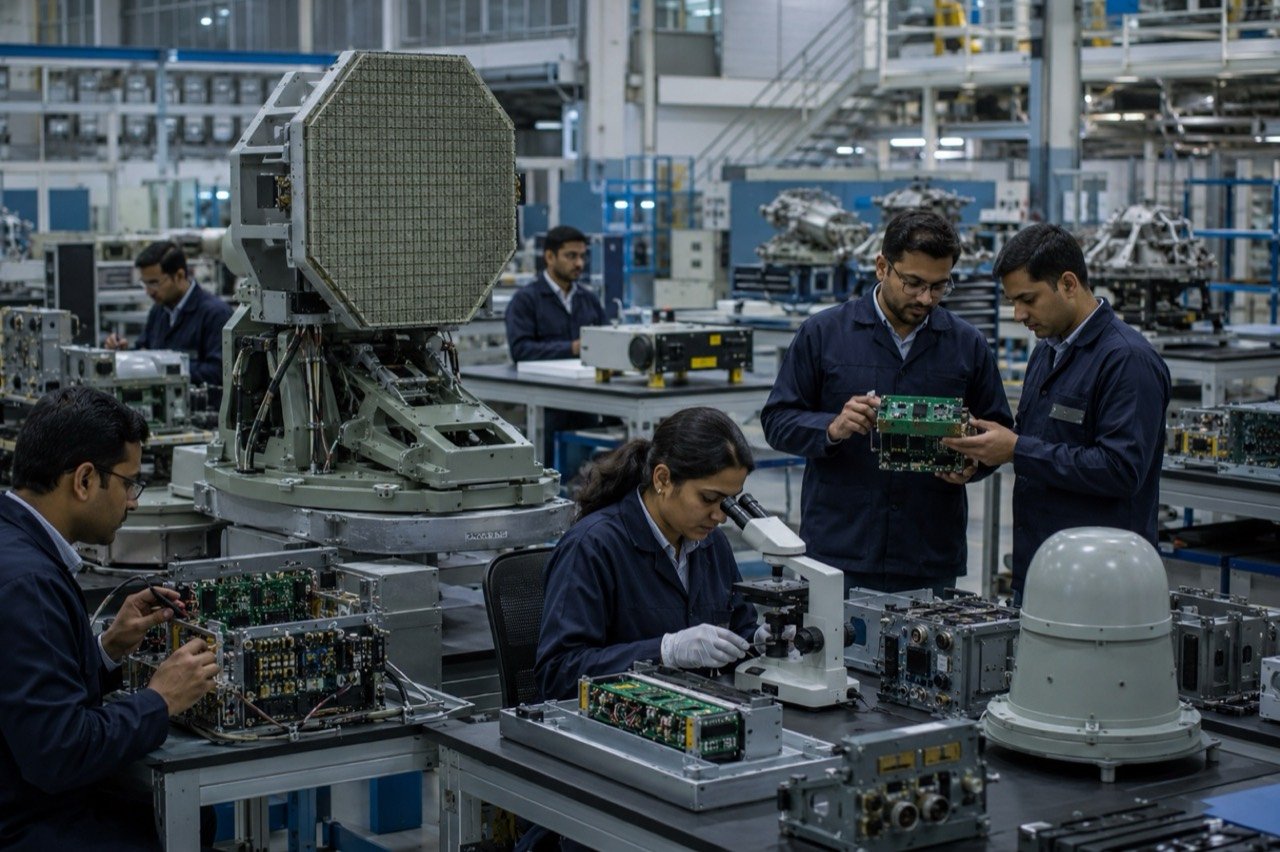
BEL Secures Rs 1,081 Crore in Fresh Defence Electronics Orders
Navratna PSU Bharat Electronics has booked Rs 1,081 crore in new orders since May, spanning radars, communication gear, CBRN protection and avionics, keeping its shares and order book firmly in focus.
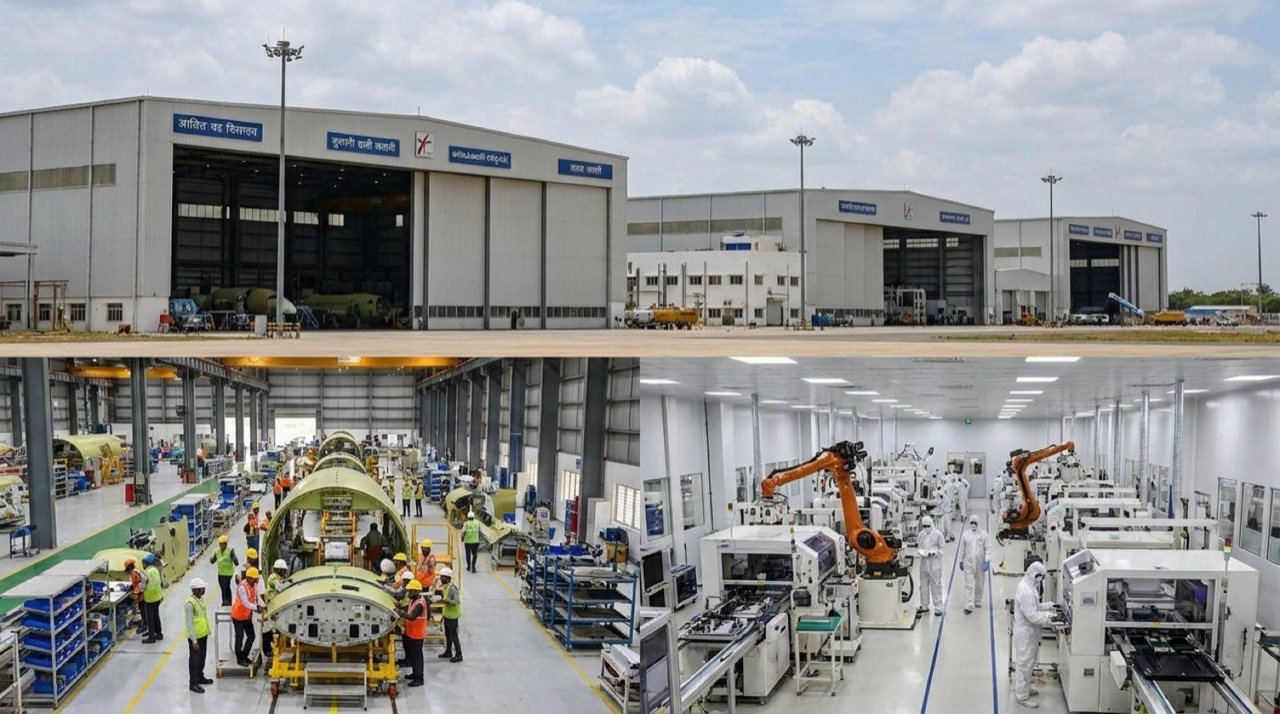
Seven Defence Manufacturing Clusters Put India's Self-Reliance Push in Focus
India is reportedly planning seven defence manufacturing clusters to deepen domestic capability, cut import dependence and strengthen supply chains across aerospace, electronics and land systems.

Odisha Launches Rs 500 Crore Push To Revive Riverfronts And Urban Water Bodies
Odisha has approved a Rs 500 crore, five-year waterfront development programme to restore riverfronts and urban water bodies, improve public access and boost eco-tourism across selected cities.
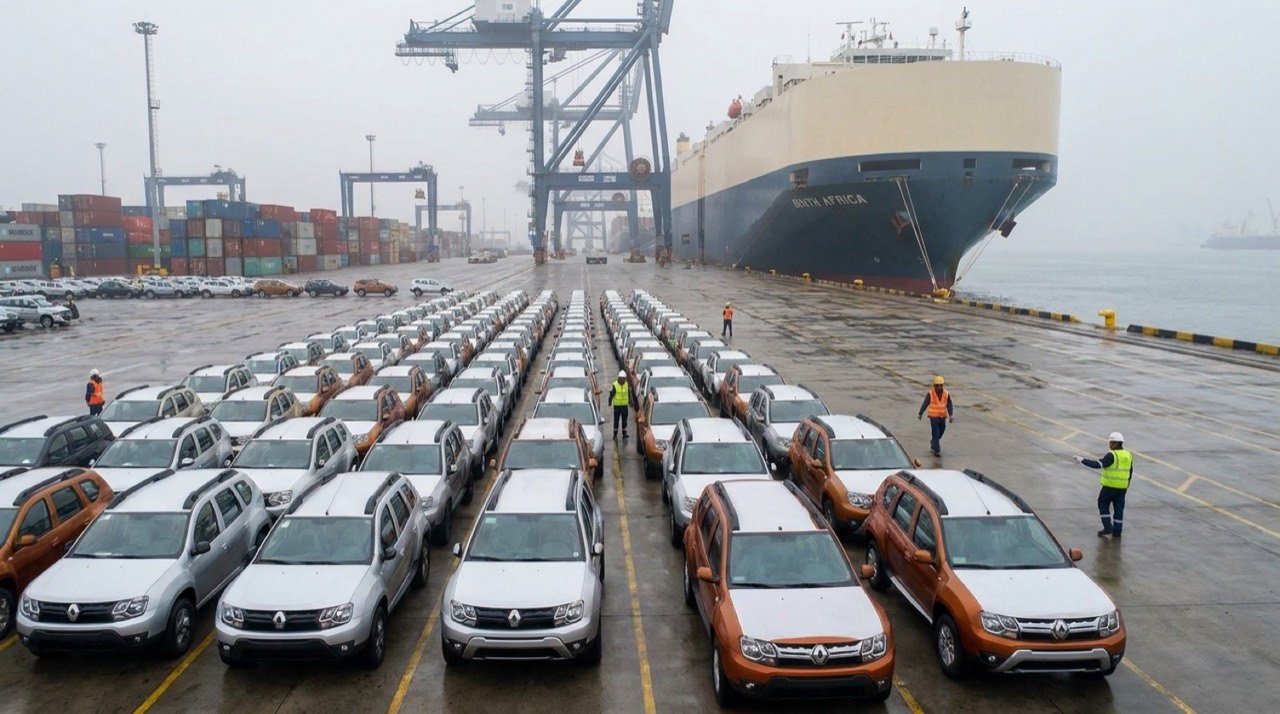
Made-in-India Renault Duster Heads to South Africa, Spotlighting India's Auto Export Strength
Renault's export of locally built Dusters to South Africa underscores India's growing role as a global manufacturing and right-hand-drive export base for the world's carmakers.
More from this section
More
Adani Case: US DOJ Pushes for Permanent Dismissal of Charges
The US Department of Justice has urged a judge to permanently dismiss charges against Gautam Adani, calling the case legally flawed — a reversal with consequences for markets, diplomacy and cross-border enforcement.

Akasa Air Inducts 40th Aircraft in Indian Aviation Scale-Up
Akasa Air's 40th aircraft, ferried to Bengaluru via Seattle, Reykjavik and Cairo, marks a fleet milestone for the young carrier and a fresh signal that India's aviation market remains firmly in expansion mode.
BARC Ratings Suspension Leaves Indian TV Industry Flying Blind
BARC's pause on television ratings has put India's broadcast measurement system under fresh scrutiny, leaving broadcasters, advertisers and media planners without the weekly audience data that anchors the TV economy.