El Nino Risk Flags 111 Districts for Monsoon Deficit Worry
A fresh assessment has identified 111 districts as highly vulnerable to an El Nino-linked monsoon deficit, with Maharashtra and Madhya Pradesh accounting for a large share and farm incomes at stake.
Commentary & Analysis ·
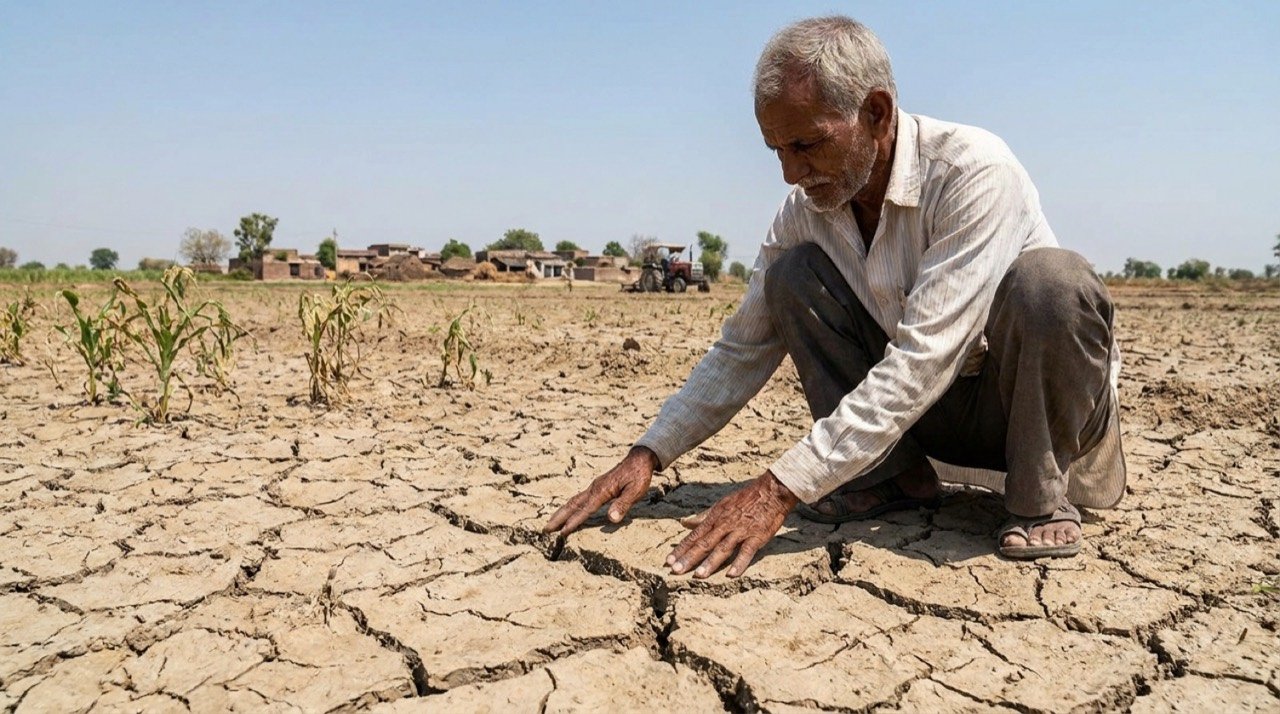
A fresh assessment reported by Business Standard has identified 111 districts across India as highly vulnerable to a monsoon deficit linked to El Nino conditions, with Maharashtra and Madhya Pradesh accounting for a large share of the list. The warning lands at a sensitive time, framing the monsoon as not merely a weather story but a question of agriculture, inflation and rural demand. For a country where the rains still dictate the rhythm of an entire crop cycle, a list of this length is not a footnote in a weather bulletin; it is an early flag for policymakers, state governments and millions of cultivating households who have little cushion against a bad season.
Why rain distribution matters
It is not the total volume of rainfall alone that shapes farm outcomes, but its timing and spread. A season can register as statistically normal in aggregate and still fail specific districts if the rain arrives too early, too late, or in erratic bursts rather than a steady spread across the sowing and growing windows. Uneven distribution can leave some districts parched even in a notionally normal season, disrupting sowing schedules and stressing reservoirs that feed both irrigation and drinking-water supplies. This distinction matters because it means the 111 flagged districts cannot simply wait for a reassuring national rainfall average; they need rain to fall in their own backyard, in the right weeks, for the season to count as a success locally.
For the flagged districts, a weak or erratic monsoon could hit kharif sowing, depress yields and squeeze rural incomes, with knock-on effects for the wider economy that depends heavily on farm-sector demand. Kharif crops, sown with the onset of the monsoon and harvested in autumn, form the backbone of India's foodgrain output and cash-crop economy alike. A delayed or patchy start can force farmers to either gamble on late sowing with a shortened growing window, or hold back and risk missing the season altogether. Both paths tend to depress final yields, and the effects rarely stay confined to the farm gate.
The inflation and demand link
A rainfall shortfall feeds directly into food prices. Lower output of key crops can push up retail inflation, eroding household budgets and complicating policy choices on interest rates and support measures. This is where a monsoon story becomes a macroeconomic one. Food items carry significant weight in India's retail price basket, so even a moderate shortfall in a few staple crops can move the headline inflation number enough to influence the central bank's calculus on rates, and government's calculus on subsidies, procurement prices and export curbs.
Analysts have noted that a weak monsoon could prove a more durable worry for the economy than several external risks. That framing is worth sitting with: global headwinds such as trade frictions or commodity price swings tend to be episodic and often outside domestic control, whereas a poor monsoon directly and immediately touches the incomes of a very large share of the population. Rural demand, a crucial engine for sectors from consumer goods to two-wheelers, is closely tied to farm fortunes. Companies selling everything from soaps and biscuits to motorcycles and tractors track monsoon progress closely for exactly this reason, because rural cash flow tends to move in lockstep with harvest outcomes. A disappointing season would ripple far beyond the fields into the broader consumption story, potentially softening festive-season sales and delaying the kind of demand recovery that both industry and policymakers have been hoping to see.
Preparing for an uneven season
Officials and farmers will now watch whether contingency planning can soften the blow. This is the crux of the matter: a warning list, however well-researched, only has value if it changes what happens on the ground before the damage is done. Choices around drought-tolerant seed varieties, irrigation support and timely advisories will be central to limiting damage if rainfall stays patchy across the vulnerable districts. Drought-resistant seed varieties, for instance, can shorten the growing window or tolerate longer dry spells between rain events, but only if they are distributed and adopted before sowing begins, not after a failed first attempt. Similarly, irrigation support, whether through canal releases, groundwater access or emergency water-tanker supply, needs lead time to organise.
Advisories that tell farmers when to sow, which crop to prioritise, or when to hold off, are only useful if they reach cultivators quickly and are trusted enough to act on. In many of the districts likely to be on this list, agricultural extension services and last-mile communication have historically been patchy, which is precisely why the coming weeks are as much a test of institutional capacity as of the weather itself.
What to watch next
The coming weeks of rainfall will be decisive. If the monsoon recovers and spreads evenly, the worst fears may ease; if it remains erratic, the focus will shift to relief, procurement and price management. Either way, the assessment is a reminder of how closely India's economic mood still tracks the rains. Markets, policymakers and rural households alike will be reading daily and weekly rainfall bulletins with more than casual interest over the next stretch of the season.
Stakeholders across the system have different stakes in this outcome. State governments in Maharashtra and Madhya Pradesh, given their outsized share of the flagged districts, face the most immediate political and administrative pressure to show visible preparedness. The central government will be watching food inflation trends for any early signal that could force a rethink on procurement pricing or import and export policy for key commodities. Farmers themselves face the most direct risk, since a failed season translates into lost income with few immediate alternatives. And industry, particularly consumer goods and two-wheeler makers who rely on rural purchasing power, will be watching for any dent to the demand recovery they have been counting on.
The NE Times View
Flagging 111 districts before the rains is the easy part; the harder test is whether early warning translates into pre-positioned seeds, credit and crop insurance on the ground. With Maharashtra and Madhya Pradesh bearing the brunt, the lesson of past El Nino years is clear: rural distress is rarely a weather story alone, it is a preparedness story. A list of vulnerable districts is only as useful as the machinery that responds to it, and history suggests that machinery often mobilises only once losses are already visible, rather than in the weeks beforehand when action could actually change outcomes. Watch whether procurement and relief machinery moves before sowing, not after the loss. That single distinction, between anticipatory action and reactive relief, will likely determine whether this early-warning exercise proves genuinely useful or merely a well-documented account of a crisis foretold.
Key takeaways
- 111 districts have been flagged as highly vulnerable to a monsoon deficit, with Maharashtra and Madhya Pradesh accounting for a large share of the list.
- Rain distribution, not just total volume, determines outcomes for sowing, reservoirs and rural incomes in these districts.
- A weak or erratic monsoon threatens to push up food prices and complicate inflation and interest-rate policy.
- Rural demand for consumer goods and two-wheelers is closely tied to farm income, meaning a poor season could dent broader consumption.
- The real test lies in whether drought-tolerant seeds, irrigation support and advisories are pre-positioned before sowing, rather than deployed as relief after losses occur.
You may also like to read
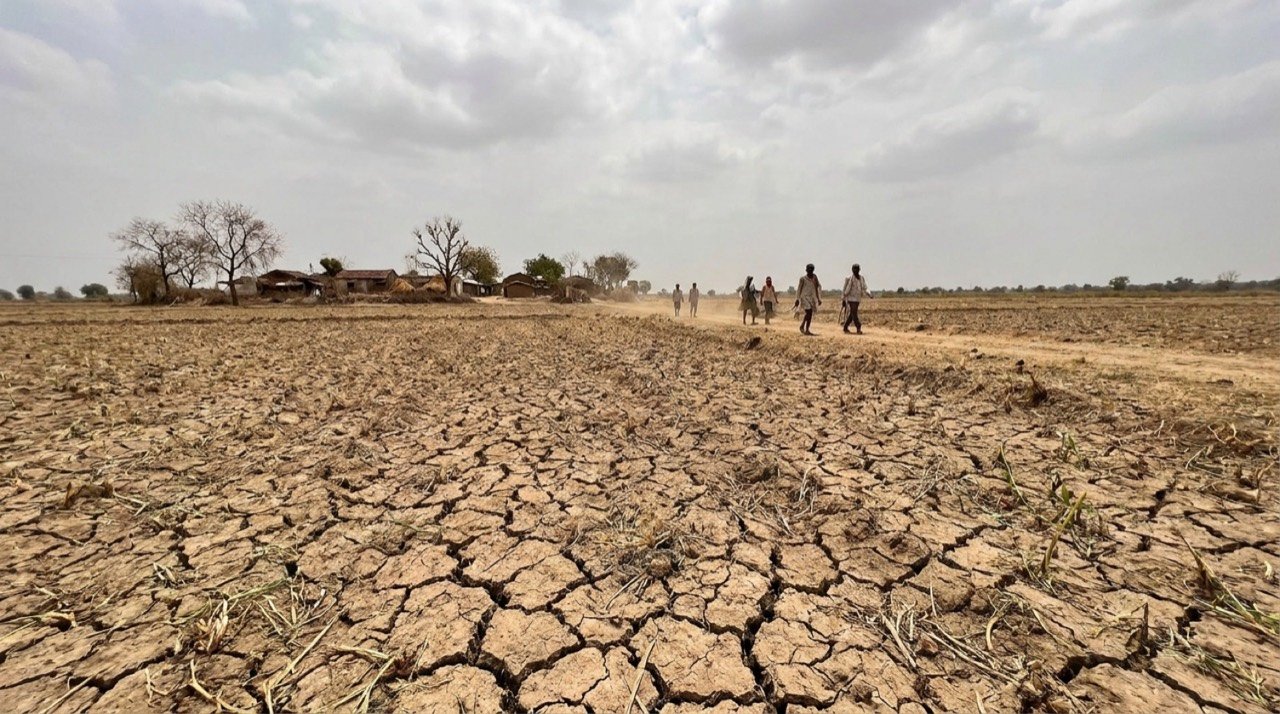
Monsoon Deficit Triggers Farm Contingency Mapping Across 315 Districts
A weak June monsoon, with the rain deficit reported at 43 percent, has pushed the Centre to map 315 districts for contingency measures and tighten oversight of kharif sowing.
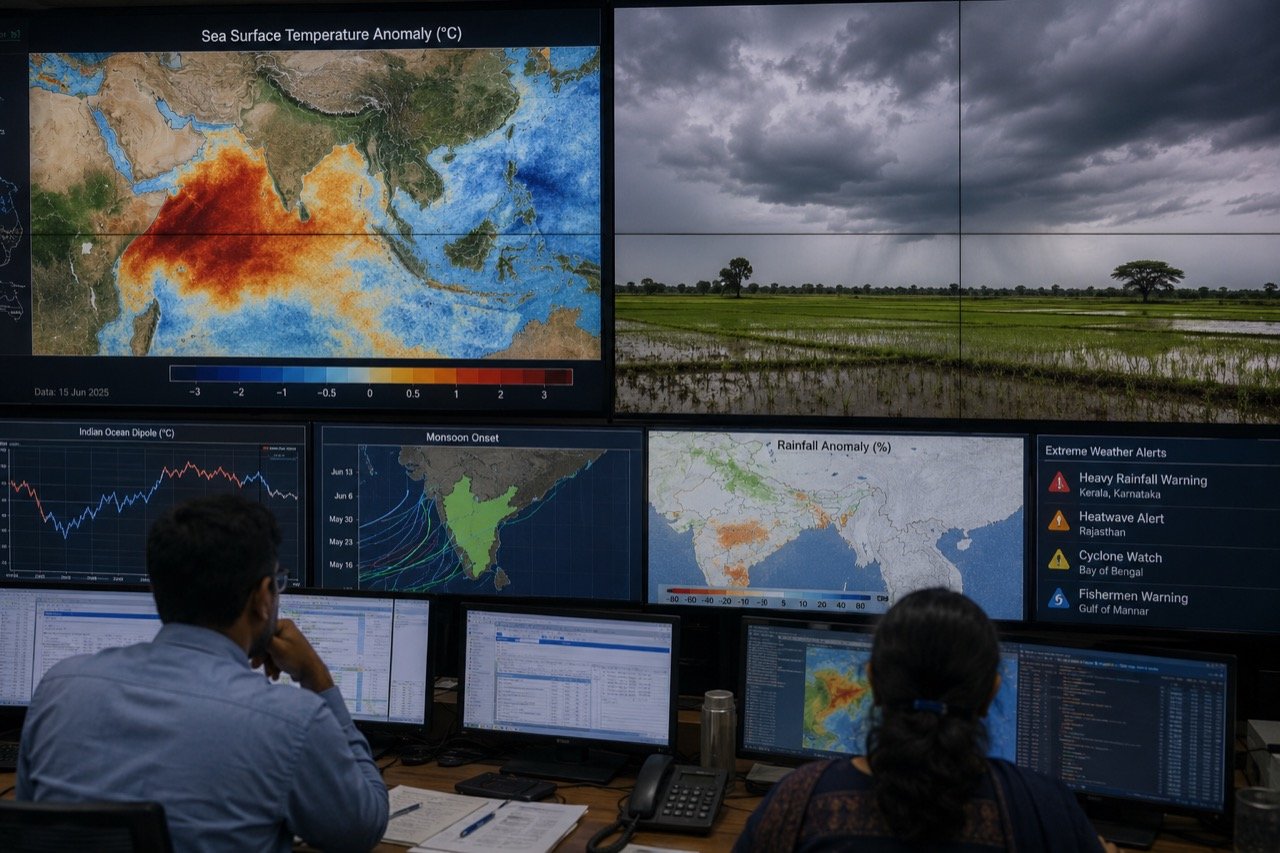
WMO Flags Rapid El Nino Risk, Putting India's Monsoon On Watch
A World Meteorological Organization warning that El Nino could develop rapidly between July and September has revived concerns about below-normal rainfall over the Indian subcontinent and its economic ripple effects.
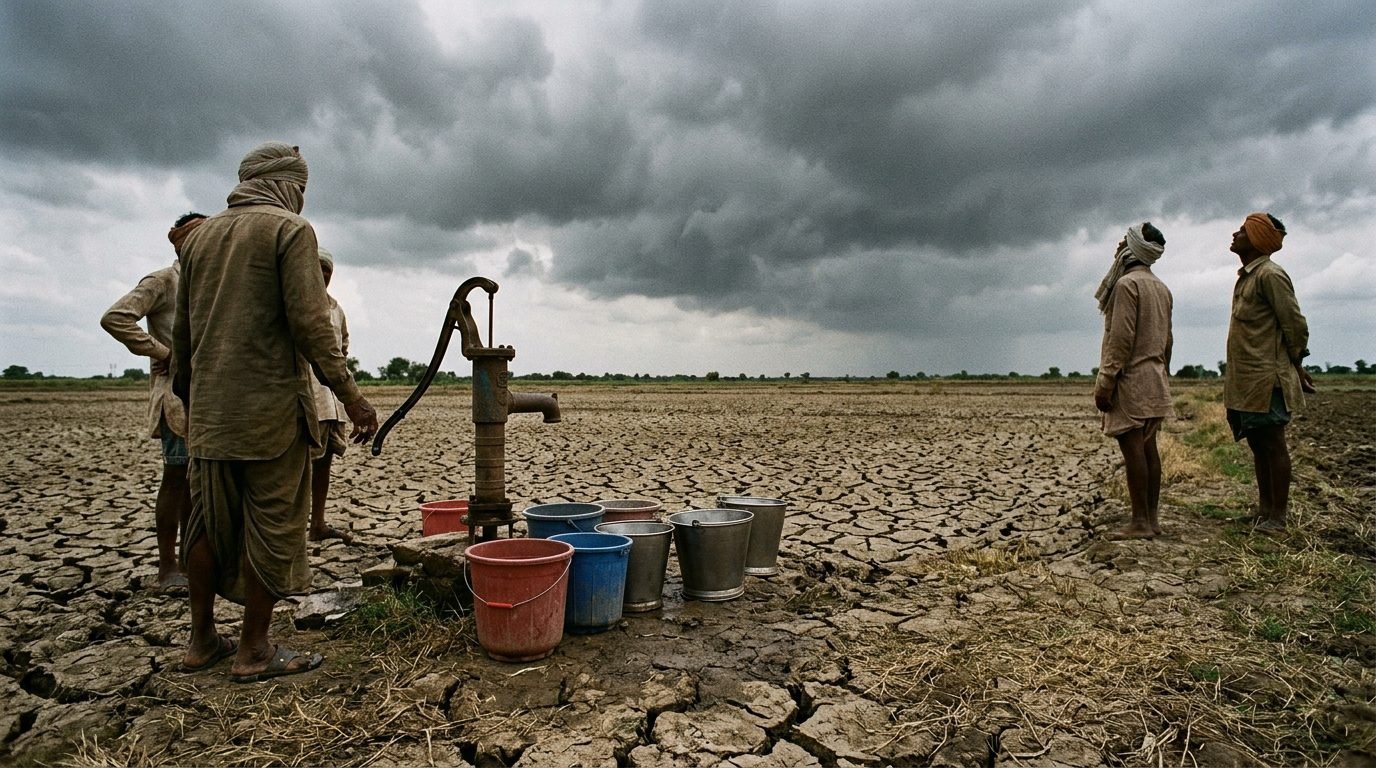
Monsoon 2026 Begins Under An El Nino Shadow As IMD Warns Of A Deficit
With the southwest monsoon now advancing across the country, the IMD has cautioned that rainfall could fall below normal this season, raising concern for farms, reservoirs and the wider economy.
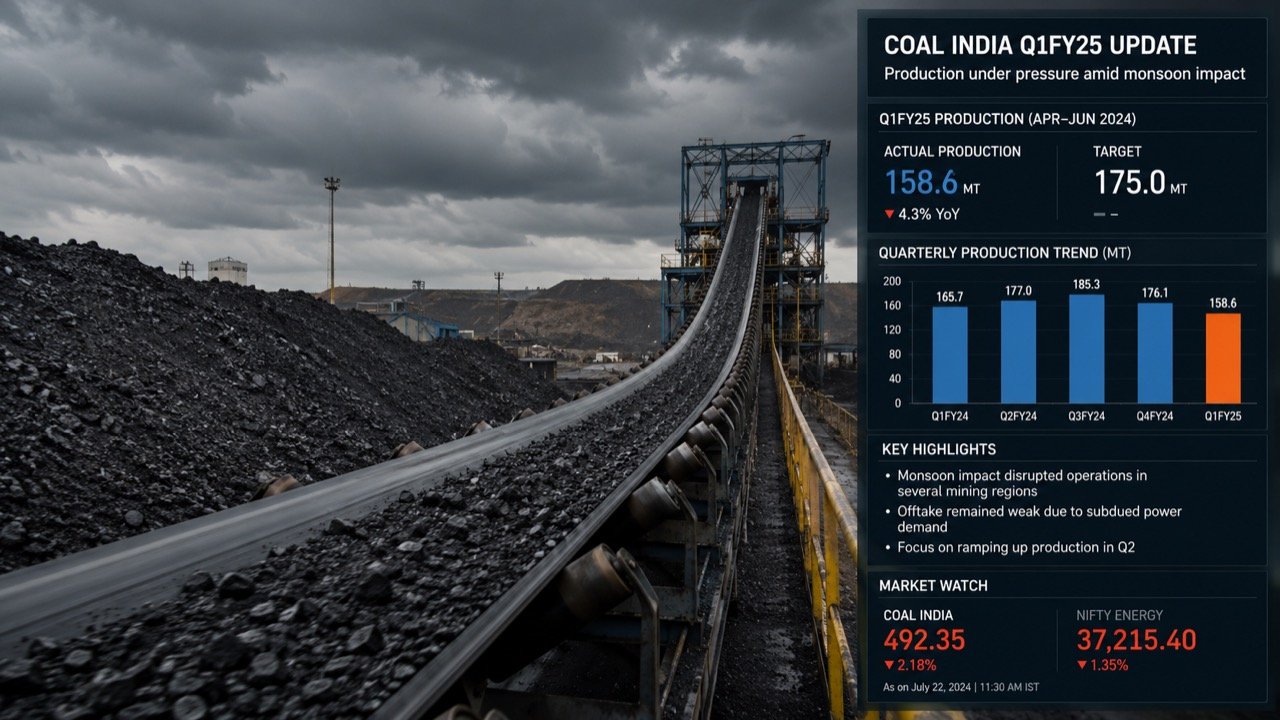
Coal India Q1 Output Falls, Raising Monsoon Power Supply Questions
A reported first-quarter production decline at Coal India has put mining trends, monsoon disruption and power-sector inventory planning under scrutiny, given coal's central role in keeping India's lights on.
More from this section
More
Adani Case: US DOJ Pushes for Permanent Dismissal of Charges
The US Department of Justice has urged a judge to permanently dismiss charges against Gautam Adani, calling the case legally flawed — a reversal with consequences for markets, diplomacy and cross-border enforcement.

Akasa Air Inducts 40th Aircraft in Indian Aviation Scale-Up
Akasa Air's 40th aircraft, ferried to Bengaluru via Seattle, Reykjavik and Cairo, marks a fleet milestone for the young carrier and a fresh signal that India's aviation market remains firmly in expansion mode.

BARC Ratings Suspension Leaves Indian TV Industry Flying Blind
BARC's pause on television ratings has put India's broadcast measurement system under fresh scrutiny, leaving broadcasters, advertisers and media planners without the weekly audience data that anchors the TV economy.