Court Reserves Order on Umar Khalid Bail as Delhi Police Object
A Delhi court has reserved its order on Umar Khalid's bail plea in the 2020 riots case after the Delhi Police formally opposed his release, returning one of India's most watched legal proceedings to the national spotlight.
The NE Times National Desk
Commentary & Analysis ·
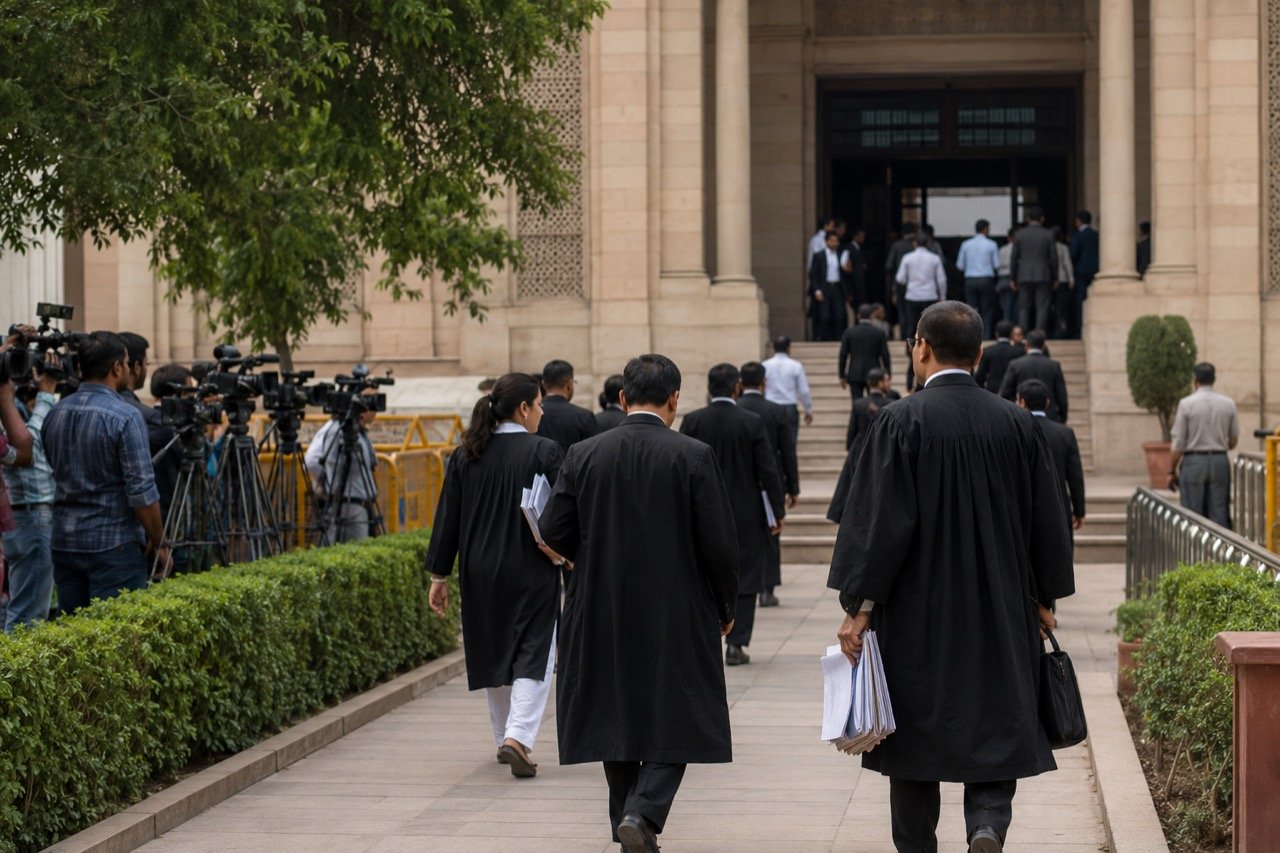
The long-running prosecution arising from the 2020 Delhi riots returned to the headlines as the Delhi Police opposed Umar Khalid's bail plea and the court, after hearing arguments from both sides, reserved its order. The decision on whether Khalid will be released while proceedings continue is now awaited.
What a bail hearing decides
A bail hearing is not a trial. It does not determine guilt or innocence; it weighs whether an accused person should remain in custody while the case proceeds. Courts apply legal tests that consider the nature of the allegations, the material on record, the period already spent in custody and the statutory provisions invoked — considerations that become especially stringent in cases charged under special laws.
In this instance, the procedural position is clear: arguments have been heard, the prosecution's opposition is on record, and the order is reserved. Nothing further can responsibly be inferred until the court pronounces its decision.
A case watched beyond the courtroom
The 2020 riots cases carry political and public sensitivity, and coverage of them demands precision. Allegations must not be reported as findings, and a bail outcome — whichever way it goes — settles only the immediate question of custody, not the merits of the case.
The NE Times View
Whatever one's view of the underlying case, the length of pre-trial detention in matters like this should trouble anyone invested in Indian justice. Bail jurisprudence exists because liberty is the constitutional default, yet prolonged custody without a concluded trial risks making the process itself the punishment. The courts must, of course, weigh the state's arguments seriously — but they must also decide swiftly. For readers, the discipline is the same as the court's: wait for the order, judge the reasoning, and resist treating a custody decision as a verdict on guilt.
This article is original commentary and analysis by The NE Times. Background facts were referenced from Hindustan Times.
You may also like to read
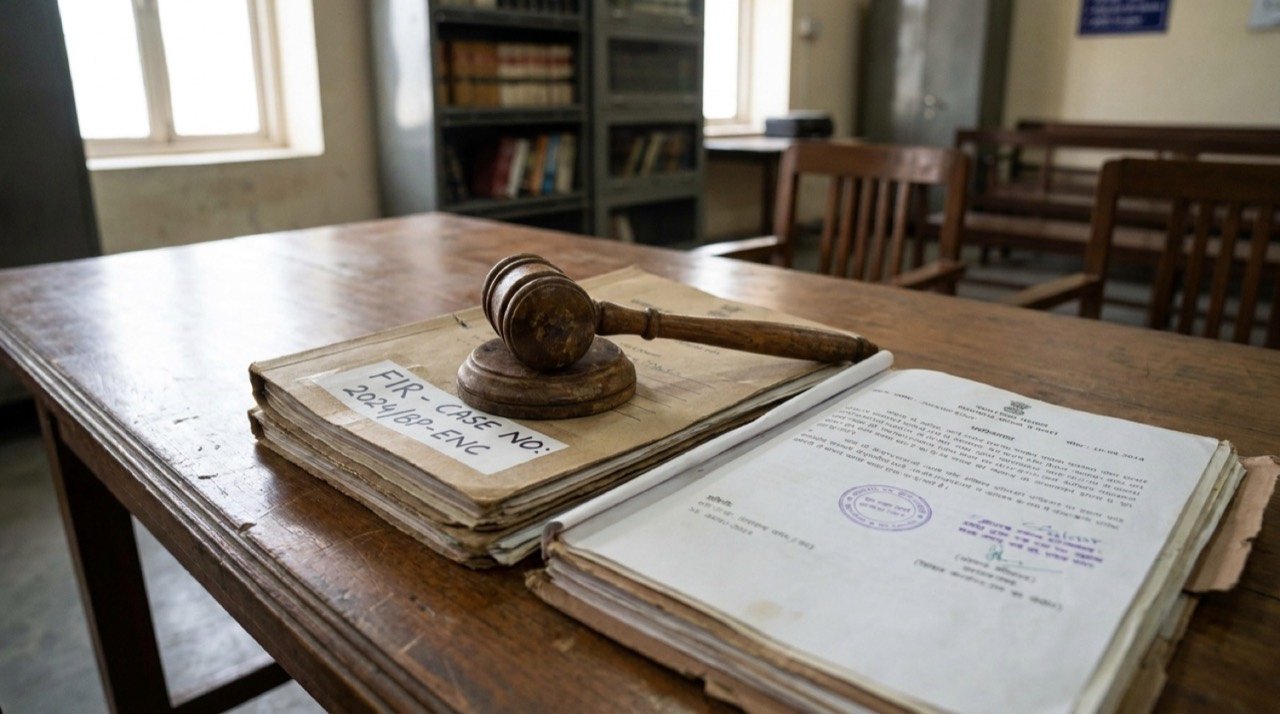
Bihar Court Orders FIR Against Police Officers in Disputed Encounter Case
A Bihar court has directed that a case be registered against police officers over the death of Bharat Tiwari, reviving scrutiny of encounter killings, evidence preservation and police accountability.
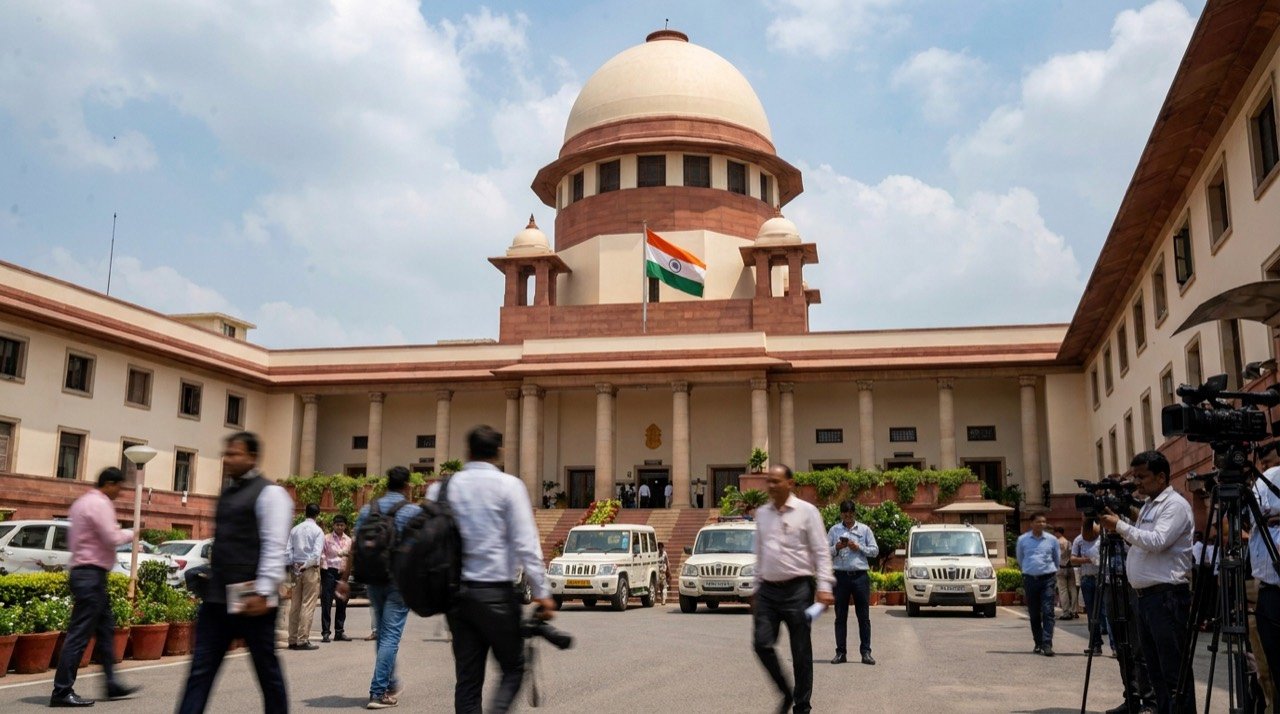
Supreme Court Recall of Ban on Retrospective Green Clearances Sparks Pollution-Law Debate
A 2-1 majority recall of the 2025 verdict outlawing ex post facto environmental clearances has reopened a fierce debate over whether penalties can substitute for prior approval on major projects.
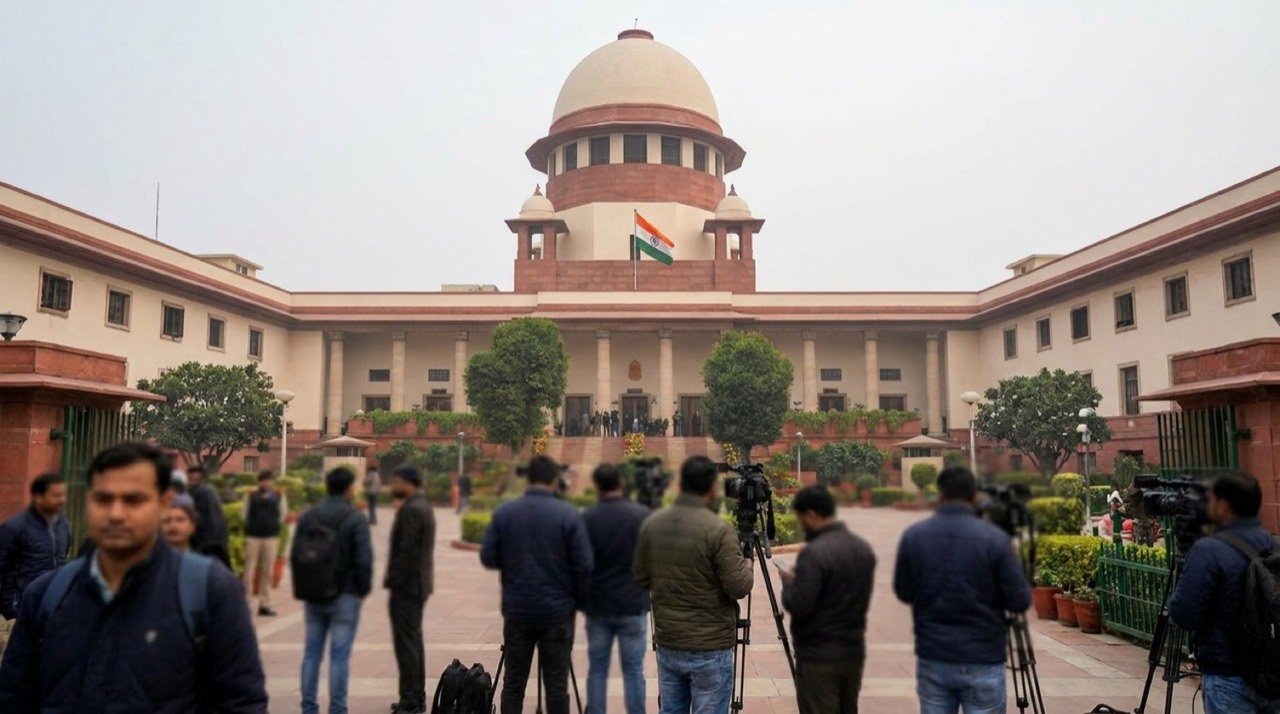
Supreme Court Refuses to Review Collegium Recommendation Process
The Supreme Court declined a Himachal Pradesh judicial officer's plea, warning that scrutiny of confidential collegium deliberations could open a difficult precedent in judicial appointments.
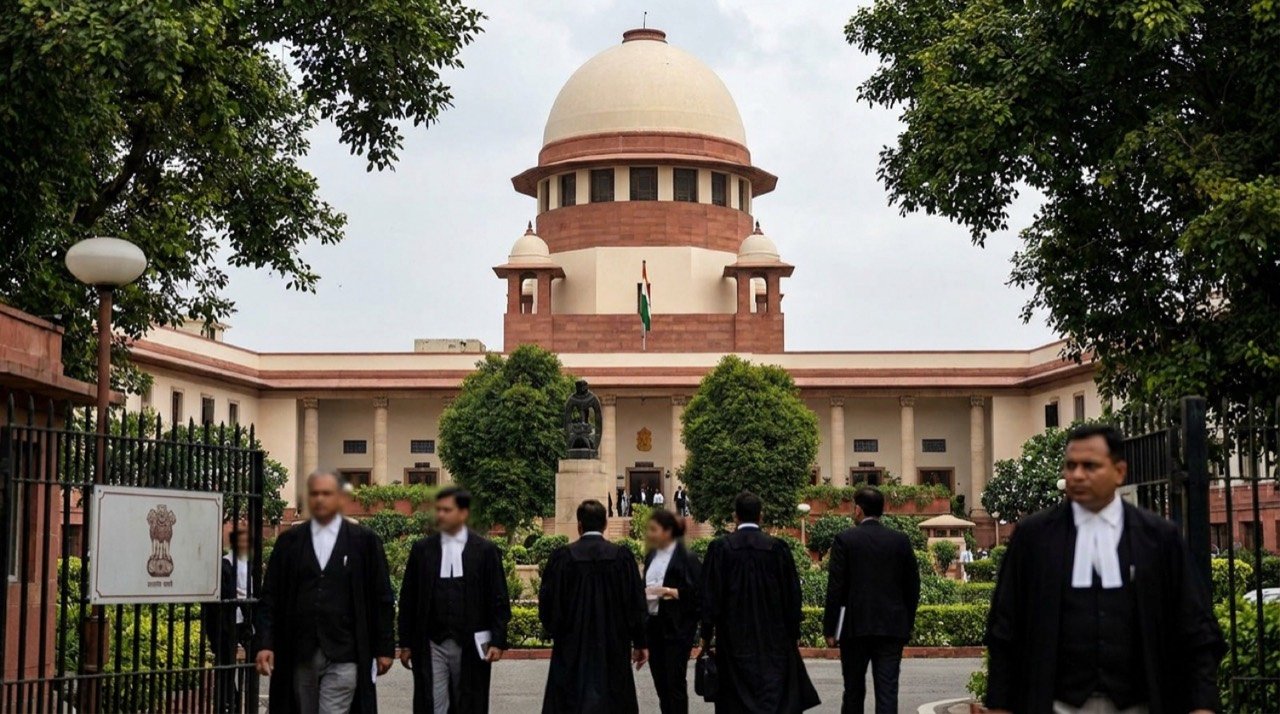
Supreme Court Pulls Up CARA Over Adoption Delays For Waiting Families
The Supreme Court has questioned an alleged obstructionist approach by the Central Adoption Resource Authority, spotlighting the long delays faced by children and prospective parents seeking permanent families.
More from this section
More
Ahmedabad Bullet Train Station Gets Kite-Inspired Multimodal Hub Plan
Ahmedabad's bullet train station is set to be developed as a multimodal transport hub with a kite-inspired design, giving India's high-speed rail project a distinctive urban landmark rooted in local identity.

Arrest in Bengaluru Daycare Case Deepens Child Safety Questions
Bengaluru police have arrested a woman connected to the daycare case at a Capgemini campus facility, sharpening scrutiny of caregiver vetting, oversight and accountability at workplace-linked childcare centres.

Assam Case Shows PAN and Voter Cards Are Not Citizenship Proof
A man declared a foreigner in Assam despite holding multiple identity documents has highlighted a crucial legal distinction: everyday IDs establish identity, not citizenship, when a person's legal status is challenged.