Bihar Court Orders FIR Against Police Officers in Disputed Encounter Case
A Bihar court has directed that a case be registered against police officers over the death of Bharat Tiwari, reviving scrutiny of encounter killings, evidence preservation and police accountability.
Commentary & Analysis ·
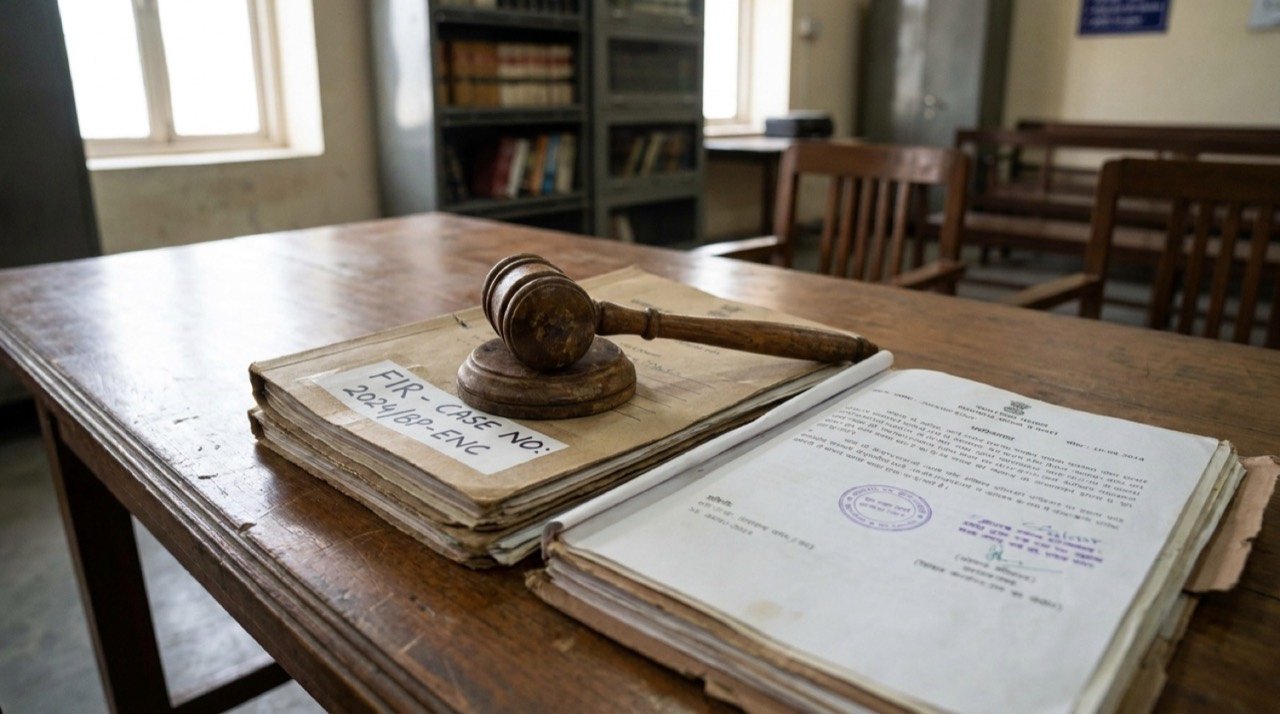
A Bihar court has directed that a case be registered against police officers in connection with the death of Bharat Tiwari, in an incident that had been described by police as an encounter. The order revives long-standing questions about police procedure, evidence handling and accountability in deaths linked to police action, and it does so in a manner that cannot be waved away as routine paperwork. When a court steps in to compel an FIR against the very officers who reported an encounter, it signals that the judiciary is unwilling to treat the police's own account as the final word on what happened.
What the court ordered
Public reports indicate the direction followed a complaint from the family side, which contested the official account of how Tiwari died. The court's intervention converts a disputed police action into a formal criminal-law matter that must now be investigated on the record. This is a significant procedural shift. Until this point, the narrative of the encounter rested largely on internal police documentation and statements from the officers involved. With the FIR now ordered, that narrative must be tested through the ordinary apparatus of criminal investigation, the same apparatus that would apply to any other reported death involving the use of force.
Crucially, the order does not by itself decide guilt. It opens a legal route for investigation, ensuring that the circumstances of the death are examined through due process rather than settled solely by the police version of events. This distinction matters enormously, both legally and in terms of public perception. An FIR is the beginning of scrutiny, not a verdict. It obliges investigators to gather evidence, examine witnesses, and construct a chronology that either supports or contradicts the official version. For the family that filed the complaint, it represents an acknowledgment that their grievance could not be dismissed at the threshold.
Why encounter cases draw scrutiny
Encounter killings have long been a contentious issue in India, where families and rights groups frequently allege that deaths described as shootouts mask extrajudicial action. The term "encounter" itself has acquired a fraught connotation over decades of use, precisely because it has sometimes served as a convenient shorthand that forecloses further inquiry. Courts have repeatedly held that every such death warrants independent verification rather than automatic acceptance, a principle that exists because the party reporting the incident, the police, is also the party whose conduct is in question.
The Bihar order fits that pattern. By insisting on a registered case, the court signals that official narratives in fatal encounters must withstand the same evidentiary tests applied to any other death. This is not a novel legal position, but each instance in which it is actually enforced carries weight, because it demonstrates that the principle is not merely theoretical. For a state like Bihar, where policing challenges and law-and-order concerns are frequently in public discussion, an order of this kind also carries symbolic importance: it tells both the police establishment and the wider public that judicial oversight of encounter deaths is not a formality to be waived.
What investigators must examine
A court-supervised process means the investigation will have to reconstruct events carefully and document them, rather than rely on a single account. Several elements will be central to that reconstruction. Investigators will need to establish the chronology of the incident leading to the death, piecing together the sequence of events rather than accepting a summary. They will need to review official records and police documentation of the operation, comparing what was recorded contemporaneously against what is now being claimed. Medical and forensic material, including post-mortem findings, will be essential to determining whether the physical evidence is consistent with the police account. Statements from witnesses and the complainant family must be taken and weighed, since it is precisely this testimony that prompted the court's order in the first place. Finally, preservation of physical evidence from the scene will be critical, since any degradation or loss of evidence at this stage could compromise the entire inquiry.
How rigorously each element is examined will determine whether the case produces clarity or simply adds to a familiar list of unresolved disputes over police conduct. This is the crux of the matter. An FIR sets a process in motion, but the quality of that process, who conducts it, how thoroughly it is pursued, and whether it is allowed to proceed without institutional interference, will decide whether the Tiwari case becomes a model of accountability or another entry in a long ledger of encounters that were investigated on paper but never truly scrutinised.
The stakes for accountability and public trust
For readers following the Bihar encounter case, the central point is that a contested police action has now entered the formal criminal-justice system. The outcome will hinge on the strength of the evidence and the independence of the inquiry that follows. Legal observers have noted that the order does not by itself decide guilt; it opens a legal route for investigation. That framing is important context for how this case should be read as it develops: an FIR is a procedural milestone, not a conclusion, and the coming weeks and months will show whether the process delivers on its promise.
There is also a broader dimension here beyond the immediate parties. Cases like this one shape public confidence in whether the police can be held to account when their own actions result in death. Families of the deceased in such cases often face significant hurdles in getting their version of events even registered, let alone investigated. A court order compelling an FIR is, in that sense, a vindication of the family's persistence in contesting the official account. For the wider public, it is also a test of whether institutional checks, courts, investigative agencies and eventually the judiciary again at trial, can function as intended when the accused are themselves law enforcement officers.
The NE Times View
A court ordering an FIR against police is the system correcting itself, and that is the point: encounter deaths cannot be self-certified by those involved. Independent investigation, preserved evidence and judicial scrutiny are the difference between policing and impunity. The order matters most as precedent for accountability, but it will mean little if the resulting probe is staffed by the same department under examination. That risk is not hypothetical; it is the recurring flaw in many encounter investigations, where the investigators and the investigated share an institutional home. Watch for a genuinely independent inquiry, one that is seen to operate at arm's length from the officers named in the FIR, because that independence, more than the order itself, will determine whether this case becomes a genuine reckoning or another procedural gesture that fades from scrutiny once public attention moves on.
Key takeaways
- A Bihar court has ordered an FIR against police officers over the disputed encounter death of Bharat Tiwari, following a complaint from the family contesting the official account.
- The order does not determine guilt; it compels a formal criminal investigation into circumstances that had previously rested largely on the police's own version of events.
- Investigators will need to examine the chronology of events, official operational records, forensic and post-mortem evidence, witness and family statements, and physical evidence from the scene.
- The case fits a broader pattern in which Indian courts have insisted that encounter deaths receive independent verification rather than automatic acceptance of police accounts.
- The ultimate significance of the order depends on whether the ensuing investigation is genuinely independent of the police department whose officers are named in the FIR.
You may also like to read
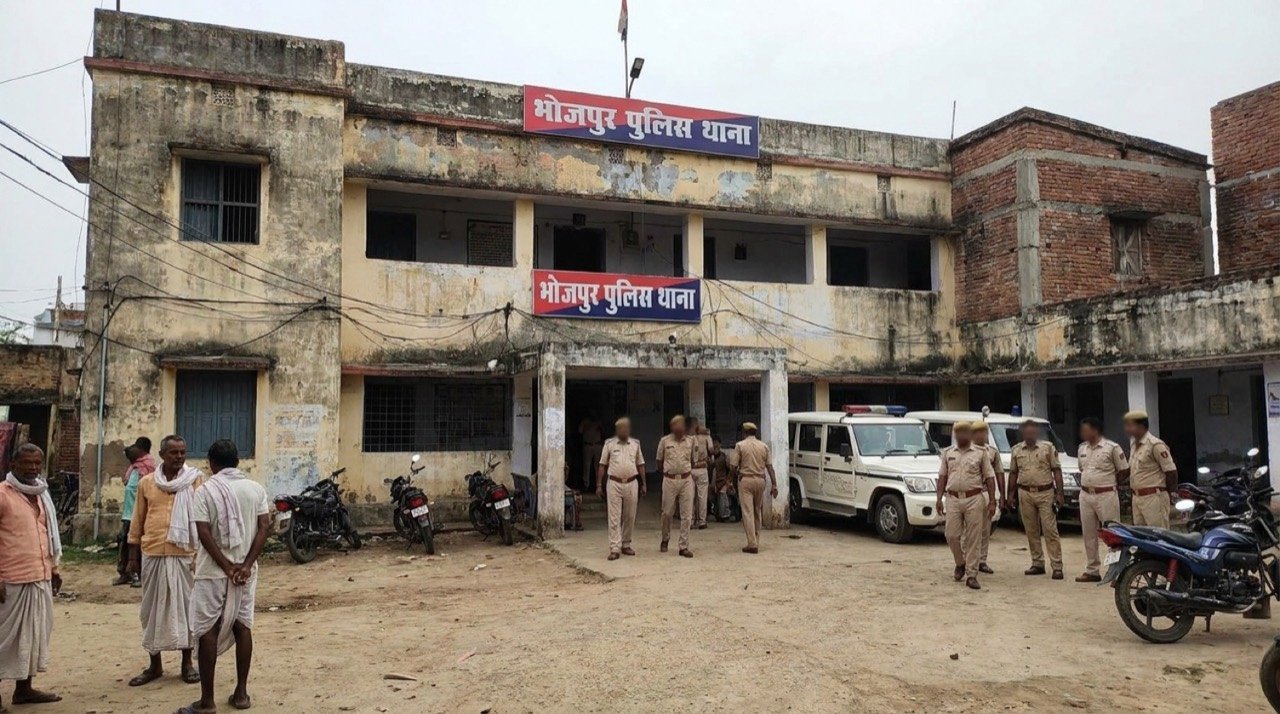
FIR Names Bihar Police Officers in Bharat Tiwari Encounter Death
An FIR filed by Bharat Bhushan Tiwari's mother names Bhojpur police personnel over his June 17 encounter death, as Bihar orders a judicial inquiry and the family disputes the self-defence account.
Bharat Tiwari Encounter: Bihar Orders Judicial Probe, Reviving Accountability Debate
The Bihar government's order for a judicial inquiry into the killing of Bharat Tiwari has turned a local policing controversy into a wider test of how encounter deaths are scrutinised in India.
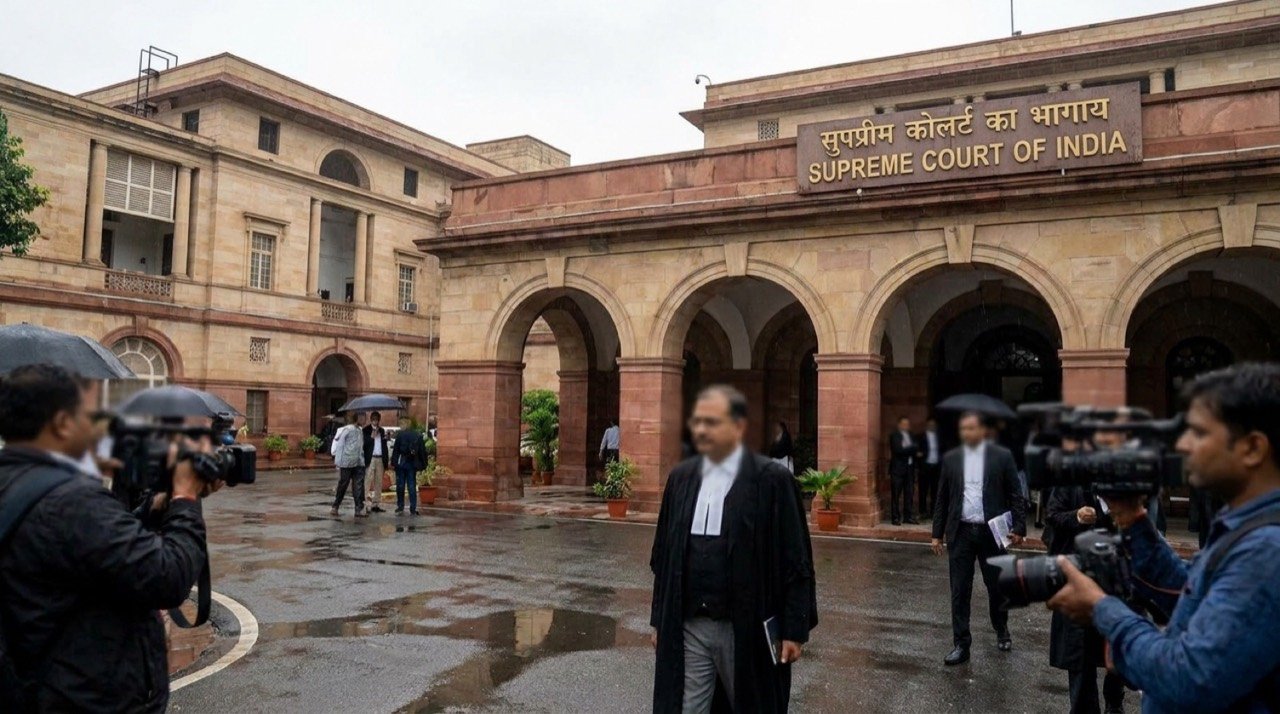
Supreme Court Fines Chhattisgarh Rs 2 Lakh in Decades-Old Land Compensation Case
The Supreme Court has fined the Chhattisgarh government Rs 2 lakh and upheld compensation with interest for landowners whose plot was taken for a road in 1986 without payment.
Court Reserves Order on Umar Khalid Bail as Delhi Police Object
A Delhi court has reserved its order on Umar Khalid's bail plea in the 2020 riots case after the Delhi Police formally opposed his release, returning one of India's most watched legal proceedings to the national spotlight.
More from this section
More
AICTE Industry Fellowship 2026: Rs 1.5 Lakh Scheme Closes July 5
The AICTE Industry Fellowship Programme 2026, which places technical-education faculty inside leading companies on a Rs 1.5 lakh monthly stipend, reached its application deadline on July 5.
Bay of Bengal Low Pressure System Revives Monsoon Over Western India
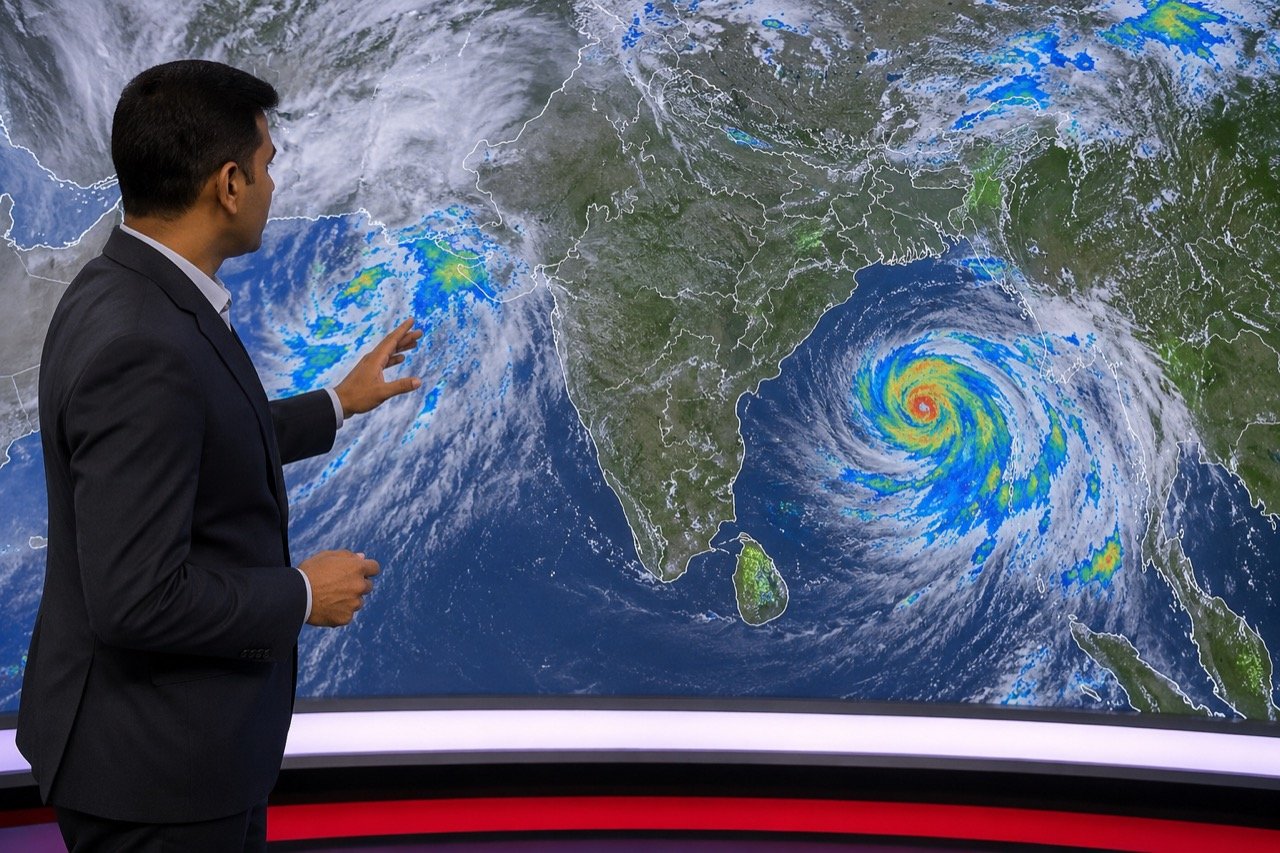
A low-pressure system over the Bay of Bengal has pushed the monsoon back into an active phase, bringing steady heavy rain to Kerala, coastal Karnataka and Maharashtra, and putting Mumbai and Pune on preparedness watch.
Bishnoi Gang Suspects Injured in Haryana Encounter as Police Tighten Net
A joint Haryana-Delhi Police operation in Bahadurgarh left two suspected Lawrence Bishnoi gang members injured, spotlighting the multi-state coordination now central to India's fight against organised crime networks.