Bharat Tiwari Encounter: Bihar Orders Judicial Probe, Reviving Accountability Debate
The Bihar government's order for a judicial inquiry into the killing of Bharat Tiwari has turned a local policing controversy into a wider test of how encounter deaths are scrutinised in India.
Commentary & Analysis ·
The Bihar government's decision to order a judicial probe into the killing of Bharat Tiwari has pushed a local policing controversy into a far broader debate over how encounter deaths are examined in India. Tiwari, described in police records as a wanted man, died in what officers called an exchange of fire, while his family and opposition leaders have questioned the circumstances and demanded an independent account of what happened.
Two competing narratives
Encounter deaths in India almost invariably generate clashing versions of events. The police case typically rests on public safety and the pursuit of accused persons, arguing that officers fired in self-defence or to prevent escape. The families of the deceased, often backed by political voices, counter that the killing was avoidable or staged, and press for outside verification.
The Tiwari case follows that familiar pattern, and the judicial inquiry now becomes the mechanism through which those competing accounts will be tested against evidence rather than assertion.
What the inquiry must examine
A credible probe will need to reconstruct the sequence of events in detail. That means access to the post-mortem findings, ballistic analysis, the call records of those involved, and the statements of the officers present at the scene, alongside any independent witnesses.
The central public-interest question, until the inquiry reports, is whether the use of force followed law and procedure, including the safeguards laid down by the courts and the National Human Rights Commission for investigating deaths in police action.
Why it matters beyond one district
For Bihar, the case has become a test of whether serious allegations against police action can be examined transparently, without prejudging either the officers or the deceased. How the state handles the inquiry will signal its appetite for accountability at a time when policing practices are under sustained public scrutiny.
- Bihar has ordered a judicial probe into the killing of Bharat Tiwari.
- Police describe Tiwari as a wanted man who died in an exchange of fire.
- His family and the opposition have questioned the circumstances.
- The inquiry is expected to weigh post-mortem, ballistic and call-record evidence.
- The core question is whether the use of force followed law and procedure.
“Police cite public safety and the pursuit of accused persons, while families demand independent scrutiny.”
— On encounter deaths in India
The inquiry's findings will be measured not only by the conclusion it reaches but by the rigour of the process: whether evidence was preserved, witnesses heard without intimidation, and officers held to the standards the law demands. Until the report is delivered, the case will remain a live marker of how India reconciles policing with the rule of law.
The NE Times View
A judicial probe into an encounter death is the bare minimum, yet in India even that is treated as a concession rather than a norm. Bihar's order matters less for this case than for whether it signals that police killings will face independent scrutiny ahead of elections. Accountability that arrives only under political pressure is not accountability; it is theatre.
This article is original commentary and analysis by The NE Times. Background facts were referenced from The Indian Express and Times of India.
You may also like to read
FIR Names Bihar Police Officers in Bharat Tiwari Encounter Death
An FIR filed by Bharat Bhushan Tiwari's mother names Bhojpur police personnel over his June 17 encounter death, as Bihar orders a judicial inquiry and the family disputes the self-defence account.
Bihar Court Orders FIR Against Police Officers in Disputed Encounter Case
A Bihar court has directed that a case be registered against police officers over the death of Bharat Tiwari, reviving scrutiny of encounter killings, evidence preservation and police accountability.
Pankaj Tripathi's Brother Seriously Injured in Bihar Axe Attack Linked to Land Dispute
The elder brother of actor Pankaj Tripathi was hospitalised after an alleged axe attack in Gopalganj, Bihar, with police citing a local land dispute and one accused already in custody.
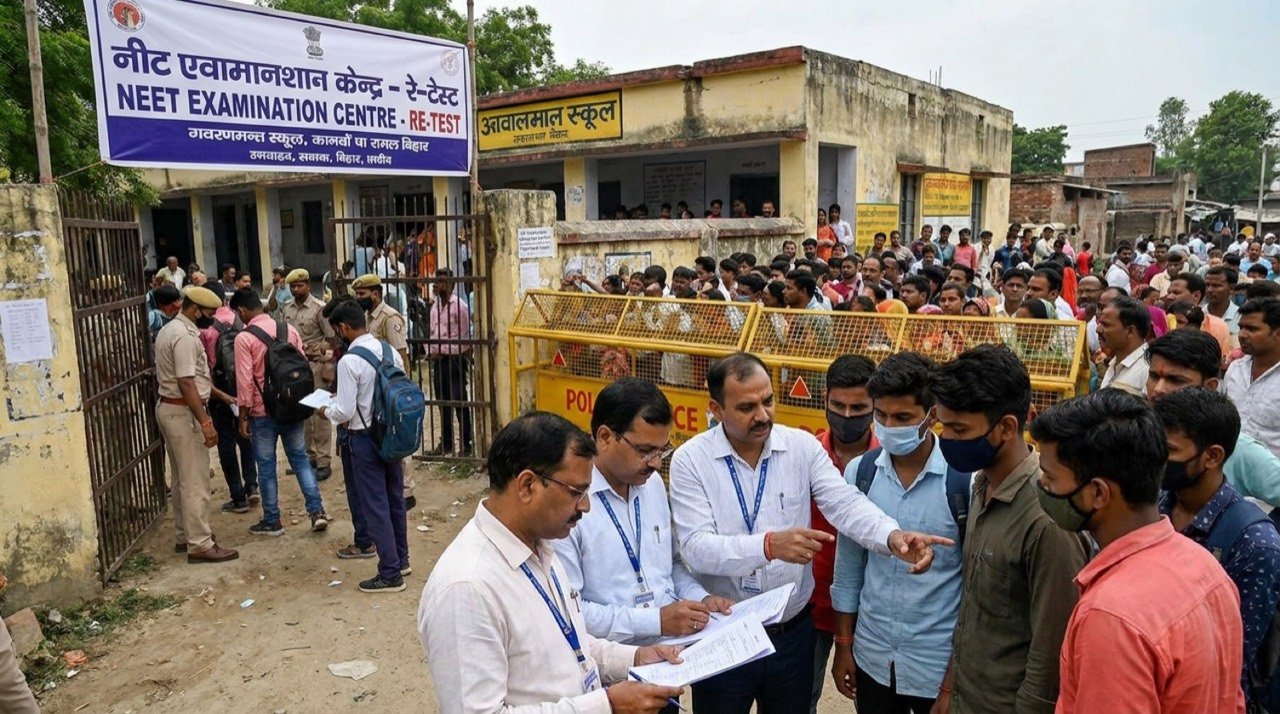
Bihar NEET Re-Test Arrests Expose Alleged Dummy Candidate Racket
Police in Bihar's Lakhisarai district have arrested 30 people over alleged impersonation during the NEET-UG 2026 re-test, citing fake Aadhaar cards and the involvement of biometric verification staff.
More from this section
More
AICTE Industry Fellowship 2026: Rs 1.5 Lakh Scheme Closes July 5
The AICTE Industry Fellowship Programme 2026, which places technical-education faculty inside leading companies on a Rs 1.5 lakh monthly stipend, reached its application deadline on July 5.
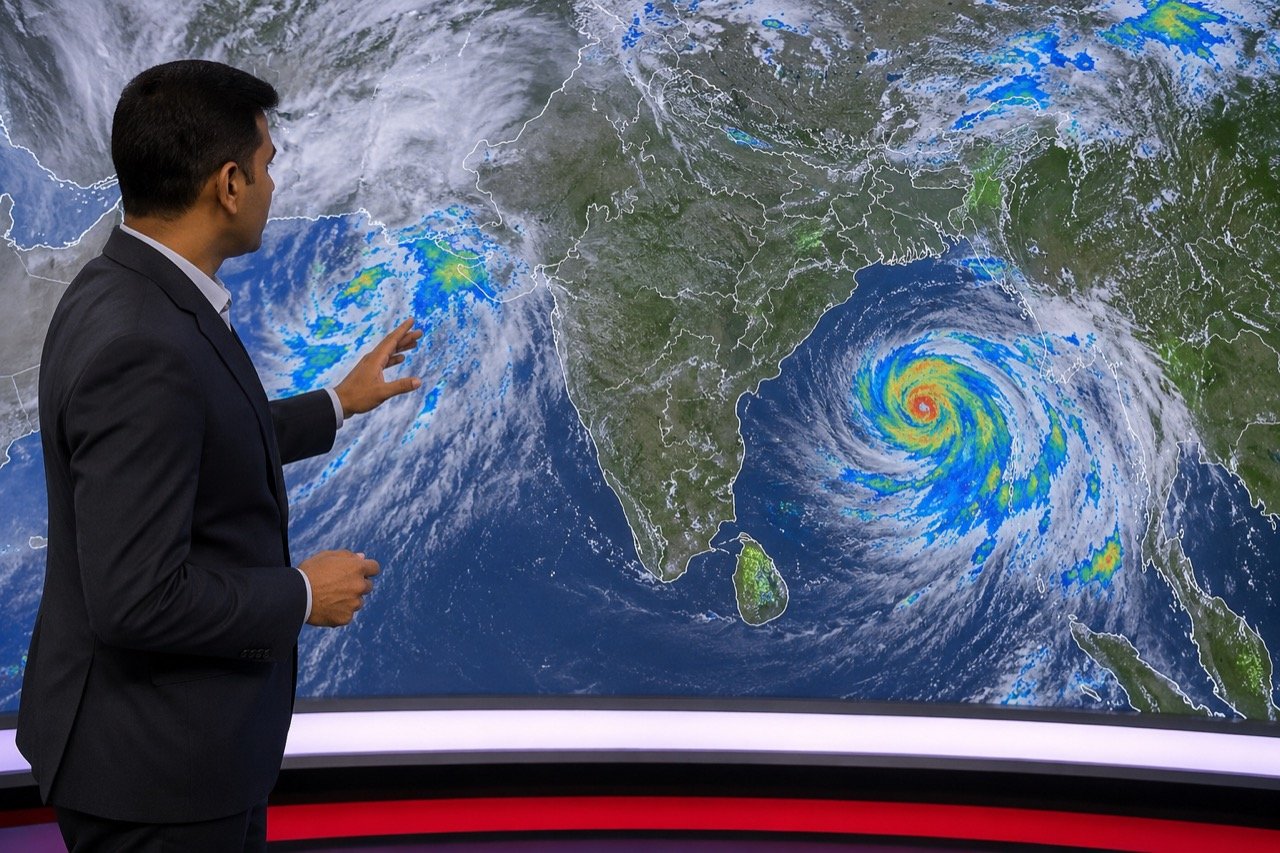
Bay of Bengal Low Pressure System Revives Monsoon Over Western India
A low-pressure system over the Bay of Bengal has pushed the monsoon back into an active phase, bringing steady heavy rain to Kerala, coastal Karnataka and Maharashtra, and putting Mumbai and Pune on preparedness watch.
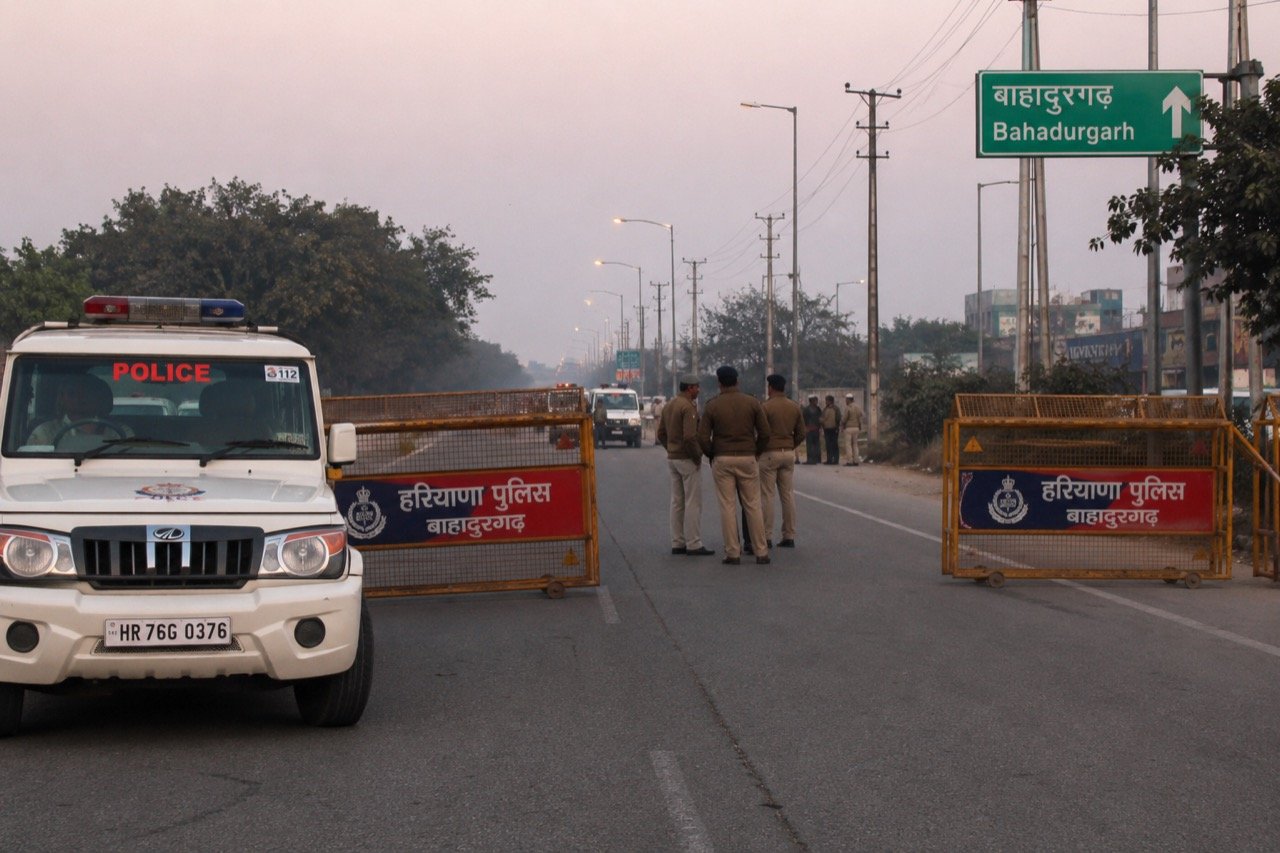
Bishnoi Gang Suspects Injured in Haryana Encounter as Police Tighten Net
A joint Haryana-Delhi Police operation in Bahadurgarh left two suspected Lawrence Bishnoi gang members injured, spotlighting the multi-state coordination now central to India's fight against organised crime networks.