Delhi Infant Rescue Renews Focus on Child-Trafficking Networks
Delhi Police have rescued a 25-day-old infant and arrested two people in a suspected child-trafficking case, reviving concern over organised networks and gaps in missing-child safeguards.
Commentary & Analysis ·
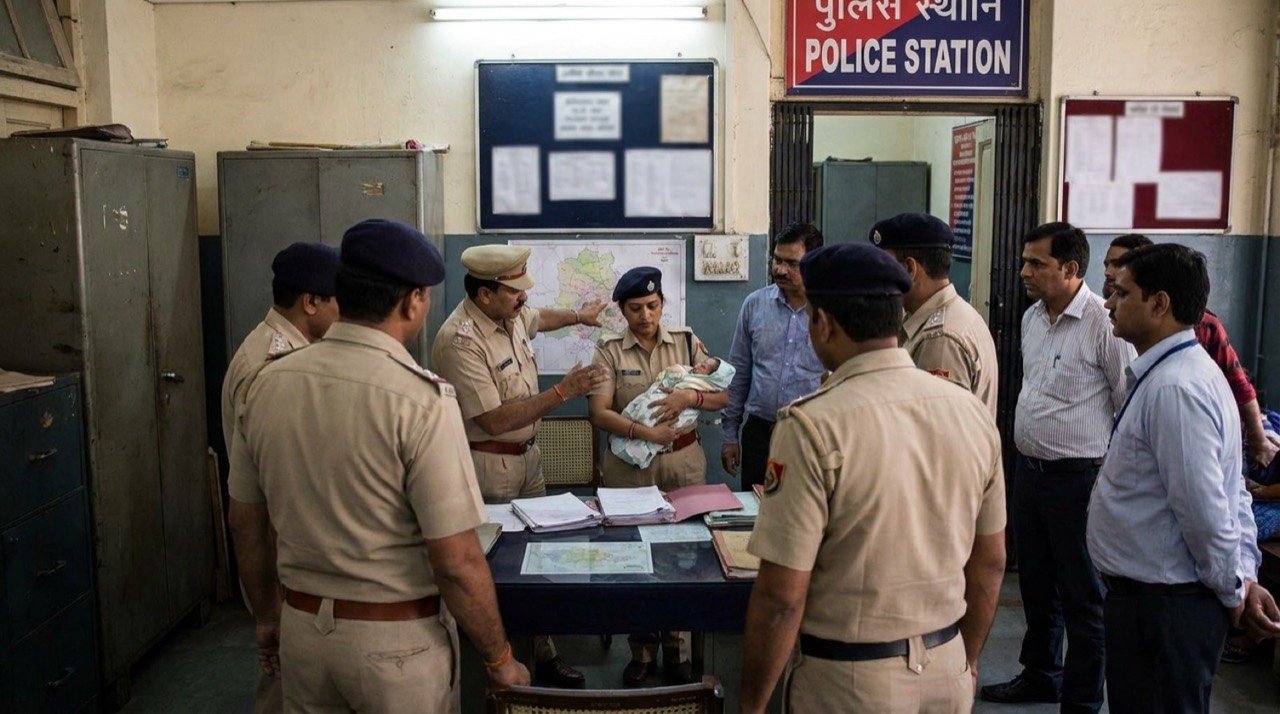
Delhi Police have rescued an infant and arrested two people in a suspected child-trafficking case, an operation that has again pushed the issue of organised child-trafficking networks into public view. Investigators are now working to establish how the child came to be moved, whether money changed hands and whether the two arrests are the visible edge of a wider operation.
The rescue and the investigation
According to reports, the infant was taken into protective care under established child-welfare protocols, including medical examination and the involvement of welfare authorities. Such procedures are designed to ensure the child's immediate safety while the criminal investigation proceeds separately.
Police are expected to examine call records, financial trails and the movement of the accused to determine whether the case involves a single transaction or a recurring chain of supply and demand. Establishing intent and the flow of payments is often central to proving trafficking rather than a lesser offence.
Why these cases recur
Child trafficking in India is frequently linked to illegal adoption demand, exploitation and the trade in vulnerable infants. Cases tend to surface only when an alert hospital, neighbour or relative raises suspicion, which means many incidents may go undetected. Each rescue therefore highlights both a success and a systemic gap.
Experts have long argued that faster missing-child alerts, tighter hospital record-keeping and coordinated policing across district lines are essential to disrupt networks that exploit jurisdictional seams. A child moved quickly between areas can be difficult to trace without real-time data sharing.
The message for families and institutions
For families, shelters and hospitals, the case carries a clear takeaway: suspicious adoption offers or proposals to transfer a child outside legal channels must be reported to police or child-welfare authorities immediately. Early reporting is often what makes a rescue possible.
- An infant was rescued and two people arrested in a suspected trafficking case.
- Investigators are probing how the child was moved and whether payments were made.
- The child was placed under medical care and child-welfare protocols.
- Faster missing-child alerts and cross-district coordination remain key gaps.
- Suspicious adoption or child-transfer offers should be reported at once.
“Every rescue is both a relief and a warning that organised networks rely on silence, delayed alerts and gaps between jurisdictions.”
— The NE Times analysis
As the investigation widens, the focus will move beyond a single rescue to the question of whether the network behind it can be dismantled. The outcome will test how effectively Delhi's policing and child-protection systems can convert one alert into the unravelling of a larger chain.
The NE Times View
A 25-day-old infant recovered is a rescue and an indictment in the same breath. Each such case exposes how organised networks exploit poverty, weak hospital records and slow missing-child reporting. Arrests make headlines; dismantling the supply chain that monetises newborns does not. The real measure is whether this triggers systemic audits of maternity wards and adoption rackets, or fades as a one-off win.
This article is original commentary and analysis by The NE Times. Background facts were referenced from NDTV and its child-trafficking reporting.
You may also like to read
Delhi Mehrauli Child Murder Renews Alarm Over Pavement-Dweller Safety
The abduction, assault and killing of an 11-year-old girl sleeping on a Mehrauli pavement has shaken Delhi-NCR, exposing the acute vulnerability of homeless families and gaps in night-time policing.
Delhi Child Murder Case Puts Footpath Safety and Fast Policing Under Scrutiny
The killing of a 10-year-old girl sleeping on a Delhi footpath, with an arrest made within hours, has forced hard questions about pavement dwellers, night-time safety and the speed of missing-child response.
Jaipur Jeweller Robbery Renews Focus on Urban Retail Security
Masked men robbed a Jaipur jeweller of gold, silver and cash, reigniting concern over the safety of high-value retail businesses in India's crowded commercial markets.
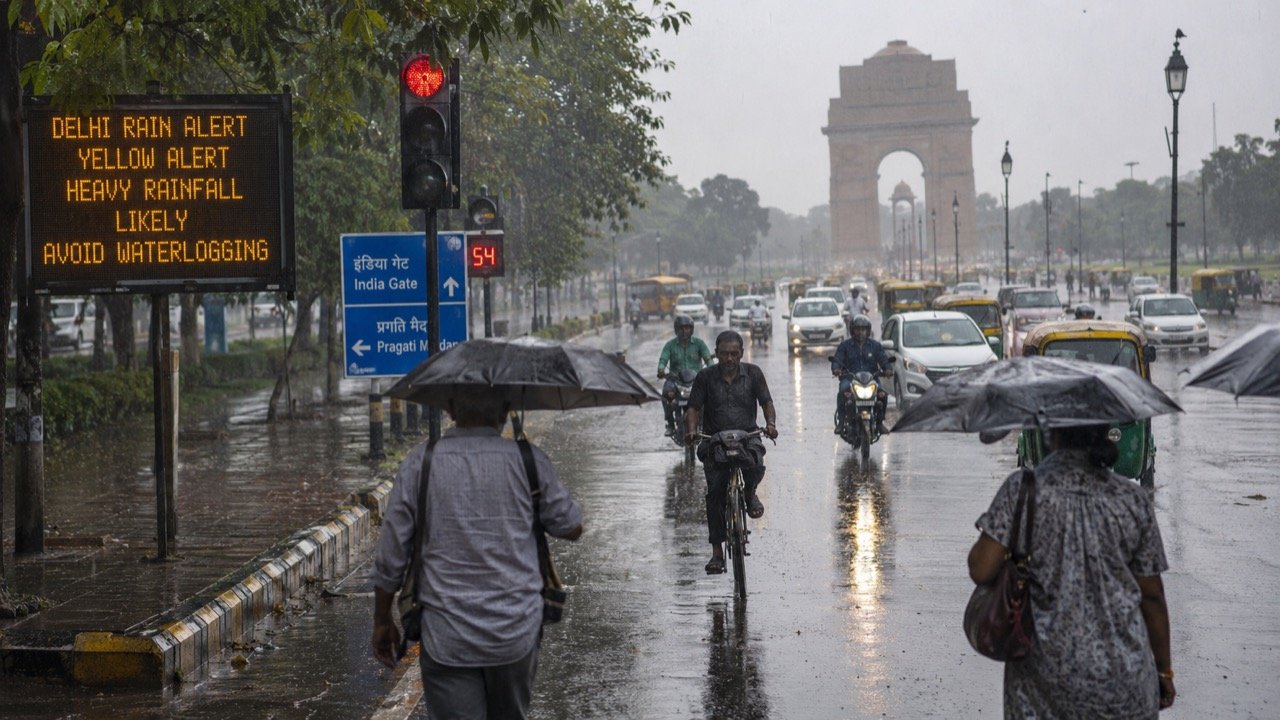
Delhi Rain Alert: Monsoon Travel and Civic Readiness Under Watch
Delhi's monsoon rain watch has residents tracking weather alerts and traffic advisories, as even moderate showers test the capital's drainage, underpasses and last-mile travel networks.
More from this section
More
AICTE Industry Fellowship 2026: Rs 1.5 Lakh Scheme Closes July 5
The AICTE Industry Fellowship Programme 2026, which places technical-education faculty inside leading companies on a Rs 1.5 lakh monthly stipend, reached its application deadline on July 5.

Bay of Bengal Low Pressure System Revives Monsoon Over Western India
A low-pressure system over the Bay of Bengal has pushed the monsoon back into an active phase, bringing steady heavy rain to Kerala, coastal Karnataka and Maharashtra, and putting Mumbai and Pune on preparedness watch.
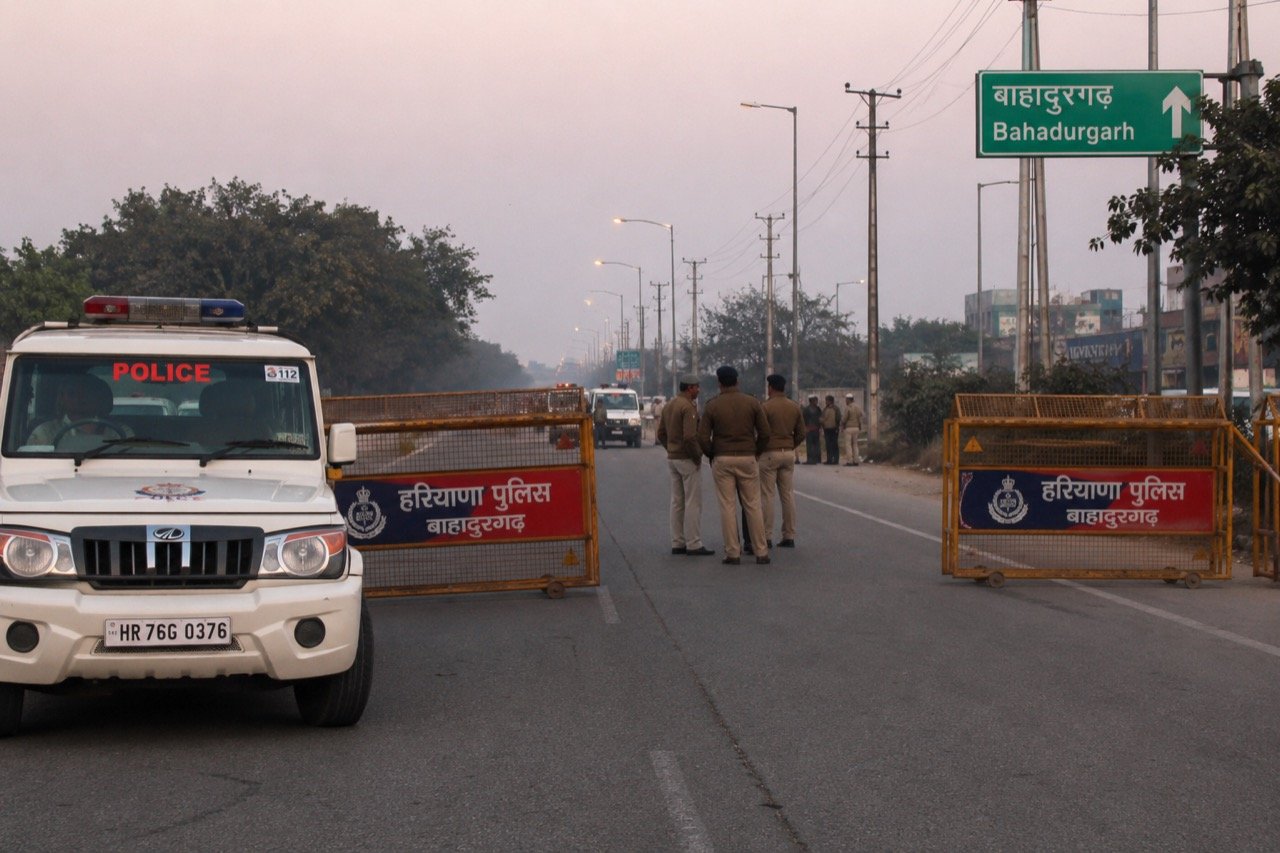
Bishnoi Gang Suspects Injured in Haryana Encounter as Police Tighten Net
A joint Haryana-Delhi Police operation in Bahadurgarh left two suspected Lawrence Bishnoi gang members injured, spotlighting the multi-state coordination now central to India's fight against organised crime networks.