Delhi Slum Rehabilitation Policy Puts Housing and Eligibility in Focus
Delhi's proposed slum rehabilitation policy could reshape housing for nearly four lakh families, but its credibility hinges on transparent surveys, fair eligibility rules and time-bound delivery.
Commentary & Analysis ·
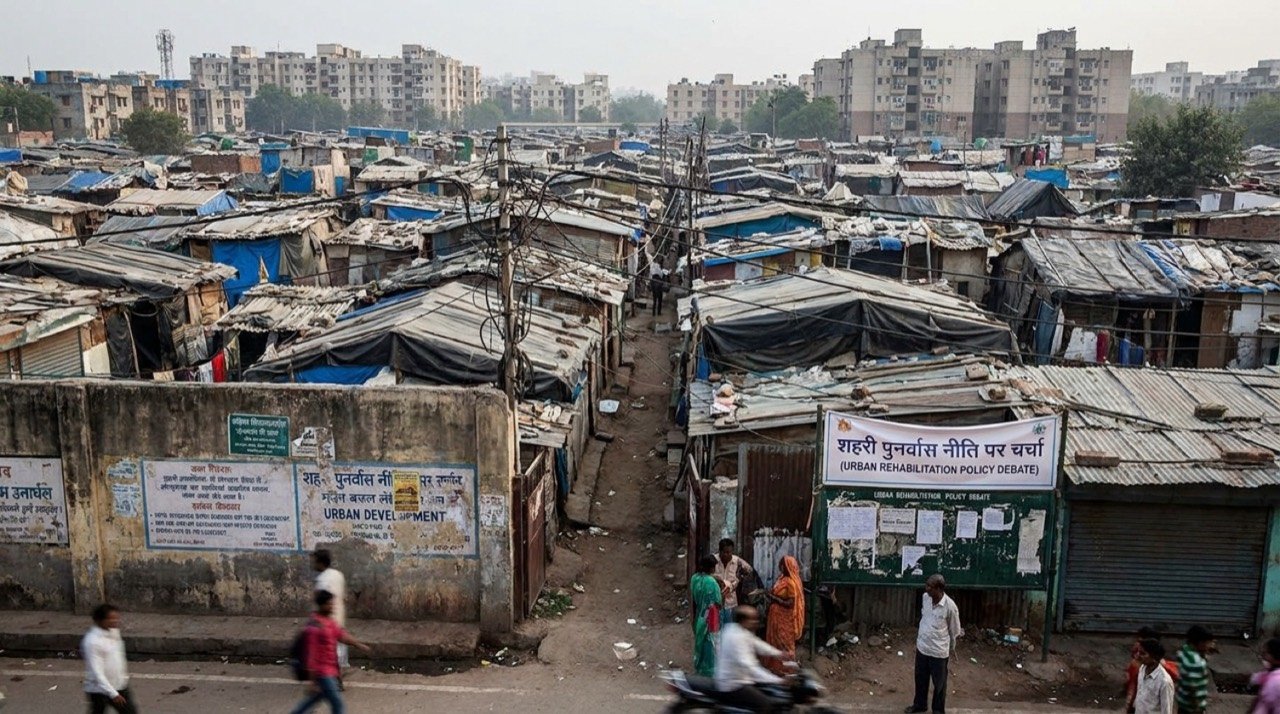
Delhi's proposed slum rehabilitation policy is expected to affect nearly four lakh families living in informal settlements across the capital. The framework aims to move eligible households into formal housing while tying redevelopment to land use, the provision of basic services and updated civic records, potentially reshaping one of the city's most persistent social challenges.
What the policy proposes
At its core, the plan seeks to bring families currently living in informal clusters into recognised, formal housing. By linking rehabilitation to land use planning, service delivery and civic documentation, the policy attempts to convert ad hoc settlements into structured neighbourhoods with legal standing and access to infrastructure.
Reports indicate the framework leans toward in-situ rehabilitation where feasible, an approach that prioritises rebuilding on or near existing land rather than relocating residents to the city's periphery. That distinction is significant, because the location of new housing shapes whether residents can retain their existing social and economic ties.
The questions residents are asking
For residents, the most pressing concerns are eligibility, location, affordability and whether their livelihoods will remain within reach. Many informal-settlement households depend on daily-wage work, small trades and proximity to employment hubs, so a move that severs those links can deepen hardship even when the stated goal is better housing.
Eligibility criteria, in particular, will determine how many of the four lakh families actually benefit, and how disputes over documentation and tenure are resolved.
Why delivery and safeguards are decisive
The policy could meaningfully reshape Delhi's housing debate if it is implemented with transparent surveys, accessible grievance redressal systems and time-bound construction. Without those safeguards, relocation risks creating fresh distress, leaving families in limbo between demolition and the delivery of promised homes.
- The policy is expected to affect nearly four lakh families in informal settlements.
- It aims to move eligible households into formal, recognised housing.
- Redevelopment is linked to land use, basic services and civic records.
- Reports suggest an in-situ relocation focus where feasible.
- Transparent surveys, grievance systems and time-bound construction are seen as essential safeguards.
“Without transparent surveys and time-bound delivery, relocation can create new hardship even when the stated goal is better housing.”
— Urban policy analysis
As the framework moves toward implementation, its real test will lie in execution rather than intent. Whether Delhi can deliver formal homes without uprooting livelihoods will determine if the policy becomes a model for inclusive urban renewal or another chapter in the city's long and contested history of slum redevelopment.
The NE Times View
Rehousing four lakh families could be transformative or merely another paper promise, and the difference lies entirely in the unglamorous details. Transparent surveys and fair eligibility are where such schemes usually founder, because that is where discretion and patronage creep in. The risk is a policy generous in announcement and arbitrary in execution. Judge it not by the headline number of homes promised but by who is left off the list and why.
This article is original commentary and analysis by The NE Times. Background facts were referenced from The Times of India and The Indian Express.
You may also like to read

Rekha Gupta Interview Puts Delhi EV Incentives and Civic Services in Focus
Delhi Chief Minister Rekha Gupta's interview with The Indian Express places electric-vehicle incentives and urban-service delivery at the heart of the capital's policy debate, framing how the government wants Delhi's next phase to look.
Bidadi Township Debate Intensifies in Karnataka Over Land and Growth
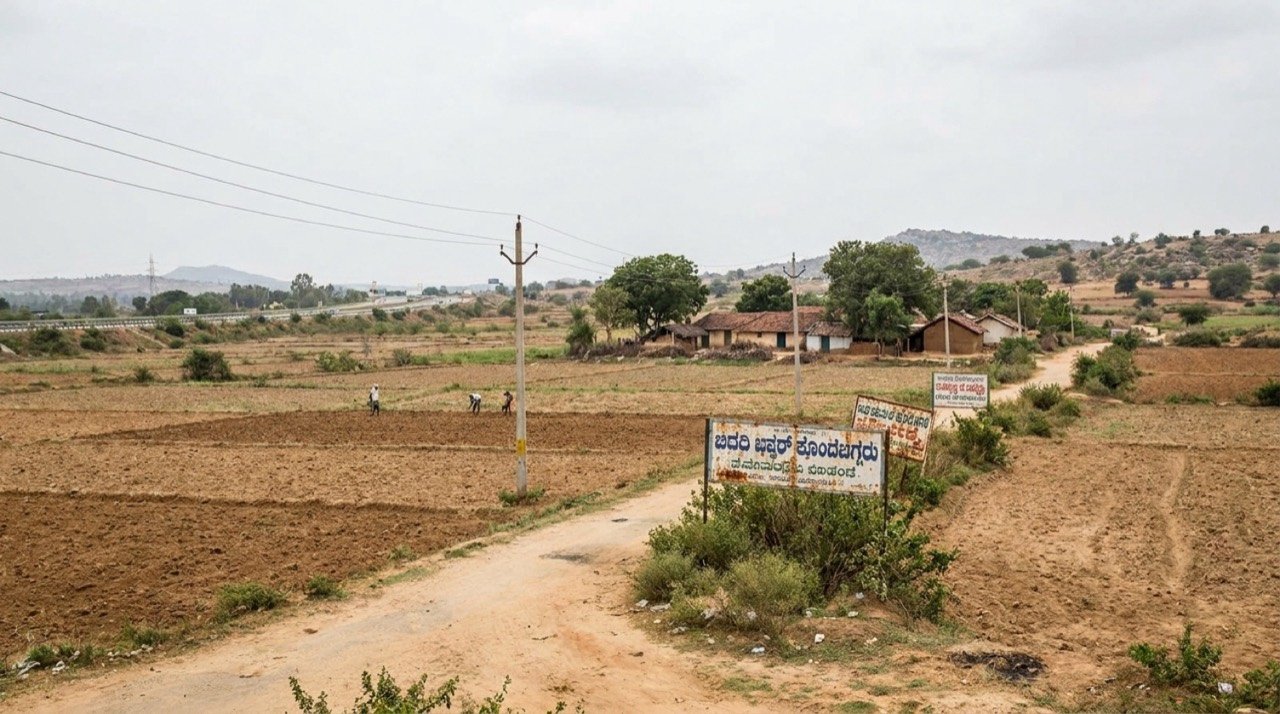
The proposed Greater Bengaluru Integrated Township near Bidadi has become a political flashpoint, as Shivakumar and Kumaraswamy spar over an open debate and farmers raise land and livelihood concerns.
Ladakh Shutdown Pushes Statehood Dialogue With Centre Back Into Focus
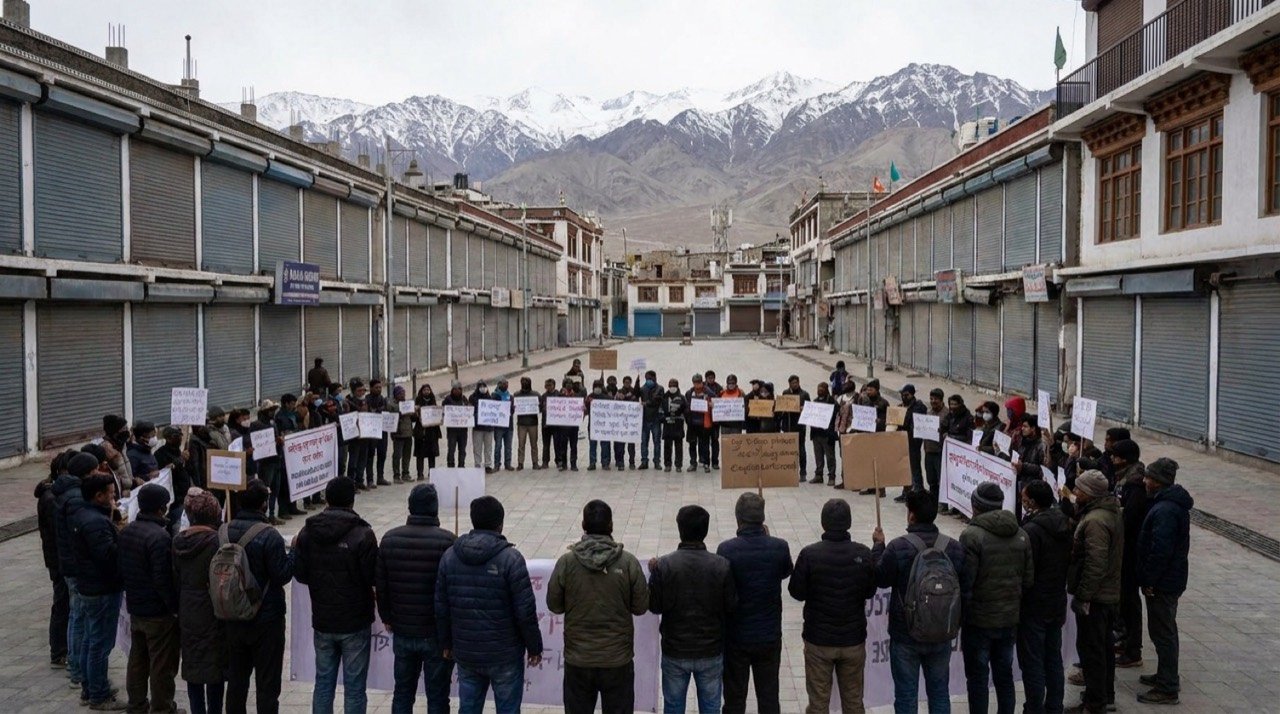
A near-total shutdown across Ladakh on June 23 saw Leh and Kargil bodies press New Delhi for credible dialogue, reviving demands for statehood, Sixth Schedule safeguards and land and job protections.
PM Modi Calls on President Murmu as Cabinet Reshuffle Speculation Grows in Delhi
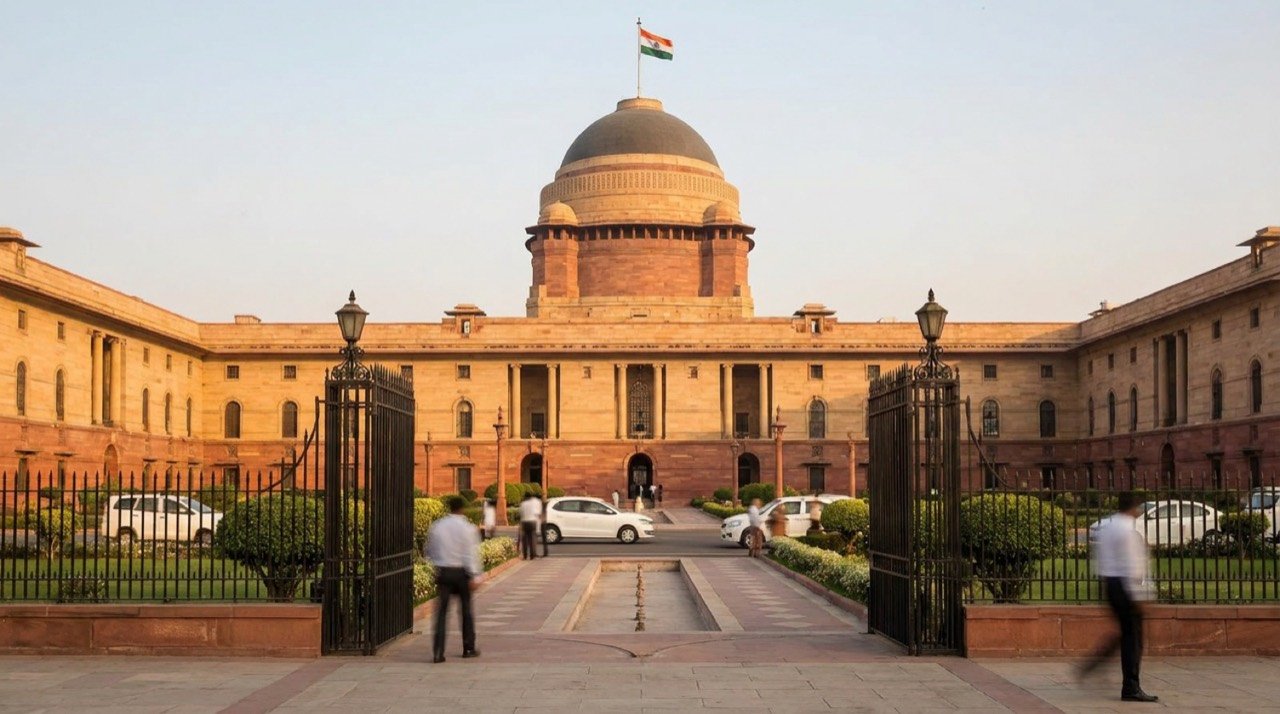
Prime Minister Narendra Modi met President Droupadi Murmu at Rashtrapati Bhavan on June 23, a call that drew sharp political attention amid mounting speculation over a possible Union Council of Ministers reshuffle.
More from this section
More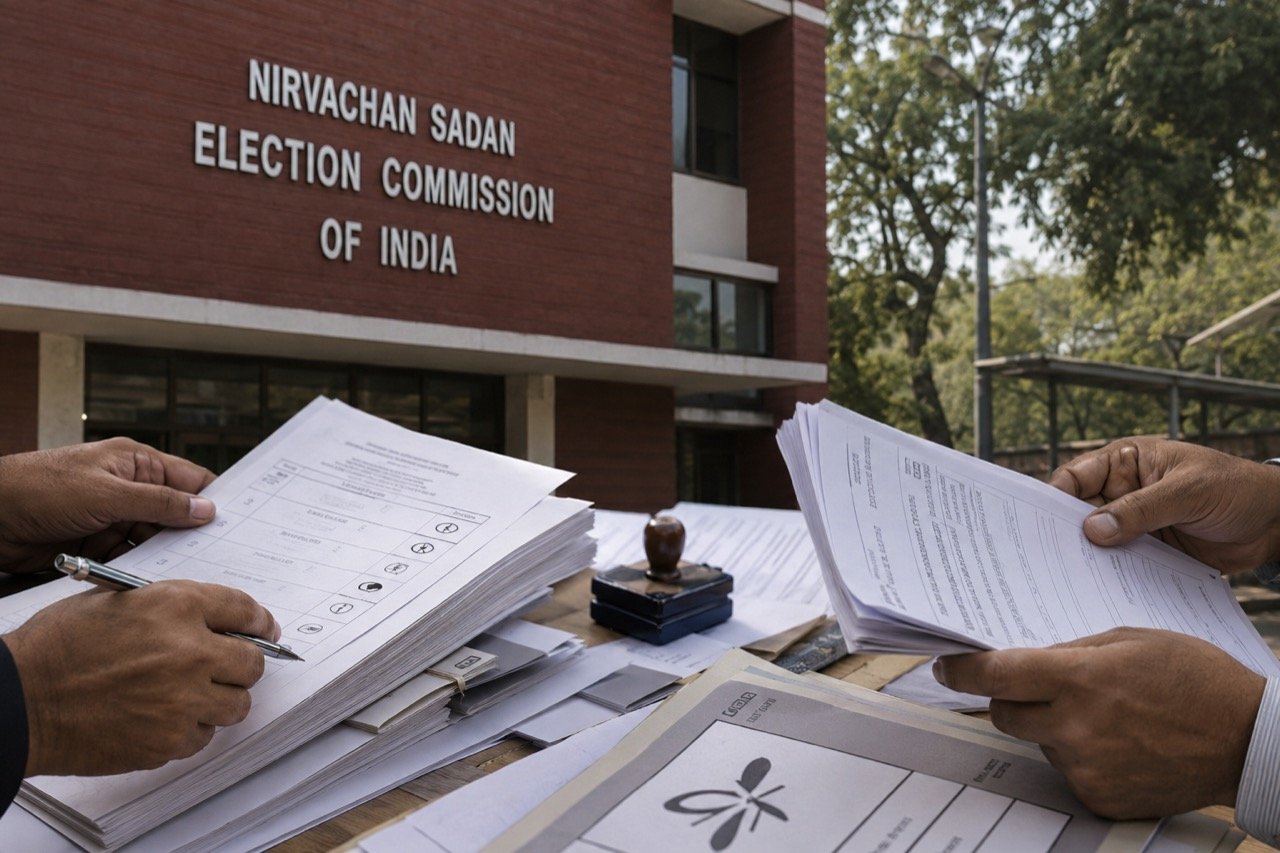
K Kavitha Party Denied TRS Name by Election Commission
The Election Commission has refused to register K Kavitha's Telangana Rakshana Sena under the TRS acronym after objections, forcing a branding reset for the new party at a politically sensitive moment in Telangana.
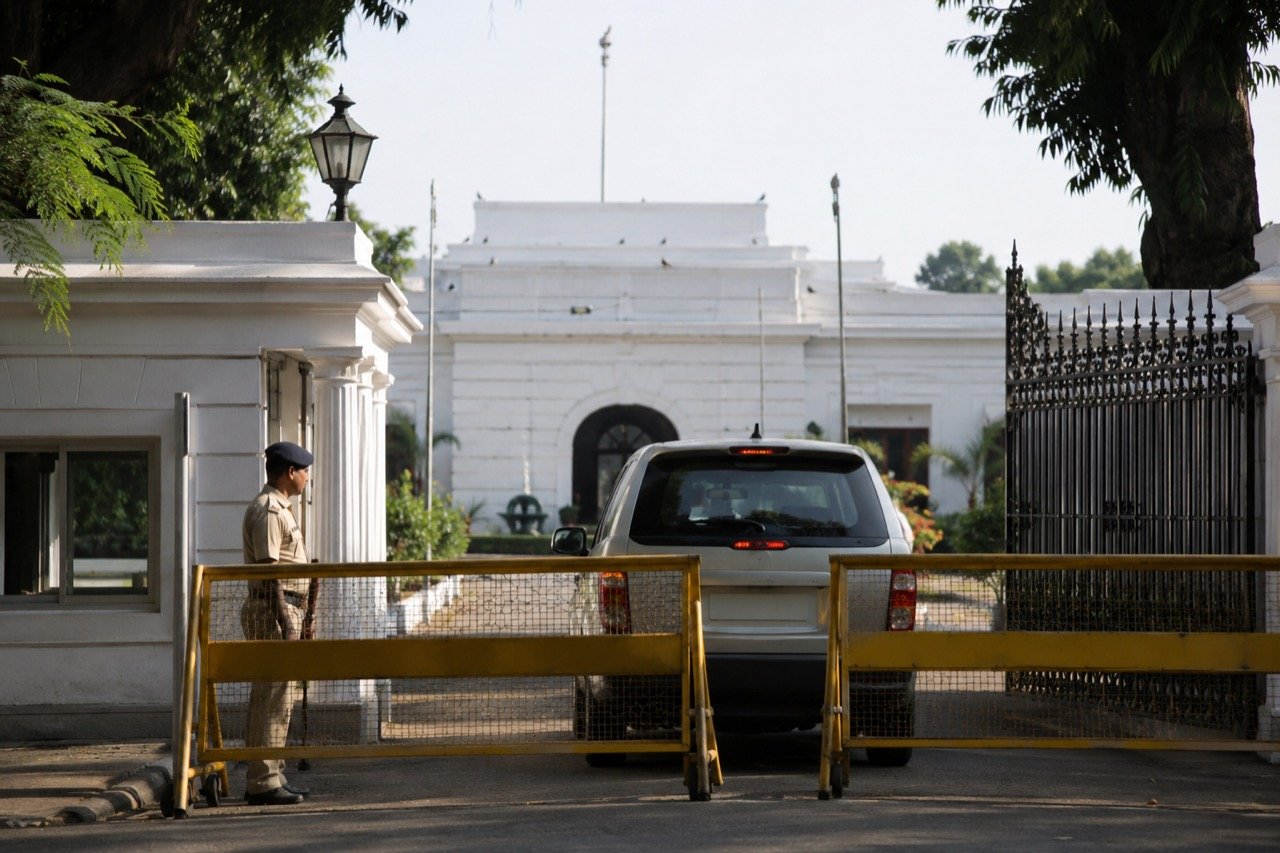
Lalu Prasad Yadav Security Downgrade, Bungalow Order Stir Bihar
A government order downgrading Lalu Prasad Yadav's security cover and asking him to vacate an official bungalow has opened a fresh political flashpoint in Bihar, with the RJD chief's reaction fuelling the row.
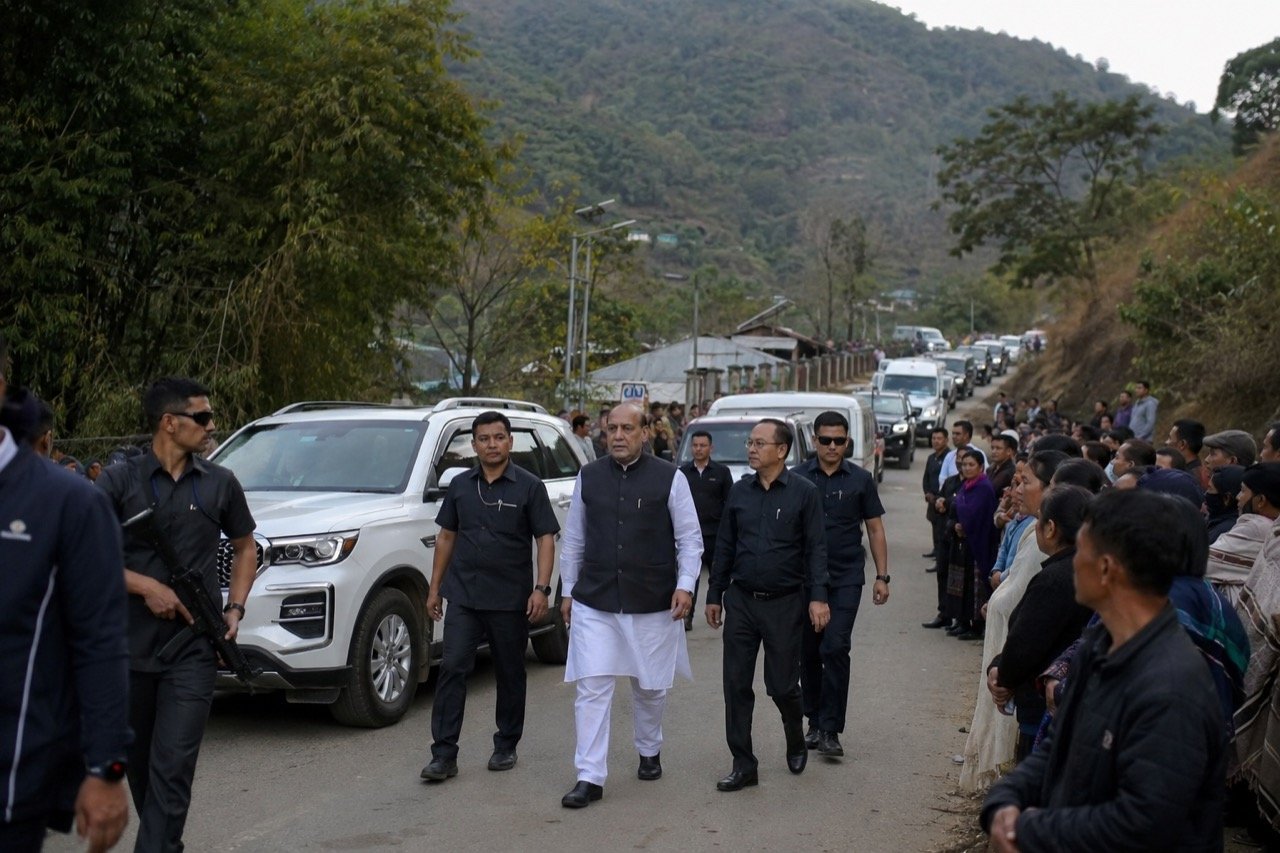
Manipur CM's Churachandpur Visit: First Since 2023 Unrest
The Manipur Chief Minister travelled to Churachandpur for a BJP MLA's funeral, his first visit to the district since the 2023 violence, lending the sombre occasion an unmistakable political significance.