Delhi High Court Clears Way for Proposed CAG Audit of BSES Discoms
The Delhi High Court has dismissed BSES petitions against a proposed CAG audit, calling the June 6 notice a show-cause communication and keeping scrutiny of power distribution finances alive.
Commentary & Analysis ·
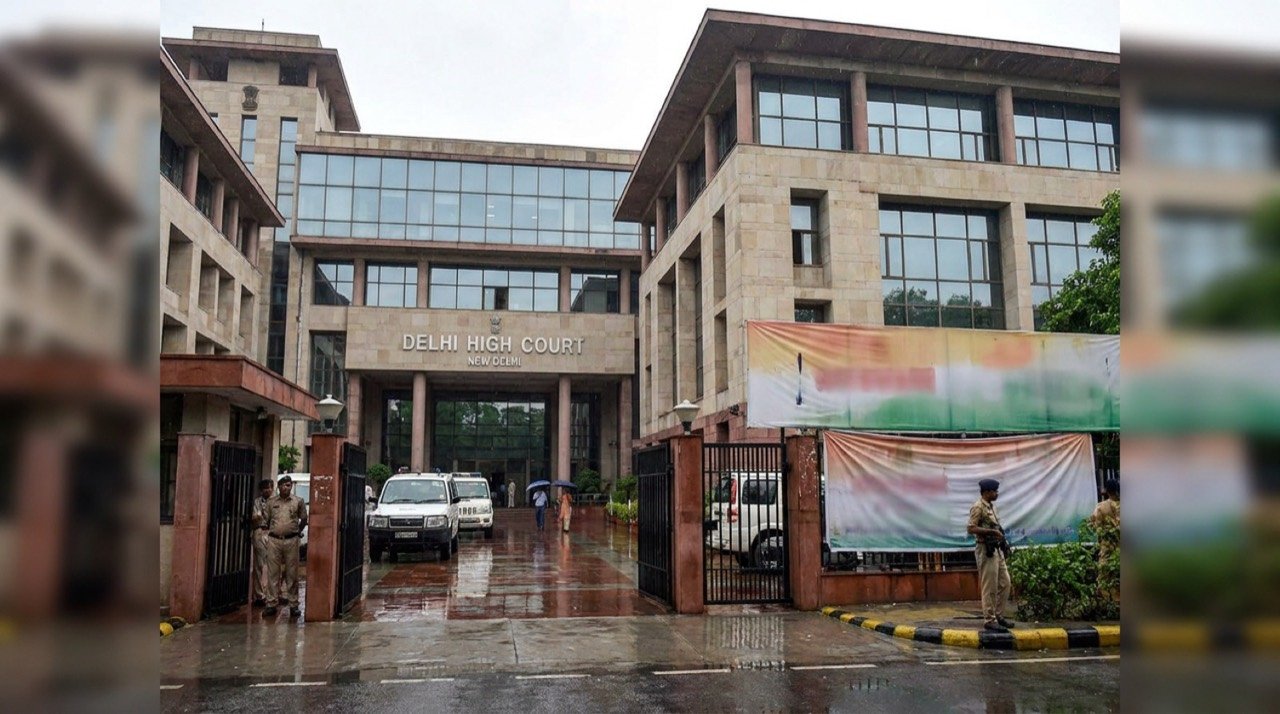
The Delhi High Court has dismissed petitions filed by the BSES discoms challenging the Delhi government's proposal to entrust an audit of their accounts to the Comptroller and Auditor General, clearing the way for the process to advance. The ruling keeps alive a closely watched question about transparency, consumer costs and financial accountability in the capital's electricity distribution sector.
What the Court Said
According to the Times of India, the court held that the government's June 6 communication was still a show-cause notice rather than an adverse finding against the companies. In other words, no conclusion had yet been reached, and the discoms would be given a hearing before any final decision is taken.
On that basis, the court found no ground to intervene at this stage. The petitions by BSES Rajdhani Power Limited and BSES Yamuna Power Limited were dismissed, allowing the government's proposal to proceed through its due process.
Why a CAG Audit Matters
The Comptroller and Auditor General is India's apex public auditor, and subjecting private distribution utilities to such scrutiny is significant. At the heart of the dispute lie regulatory assets, the deferred costs that accumulate on discom balance sheets and that ultimately influence the tariffs consumers pay.
Greater visibility into how these assets and costs are accounted for could shape future tariff decisions and the broader debate over efficiency and fairness in Delhi's power supply, where millions of households depend on the discoms.
The Road Ahead
With the legal challenge set aside for now, attention turns to the hearing process the court referenced. The discoms will have the opportunity to make their case before any audit is formally ordered, meaning the outcome is far from settled.
- The Delhi High Court dismissed BSES petitions against the proposed CAG audit.
- The June 6 communication was deemed a show-cause notice, not a final finding.
- BSES Rajdhani and BSES Yamuna will receive a hearing before any decision.
- Regulatory assets and consumer tariffs are central to the dispute.
- The audit proposal can now proceed through its due process.
“Just a proposal, no adverse finding: the communication was still a show-cause notice, and the companies would get a hearing.”
— Delhi High Court, as reported
For consumers and policymakers alike, the ruling preserves an avenue for independent examination of how Delhi's electricity distributors manage their finances. Whether that examination ultimately materialises will depend on the hearing to come, but the principle of accountability in a sector that touches every household has, for the moment, been reinforced.
The NE Times View
The court's refusal to shield BSES from scrutiny is a small but welcome win for accountability in a sector where consumers ultimately pay for opaque finances. A CAG audit of discoms could illuminate the tariff math that Delhi's households rarely get to see. The caveat is that this remains a show-cause stage, not a verdict; the real test is whether the audit, if it proceeds, leads to transparency rather than litigation.
This article is original commentary and analysis by The NE Times. Background facts were referenced from Times of India and BSES.
You may also like to read
Delhi High Court Refuses to Waive 30-Day Special Marriage Act Notice Period
The Delhi High Court has declined to waive the mandatory 30-day notice under the Special Marriage Act, ruling that courts cannot direct authorities to bypass an express statutory requirement.
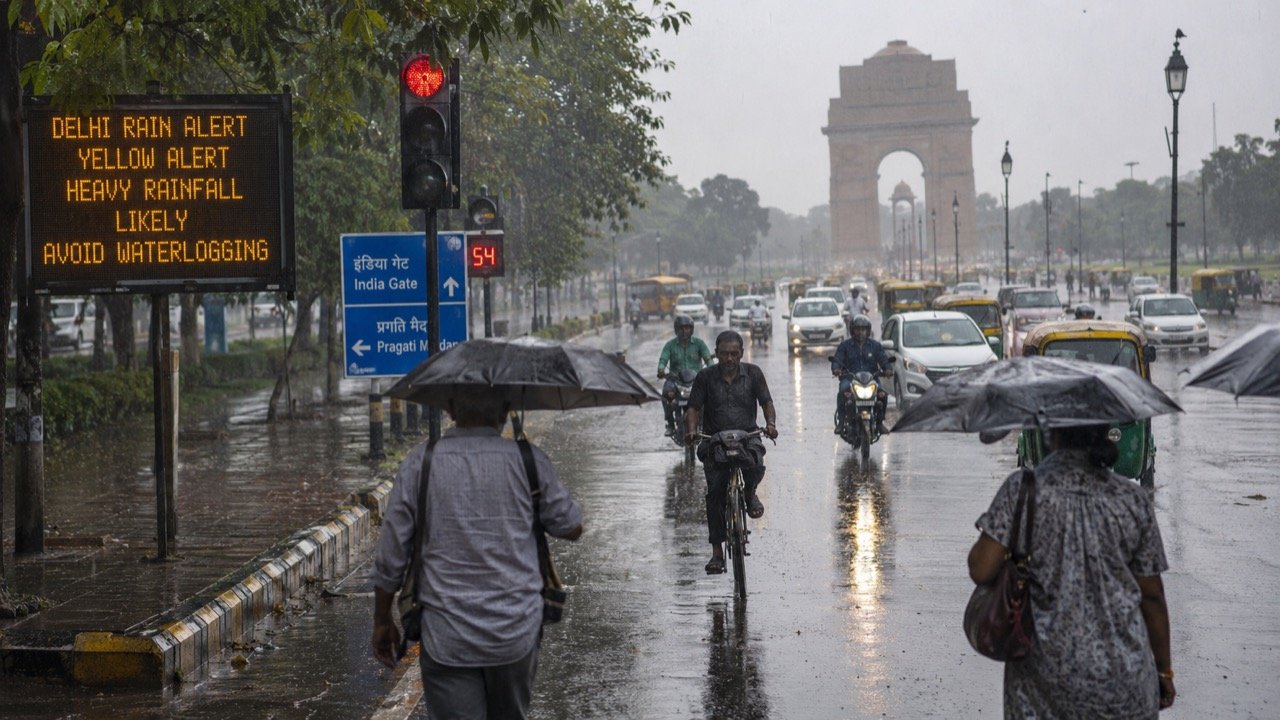
Delhi Rain Alert: Monsoon Travel and Civic Readiness Under Watch
Delhi's monsoon rain watch has residents tracking weather alerts and traffic advisories, as even moderate showers test the capital's drainage, underpasses and last-mile travel networks.
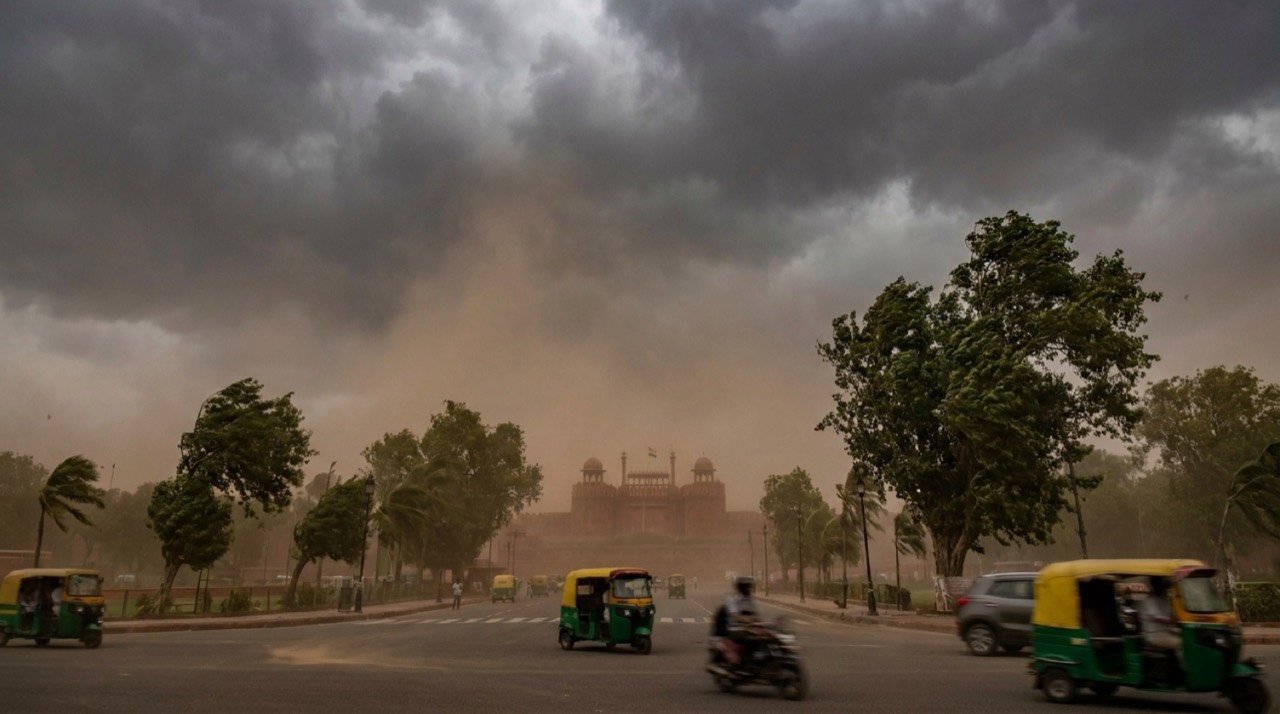
Delhi Red Alert: Dust Storms, Lightning and Rain Sweep the National Capital Region
Delhi moved under a short-term red weather alert on June 23 as dust storms, strong winds and severe thunderstorms threatened traffic, flights, power supply and outdoor safety across the National Capital Region.
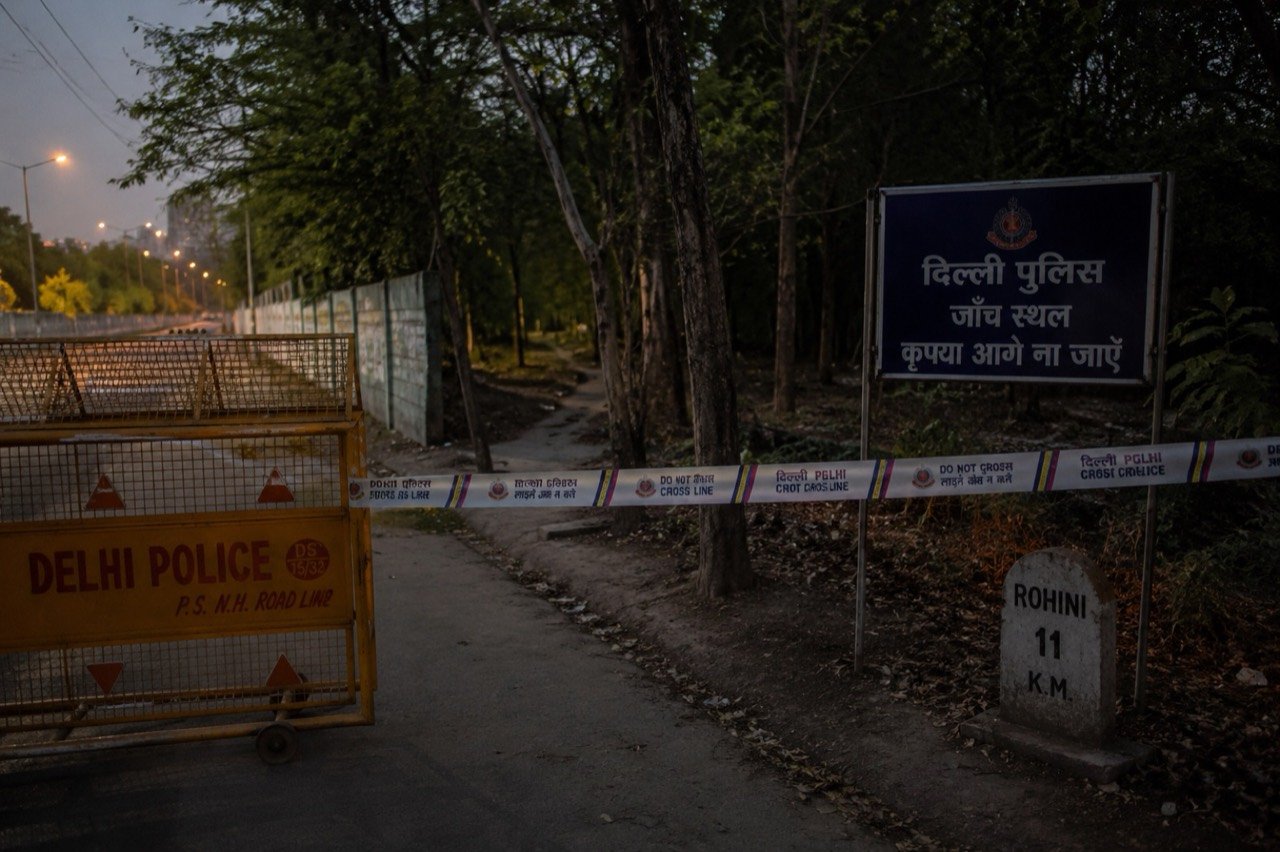
Delhi Child Murder Case Puts Footpath Safety and Fast Policing Under Scrutiny
The killing of a 10-year-old girl sleeping on a Delhi footpath, with an arrest made within hours, has forced hard questions about pavement dwellers, night-time safety and the speed of missing-child response.
More from this section
More
AICTE Industry Fellowship 2026: Rs 1.5 Lakh Scheme Closes July 5
The AICTE Industry Fellowship Programme 2026, which places technical-education faculty inside leading companies on a Rs 1.5 lakh monthly stipend, reached its application deadline on July 5.
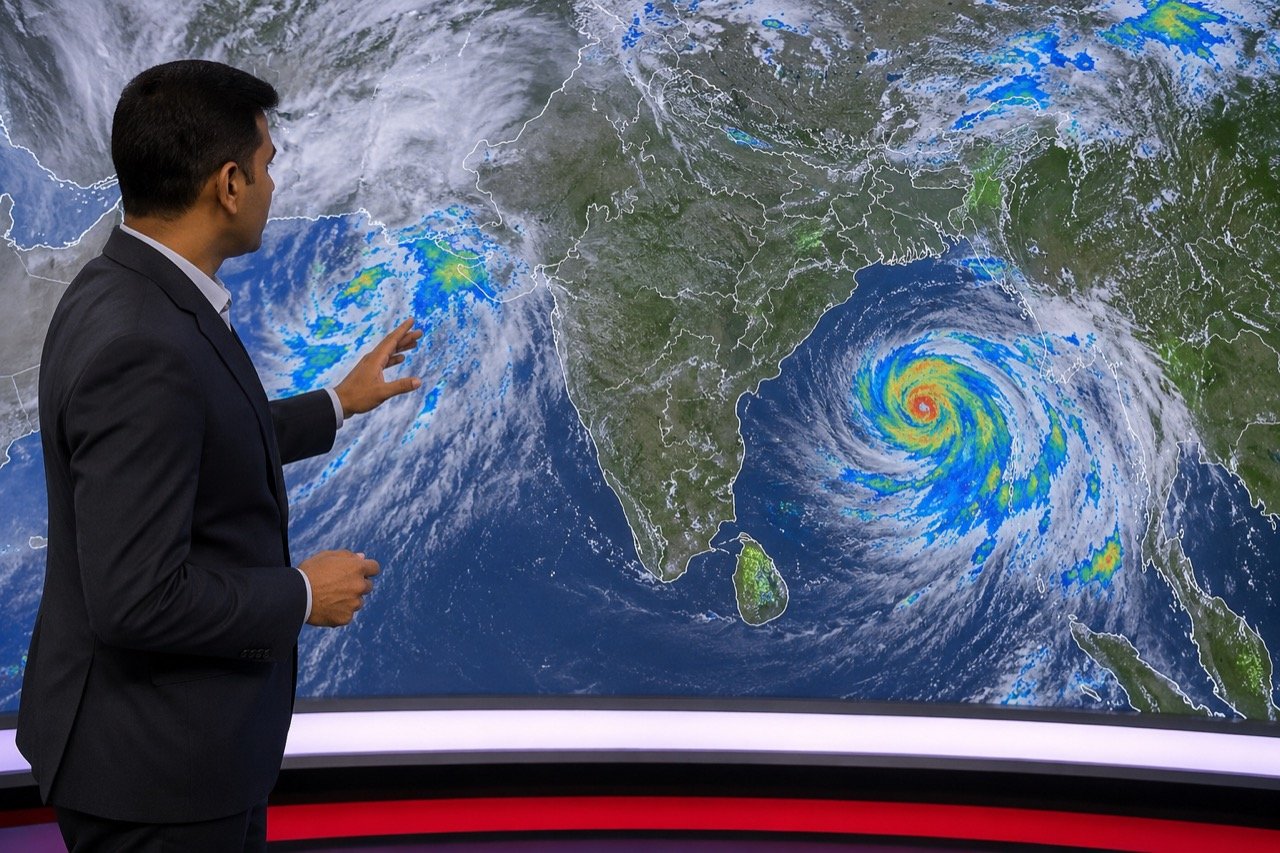
Bay of Bengal Low Pressure System Revives Monsoon Over Western India
A low-pressure system over the Bay of Bengal has pushed the monsoon back into an active phase, bringing steady heavy rain to Kerala, coastal Karnataka and Maharashtra, and putting Mumbai and Pune on preparedness watch.
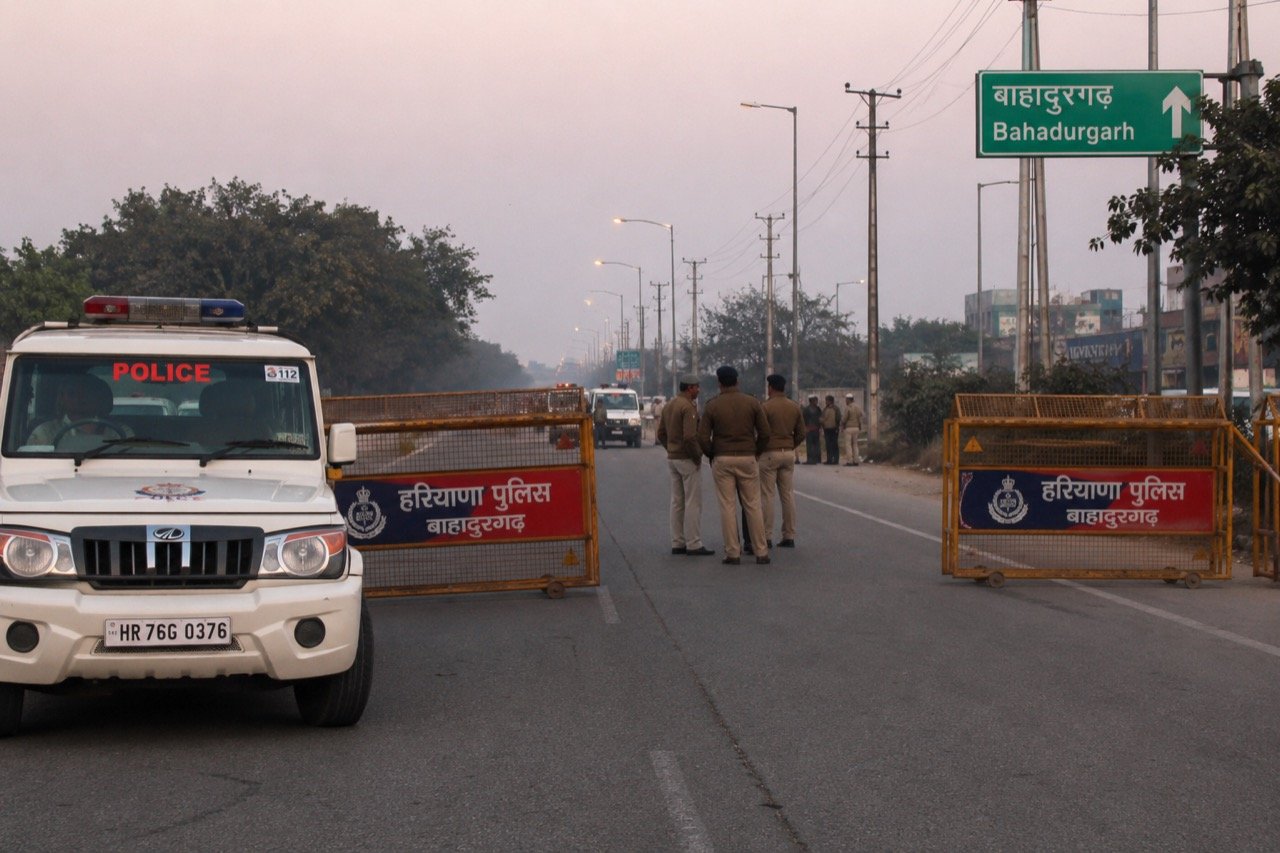
Bishnoi Gang Suspects Injured in Haryana Encounter as Police Tighten Net
A joint Haryana-Delhi Police operation in Bahadurgarh left two suspected Lawrence Bishnoi gang members injured, spotlighting the multi-state coordination now central to India's fight against organised crime networks.