Delhi Mehrauli Child Murder Renews Alarm Over Pavement-Dweller Safety
The abduction, assault and killing of an 11-year-old girl sleeping on a Mehrauli pavement has shaken Delhi-NCR, exposing the acute vulnerability of homeless families and gaps in night-time policing.
Commentary & Analysis ·
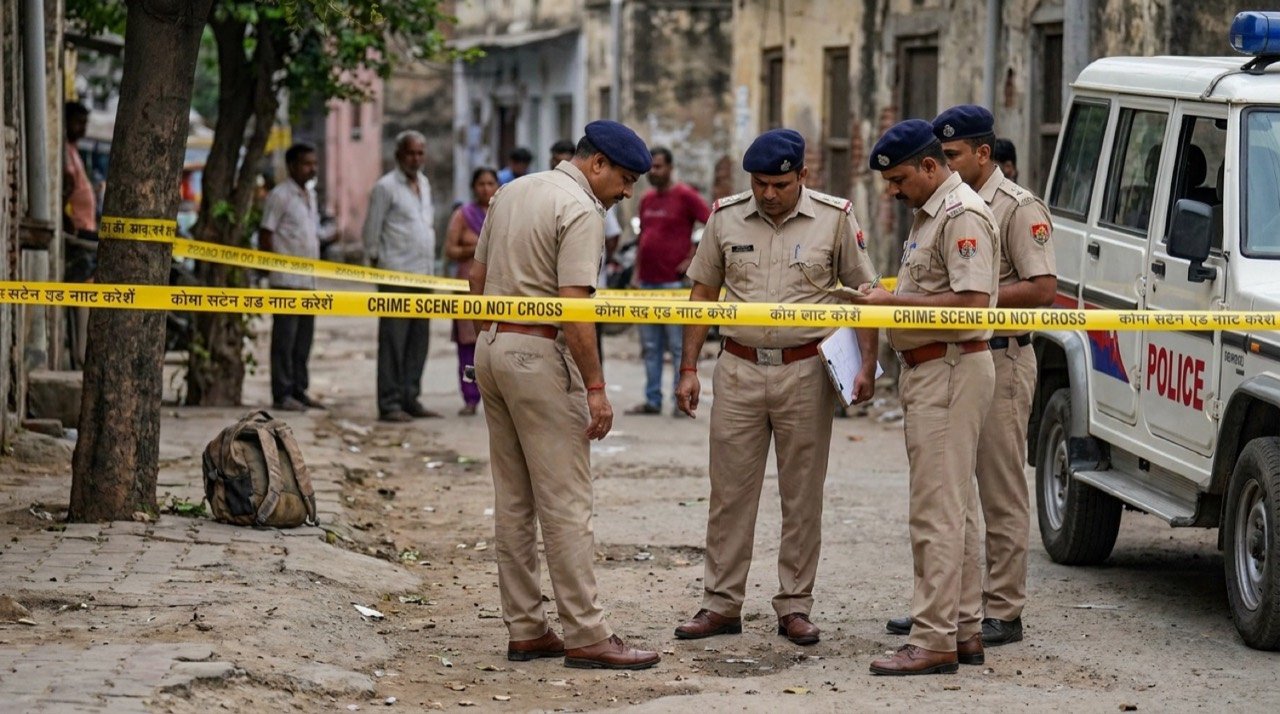
The killing of an 11-year-old girl in Delhi's Mehrauli area has sent a wave of grief and anger across the National Capital Region, reviving difficult questions about how the city protects its most exposed residents. Police say the child, who was sleeping with her family on a pavement, was abducted, sexually assaulted and murdered, and that a cab driver was arrested within hours.
What police have said
According to investigators, the girl was taken from the roadside where her family had been sleeping, an act that points to the near-total absence of safe shelter for pavement-dwelling households. The accused, identified as a cab driver, is in custody, and officers have said the investigation is continuing as they piece together the sequence of events.
The speed of the arrest has been noted, but it has done little to blunt public anguish over a crime that targeted a sleeping child in a public space.
The vulnerability of homeless families
The case has thrown a harsh light on the lives of families who sleep on pavements across Indian cities, often without lighting, shelter or any meaningful security. For such households, the street is both home and a place of constant risk, particularly for women and children during the night.
Child-rights advocates have long warned that homeless minors face heightened exposure to trafficking, abuse and violence, and that existing shelter and welfare schemes reach only a fraction of those who need them.
Policing and protection gaps
The incident has renewed scrutiny of night-time policing and patrolling in the capital, especially in transitional zones near city boundaries. Questions are being asked about surveillance coverage, response readiness and whether vulnerable clusters of homeless families receive any dedicated protection.
- An 11-year-old girl sleeping on a Mehrauli pavement was abducted, assaulted and killed, police say.
- A cab driver was arrested within hours and remains in custody.
- The case has shocked Delhi-NCR and renewed debate on child protection.
- Homeless and pavement-dwelling families face acute night-time vulnerability.
- Activists are urging stronger shelter provision and night patrolling.
“The vulnerability of children sleeping in the open cannot be treated as an inevitable feature of city life.”
— Child-rights advocates, reacting to the case
As the legal process unfolds, the killing is likely to intensify pressure on authorities to expand shelter access, strengthen night patrols and treat the safety of homeless families as a core element of urban policing rather than an afterthought.
The NE Times View
The murder of a child sleeping on a pavement is a moral indictment of a capital that has normalised families living and sleeping on its streets. Outrage will fade, as it always does, unless it forces hard questions about shelter provision and night-time policing for the invisible poor. Safety cannot be a privilege of those with four walls. Delhi must treat homeless families as citizens owed protection, not as a permanent backdrop to its prosperity.
This article is original commentary and analysis by The NE Times. Background facts were referenced from Hindustan Times and The Times of India.
You may also like to read
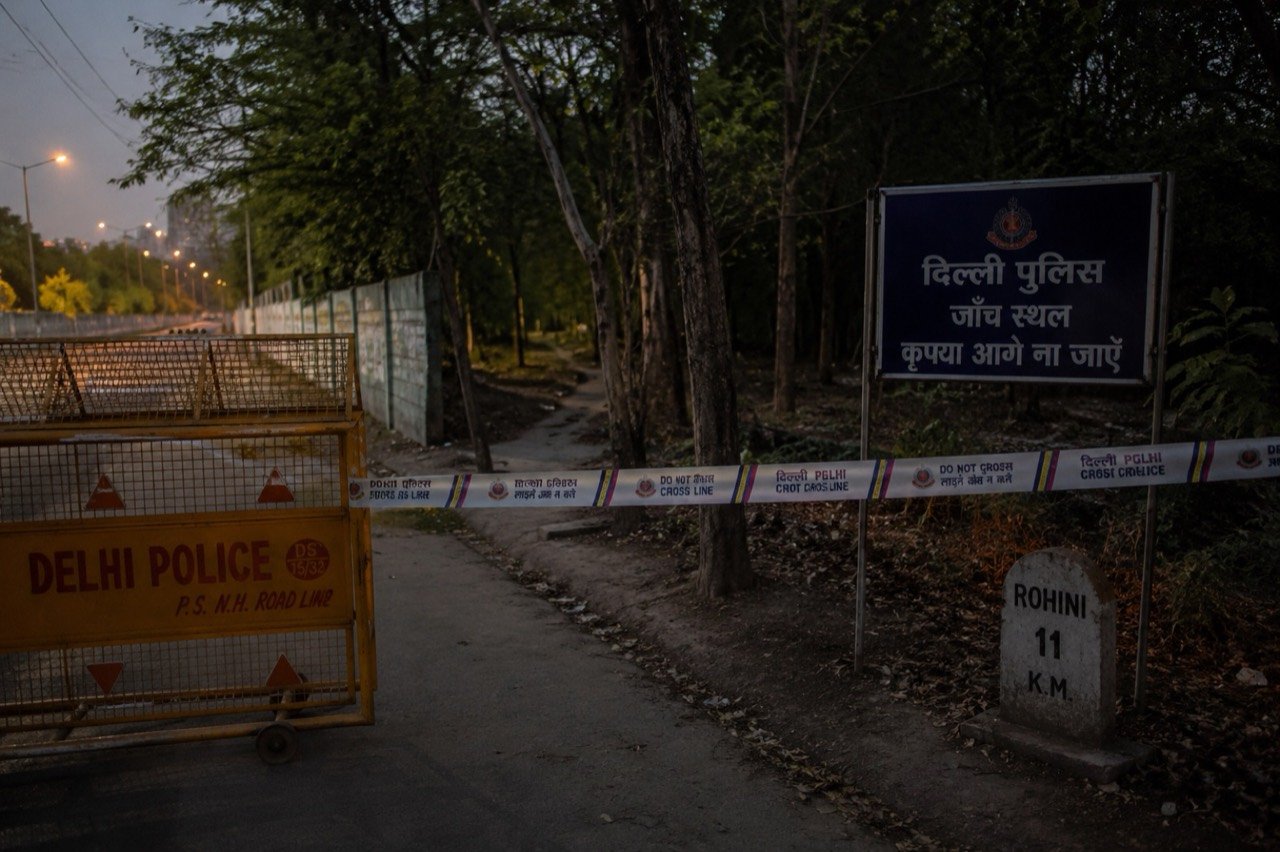
Delhi Child Murder Case Puts Footpath Safety and Fast Policing Under Scrutiny
The killing of a 10-year-old girl sleeping on a Delhi footpath, with an arrest made within hours, has forced hard questions about pavement dwellers, night-time safety and the speed of missing-child response.
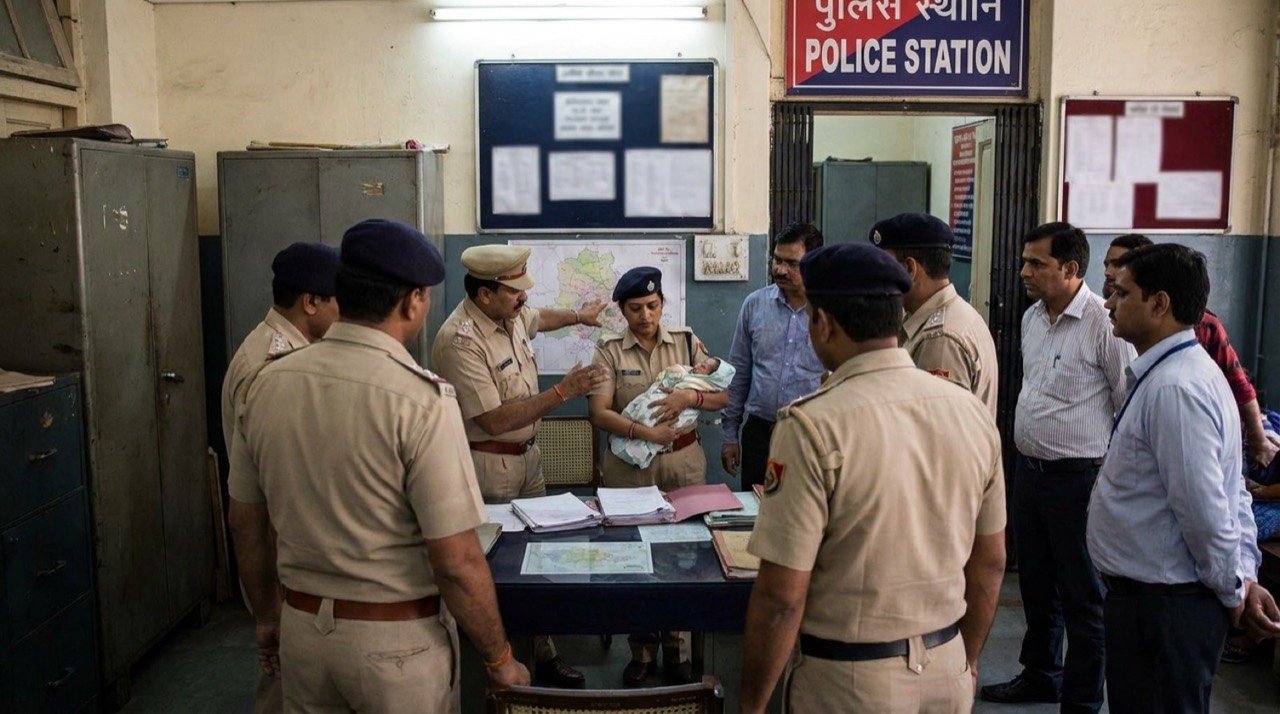
Delhi Infant Rescue Renews Focus on Child-Trafficking Networks
Delhi Police have rescued a 25-day-old infant and arrested two people in a suspected child-trafficking case, reviving concern over organised networks and gaps in missing-child safeguards.

Arrest in Bengaluru Daycare Case Deepens Child Safety Questions
Bengaluru police have arrested a woman connected to the daycare case at a Capgemini campus facility, sharpening scrutiny of caregiver vetting, oversight and accountability at workplace-linked childcare centres.
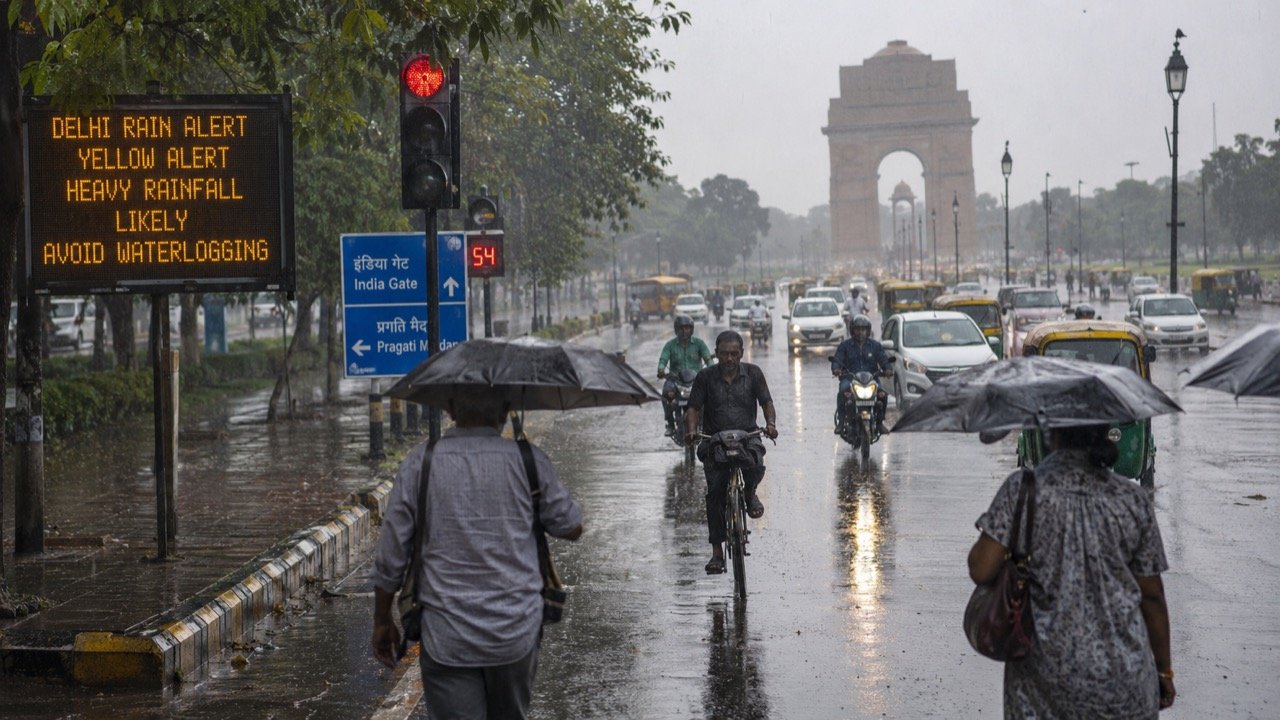
Delhi Rain Alert: Monsoon Travel and Civic Readiness Under Watch
Delhi's monsoon rain watch has residents tracking weather alerts and traffic advisories, as even moderate showers test the capital's drainage, underpasses and last-mile travel networks.
More from this section
More
AICTE Industry Fellowship 2026: Rs 1.5 Lakh Scheme Closes July 5
The AICTE Industry Fellowship Programme 2026, which places technical-education faculty inside leading companies on a Rs 1.5 lakh monthly stipend, reached its application deadline on July 5.

Bay of Bengal Low Pressure System Revives Monsoon Over Western India
A low-pressure system over the Bay of Bengal has pushed the monsoon back into an active phase, bringing steady heavy rain to Kerala, coastal Karnataka and Maharashtra, and putting Mumbai and Pune on preparedness watch.
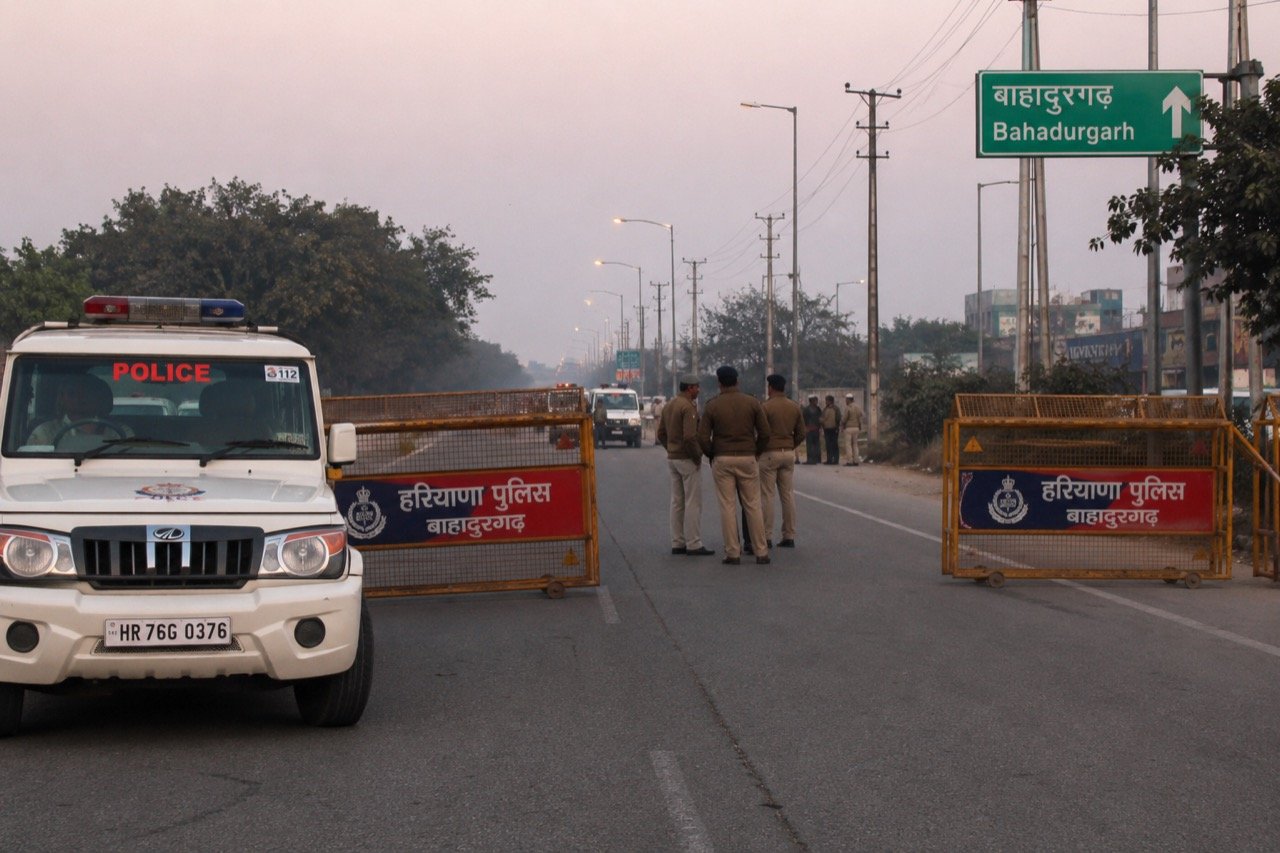
Bishnoi Gang Suspects Injured in Haryana Encounter as Police Tighten Net
A joint Haryana-Delhi Police operation in Bahadurgarh left two suspected Lawrence Bishnoi gang members injured, spotlighting the multi-state coordination now central to India's fight against organised crime networks.