Delhi High Court Orders Daily Medical Checks for Sonam Wangchuk: What the Ruling Really Means
The Delhi High Court has ordered daily medical monitoring of fasting activist Sonam Wangchuk, creating a legal framework for intervention without directly ending his protest
Commentary & Analysis ·

Key facts
- The High Court directed government doctors to examine Wangchuk every day.
- Authorities were told to provide necessary medical intervention if his health deteriorates.
- The proceedings arose from a public-interest petition seeking urgent medical protection, including stronger intervention.
- The court emphasised the value of every citizen’s life while stopping short of a simple order ending the fast.
A protective order rather than a political judgment
The Delhi High Court’s direction is best understood as a protective order. It does not decide whether the protest demands are correct, whether the education minister should resign or whether organisers should be allowed to march in a particular manner. Instead, it focuses on an immediate constitutional concern: the state cannot ignore a potentially life-threatening condition occurring in a public protest space under its supervision. By requiring daily examination, the court has created an evidence trail. Doctors must assess the activist, authorities must receive those assessments, and any decision to intervene or not intervene can later be tested against medical advice.
Why daily monitoring matters
A prolonged fast can change quickly. Blood pressure may fall, dehydration may worsen, electrolyte levels may become unstable and kidney or cardiac stress may emerge without dramatic outward signs. Daily checks reduce the risk that officials rely on occasional visual observation or delayed private reports. They also help separate political claims from clinical findings. Supporters may say Wangchuk is stable enough to continue; petitioners may say he faces imminent collapse. A documented medical assessment gives the court a more objective basis for future orders. It also protects doctors by clarifying that their role is to evaluate health, not decide the political merits of the movement.
The tension between life and autonomy
The difficult legal question is not whether life is valuable; all sides agree that it is. The conflict concerns how far the state may go to preserve life when a competent adult deliberately refuses food as political expression. Indian constitutional law protects life and personal liberty, while medical ethics places strong weight on informed consent. At the same time, authorities have duties toward people in their custody or under conditions where public safety is threatened. The court’s measured approach avoids prematurely resolving that conflict. Monitoring preserves options and buys time, while a coercive step would require stronger evidence of incapacity or immediate danger.
Why the phrase “every life is precious” matters
The court’s observation carries moral as well as legal weight. It signals that the protest cannot be treated as a private choice with no public responsibility. Once an indefinite fast is conducted at Jantar Mantar and becomes a national event, government agencies, police and health departments cannot simply watch. The phrase also communicates to Wangchuk’s supporters that judicial concern is not hostility to the cause. A court can respect the right to protest while insisting that preventable death is not an acceptable outcome. That distinction is essential because legal intervention is often portrayed in political debate as either complete support or complete suppression.
What may happen at the next hearing
Future proceedings could examine the latest medical reports, Wangchuk’s willingness to accept treatment, the qualifications of the doctors monitoring him and whether hospitalisation is necessary. The court may also ask what steps the Centre and Delhi government have taken to encourage a peaceful resolution. If doctors report severe deterioration, the legal debate will become more urgent and specific. If his condition remains stable, the court may continue supervision without ordering removal. Any publication should therefore avoid claiming that force-feeding has been approved. The existing direction is for monitoring and necessary medical action, not a blanket authorisation for every possible intervention.
A wider precedent for protest governance
The case illustrates how courts become emergency managers when political dialogue fails. Judicial supervision can prevent neglect, but it cannot replace negotiation about examination reform, accountability and compensation. If every day of protest requires a new medical or police order, the underlying policy dispute remains untouched. The most constructive outcome would combine health protection with a credible channel for talks. That would allow the court to step back from daily crisis management while ensuring that ending the fast does not look like surrender. The ruling’s real significance may therefore lie in creating time for a political solution.
What readers and publishers should monitor
Readers following this angle should track the next medical report filed before the court, whether hospitalisation is recommended, Wangchuk’s recorded consent or refusal, any clarification on force-feeding, and whether talks reduce the need for judicial supervision. Because this is a fast-moving protest, every figure and procedural claim should carry a date. Health information should come from doctors or court records; protest logistics should come from organisers and police; legal conclusions should be tied to the actual order; and allegations about examination wrongdoing should remain attributed until established by investigation or judgment. The primary keyword should appear naturally in the headline, introduction, one subheading, image alt text and conclusion. Secondary terms should be used only where they answer a genuine reader question. Repeating a phrase mechanically can reduce readability and search quality. The strongest publication strategy is to update the article rather than create a misleading new headline for every minor development. Add a timestamp, preserve the earlier context, explain what has changed and correct outdated numbers visibly. That approach serves readers, protects credibility and prevents the hunger strike from being reduced to a stream of disconnected viral claims.
Sources
- Delhi High Court coverage by The Times of India, Hindustan Times and PTI, July 16-17, 2026.
- The Indian Express live legal coverage of the PIL, July 15-16, 2026.
- India Today report on court-ordered monitoring, July 17, 2026.
This article is original news analysis and commentary by The NE Times, based on reporting from the sources listed above.
You may also like to read
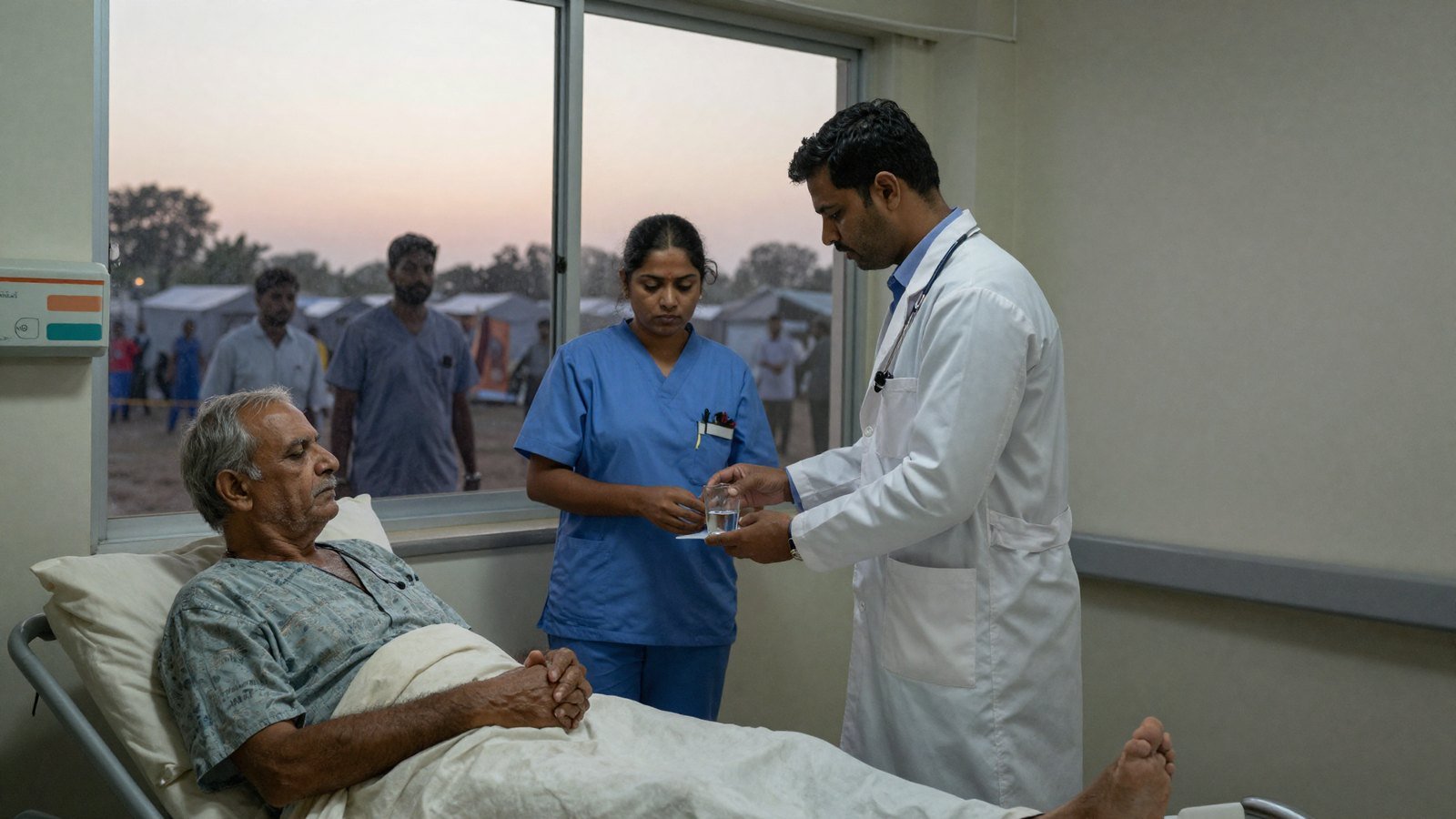
Sonam Wangchuk Ends 26-Day Hunger Strike: The Agreement, the Timing and What Changed
Sonam Wangchuk ended his 26-day fast at a Gurugram hospital after negotiations and assurances from the Union government, but the student movement did
No Cases Against Peaceful Protesters: What the Assurance Could Mean for Students Facing Police Action
A promise against retaliatory action may be important, but its value depends on wording, scope, communication to police and remedies when cases already

Bombay High Court Tests Maharashtra's Maratha Quota Against Political Power and the 50 Percent Ceiling
The Bombay High Court is not merely deciding whether a 10 percent figure is politically popular or administratively convenient.

Can the Government Force-Feed a Hunger Striker in India? The Sonam Wangchuk Case Tests Rights and Duties
A legal and medical explainer on whether Indian authorities can force-feed a competent hunger striker and how Article 21, consent and emergency duties interact
More from this section
More
Why Is Sonam Wangchuk on Hunger Strike? The Demands Behind the Jantar Mantar Protest
The current Jantar Mantar fast centres on examination accountability, the demand for Dharmendra Pradhan’s resignation and wider reforms to protect students
Is Sonam Wangchuk’s Hunger Strike About NEET or Ladakh? Clearing Up the Search Confusion
Conflicting search results describe the current fast as a NEET protest, a Ladakh protest or both. Here is how to separate the immediate campaign from Wangchuk’s wider activism
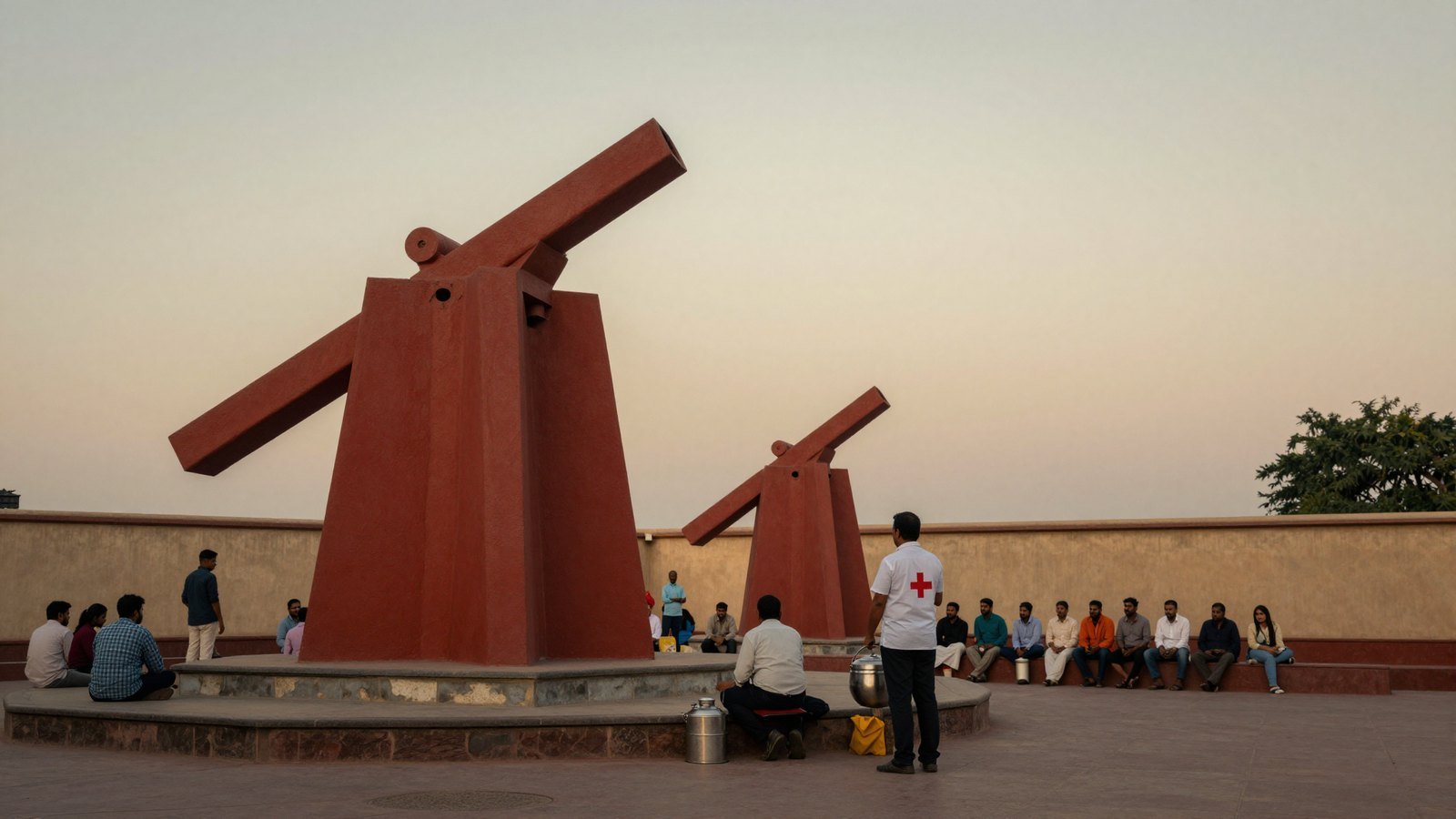
Why Jantar Mantar Matters: The Protest Space at the Centre of Sonam Wangchuk’s Hunger Strike
Jantar Mantar has become the physical centre of the CJP campaign, linking India’s tradition of public protest with modern digital mobilisation and court supervision