Char Dham Yatra Crosses 20 Lakh Pilgrims as Kedarnath Rush Sets Records
Uttarakhand's high-altitude shrine circuit has drawn an unprecedented turnout this season, prompting crowd-control measures and helicopter booking curbs as June footfall climbs.
Commentary & Analysis ·
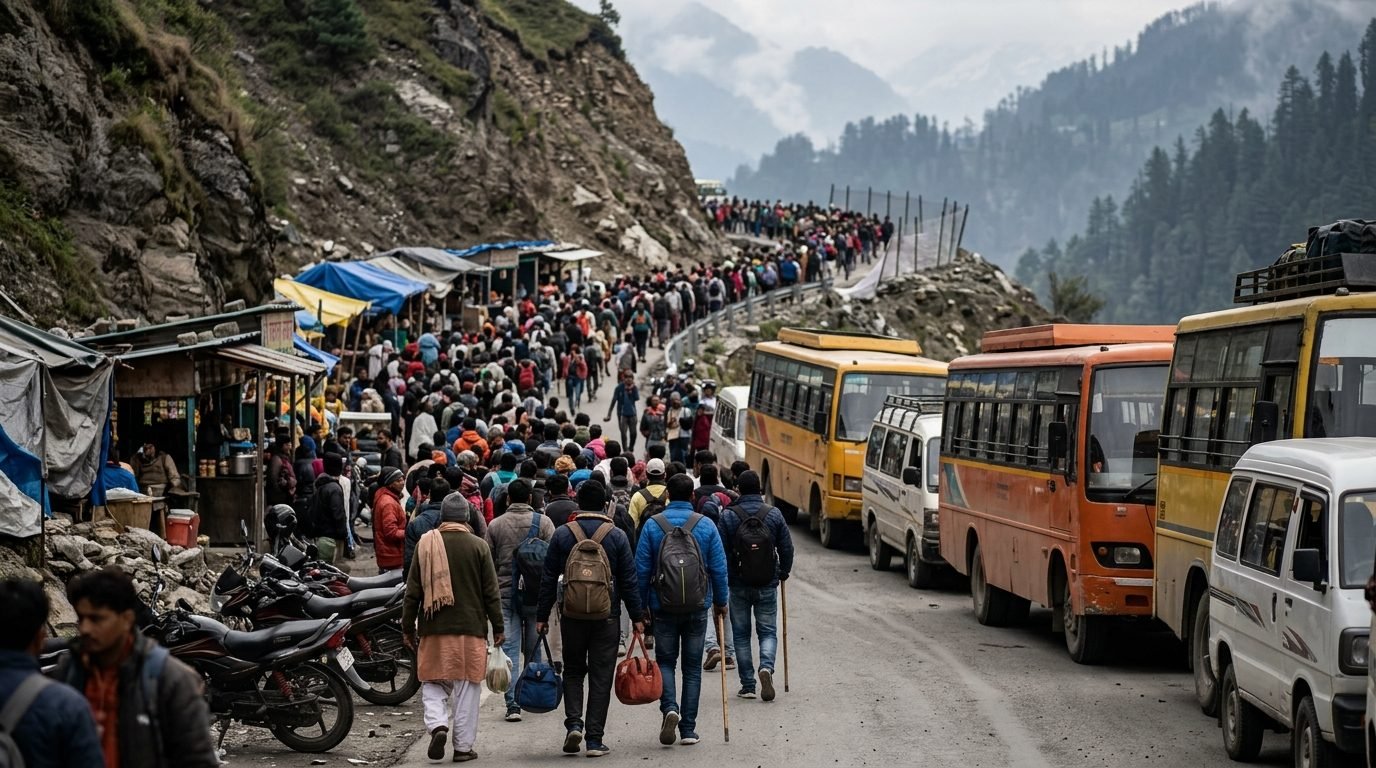
The 2026 Char Dham Yatra in Uttarakhand has registered one of its busiest seasons on record, with cumulative footfall across the four Himalayan shrines crossing the 20 lakh mark within weeks of the pilgrimage opening on 19 April. State officials say the pace of arrivals has outstripped earlier years, straining accommodation, road capacity and darshan queues at sites that sit between roughly 3,000 and 3,600 metres above sea level.
The numbers point to a season that has front-loaded its rush, with the first weeks alone delivering the kind of turnout that older yatras took far longer to accumulate. For a circuit threaded through narrow mountain valleys and single-lane stretches of road, that compression has consequences: the same infrastructure that comfortably absorbed a steady trickle of devotees now has to cope with surges that arrive in concentrated bursts.
Where the pilgrims are going
Kedarnath has emerged as the most visited of the four dhams, drawing the largest share of pilgrims, followed by Badrinath, while Gangotri and Yamunotri have each recorded several lakh visitors. On peak days, combined arrivals across the shrines have neared 90,000 - a figure that underlines just how heavily demand has clustered on the busiest dates of the calendar.
The lopsided distribution matters because Kedarnath is also the hardest to reach, requiring a steep trek or a helicopter hop after the motorable road ends. The shrine's enduring pull, reinforced by its rebuilding in the years since the 2013 disaster, concentrates the heaviest crowds precisely where the terrain is least forgiving and the margin for error in crowd handling is smallest.
Crowd management under pressure
The surge has forced authorities to tighten registration and stagger entry, with disaster-response teams stationed along the trekking routes to assist pilgrims amid the heavy rush. Officials have repeatedly urged devotees to register in advance and avoid travelling without confirmation, a message aimed at smoothing the daily inflow so that no single shrine is overwhelmed beyond its safe carrying capacity.
Managing a high-altitude pilgrimage of this scale involves a layered effort that extends well beyond the temple gates. The usual toolkit includes:
- Phased and capped daily registration to spread arrivals across the season
- Staggered entry slots and queue management at the shrines themselves
- Disaster-response and medical teams positioned along trekking routes
- Repeated advisories urging advance booking and confirmed travel only
Helicopters and the air-traffic squeeze
Helicopter services to Kedarnath, operated through the official IRCTC portal, have seen booking windows open in phases through June, with seats for mid-June journeys filling rapidly. A valid yatra registration number has been made mandatory for every helicopter ticket, tying air travel to the same crowd-control system that governs the rest of the circuit and helping authorities track who is actually on the mountain.
Air operations in the Kedarnath valley are a recurring point of concern. The combination of dense traffic, fast-changing mountain weather and tight flying windows leaves little room for slippage, and the safety of these flights is watched closely whenever demand spikes. Linking every ticket to a registration number is partly a safety measure, designed to curb the touting and unauthorised bookings that have dogged the service in heavy seasons.
Why it matters and what comes next
The administration has linked the record numbers to improved connectivity and pilgrim-management systems, even as the strain on the fragile mountain ecosystem and the safety of air operations remain points of public concern. A record season is, in one sense, a vindication of the investment in roads and digital registration; in another, it is a stress test that exposes how thin the cushion remains when nature and crowds combine.
With the yatra running deep into the warmer months before the monsoon and autumn close the high passes, the central question is whether the systems holding up under early pressure can sustain it through the peak. The balance authorities are chasing - keeping a deeply felt pilgrimage open and accessible while protecting both pilgrims and a delicate Himalayan environment - will define how this record season is ultimately judged.
The NE Times View
Record footfall is a tribute to faith and to better access, but the surge is outpacing the fragile Himalayan ecology and infrastructure meant to absorb it. Crowd curbs and helicopter limits are sensible, yet reactive. The real challenge is managing devotion at scale without courting the disasters this terrain has seen before. Sustainable carrying-capacity planning, not record-chasing, should be the state's priority before tragedy forces the lesson.
This article is original commentary and analysis by The NE Times. Background facts were referenced from The Hindu, Hindustan Times.
You may also like to read
Project Hawk Eye: AI, Drones and Snipers to Guard the Amarnath Yatra
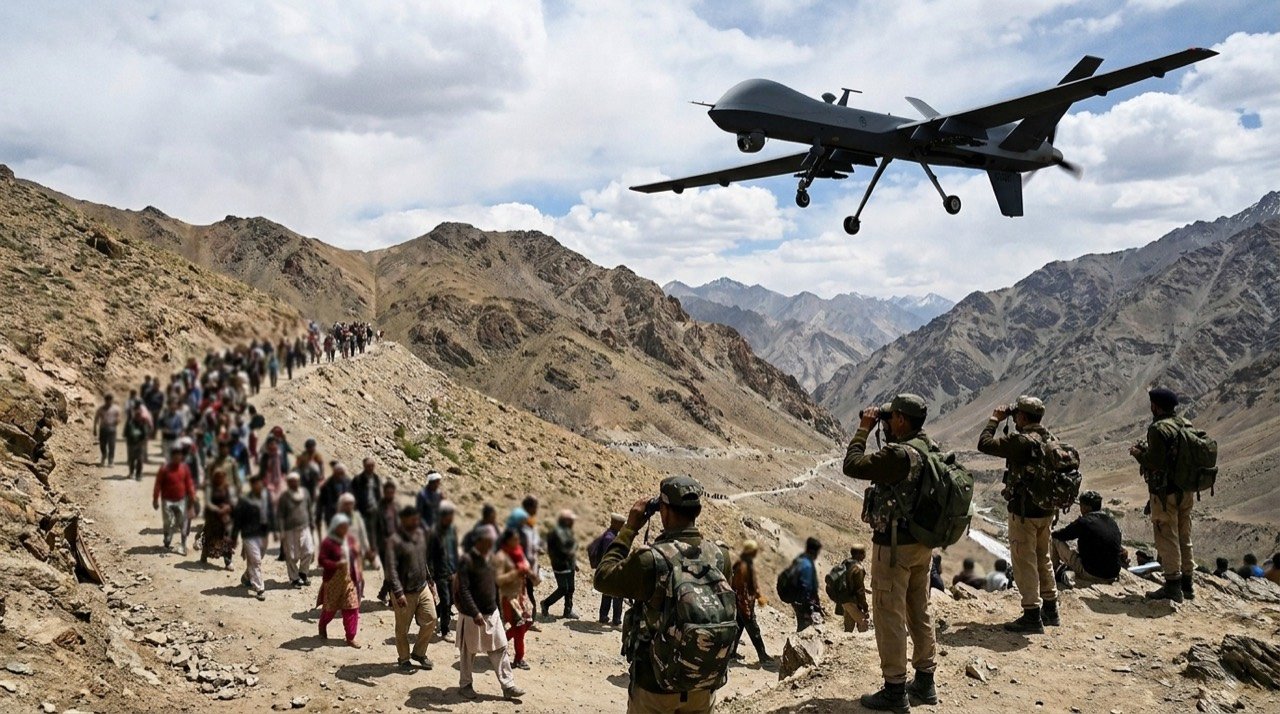
Anantnag police have unveiled Project Hawk Eye, a layered surveillance net of drones, facial recognition, hundreds of CCTV cameras and sniper teams to secure the 2026 Amarnath Yatra beginning 3 July.
Kheer Bhawani Mela Draws Kashmiri Pandit Pilgrims to Tulmulla
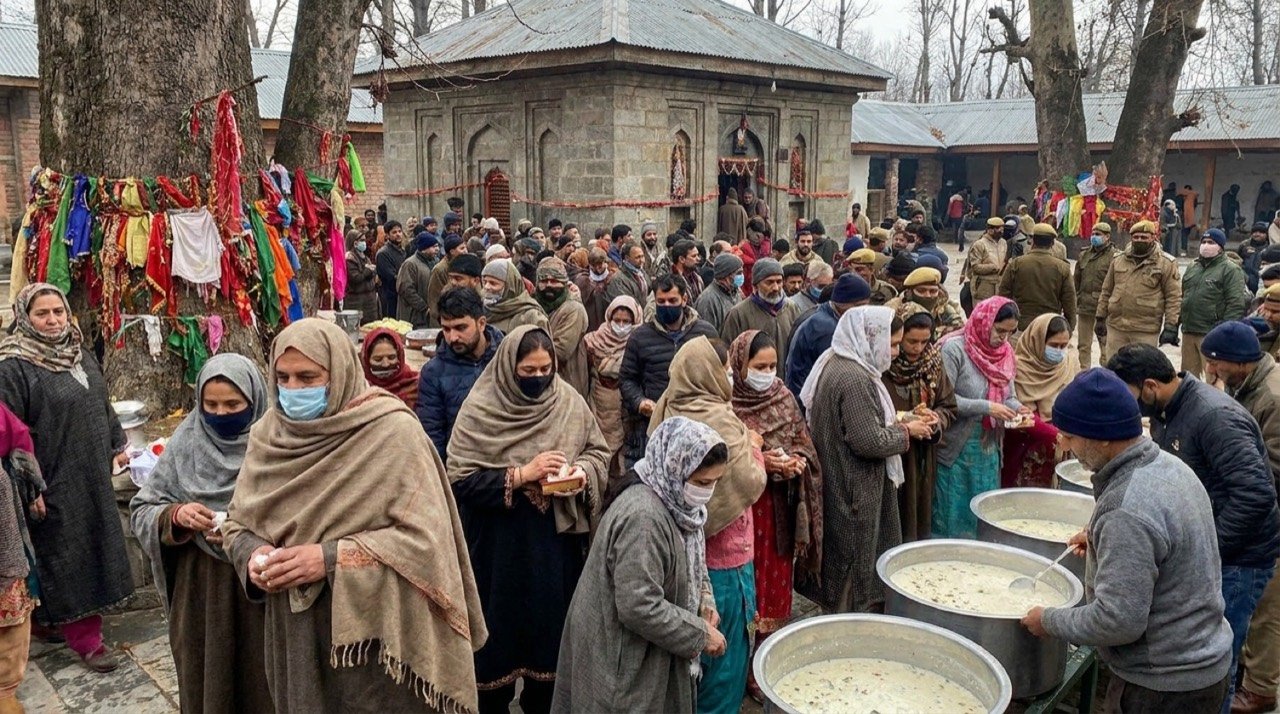
Thousands of Kashmiri Pandits gathered at the Kheer Bhawani temple in Ganderbal for the annual Zyeshtha Ashtami mela, a pilgrimage of faith, memory and a wider message of coexistence in the Valley.
Amarnath Yatra Security Drill Sharpens Jammu Base Camp Readiness
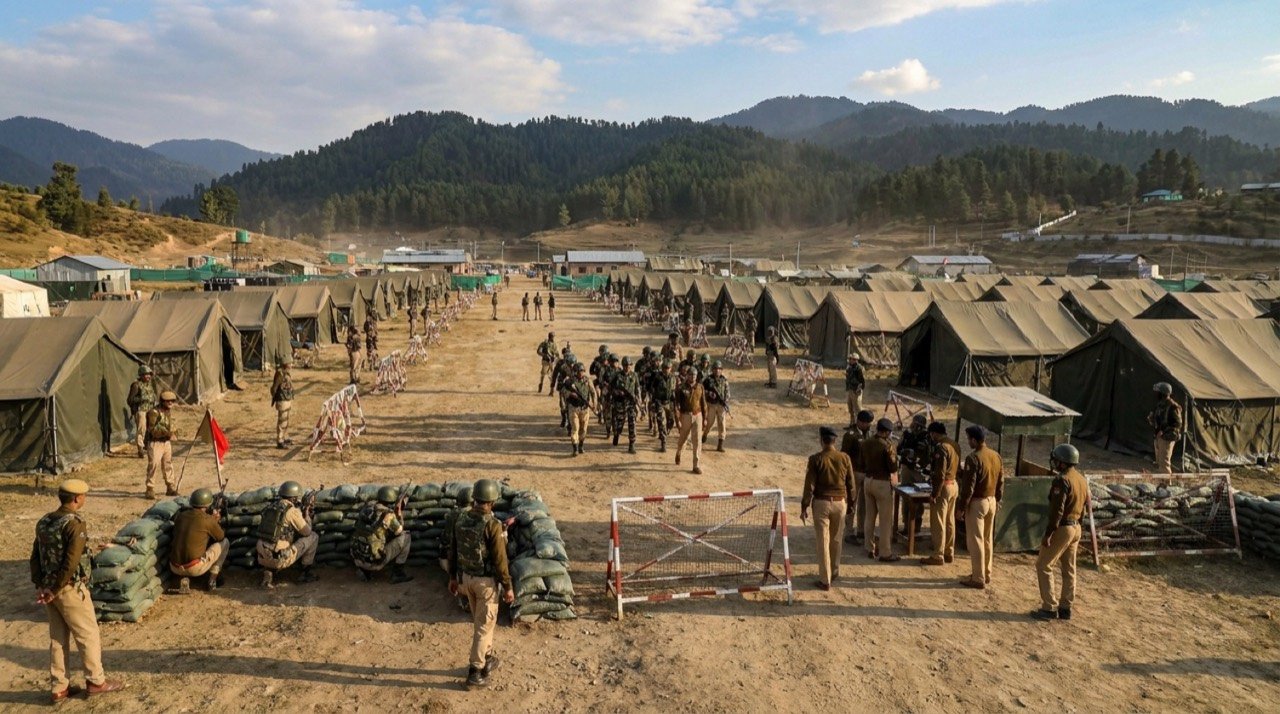
Security agencies ran a mock drill at Jammu's Bhagwati Nagar base camp ahead of the Amarnath Yatra, bringing NSG, SOG and local police together to test response times and perimeter defence.
Amarnath Yatra 2026 Set for July Start as Registrations and Security Tighten
The 57-day pilgrimage to the Himalayan cave shrine will begin in early July, with the ceremonial first puja in late June and advance registration already running into the lakhs.
More from this section
More
AICTE Industry Fellowship 2026: Rs 1.5 Lakh Scheme Closes July 5
The AICTE Industry Fellowship Programme 2026, which places technical-education faculty inside leading companies on a Rs 1.5 lakh monthly stipend, reached its application deadline on July 5.
Bay of Bengal Low Pressure System Revives Monsoon Over Western India
A low-pressure system over the Bay of Bengal has pushed the monsoon back into an active phase, bringing steady heavy rain to Kerala, coastal Karnataka and Maharashtra, and putting Mumbai and Pune on preparedness watch.
Bishnoi Gang Suspects Injured in Haryana Encounter as Police Tighten Net
A joint Haryana-Delhi Police operation in Bahadurgarh left two suspected Lawrence Bishnoi gang members injured, spotlighting the multi-state coordination now central to India's fight against organised crime networks.