As the NEET-Leak Movement Moves South, It Meets a Region That Never Made Peace With the Exam
The CJP student movement over the NEET-UG 2026 paper leak is reaching Chennai, Bengaluru and Hyderabad, colliding with south India's older grievance against NEET.
Commentary & Analysis ·
Key facts
- The CJP student movement and Sonam Wangchuk's fast over the NEET-UG 2026 paper-leak crisis began in Delhi and spread to Mumbai and Nagpur; the fast ended on 24 July 2026.
- Tamil Nadu has opposed NEET since it became compulsory in 2017 and has repeatedly passed exemption legislation, including the 2021 Bill based on Class 12 marks.
- The Justice A.K. Rajan committee reported that NEET disadvantaged Tamil Nadu state-board, rural and Tamil-medium students relative to CBSE and coaching-trained candidates.
- The 2017 death of state-board topper S. Anitha, who had impleaded herself against NEET in the Supreme Court, remains a defining symbol of the anti-NEET cause in the south.
A movement travels into familiar ground
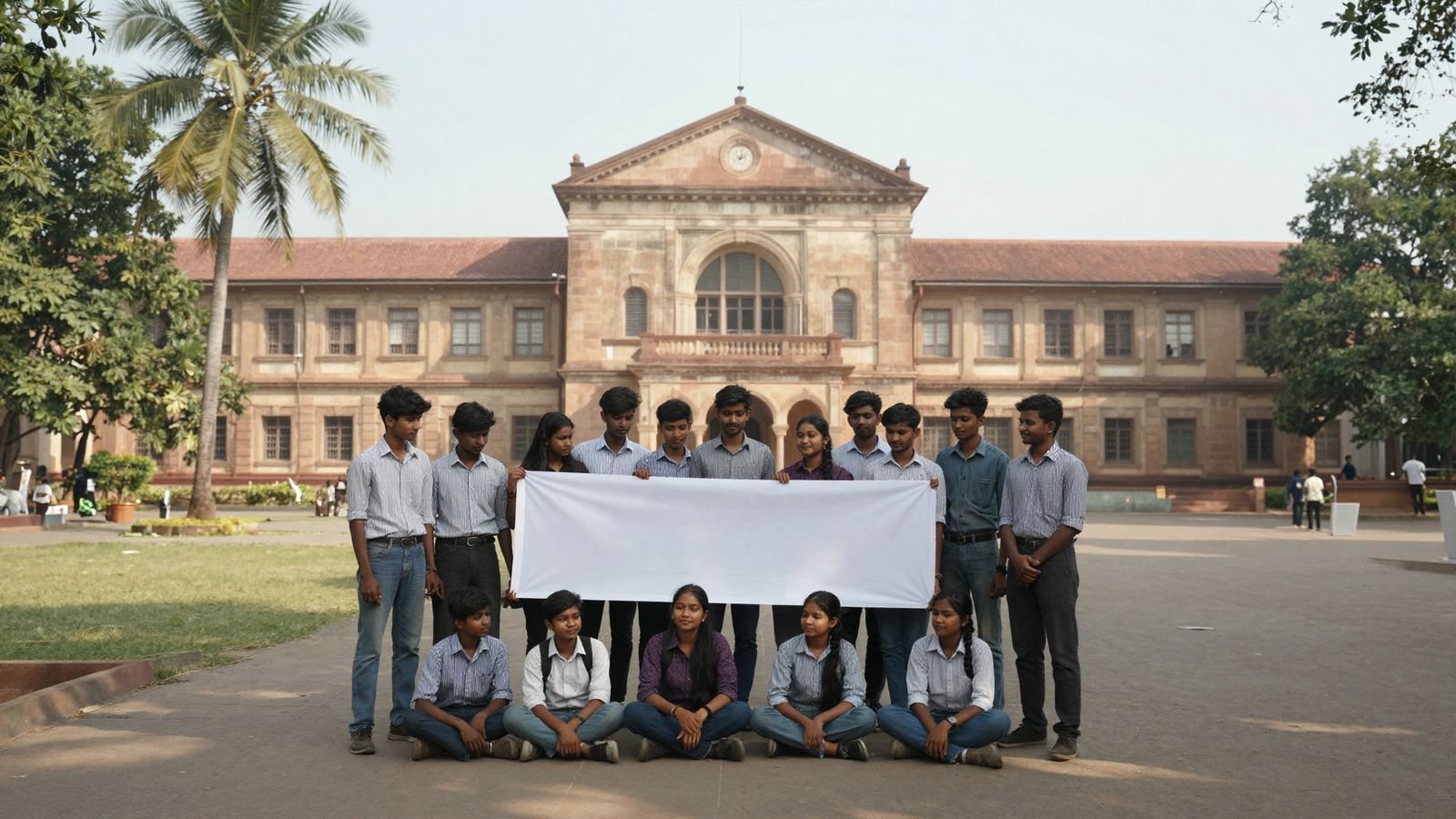
When a protest over the alleged NEET-UG 2026 paper leak began among students in Delhi and spread to Mumbai and Nagpur, it was framed largely as a national outcry over examination integrity: a demand for accountability after yet another high-stakes test was compromised. The fast led by climate activist Sonam Wangchuk, which ended on 24 July, gave that outrage a face and a rallying point. As the movement now looks southward, however, it is entering a region where NEET is not a new grievance but an old wound.
Campuses in Chennai, Bengaluru and Hyderabad are likely to receive the movement differently from those in the north and west. In much of India, the anger of the past fortnight has been about a broken exam. In Tamil Nadu especially, the argument has long been more fundamental: that the exam itself should not exist in its present form. A paper leak, for many in the south, is confirmation of a case they have been making for close to a decade.
Why NEET is a charged word in Tamil Nadu
Tamil Nadu has objected to a single national medical entrance test since the idea first surfaced, and its opposition hardened after NEET became compulsory in 2017. Successive state governments have argued that the test intrudes on the state's autonomy over education, a subject that touches sensitive questions of federalism, and that it dismantles a locally designed admissions system built around Class 12 board performance.
The state's core complaint is about who wins and who loses under NEET. A committee headed by retired High Court judge Justice A.K. Rajan, appointed by the DMK government, concluded that making NEET the sole criterion for medical admissions had eroded the share of seats historically won by Tamil Nadu state-board students and worked to the advantage of CBSE candidates. That finding turned a political slogan into a documented argument, and it continues to shape how the exam is discussed across the region.
The social-justice frame
For the DMK and much of Tamil Nadu's political spectrum, NEET is above all a social-justice question. The recurring argument is that the test favours affluent, urban and English-medium students who can afford years of specialised coaching, while disadvantaging rural, first-generation and government-school learners who have no such access. It is a framing that resonates far beyond party lines, and one the movement's organisers are likely to encounter the moment they arrive on southern campuses.
That argument has legislative form. The state has repeatedly sought exemption from NEET, including a 2021 Bill that proposed admitting students on the basis of Class 12 marks, as was the practice before 2017, and that carried a provision for horizontal reservation for government-school students. The Bill's long, unresolved passage through the offices of the Governor and the President has itself become part of the region's political memory, a running symbol of centre-state friction over the exam.
Language, and the shape of the protest
Language will shape how the movement is received in the south in ways it did not in Delhi or Nagpur. A long-standing grievance is that state-board and Tamil-medium students are placed at a disadvantage by a test whose ecosystem of preparation material, coaching and reference works is overwhelmingly built in English and Hindi. Even where a Tamil-language question paper is offered, uptake has reportedly declined as candidates gravitate toward English, which critics read as evidence of how the system quietly pushes students away from their mother tongue.
This is why a solidarity protest in Chennai is likely to sound different from one in Mumbai. The language question feeds directly into Tamil Nadu's wider political traditions, in which resistance to what is seen as central imposition, and pride in the Tamil language, are deeply woven. A campaign that began as a demand for a clean re-examination may, in the south, acquire the older vocabulary of autonomy, equity and identity.
A memory the south carries
No account of the anti-NEET sentiment in Tamil Nadu is complete without S. Anitha. In 2017, the 17-year-old from Ariyalur district scored 1,176 out of 1,200 in her state-board examinations but fell far short in NEET, and she had impleaded herself in the Supreme Court against the test as being against the interests of rural students. Her death by suicide, days after the court upheld NEET, triggered protests across the state and turned her into an enduring symbol. An auditorium was later named after her.
That history means the current crisis will not be read in the south as an isolated administrative failure. For many students and teachers in the region, a leaked paper is one more entry in a longer ledger of grievances about a test they believe was never fair to begin with. Solidarity, where it emerges on southern campuses, is likely to be expressed in those older terms rather than the narrower language of examination reform alone.
Bengaluru, Hyderabad and the limits of the parallel
The picture is not uniform across the south. Tamil Nadu's opposition to NEET is unusually organised and has the backing of the state government; Karnataka and Telangana have not made the exam a comparable political battleground. Solidarity that appears in Bengaluru or Hyderabad is therefore likelier to rest on general concerns about examination integrity and student stress, shared with the rest of the country, than on the specific federal and language arguments that dominate in Chennai.
Even so, the south's large student population, its dense network of colleges and its active campus politics give the movement fertile ground. Whether it consolidates into sustained action or remains a series of gestures of solidarity will depend on how far organisers can connect the immediate anger over the 2026 leak to the deeper questions the region has been asking for years, and on how the authorities respond in the days after Mr Wangchuk's fast.
The NE Times View
The NEET-leak movement arrives in the south as a spark meeting long-dry tinder. In Tamil Nadu especially, a compromised paper does not create a grievance so much as vindicate one. The lesson for policymakers is that examination integrity and examination design cannot be separated: a test that many already regard as unequal will not survive repeated administrative failures with its legitimacy intact. If the south's response is louder than most, it is because the region has been warning, for nearly a decade, about exactly this.
Sources
- https://www.epw.in/journal/2023/13/commentary/tamil-nadus-anti-neet-bill.html
- https://www.drishtiias.com/daily-updates/daily-news-editorials/anti-neet-movement-in-tamil-nadu
- https://en.wikipedia.org/wiki/Suicide_of_S._Anitha
- https://www.deccanherald.com/india/tamil-nadu-passes-bill-to-exempt-students-from-neet-1029813.html
This article is original news analysis and commentary by The NE Times, based on reporting from the sources listed above.
You may also like to read
The Human Cost of the NEET Leak: When a Fair Exam Is the Only Ladder Out
Behind the NEET-UG 2026 paper leak and protests lie first-generation aspirants and low-income families for whom a fair exam is a once-in-a-lifetime mobility ladder.

The Legal Aftermath of the NEET Protests: Why the Real Battle Now Moves to the Courtroom
With FIRs registered after the Chalo Sansad march, detentions and an internet blackout, the NEET-UG protest fallout is set to move into India's High Courts and the Supreme Court.
After NEET, A Blueprint: What A National Exam Integrity Authority Must Actually Do
As NEET-UG 2026 protests force reform, here is a concrete blueprint for a National Exam Integrity Authority to secure question papers, audit, and investigate leaks.
Beyond NEET: Government Recruitment Leaks and the National Exam-Integrity Crisis
The movement resonated nationally because medical entrance testing is only one part of a wider system on which young people depend for education and
More from this section
More
NEET-UG 2026 Paper-Leak Investigation: Arrests, the Alleged Network and What Is Proven
The criminal investigation is the evidentiary core of the controversy, and it must be reported separately from political claims made at the protest

What a Real Examination Reform Package Should Include After the NEET Crisis and Hunger Strike
The hunger strike has created pressure for reform. A credible response needs secure paper handling, independent audits, transparent investigations and support for affected students
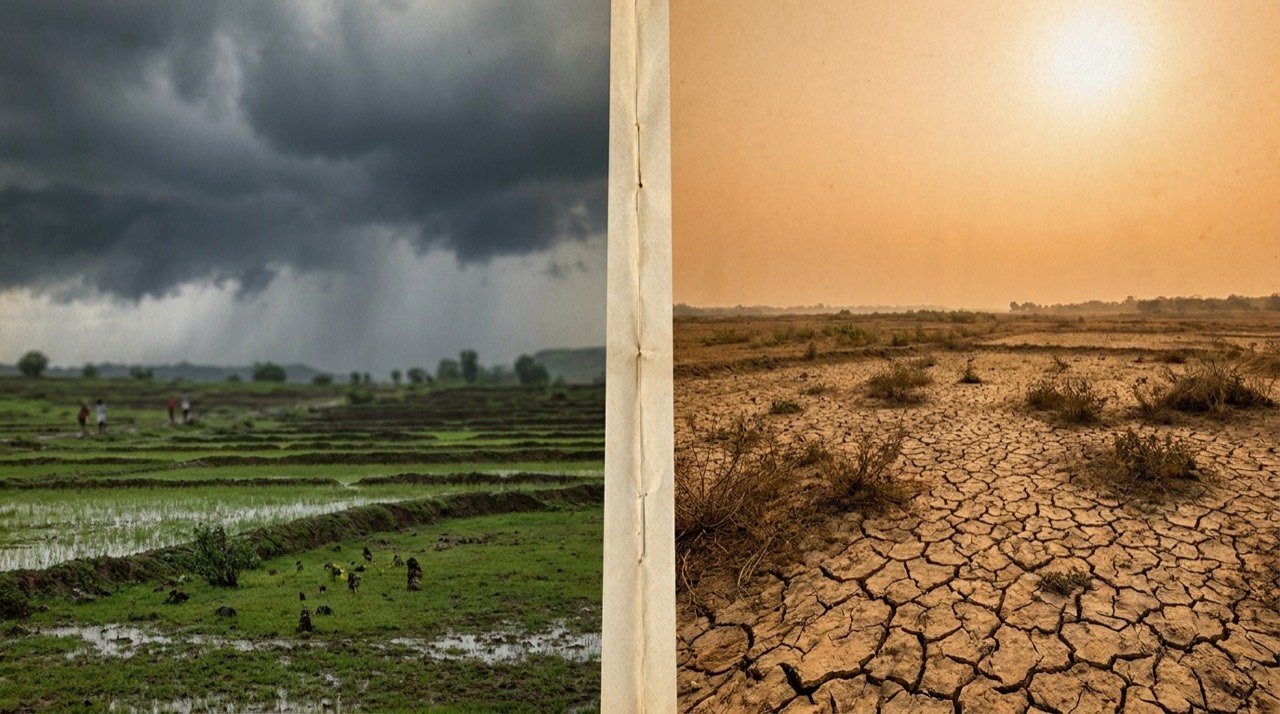
Monsoon Surges Into Central India as Heatwave Grips the East: A Split Weather Map
The India Meteorological Department reported the monsoon advancing into Gujarat and central India on 24 June even as severe heat scorched the east, leaving the country under a sharply divided weather pattern.