What Reality TV Costs Us: A Closing Argument
We have spent thirty articles cataloguing an industry at its peak. Five simultaneous Bigg Boss editions. A stunt show whose winner leaked before it aired. A comedy-cooking format out-rating fiction.
Commentary & Analysis ·
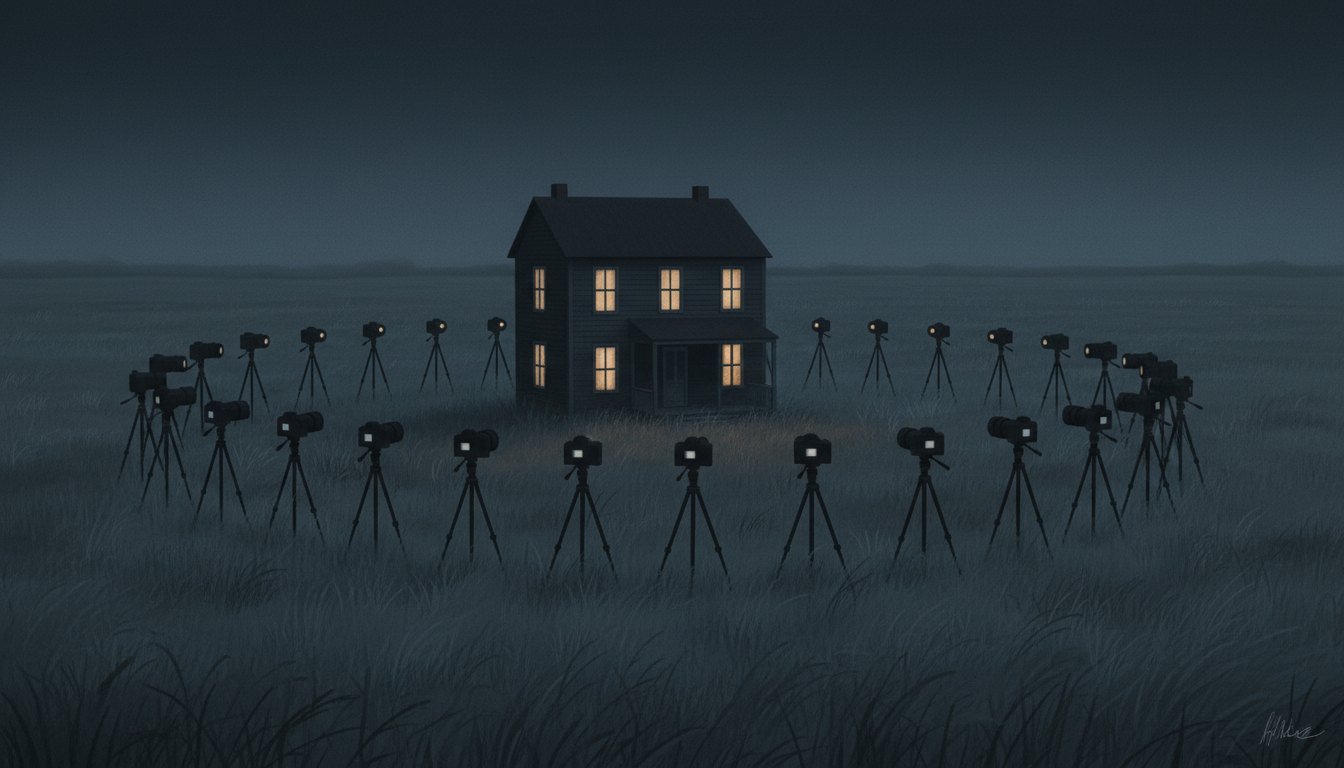
We have spent thirty articles cataloguing an industry at its peak. Five simultaneous Bigg Boss editions. A stunt show whose winner leaked before it aired. A comedy-cooking format out-rating fiction. A talent show pulling 45 million views in four days. A jail, a battlefield, a hierarchy, a house full of traitors. Reality television in 2026 is not merely popular; it is the water Indian entertainment swims in.
It is worth asking, at the end of all that, what it costs.
The case for the defence
Let’s be fair to the genre first, because the easy critique of reality TV is lazy and usually snobbish.
These shows have done real things. Shark Tank India made financial literacy entertaining and told small-city founders their ambitions were legitimate. Indian Idol and Sa Re Ga Ma Pa have pulled genuine talent out of towns that no talent scout would ever have visited, and Superstar Singer’s mentorship model shows the format can protect the vulnerable people inside it. Laughter Chefs proved, remarkably, that the biggest non-fiction hit in the country could be built on warmth rather than cruelty. MasterChef India generates tension from craft, not malice.
And the audience is not a victim here. People watch these shows because they are pleasurable, and there is nothing shameful in that.
The case for the prosecution
But the genre’s dominant mode is not warmth. It is conflict, and increasingly, it is engineered humiliation.
Consider what the year’s biggest formats actually ask of people. Confine strangers, remove their privacy, deprive them of sleep and clocks, and reward whoever handles the resulting breakdown most watchably. Build a season around a hierarchy explicitly designed to make some people fall. Put celebrities in a jail and require them to surrender their secrets to survive. Sit contestants at a table and reward the ones who lie best to people they eat breakfast with.
These formats work precisely because they produce genuine distress. That is not an unfortunate side effect; it is the product. And the industry has never seriously answered for it. The psychological toll of these environments has been documented around Big Brother formats worldwide for two decades, and the Indian industry’s aftercare obligations remain, at best, unspoken.
The participants aren’t fools
The standard defence is consent: everyone signed up, everyone knew what they were entering, and many are handsomely compensated in fame.
That is true, and it isn’t enough. The bargain on offer — surrender your privacy and dignity for months in exchange for relevance — is only freely made if there are other routes to relevance. For a television actor whose serial has ended, a comedian whose reach has plateaued, or a creator watching their engagement decay, the reality house is not one option among many. It is the option. Consent extracted from people with dwindling alternatives is a thinner thing than it looks.
What the spoiler economy revealed
There was a small, telling moment this year. Khatron Ke Khiladi 15’s winner leaked before the show even aired, and the honest conclusion of anyone who thought about it was: it probably won’t matter much. Audiences weren’t watching for the result.
Sit with that. If the outcome of a competition is incidental, what exactly is being consumed? The answer is people — their fear, their fracture, their behaviour under pressure. We have built an enormous industry on the observation of human beings in distress, and we have become so comfortable with it that spoiling the ending barely dents the appeal.
What I’m not arguing
I am not arguing for less reality television. That ship sailed, and the economics — cheap to make, prolific in output, natively viral — guarantee it isn’t coming back. Nor am I arguing that audiences should feel guilty. Enjoying these shows is not a moral failing.
I am arguing for a more honest relationship with what we’re watching.
The ask
It is not much. Notice which formats build their entertainment on cruelty and which build it on skill, warmth or wit — and notice that the warm ones are winning too, which suggests the cruelty was never actually necessary. Ask what happens to contestants after the cameras leave. Treat the leaked spoilers and manufactured feuds as the manipulations they are. And keep some scepticism for an industry that has learned to turn human volatility into inventory.
Reality television will define Indian entertainment for years. That is settled. What remains open is whether we watch it with our eyes open — aware that the people inside the house are not characters, that the distress is not staged, and that the off-season we lost was, among other things, a pause in which someone might have asked whether all of this was a good idea.
The house is always on now. The least we can do is notice who’s inside.
You may also like to read
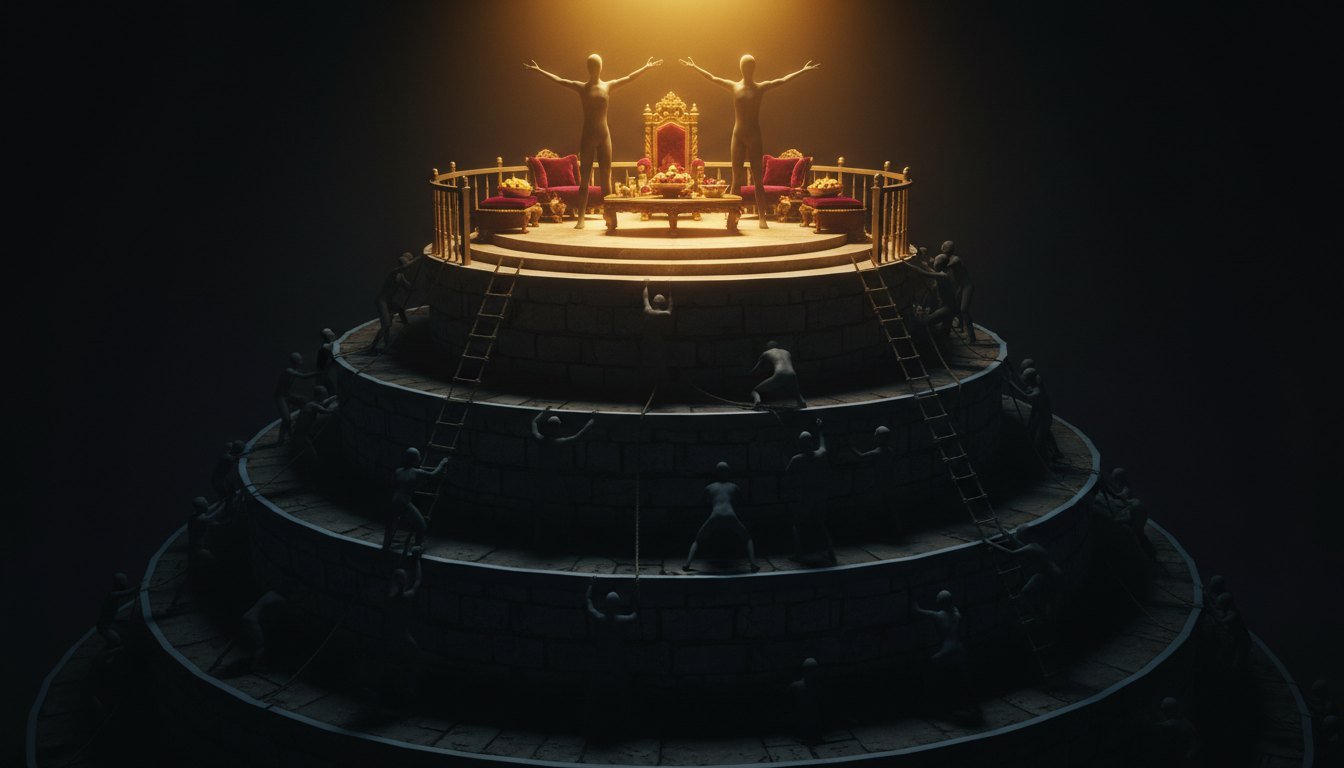
‘Rise and Fall’: Ashneer Grover’s Hierarchy Game Is Reality TV as Class Warfare
Most reality shows pretend everyone starts equal.
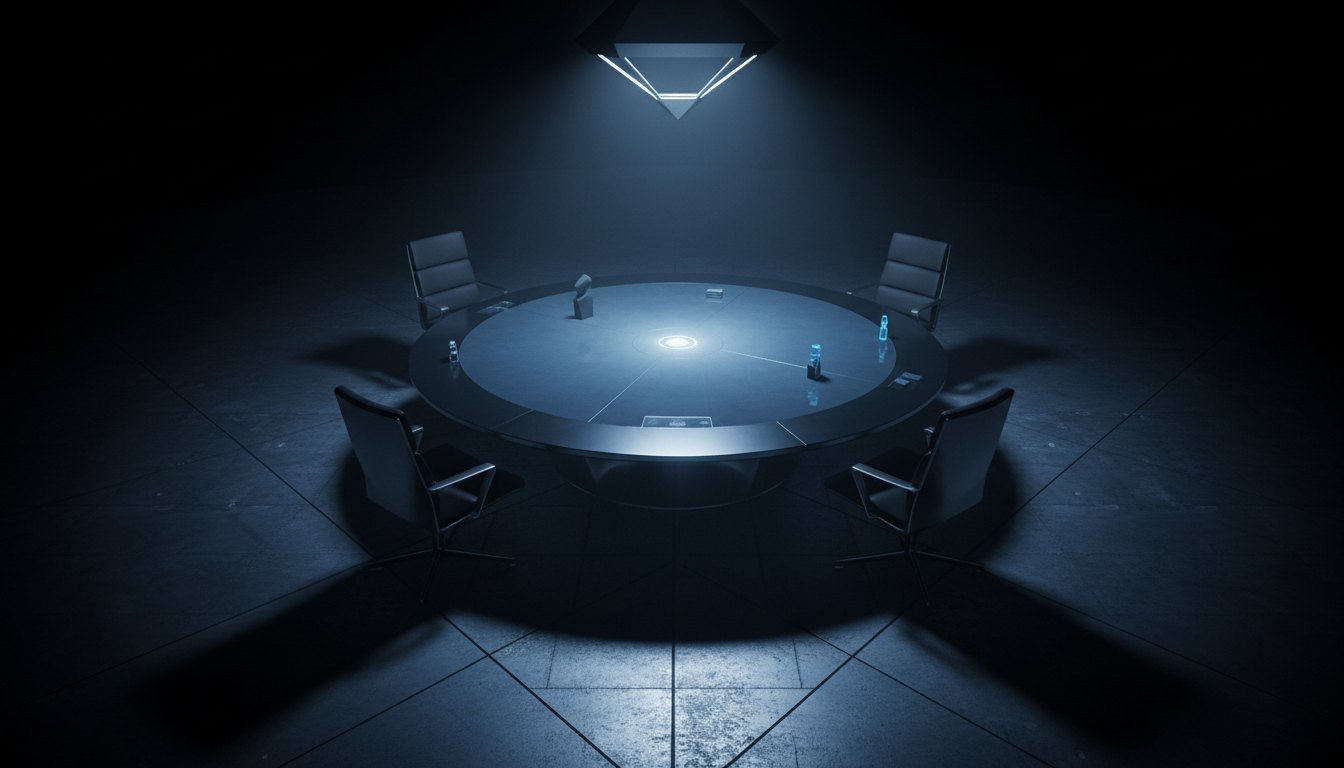
Inside ‘Alliance’: How Prime Video’s New Mind-Games Reality Show Actually Works
Indian reality television has stunts, it has cooking, it has houses full of shouting.
Superstar Singer and the Delicate Business of Putting Children on Reality TV
There is no reality format that requires more care than one built around children — and few that generate more genuine emotion when they get it right.

There Is No Off-Season: Why Reality TV Took Over Indian Entertainment in 2026
Something has shifted in Indian entertainment, and the numbers make it hard to argue with. Reality television is no longer a genre that occupies a slot in the schedule — it is the schedule.