There Is No Off-Season: Why Reality TV Took Over Indian Entertainment in 2026
Something has shifted in Indian entertainment, and the numbers make it hard to argue with. Reality television is no longer a genre that occupies a slot in the schedule — it is the schedule.
Commentary & Analysis ·
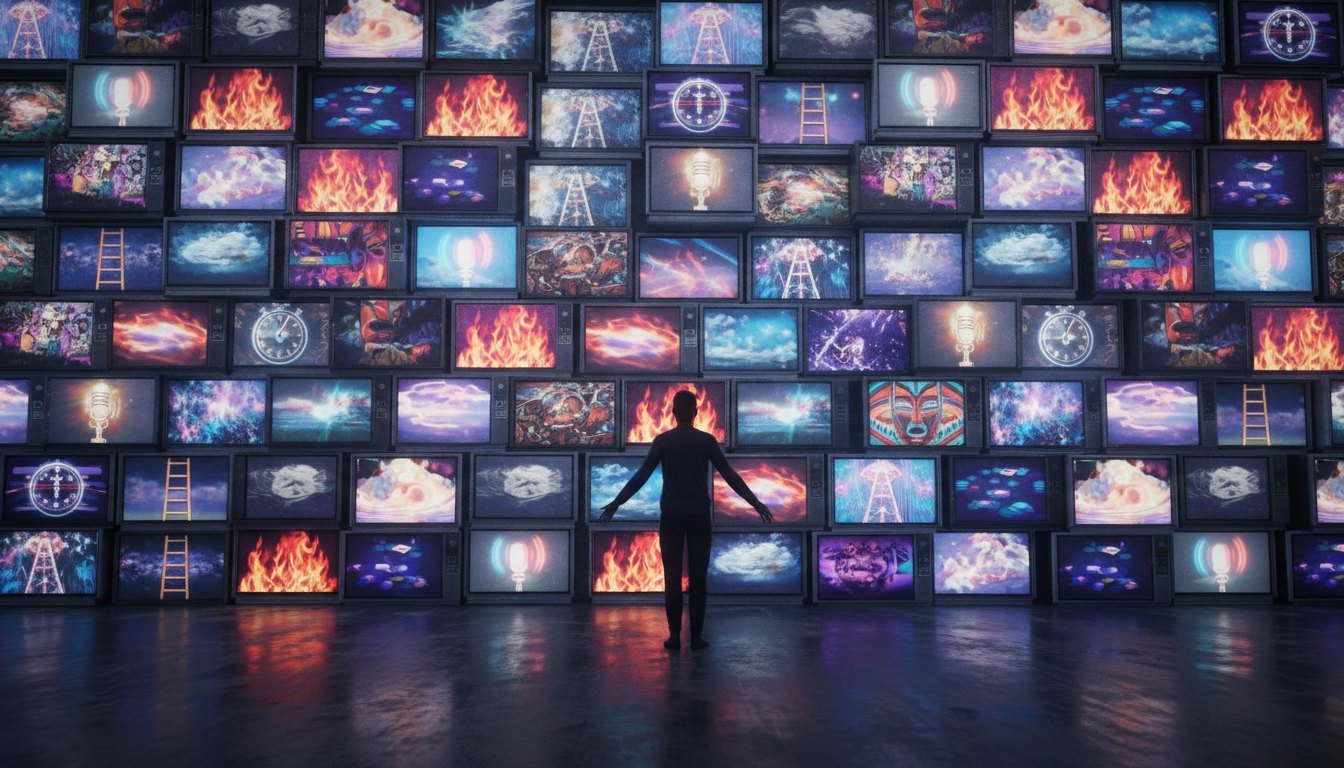
Something has shifted in Indian entertainment, and the numbers make it hard to argue with. Reality television is no longer a genre that occupies a slot in the schedule — it is the schedule. In 2026, the format has achieved a kind of totality, and understanding how it got there explains a great deal about where the industry is heading.
The defining feature: continuity
The single most striking characteristic of the current landscape is the absence of gaps. As soon as one show ends, promos for the next take over, keeping fans engaged year-round. There is no fallow period, no summer lull, no moment when the reality machine goes quiet. Bigg Boss alone runs across five languages, ensuring some edition is nearly always on air. Stunt shows, cooking competitions, singing hunts, strategy games and comedy formats fill whatever space remains.
The consequence is a genre that has become ambient — always on, always generating conversation, always available as content.
The diversification
What makes 2026 different from earlier reality booms is variety. The genre has fragmented into distinct flavours, each targeting a different appetite:
- Chaos and confinement: the Bigg Boss family and jail-themed formats, built on surveillance and conflict.
- Fear and physical scale: stunt spectaculars staged in dramatic international locations.
- Strategy and deception: mind-games shows and traitor-hunting formats that reward cunning over courage.
- Craft and aspiration: cooking and singing competitions where the tension comes from skill under pressure.
- Comedy and comfort: ensemble formats that trade conflict for warmth and have, remarkably, climbed to the top of the non-fiction ratings.
- Status and hierarchy: newer formats that make the competition for social position explicit.
That spread means reality TV is no longer one audience. It’s several, and the genre now has something engineered for each of them.
Why celebrities keep signing up
The talent supply is the genre’s quiet engine, and the incentives are stark. For a celebrity, a single reality season can grow a social following dramatically, reset a public image, unlock brand deals while the show is still airing, or revive a career that had stalled. In an attention economy where visibility is the scarcest resource, months of guaranteed national exposure is an extraordinarily efficient trade — even at the cost of privacy, dignity and, frequently, comfort.
That calculus explains the extraordinary breadth of the current contestant pool: television actors, YouTubers, stand-up comedians, athletes, influencers and film-adjacent names, all in the same houses and kitchens and obstacle courses. The genre has become a common marketplace where fame from any source can be converted into fame of a broader kind.
The streaming factor
Reality’s takeover has been accelerated by OTT. Streamers have moved aggressively into original non-fiction, commissioning strategy formats, comedy hybrids and reboots of established properties. Streaming changes reality TV’s economics and its rhythms: shows can run daily, drop in binge-able chunks, live indefinitely in a catalogue and, crucially, be clipped and circulated at will.
That last point matters most. Reality content is uniquely suited to the clip economy — self-contained moments of conflict, triumph or absurdity that travel perfectly on social feeds. A genre built on volatile human moments is, in effect, optimised for the way people now consume media.
The economics underneath
None of this happened by accident, and the business logic is worth stating plainly. Reality programming is comparatively cheap to produce against scripted drama — no expensive writing rooms, no star fees on a film scale, no elaborate sets that must be rebuilt each season. A single house, a fixed rig of cameras and a cast willing to trade privacy for exposure can generate months of daily content.
At the same time, the returns can be exceptional. A hit non-fiction show delivers the two things advertisers prize most: mass reach and sustained, appointment-style engagement over a long run. When a comedy-cooking format can climb to the top of the ratings charts, or a regional Bigg Boss edition can out-rate the national flagship, the commercial case becomes irresistible. Broadcasters and streamers are not choosing reality out of laziness; they are choosing it because the maths is overwhelming.
The costs
It would be dishonest to describe this dominance as an unqualified good. Formats built on confinement, humiliation and manufactured conflict carry real human costs for the people inside them, and the genre has long faced criticism over the psychological toll it exacts and the behaviour it rewards. As the volume of reality programming grows, so does the number of people subjected to those pressures — and the industry’s answer to that critique remains largely unspoken.
There’s a creative cost too. When a format proves it can dominate ratings cheaply, the incentive to fund riskier, costlier scripted work weakens.
The takeaway
Reality television in 2026 is not having a moment; it has become the weather. It runs continuously, spans every appetite from comfort to cruelty, draws talent from every corner of the fame economy, and thrives natively in the clip-driven internet that shapes how India watches. Whether that constitutes a golden age or a warning sign depends on where you sit — but either way, the off-season is gone, and it isn’t coming back.
You may also like to read
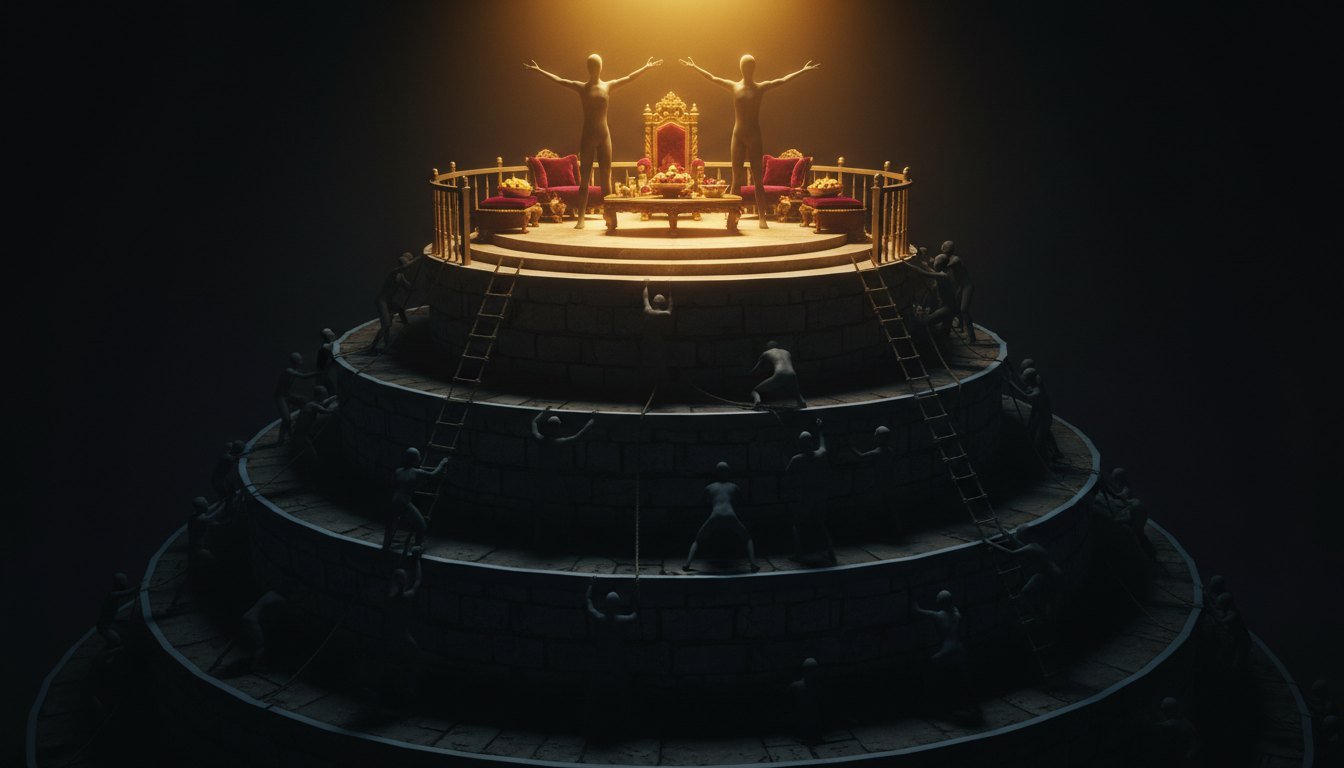
‘Rise and Fall’: Ashneer Grover’s Hierarchy Game Is Reality TV as Class Warfare
Most reality shows pretend everyone starts equal.
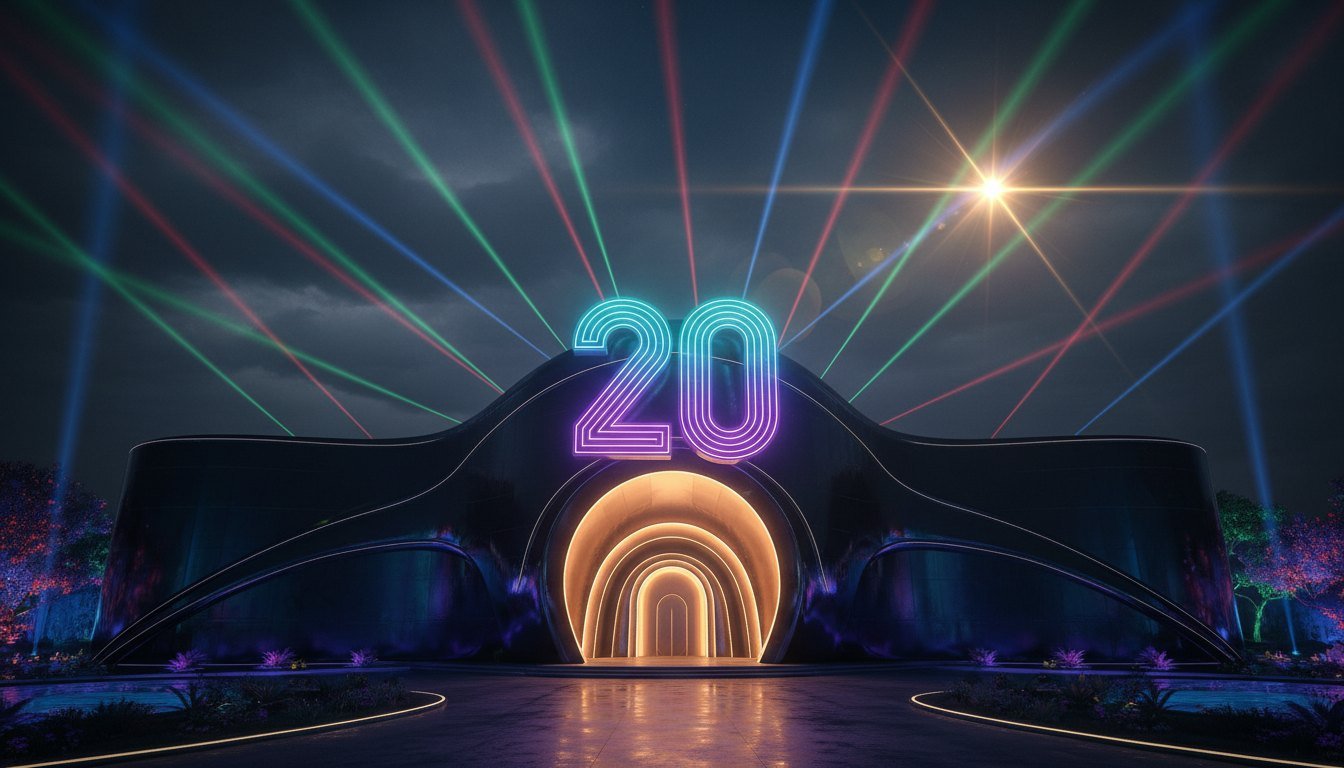
Bigg Boss 20: Salman Khan Set to Return as Milestone Season Eyes a September Launch
India’s biggest reality television franchise is gearing up for a landmark.
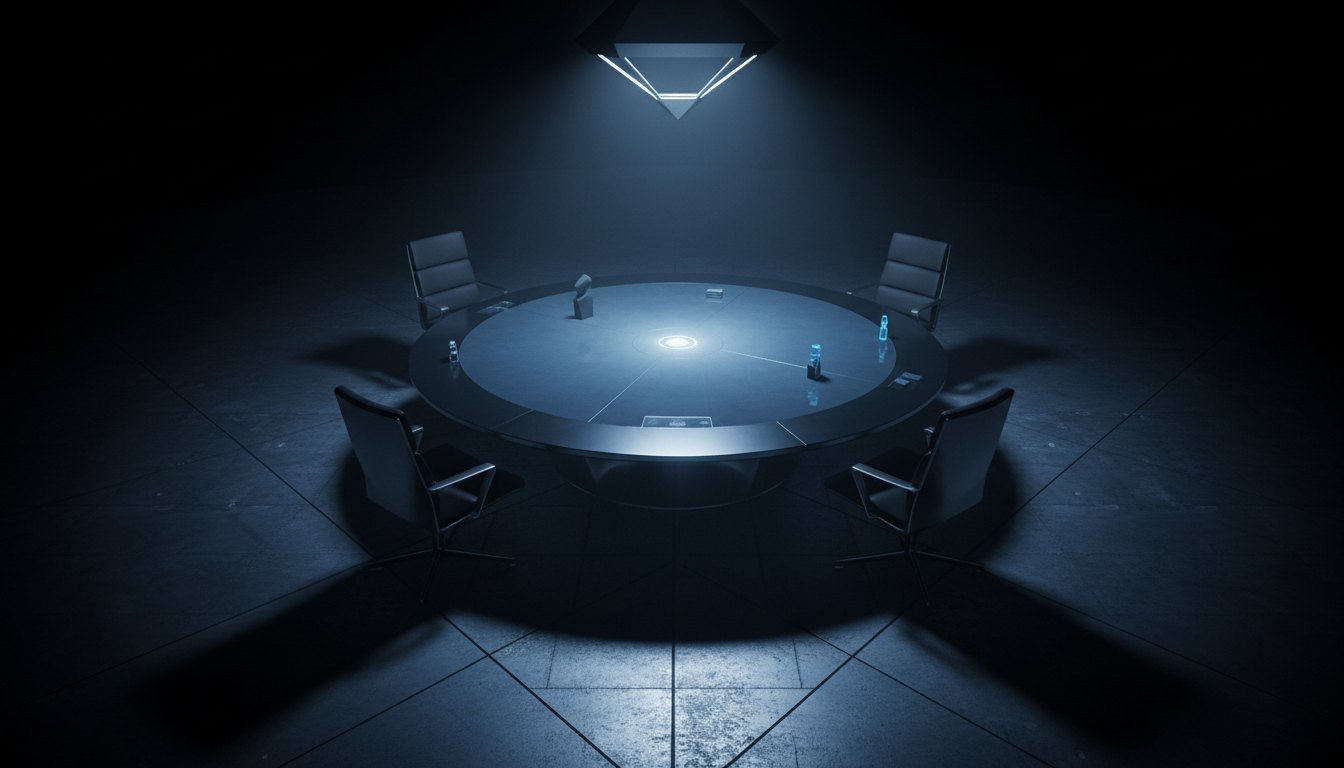
Inside ‘Alliance’: How Prime Video’s New Mind-Games Reality Show Actually Works
Indian reality television has stunts, it has cooking, it has houses full of shouting.

Superstar Singer and the Delicate Business of Putting Children on Reality TV
There is no reality format that requires more care than one built around children — and few that generate more genuine emotion when they get it right.