Inside ‘Alliance’: How Prime Video’s New Mind-Games Reality Show Actually Works
Indian reality television has stunts, it has cooking, it has houses full of shouting.
Commentary & Analysis ·
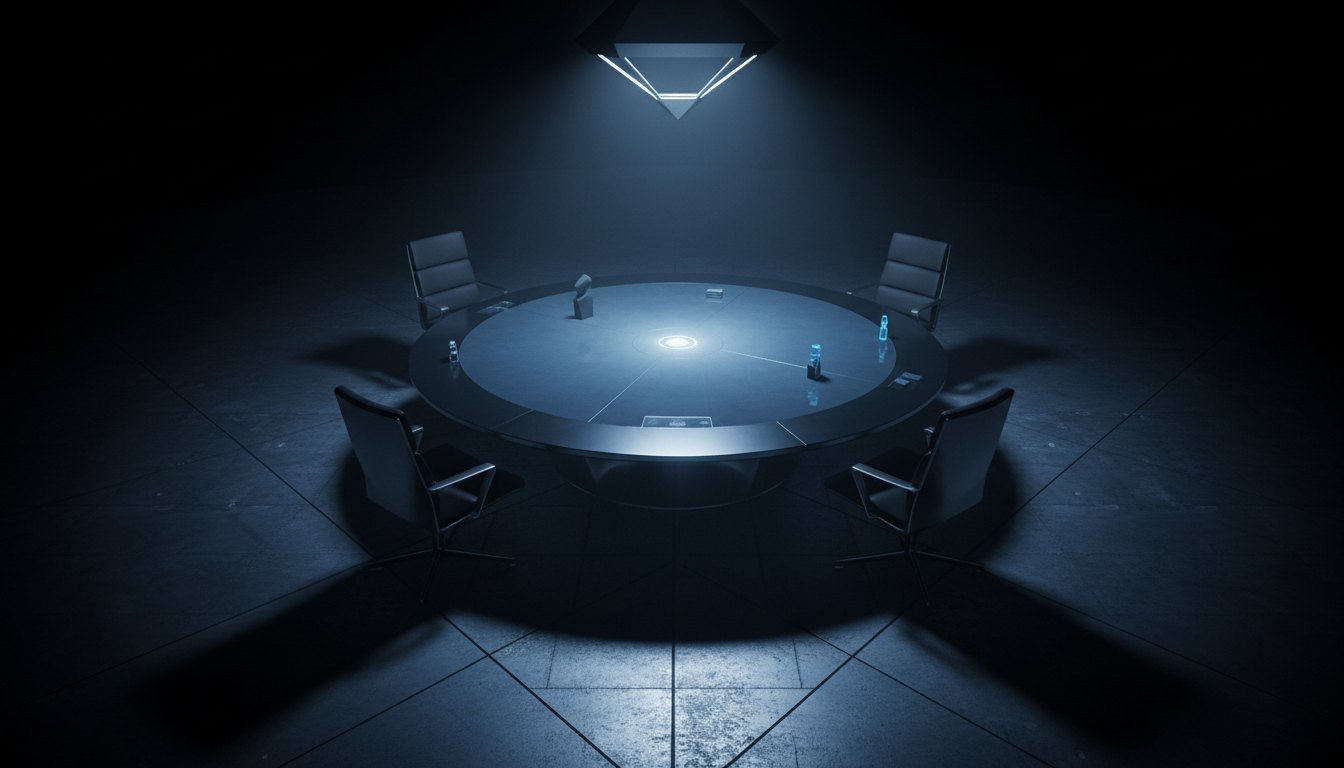
Indian reality television has stunts, it has cooking, it has houses full of shouting. What it has had less of is the pure social-strategy game — the kind where the real weapon is a whispered conversation and the real danger is the person smiling at you. Alliance, a brand-new show on Amazon Prime Video hosted by Kunal Kemmu, is built to fill exactly that gap. Here’s a closer look at how the format works and why it stands apart.
The premise
Alliance is a social-strategy reality show in which 16 contestants compete in a game built on trust, betrayal and smart negotiation. Produced by Banijay Asia and adapted from an international format for Indian audiences, it trades physical challenge for psychological gameplay. There are no ropes over the ocean here; the pressure is interpersonal, and the currency is influence.
The structure
The game begins with contestants forming teams of four, each with its own identity — a starting configuration that immediately seeds the season’s central tensions. From there, loyalties shift, deals are struck and broken, and players must constantly recalculate who is worth trusting and who is quietly manoeuvring against them. The season is built to run long enough for those dynamics to deepen and sour: it spans roughly 42 episodes across six weeks, a cadence that rewards slow-burn strategy over one-off spectacle.
That episode volume matters. A game of alliances only becomes compelling once relationships have had time to form, calcify and betray. By stretching across six weeks and dozens of episodes, the show gives its players room to build the kind of intricate webs — you scratch my back, I’ll blindside yours — that make strategy formats addictive.
How it differs from the rest
The easiest way to understand Alliance is by contrast. If Bigg Boss is about chaos and viral blow-ups, and Khatron Ke Khiladi is about fear and physical scale, Alliance is about mind games. Its drama is cerebral: the tension of a vote you’re not sure you’ll survive, the sting of a betrayal you didn’t see coming, the quiet triumph of a manipulation that lands. It asks a different question of its contestants — not “how brave are you?” but “how well do you read people, and how convincingly can you lie?”
That places it in the same emerging family as deception-and-deduction formats gaining ground globally, where the entertainment comes from watching smart people try to outwit each other in plain sight. For Indian audiences increasingly fluent in this style of gameplay, Alliance is a bet that the appetite for strategy has matured beyond the physical and the purely confrontational.
The host factor
Kunal Kemmu anchoring the show is a notable choice. A reality host in a strategy format functions partly as narrator and partly as the audience’s guide through shifting loyalties — someone who can frame the stakes, needle the players and help viewers keep track of a game where the truth is always in dispute. His presence signals a show that wants to be sleek and knowing rather than loud.
Why it matters
Alliance arrives as part of a broader diversification of Indian reality TV in 2026. As broadcasters and streamers invest in original non-fiction, the genre is fragmenting into distinct flavours — stunts, secrets, cooking, comedy and now social strategy — each targeting a slightly different viewer. Prime Video slotting a negotiation-driven game into that mix widens the field and gives strategy-minded audiences a home.
The contestant’s dilemma
For the players themselves, Alliance poses a uniquely uncomfortable challenge. In a stunt show, you either clear the obstacle or you don’t; the test is external and honest. Here, every relationship is a calculation, and the very people who help you advance are the ones best positioned to end your run. Contestants must decide, over and over, how much of themselves to reveal, when to keep a promise and when to break it, and how to read whether a rival’s warmth is genuine or tactical. Play too honestly and you become an easy target; play too ruthlessly and you lose the trust you need to survive the next vote. That constant tightrope walk between likability and cunning is the emotional engine of the format, and it tends to expose contestants’ real temperaments in ways a physical challenge never could.
What to watch
For editors, the storylines to track are the classic strategy-show beats: the first big betrayal that resets the game, the emergence of a mastermind, the alliances that look unbreakable until they aren’t, and the moment a player’s double-dealing is finally exposed. There’s also the meta-question of whether Indian audiences will embrace a slow-building game of wits with the same fervour they bring to the genre’s louder cousins.
The bottom line
Alliance is a deliberate departure — a show where the action is a conversation and the knives are metaphorical but no less sharp. With 16 players, teams of four, a six-week run and Kunal Kemmu steering the chaos of loyalty and treachery, Prime Video is wagering that India is ready for reality TV that makes you think as much as it makes you gasp. If it clicks, it could open a whole new lane in a genre that never stops expanding.
You may also like to read

Prime Video Bets on the Daily Grind: 'Alliance' Becomes Its First-Ever Worldwide Daily Reality Show
Premiering June 26 across 240 territories with Kunal Kemmu as host, the John de Mol-created strategy format drops a fresh episode every day, testing whether streaming audiences will commit to appointment viewing again.
Reality TV in 2026: A Viewer’s Guide to Every Major Show on Air
The Indian reality landscape has become genuinely difficult to navigate.
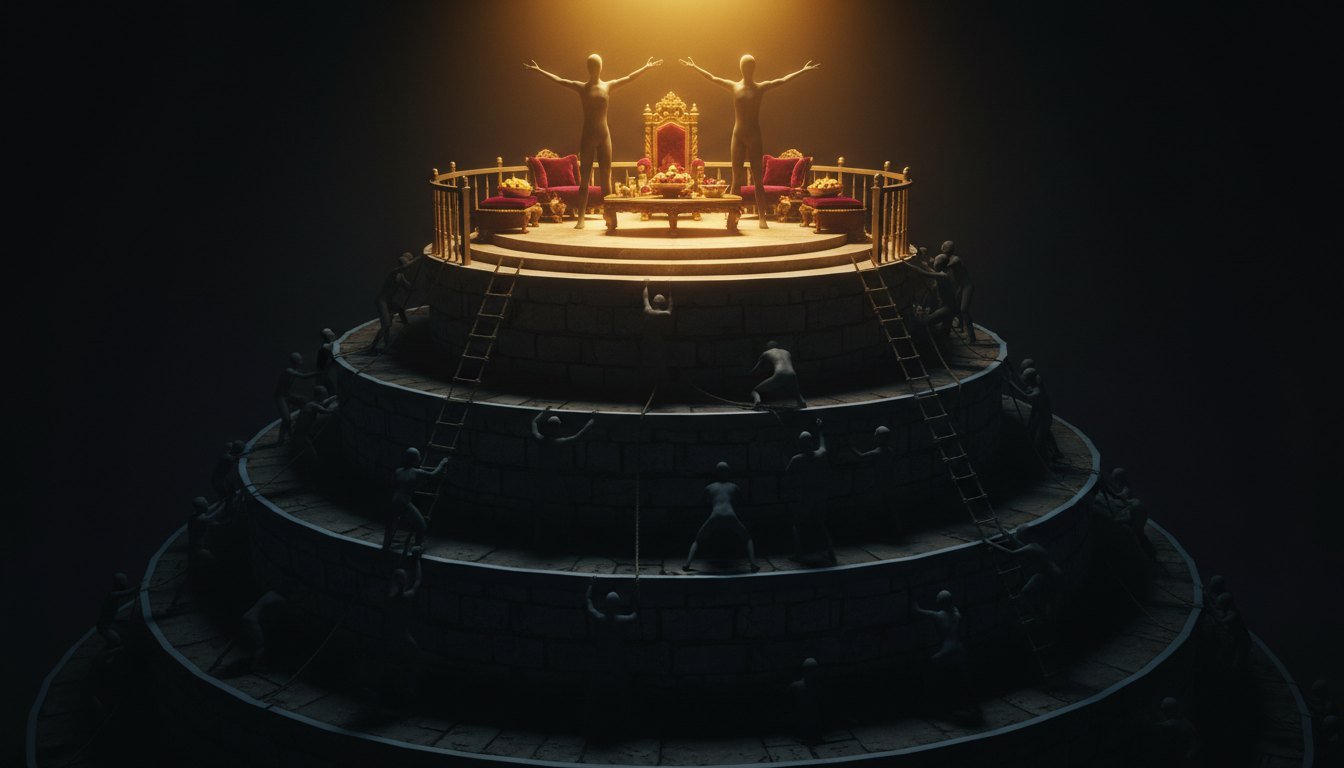
‘Rise and Fall’: Ashneer Grover’s Hierarchy Game Is Reality TV as Class Warfare
Most reality shows pretend everyone starts equal.

Pati Patni Aur Panga: The Show That Turned Celebrity Marriages Into a Sport
Reality television has mined almost every human relationship for content. Pati Patni Aur Panga goes after the most exposed one of all — the celebrity marriage — and turns it into a competition.