Uttarakhand Gurdwara Standoff: Karnaprayag-Nagrasu Probe Transferred Amid Nihang Sikh Tension
A reported transfer of the investigation into the Nagrasu-Karnaprayag gurdwara standoff has refocused attention on how Uttarakhand police manage sensitive religious disputes in the hills.
Commentary & Analysis ·
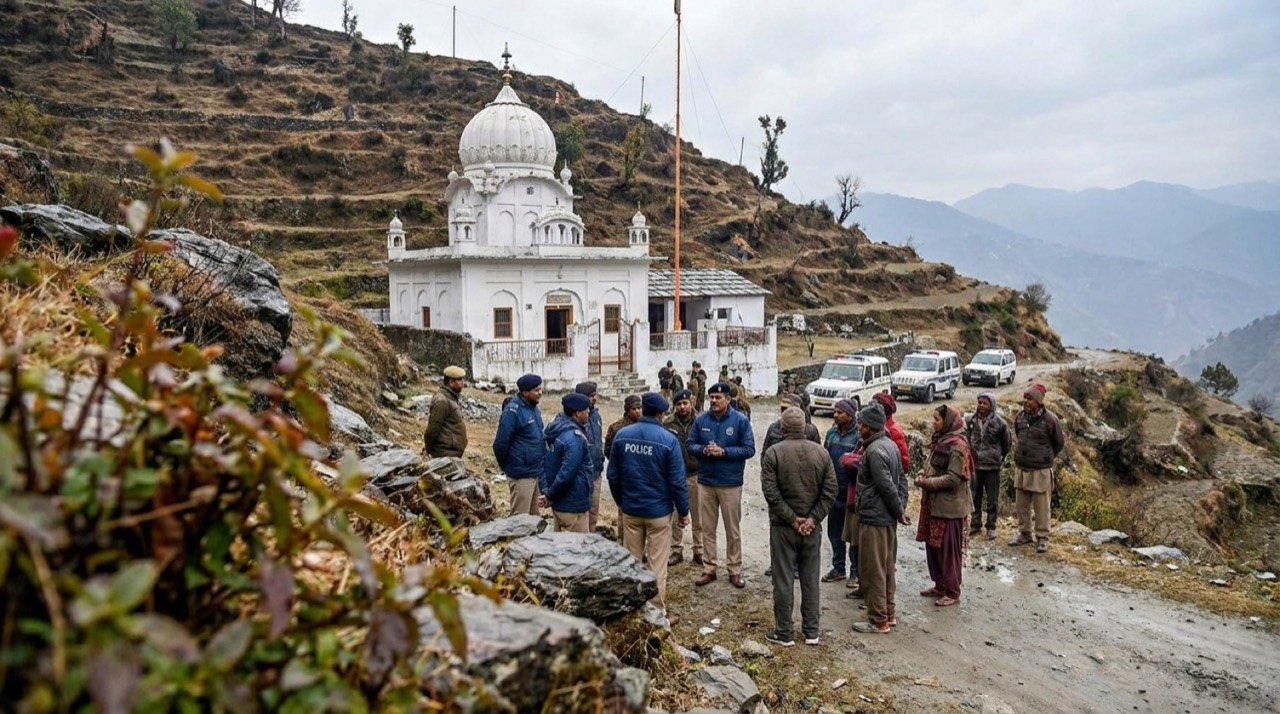
A standoff at a gurdwara in the Nagrasu-Karnaprayag belt of Uttarakhand has returned to the spotlight after reports that the investigation linked to the episode has been transferred. The development keeps a difficult question in public view: how should police in sensitive hill districts handle disputes that touch both faith and law and order? With tension reported between Nihang Sikhs and local authorities, the case has become a test of how the state balances respect for a place of worship against the need for transparent, lawful procedure.
What the standoff involved
The dispute centred on a gurdwara in Nagrasu, a small settlement along the route to Karnaprayag in the Rudraprayag-Chamoli stretch of Garhwal. Reports described a confrontation involving Nihang Sikhs, an order of armed Sikh devotees with deep historical roots, and local administration and police. The flashpoint, as documented in regional accounts, revolved around control, access and the manner in which authorities intervened at the religious site.
Karnaprayag is one of the Panch Prayag confluences on the Char Dham pilgrimage circuit, a corridor that draws lakhs of devotees and tourists each season. Any unrest in this belt carries weight well beyond the immediate locality, because pilgrimage, livelihoods and security are tightly interwoven through the summer months.
Why a transfer of the probe matters
Shifting an investigation from one officer or unit to another is a routine administrative tool, but it is rarely neutral in perception. A transfer can signal a genuine effort to rebuild trust, insulate the inquiry from local pressure and ensure a fresh, impartial look at the evidence. At the same time, it invites an obvious question: why was the original process judged inadequate?
For the communities involved, the answer to that question shapes confidence in the outcome. If the reassignment is read as accountability, it can calm nerves. If it is seen as a way to manage optics rather than to surface facts, it can deepen mistrust. The credibility of the new inquiry will rest on how openly its terms and findings are communicated.
The wider law-and-order test
Episodes like Nagrasu sit at the intersection of constitutional protections for religious practice and the state's duty to maintain public order. Neither can be allowed to override the other. The lawful path runs through dialogue, due process and evidence-based policing rather than escalation, and through clear communication with all parties before situations harden into standoffs.
- Respect for religious places must coexist with lawful, transparent public-order procedure.
- Early mediation and community communication can prevent a dispute from hardening into confrontation.
- Transferring a probe can raise confidence, but only if its reasons and scope are explained.
- Karnaprayag's role on the Char Dham circuit means local unrest has regional consequences.
- Evidence-led, restrained policing protects both faith communities and the rule of law.
“Religious places deserve respect, but public order is best protected through restraint, dialogue and procedure that everyone can see and trust.”
— Public-order observers on policing in Uttarakhand's hill districts
How Uttarakhand navigates the next phase of this case will be watched closely as the pilgrimage season peaks. The outlook hinges on whether the reassigned inquiry can combine firmness with fairness, keep lines of communication open with the Nihang Sikh community and local residents, and demonstrate that sensitive disputes in the hills can be resolved without compromising either faith or the rule of law.
The NE Times View
Transferring the probe is sensible only if it signals genuine impartiality rather than an attempt to bury an awkward local flashpoint. The NE Times View: in a state where religious friction can spread fast through the hill districts, the test is not who investigates but whether the findings are made public and acted on swiftly, before rumour fills the vacuum.
This article is original commentary and analysis by The NE Times. Background facts were referenced from The Indian Express and Uttarakhand regional outlets.
You may also like to read
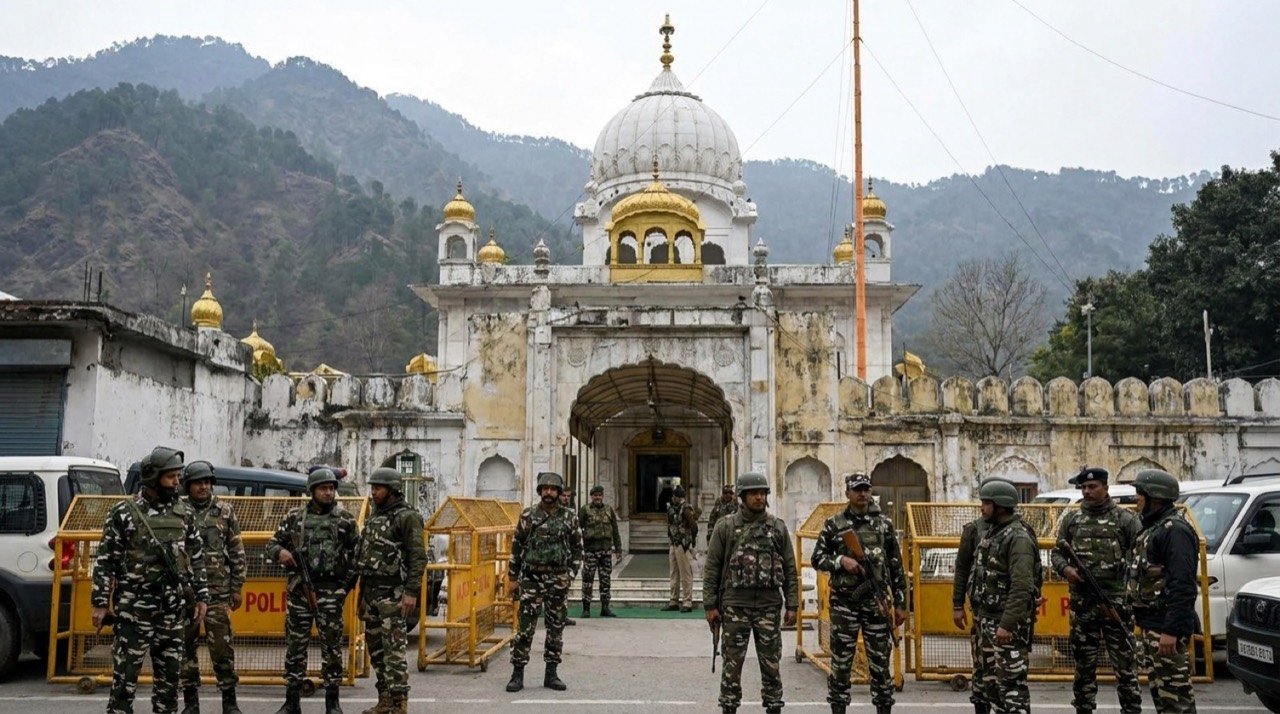
Uttarakhand's Nagrasu Gurdwara Standoff Continues as Talks Drag On
A tense standoff at a gurdwara in Nagrasu, Uttarakhand, involving Nihang Sikhs and authorities has continued for days, with hostages freed, forces deployed and negotiations still under way.
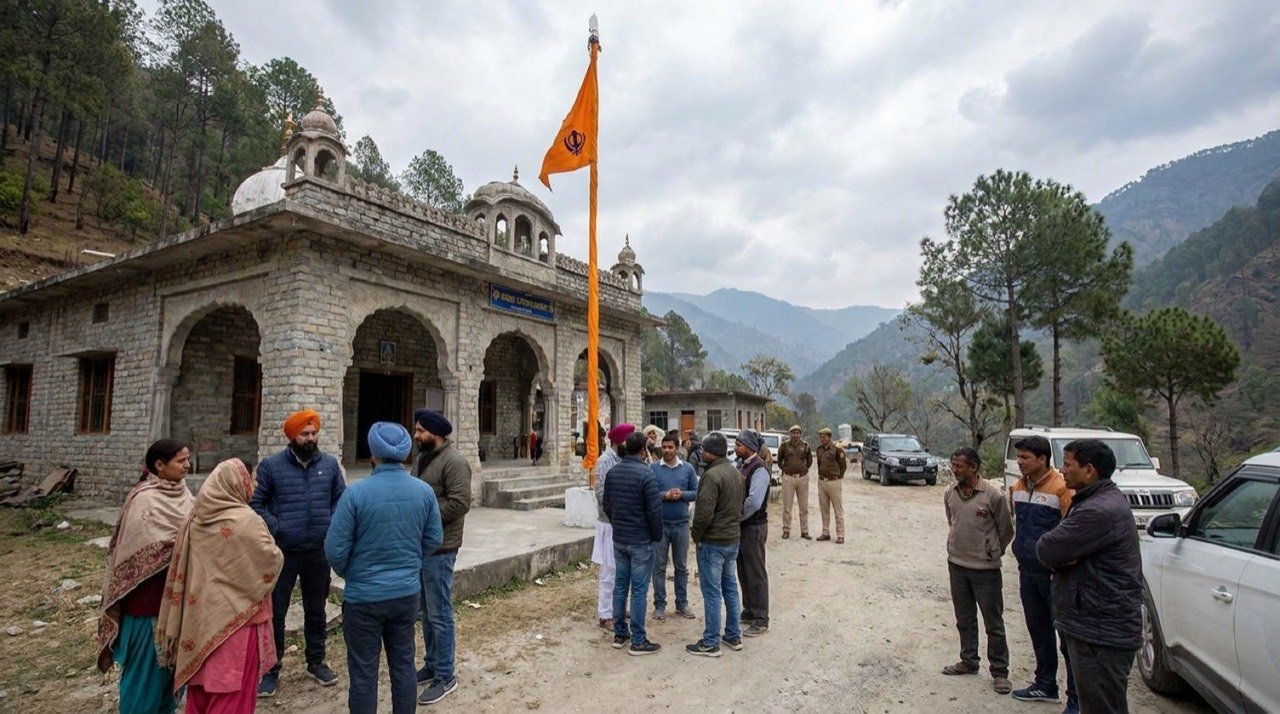
Uttarakhand Gurdwara Standoff Ends Peacefully After Talks
A tense standoff at the Nagarasu gurdwara in Rudraprayag ended peacefully on Tuesday after Nihang Sikh representatives, local management and the administration held talks and the premises were vacated.
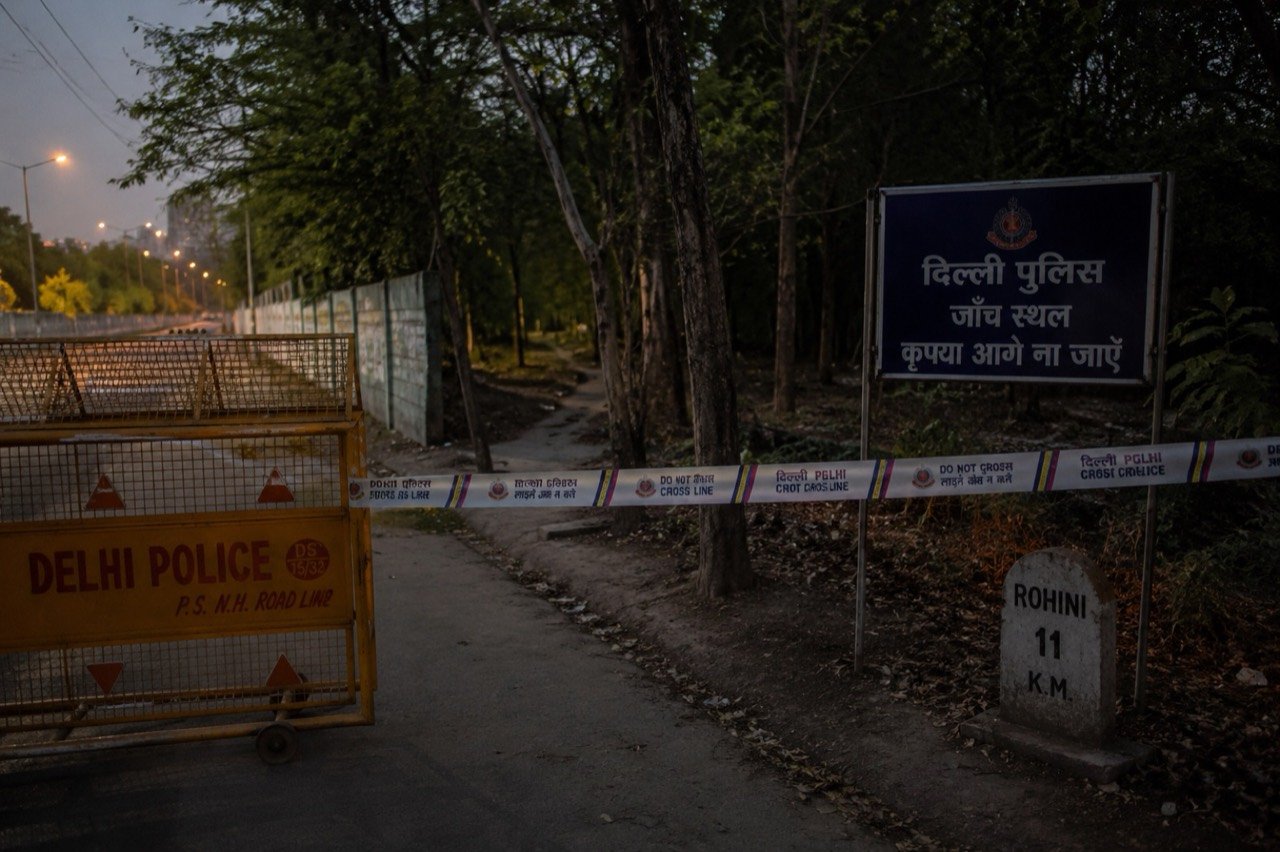
Delhi Child Murder Case Puts Footpath Safety and Fast Policing Under Scrutiny
The killing of a 10-year-old girl sleeping on a Delhi footpath, with an arrest made within hours, has forced hard questions about pavement dwellers, night-time safety and the speed of missing-child response.
Rajasthan Detention Over RSS-Linked Instagram Video Reignites Free-Speech Debate
The detention of an Instagram user in Rajasthan over a video involving RSS-linked imagery has reopened a debate on social-media speech, proportionate policing and online public order.
More from this section
More
AICTE Industry Fellowship 2026: Rs 1.5 Lakh Scheme Closes July 5
The AICTE Industry Fellowship Programme 2026, which places technical-education faculty inside leading companies on a Rs 1.5 lakh monthly stipend, reached its application deadline on July 5.
Bay of Bengal Low Pressure System Revives Monsoon Over Western India
A low-pressure system over the Bay of Bengal has pushed the monsoon back into an active phase, bringing steady heavy rain to Kerala, coastal Karnataka and Maharashtra, and putting Mumbai and Pune on preparedness watch.
Bishnoi Gang Suspects Injured in Haryana Encounter as Police Tighten Net
A joint Haryana-Delhi Police operation in Bahadurgarh left two suspected Lawrence Bishnoi gang members injured, spotlighting the multi-state coordination now central to India's fight against organised crime networks.