Tamil Nadu Engineer's Anti-Bribe Portal Maps Everyday Corruption
A Tamil Nadu software engineer has built a public website that asks one blunt question, whether you paid a bribe, turning scattered grievances into searchable data on petty corruption.
Commentary & Analysis ·
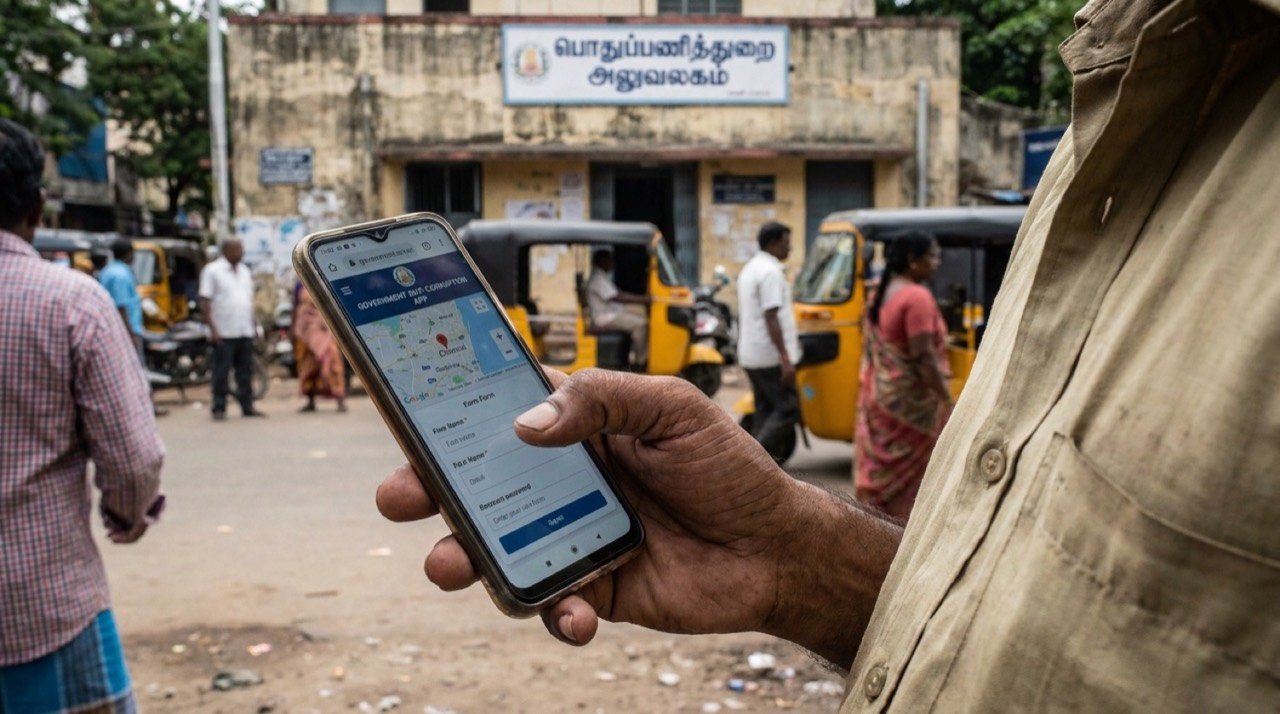
A simple online prompt, whether a citizen had to pay a bribe to get a routine government service, has quietly grown into one of Tamil Nadu's more revealing civic experiments. Built by a software engineer in the state, the public website invites residents to log the small, often unrecorded payments demanded at counters and offices across the state. What began as a single question is now accumulating into a picture of where petty corruption bites hardest in everyday life.
How the portal works
The platform asks users to describe an interaction with a government service and record whether an informal payment was sought. Over time, those entries form a searchable dataset that points to the departments, services and locations where citizens most frequently report being asked for money.
Crucially, the site is not an official investigation. Every submission is an unverified account, and the project's value lies in patterns rather than individual accusations. The engineer behind it has framed it as a tool for surfacing systemic friction, not for naming and shaming specific officials without proof.
Why it resonates
Petty corruption is one of the most widely felt yet poorly documented aspects of public administration in India. People routinely know the cost of an informal payment to speed up a certificate, a registration or an inspection, but they rarely have a safe, structured place to describe it. By lowering the barrier to reporting, the portal converts private frustration into aggregate evidence.
For Tamil Nadu, the project sits at the intersection of technology, service delivery and accountability, three themes that increasingly shape governance debates. It complements, rather than replaces, formal anti-corruption machinery such as vigilance bodies and grievance redress systems.
The verification challenge
The greatest strength of crowdsourced data, its volume, is also its biggest weakness. Unverified entries can be inaccurate, malicious or duplicated, and a single false report can unfairly tarnish an honest official. Responsible use therefore demands careful cross-checking before any conclusion is drawn.
Used well, civic-tech platforms like this can help journalists, researchers and even government departments identify recurring hotspots and design targeted reforms, all without singling out individuals on the basis of anonymous claims.
- Citizens report whether a bribe was demanded for a specific service.
- Entries aggregate into searchable patterns by department and location.
- The site is not an official probe; every entry needs verification.
- Patterns can guide reform without naming individuals unfairly.
- It complements, not replaces, formal vigilance and grievance systems.
“People know the burden of informal payments; what they lack is a safe, searchable place to describe it.”
— Civic-tech rationale described in the project's coverage
Whether the portal evolves into a durable accountability resource or remains a one-off experiment will depend on how rigorously its data is cleaned and how seriously institutions engage with it. Either way, it underlines a growing appetite among citizens for transparency tools that make the hidden costs of public services visible.
The NE Times View
An engineer turning scattered grievances into searchable data is the kind of bottom-up civic tech India needs more of. Petty corruption thrives on its invisibility; aggregated reporting makes patterns, and therefore accountability, possible. The caveats are real, unverified claims and the risk of retaliation, so the data must be read as signal, not verdict. Still, an honest map of where bribes are demanded is a public good the state itself rarely builds.
This article is original commentary and analysis by The NE Times. Background facts were referenced from The Indian Express.
You may also like to read
CBI Arrest of Haryana IAS Officer Pankaj Agarwal Sharpens Corruption Debate
The CBI's arrest of senior Haryana IAS officer Pankaj Agarwal in a corruption-related case has renewed scrutiny of accountability and transparency in state administration.
Ayodhya Ram Temple Donation Probe: SIT Report Puts Fund Controls Under Scrutiny
A Special Investigation Team report into alleged irregularities in donations linked to the Ayodhya Ram Temple has placed fund-handling systems, receipts and local accountability under fresh scrutiny.
Madurai Bus Collision Leaves Six Dead and 41 Injured, Renewing Questions About Tamil Nadu Road Safety
A deadly collision near Kottampatti has brought grief to families and placed intercity bus safety, driver fatigue and emergency response back under scrutiny.
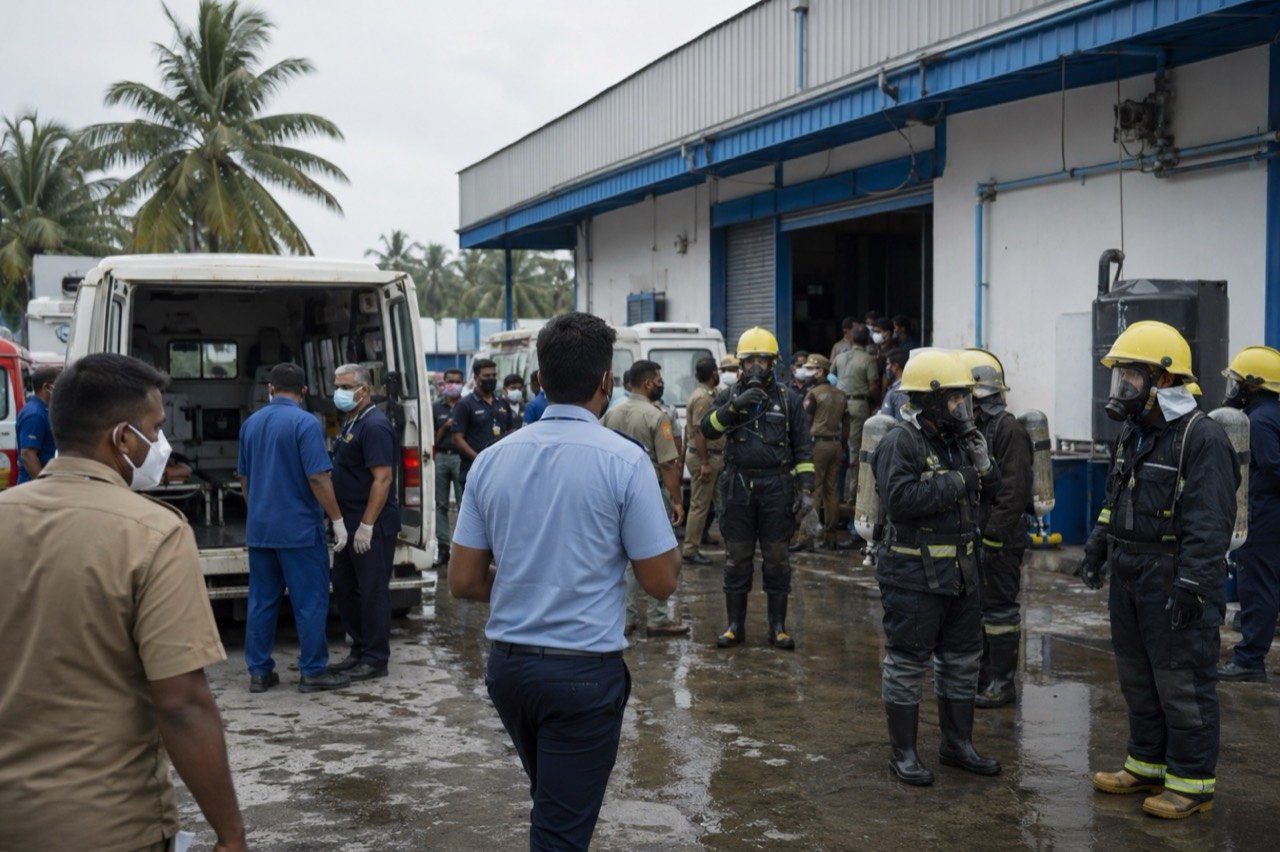
Tamil Nadu Ammonia Leak Death Toll Rises to Nine as Safety Questions Mount
Nine workers have now died after an ammonia gas leak at a Tamil Nadu seafood processing unit, reviving urgent scrutiny of industrial safety, refrigeration norms and emergency response in India's cold-chain sector.
More from this section
More
AICTE Industry Fellowship 2026: Rs 1.5 Lakh Scheme Closes July 5
The AICTE Industry Fellowship Programme 2026, which places technical-education faculty inside leading companies on a Rs 1.5 lakh monthly stipend, reached its application deadline on July 5.
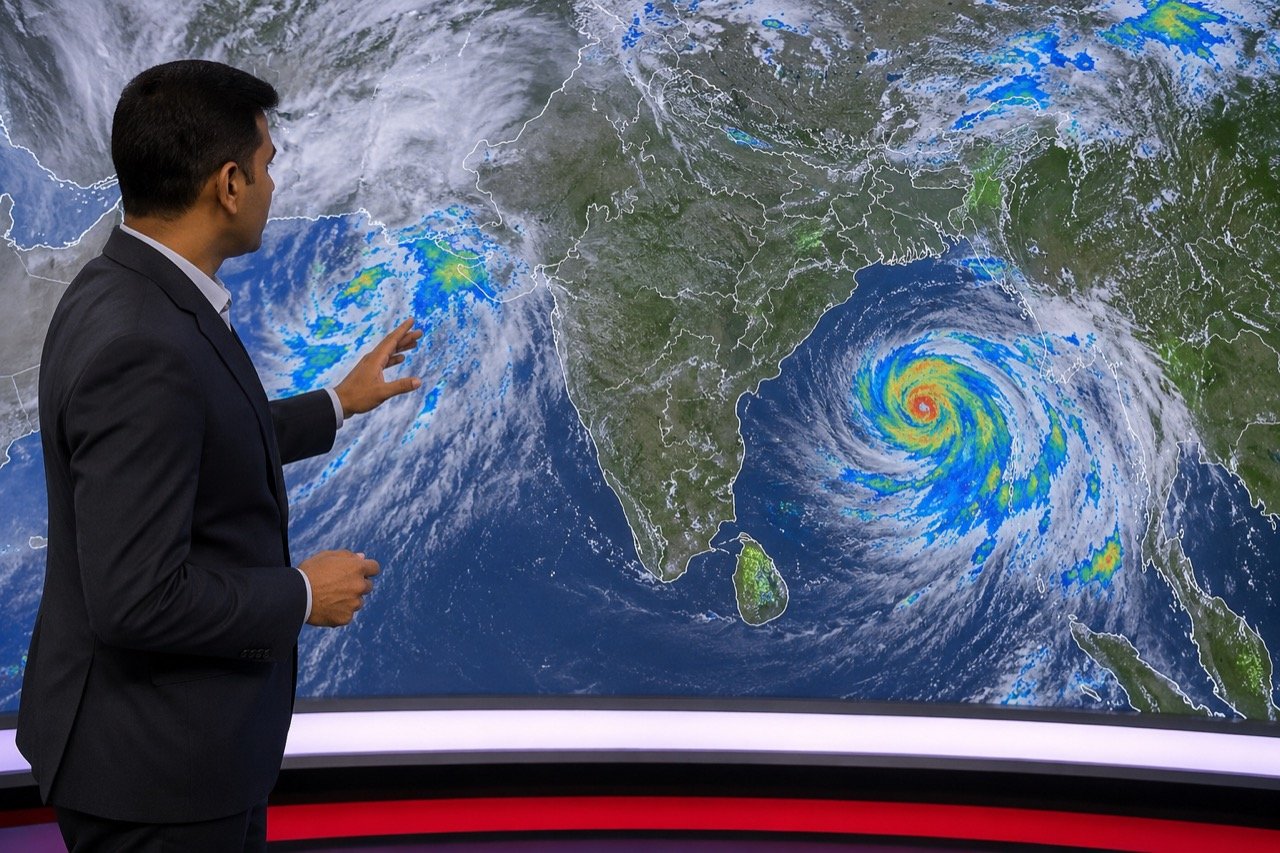
Bay of Bengal Low Pressure System Revives Monsoon Over Western India
A low-pressure system over the Bay of Bengal has pushed the monsoon back into an active phase, bringing steady heavy rain to Kerala, coastal Karnataka and Maharashtra, and putting Mumbai and Pune on preparedness watch.
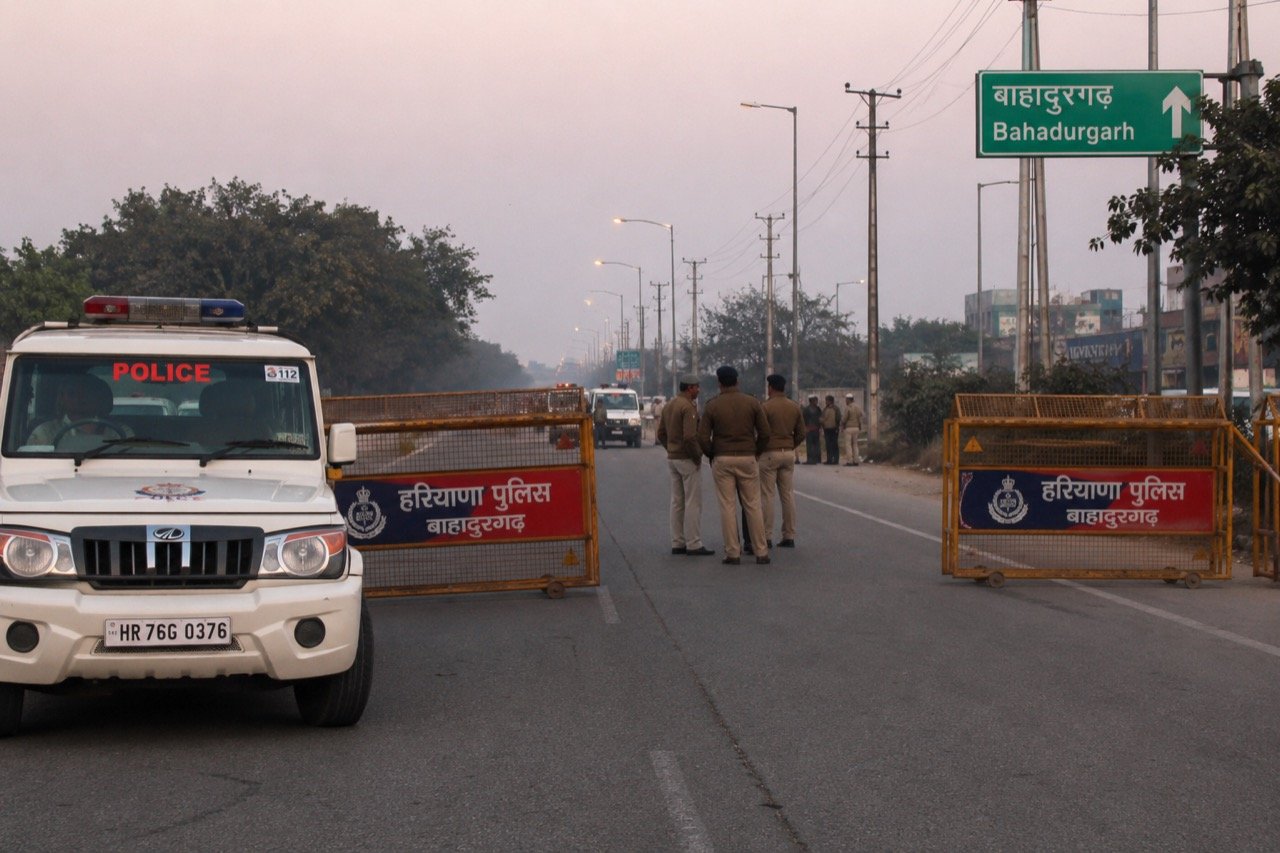
Bishnoi Gang Suspects Injured in Haryana Encounter as Police Tighten Net
A joint Haryana-Delhi Police operation in Bahadurgarh left two suspected Lawrence Bishnoi gang members injured, spotlighting the multi-state coordination now central to India's fight against organised crime networks.