CBI Arrest of Haryana IAS Officer Pankaj Agarwal Sharpens Corruption Debate
The CBI's arrest of senior Haryana IAS officer Pankaj Agarwal in a corruption-related case has renewed scrutiny of accountability and transparency in state administration.
Commentary & Analysis ·
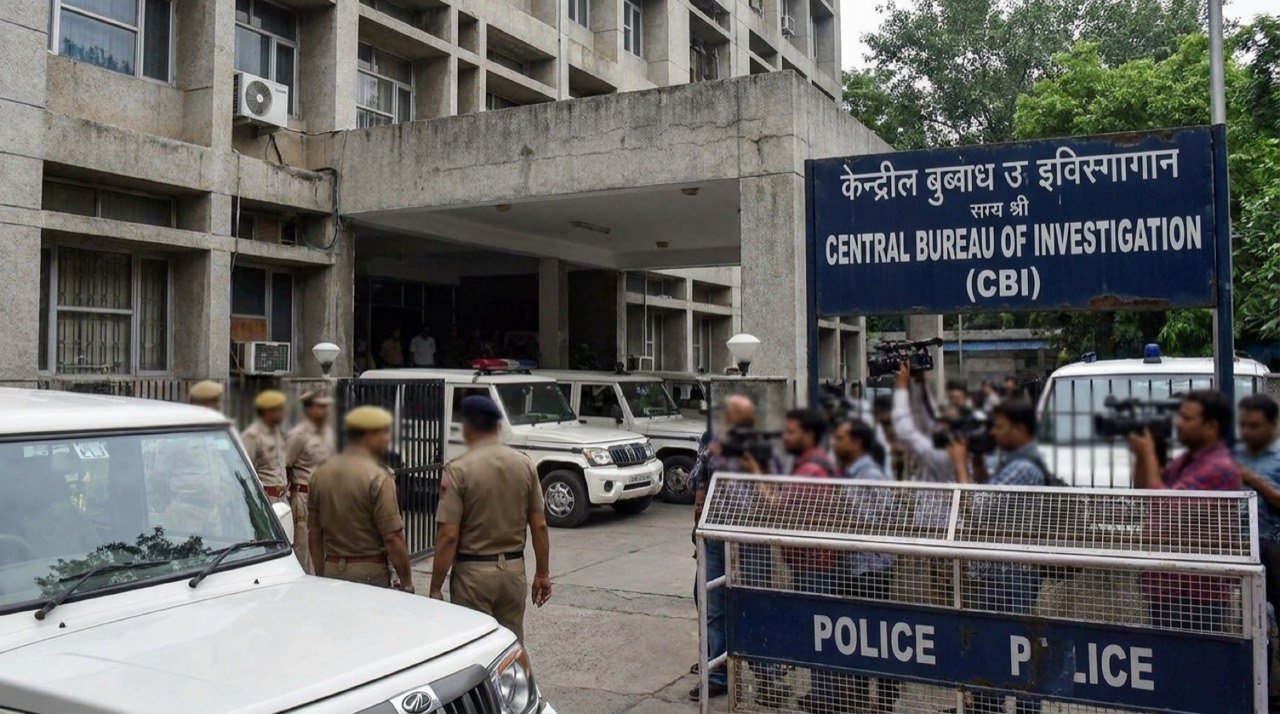
The Central Bureau of Investigation has arrested Haryana IAS officer Pankaj Agarwal in a corruption-related case, according to public reports, an action that has once again put the spotlight on accountability within state administration. The arrest of a serving senior civil servant is relatively rare and tends to draw close attention to how oversight institutions function. Cases of this kind are watched not merely for their individual outcome but for what they signal about the health of the wider system of checks that is supposed to govern the conduct of public officials.
Why senior officials draw scrutiny
Senior administrators occupy positions of substantial discretion. They sign off on permissions, oversee contracts, clear financial approvals and shape regulatory decisions that affect businesses and citizens alike. Allegations involving such officials therefore carry weight beyond an individual case, touching on the integrity of the wider decision-making machinery. An IAS officer sits at the intersection of policy and implementation, and it is precisely this discretionary power that makes any allegation of corruption against such a figure resonate far beyond the specific file or transaction under scrutiny. When the credibility of the administrative class is in question, the effects are felt by ordinary applicants, businesses seeking clearances, and any citizen who must interact with the machinery of the state.
It is worth emphasising that an arrest is not a conviction. Any allegations remain subject to court scrutiny, and the officer is entitled to the full protections of due process as the matter moves through the legal system. This distinction matters as much for the individual concerned as it does for public discourse: an arrest establishes that investigators believe there is sufficient basis to proceed, not that guilt has been established. Conflating the two risks doing an injustice to the accused while also diluting public understanding of how the legal process actually works.
How agencies build such cases
Investigative agencies typically rely on documentary trails, recorded statements and seized material before moving against senior civil servants. The strength of a case usually rests on the quality of this evidence rather than on the seniority of the accused, and prosecutors must ultimately satisfy a court that the material supports the charges. This is an important corrective to the instinct to read significance purely from the rank of the person arrested. A case built on thin evidence will falter regardless of how senior the accused, while a well-documented one can proceed to conviction even against considerable resistance. The coming stages of this matter, including how the CBI marshals its evidence and how it is tested in court, will be the real measure of its strength.
For an agency such as the CBI, moving against a serving IAS officer also carries institutional weight. Such actions are typically preceded by preliminary inquiries, sanction processes where applicable, and an internal assessment of whether the material gathered can withstand judicial scrutiny. The visibility of the case means that any procedural misstep, whether real or perceived, is likely to be scrutinised as closely as the substantive allegations themselves.
The test of public confidence
The episode is significant because it tests public confidence in institutional oversight. Citizens expect corruption probes to meet a clear set of standards. Investigations should be evidence-led rather than driven by perception. Proceedings should be transparent and open to legal challenge. Action should be free of political selectivity. Due process and the presumption of innocence must be respected. Outcomes should be communicated clearly to the public.
These are not abstract ideals. In a federal system where state administration and central investigative agencies frequently intersect, the perception of even-handedness is as important as the legal outcome itself. Any case involving a senior state official inevitably invites questions about whether similarly placed individuals elsewhere face comparable scrutiny, and whether the pace or timing of action reflects the strength of evidence or other considerations. The NE Times has consistently held that the answer to such questions must come from the transparency of process, not from assurances alone.
“Citizens expect corruption probes to be evidence-led, transparent and free of political selectivity.” — The NE Times analysis
What happens next in the legal process
The next legal steps, including arguments over custody, bail and the framing of charges, will determine how the matter proceeds and how quickly. Each of these stages carries its own significance. Custody proceedings will indicate how investigators assess the risk of evidence tampering or flight, bail hearings will test whether the material gathered so far meets the threshold courts require, and the eventual framing of charges will set the specific legal boundaries within which the case is argued. Delays or expedition at any of these stages are often read, rightly or wrongly, as signals about the seriousness with which the case is being pursued.
For now, the case stands as a reminder that scrutiny of those who wield administrative power is central to the credibility of governance, and that the courts, not commentary, will decide the outcome. It is the responsibility of observers, including the press, to track the case through each of these stages rather than treating the arrest itself as the conclusion of the story.
Wider implications for Haryana's administration
Beyond the individual case, the arrest raises questions that extend to the broader administrative culture within the state. Corruption cases involving senior officials often prompt internal reviews, however quiet, of processes and approvals that passed through the officer's desk. They can also affect the morale and caution of other officials, who may become more risk-averse in their decision-making, for better or worse, while such scrutiny is active. Whether this particular case leads to any structural reassessment within Haryana's bureaucracy, or is treated as an isolated matter concerning one individual, will itself be informative about how seriously the episode is taken at an institutional level.
The NE Times View
An arrest at the senior IAS level is rare enough to be genuinely significant, and it punctures the assumption that the top of the bureaucracy is untouchable. But arrests are not convictions, and India's record on seeing such cases through to verdict is poor. The danger is selective vigour: accountability that targets the visible while sparing the connected. Watch whether this becomes a pattern of enforcement or a one-off headline. The measure of whether this case matters beyond its own facts will be whether it is followed by comparable scrutiny of others in similarly discretionary positions, and whether the legal process is allowed to run its course without either undue haste or quiet deceleration.
Key takeaways
- The CBI has arrested Haryana IAS officer Pankaj Agarwal in a corruption-related case, a rare move against a serving senior civil servant.
- An arrest is not a conviction; the officer retains the presumption of innocence and full due-process protections as the case proceeds through court.
- The strength of the case will depend on the documentary trail, statements and material gathered by investigators, tested against judicial scrutiny.
- Public confidence hinges on the probe being evidence-led, transparent and free of political selectivity, with due process respected throughout.
- The next stages, custody, bail and charge-framing, will be the real indicators of how the case unfolds, and whether it signals sustained accountability or remains an isolated episode.
You may also like to read
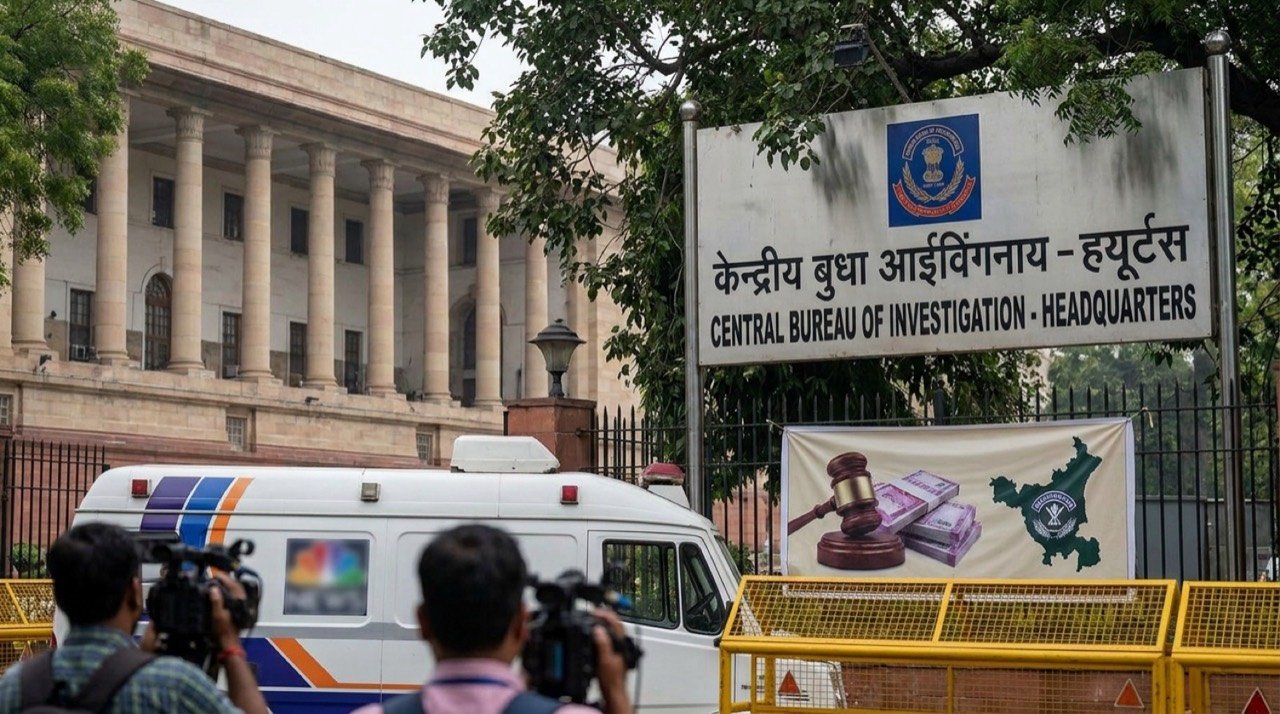
CBI Arrests Haryana IAS Officer Pankaj Agarwal As Bank-Fraud Probe Widens
The CBI has arrested senior Haryana-cadre IAS officer Pankaj Agarwal in a widening probe into the alleged diversion of crores in public funds through bank accounts and government departments.
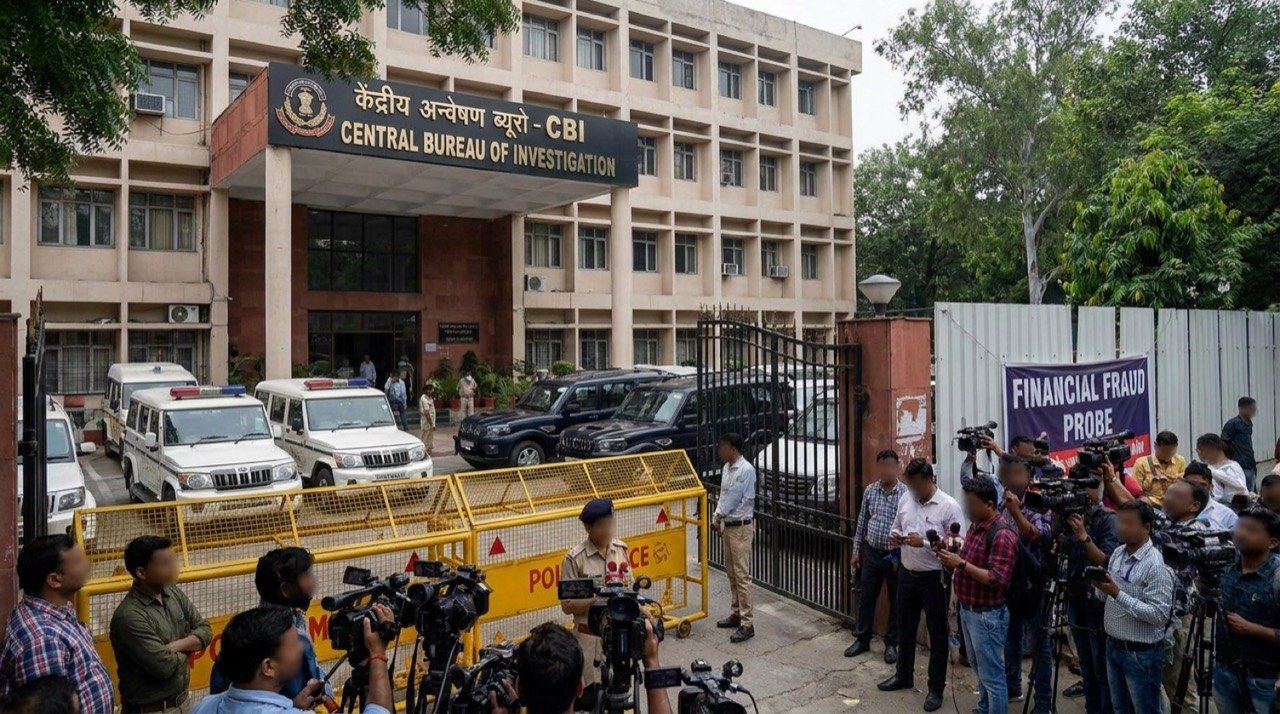
CBI Arrests Haryana IAS Officer Pankaj Aggarwal in IDFC FIRST Bank Fraud Case
The CBI has arrested senior Haryana IAS officer Pankaj Aggarwal in an IDFC FIRST Bank fraud case, reviving scrutiny of governance, accountability and the trail of financial investigations.
CBI Arrests Haryana IAS Officer Dhirendra Khadgata in Rs 60-Crore IDFC First Bank Fund Case
The CBI has arrested Haryana IAS officer Dhirendra Khadgata over alleged diversion of around Rs 60 crore in government funds linked to an IDFC First Bank branch, reviving questions of governance and banking oversight.
Tamil Nadu Engineer's Anti-Bribe Portal Maps Everyday Corruption
A Tamil Nadu software engineer has built a public website that asks one blunt question, whether you paid a bribe, turning scattered grievances into searchable data on petty corruption.
More from this section
More
AICTE Industry Fellowship 2026: Rs 1.5 Lakh Scheme Closes July 5
The AICTE Industry Fellowship Programme 2026, which places technical-education faculty inside leading companies on a Rs 1.5 lakh monthly stipend, reached its application deadline on July 5.
Bay of Bengal Low Pressure System Revives Monsoon Over Western India
A low-pressure system over the Bay of Bengal has pushed the monsoon back into an active phase, bringing steady heavy rain to Kerala, coastal Karnataka and Maharashtra, and putting Mumbai and Pune on preparedness watch.
Bishnoi Gang Suspects Injured in Haryana Encounter as Police Tighten Net
A joint Haryana-Delhi Police operation in Bahadurgarh left two suspected Lawrence Bishnoi gang members injured, spotlighting the multi-state coordination now central to India's fight against organised crime networks.