Spotify-Universal AI Deal Will Let Fans Remix Hits - and It Is Already Splitting the Industry
A landmark licensing pact lets Premium users generate AI covers and remixes of participating artists' songs, with revenue shared - but independent musicians and critics warn of 'AI slop' and an opt-in only the major labels enjoy.
Commentary & Analysis ·
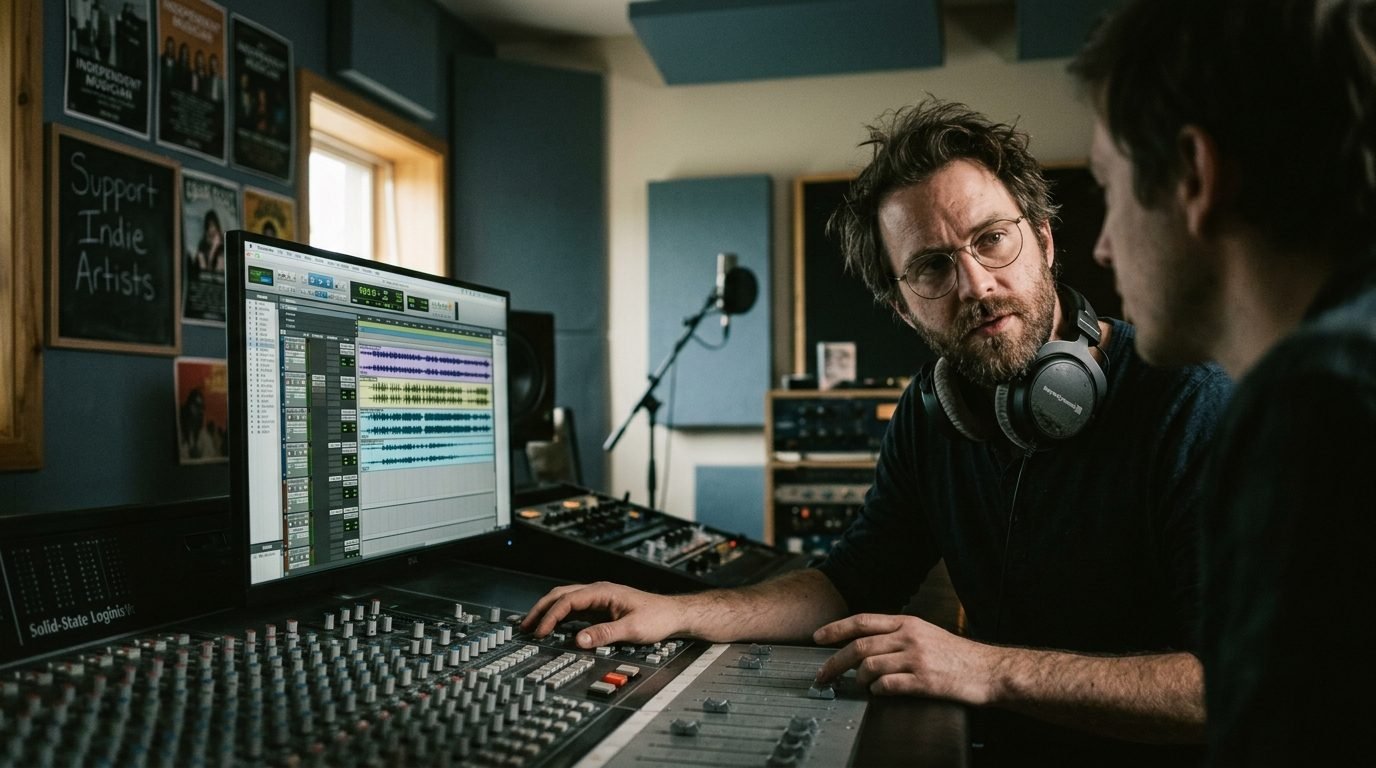
Spotify and Universal Music Group have struck a licensing deal that will allow Premium subscribers to create AI-generated covers and remixes of songs from participating artists, packaged as a paid add-on with a revenue share flowing to those who opt in. Spotify shares surged on the news as the company reiterated 'north star' targets of one billion subscribers and $100 billion in revenue.
Co-CEO Alex Norstrom framed the product around 'consent, credit and compensation', positioning licensed AI as an answer to the wave of unlicensed material already crowding streaming platforms. The pitch casts the deal less as a novelty feature than as an attempt to bring order to a corner of music that has been expanding faster than the industry can regulate it.
How the deal is structured
At its core, the arrangement turns AI manipulation of recordings into a sanctioned, monetised activity rather than a grey-market free-for-all. Premium users would pay for the add-on, participating rights holders would opt in, and revenue would be shared with those who do. For the major label, it offers a way to capture value from a technology that has otherwise threatened to bypass it entirely.
For Spotify, the move dovetails with ambitions it has stated openly. The 'north star' targets of one billion subscribers and $100 billion in revenue imply a need for new products and price tiers, and a premium AI feature fits that logic neatly, giving subscribers a reason to pay more without requiring the platform to license vast new catalogues of conventional music.
Who gets left out
The deal's structure has drawn immediate pushback. Independent musicians, unsigned artists and anyone outside Universal's catalogue have no opt-in to exercise and no revenue to collect, sharpening long-standing concerns that AI tools will widen the gap between major-label rosters and everyone else. Critics also worry that a flood of fan-made remixes could drown out original recordings in listeners' feeds.
- Premium subscribers would generate AI covers and remixes as a paid add-on
- Participating artists opt in and share in the resulting revenue
- Independent and unsigned artists outside Universal's catalogue have no opt-in and no revenue to collect
- Critics fear fan-made remixes could crowd out original recordings in users' feeds
“If you are going to have AI music, it is clearly better that it is rooted in consent - but if fans can share these remixes freely, you get into dangerous territory.”
— Ed Newton-Rex, composer and artists' rights advocate
Why it matters
The pact arrives as the music business wrestles with a defining question: whether generative AI will be absorbed into existing structures on terms the industry can control, or whether it will erode the value of recorded music altogether. A deal between the world's largest audio streamer and one of the biggest labels sets a template others may follow, which is precisely why its exclusions have provoked such concern.
Details on how the feature will work remain thin, leaving the music business to debate whether the pact is a responsible framework for AI or, as one outlet put it, 'controlled slop' dressed up in licensing language. How the feature is built, how remixes are surfaced and whether smaller artists are eventually brought in will determine whether this becomes a model for the wider industry or a flashpoint in a longer fight over who benefits from AI in music.
The NE Times View
This pact reveals who the streaming era actually serves. Letting fans generate AI remixes with shared revenue sounds participatory, but an opt-in available only to major labels entrenches exactly the imbalance that streaming was meant to dissolve. Our view: the fear of 'AI slop' is real, yet the deeper issue is consent and leverage, independent artists get neither the choice nor the cut, and any framework that excludes them is built on a faultline.
This article is original commentary and analysis by The NE Times. Background facts were referenced from Rolling Stone, TechCrunch.
You may also like to read
Arijit Singh Overtakes Taylor Swift to Become Spotify's Most-Followed Artist
The Bollywood playback giant has become the world's most-followed musician on Spotify, the first non-English-language artist to hold the crown.

Directors Guild Strikes Four-Year Deal With Studios, Sidestepping a Summer Standoff
The DGA has reached a tentative four-year agreement with the major studios, completing the round of post-strike labour talks and prioritising a battered health fund alongside fresh AI safeguards.
Anime in India: How Fandom Went Mainstream, Says Comic Con Founder
Streaming access, regional dubbing and convention culture have turned anime from an internet subculture into mainstream Indian entertainment, with India now cited as the world's second-largest anime consumer market.
Mollywood Times OTT Release Streams in Four Dubbed Languages
The Malayalam film Mollywood Times premieres on streaming with Telugu, Tamil, Kannada and Hindi dubs from day one, signalling how OTT platforms are widening the national reach of Kerala's cinema.
More from this section
More
72nd National Film Awards: Fans Back Mammootty, Allu Arjun, Sai Pallavi
Speculation around the 72nd National Film Awards is intensifying as fan communities across India's language film industries champion favourites including Mammootty, Allu Arjun and Sai Pallavi ahead of any official announcement.

Aamir Khan Marries Gauri Spratt in Private Pali Hill Ceremony
Aamir Khan and Gauri Spratt tied the knot at the actor's Pali Hill home in Mumbai on July 5, turning a deliberately small family ceremony into Bollywood's biggest story of the day.

Akanksha Chamola's Lock Upp 2 Confession Sets Reality TV Abuzz
A personal revelation by Akanksha Chamola ahead of Lock Upp 2 has handed the reality show a viral talking point, underlining how confession-driven formats continue to dominate Indian television conversation.