Sharmila Tagore Reflects on Pataudi Wedding Pressure
Sharmila Tagore's candid recollection of threats and social scrutiny before her wedding to Tiger Pataudi reopens a classic Bollywood-cricket romance as a story of female autonomy and public judgement.
Commentary & Analysis ·
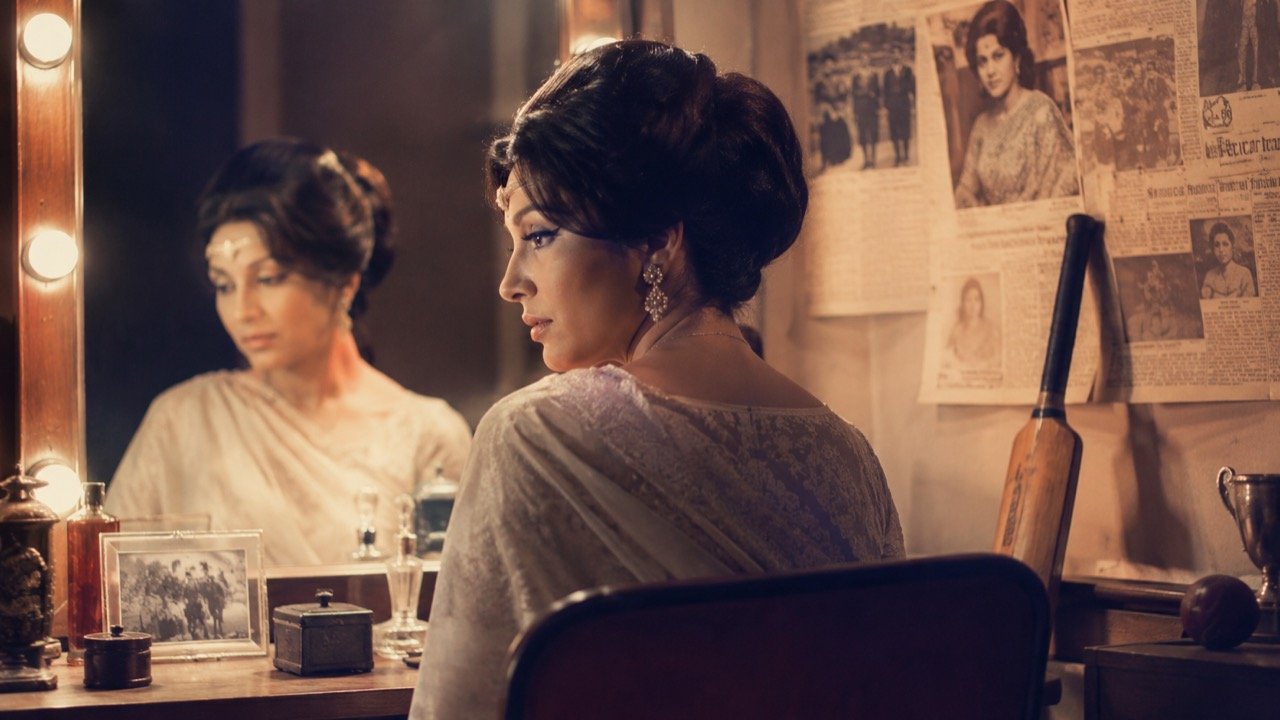
Sharmila Tagore's recent recollection of living with Mansoor Ali Khan Pataudi — popularly known as Tiger Pataudi — before their marriage, and of facing public threats as a result, has reignited interest in one of Indian popular culture's most enduring Bollywood-cricket romances. Her remarks, reported by the Indian Express as part of a broader reflection, are notable not simply for their candour but for what they reveal about a past era's treatment of women who made unconventional choices.
For decades, the Tagore-Pataudi relationship has been remembered through a lens of glamour: a celebrated actress and a charismatic cricket captain, united by charm, aristocratic lineage and public fascination. Tagore's latest comments complicate that picture. She describes navigating family scrutiny, societal pressure and very real threats — a portrait of a love story that also carried considerable personal risk.
The 1960s and 1970s in India were a period when a prominent woman in public life who openly shaped her personal choices could quickly become a focal point for moral policing. Tagore was at the peak of her film career — visible, admired and, precisely because of that visibility, closely watched. Her account is a reminder that celebrity has always come with a dual currency: admiration and surveillance in roughly equal measure.
The Bollywood-cricket nexus has long been one of India's most culturally potent combinations. Both worlds generate immense public attention, and relationships that cross between them attract particular scrutiny. Yet this story earns its place in social history not because of its star power, but because it illuminates the expectations placed on women's respectability at a specific moment in Indian life — expectations that could translate, as Tagore recalls, into direct intimidation.
For contemporary audiences encountering these reflections, the resonance is layered. The language around personal relationships and women's autonomy has shifted considerably since the 1960s — but the underlying patterns of scrutiny have not disappeared entirely. Tagore's candour gives older audiences reason to reassess a story they thought they knew, and younger audiences a clearer window into how constrained public life could be for women even at the highest levels of fame.
The NE Times View
What Sharmila Tagore has done with these remarks is refuse to let a romanticised legend stand in place of lived experience. There is nothing wrong with celebrating what was, by most accounts, a deeply loving partnership — but there is something important about insisting that the full context be part of the telling. The threats she describes were real. The pressure was real. The courage required to proceed despite both deserves acknowledgement alongside the romance. Indian popular culture often reaches for its golden-age stories as sources of warmth and nostalgia. This is understandable. But nostalgia becomes more honest, and more useful, when it makes room for what was actually difficult. Tagore's reflection is that rarer kind of celebrity memoir: one that adds complexity without diminishing the story it belongs to.
This article is original commentary and analysis by The NE Times. Background facts were referenced from Indian Express.
You may also like to read
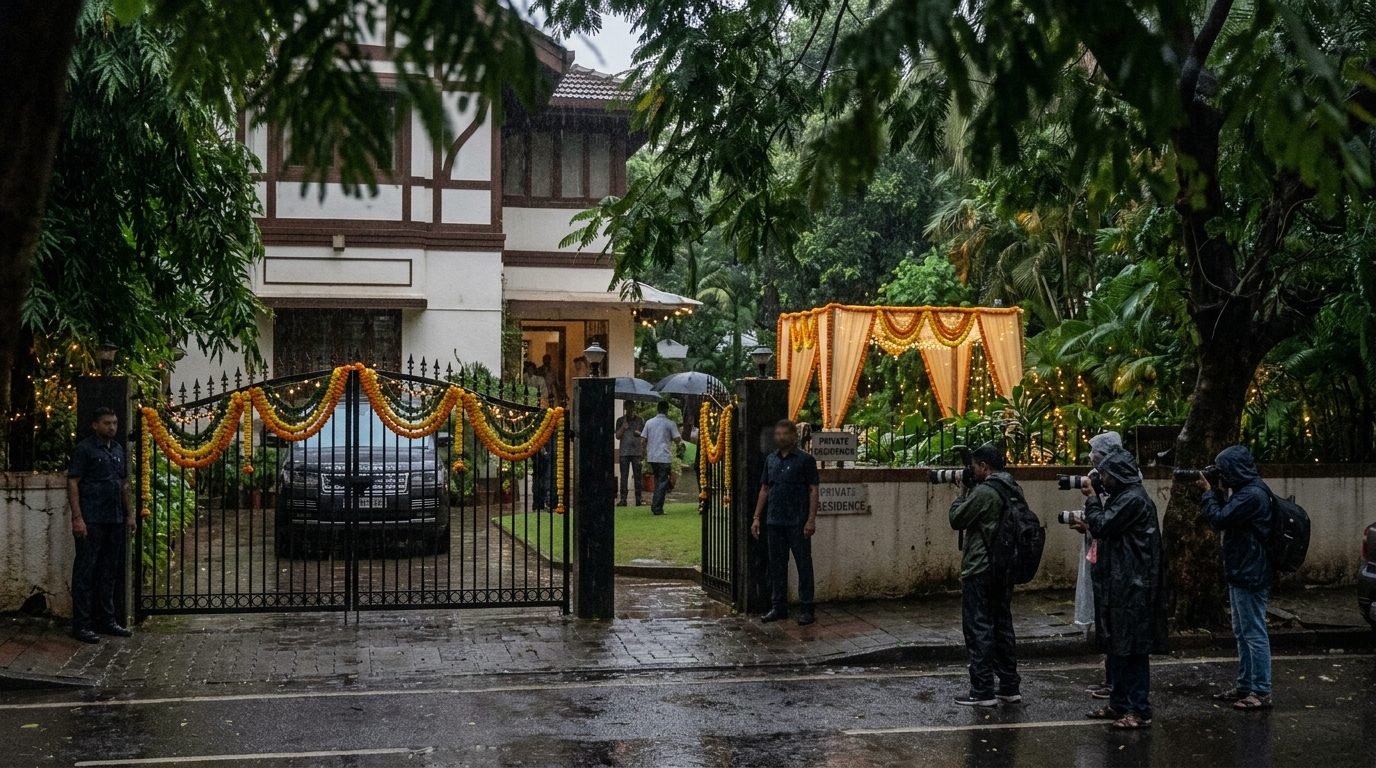
Aamir Khan Confirms July 5 Wedding to Gauri Spratt: 'The News About the Marriage Is True'
The 61-year-old superstar has put months of speculation to rest, confirming an intimate registered marriage to longtime partner Gauri Spratt at his Mumbai home, with no grand celebration planned.

Aamir Khan's quiet July 5 wedding becomes Bollywood's big story
Reports that Aamir Khan has confirmed an intimate July 5 ceremony with Gauri Spratt have captivated Bollywood watchers precisely because the star is choosing privacy over spectacle.

Chandrachur Singh Confronts Officials Over Demolished Home Ramp
Actor Chandrachur Singh has publicly questioned municipal officials after a ramp outside his home was demolished, turning a routine civic action into a wider conversation about urban governance and resident rights.

Imran Khan on Andrew Tate: Bollywood Joins Role Model Debate
Imran Khan's blunt remarks about Andrew Tate's appeal to young men, and his credit to Aamir Khan as a positive influence, have pushed a Bollywood interview into a wider conversation about masculinity online.
More from this section
More
72nd National Film Awards: Fans Back Mammootty, Allu Arjun, Sai Pallavi
Speculation around the 72nd National Film Awards is intensifying as fan communities across India's language film industries champion favourites including Mammootty, Allu Arjun and Sai Pallavi ahead of any official announcement.

Aamir Khan Marries Gauri Spratt in Private Pali Hill Ceremony
Aamir Khan and Gauri Spratt tied the knot at the actor's Pali Hill home in Mumbai on July 5, turning a deliberately small family ceremony into Bollywood's biggest story of the day.

Akanksha Chamola's Lock Upp 2 Confession Sets Reality TV Abuzz
A personal revelation by Akanksha Chamola ahead of Lock Upp 2 has handed the reality show a viral talking point, underlining how confession-driven formats continue to dominate Indian television conversation.