Directors Guild seals four-year studio pact under Christopher Nolan, cementing Hollywood's labour calm
The DGA's tentative agreement with the major studios and streamers lands four weeks into talks led by new president Christopher Nolan, adding to a run of long-term contracts that point to rare stability across the business.
Commentary & Analysis ·
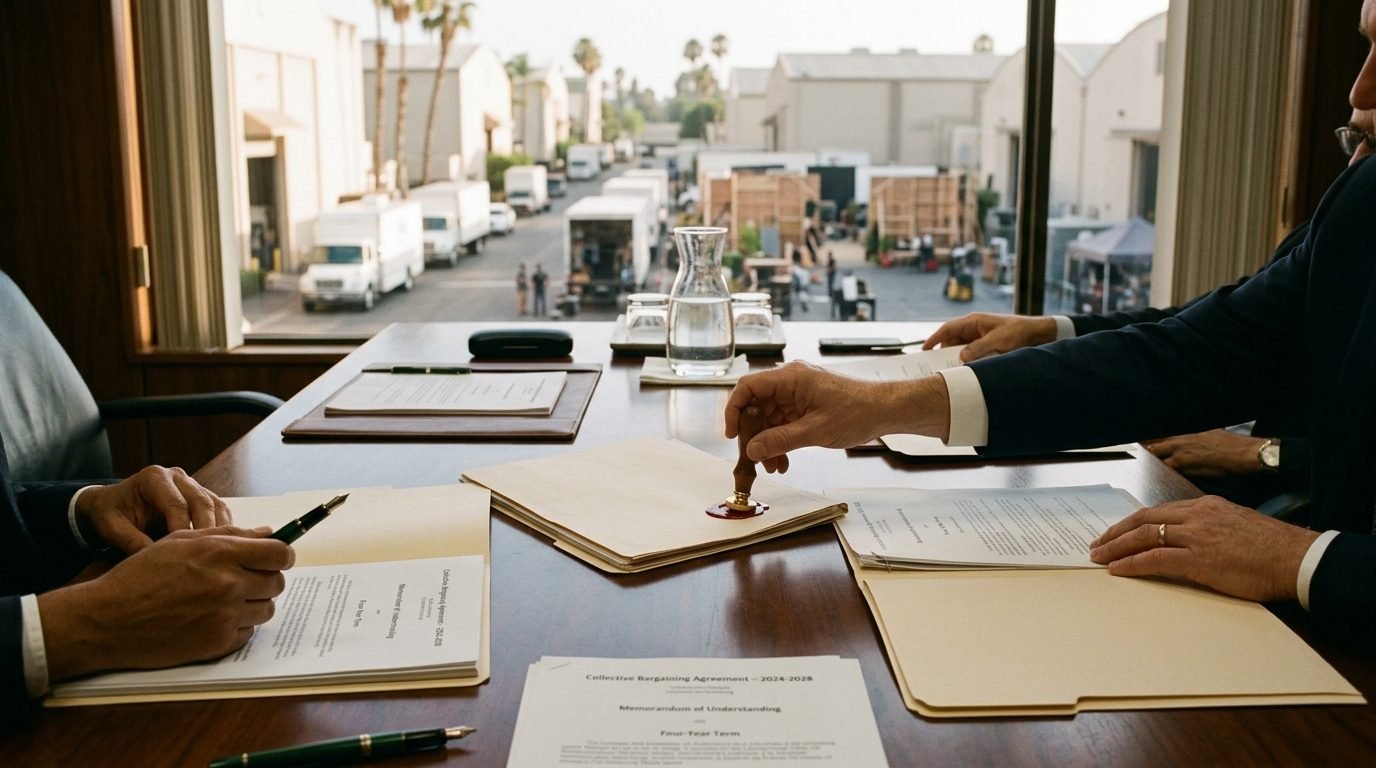
The Directors Guild of America has reached a tentative four-year agreement with the Alliance of Motion Picture and Television Producers, the trade body representing the major studios and streaming platforms, in a settlement that arrived barely four weeks after formal negotiations opened. The pact is the first concluded under the guild's new president, filmmaker Christopher Nolan, who took the role in September and inherited a membership wary after years of upheaval across the wider industry.
Coming on the heels of comparable multi-year deals ratified in recent weeks by the unions representing writers and performers, the directors' agreement substantially raises the odds of an extended stretch of labour peace in Hollywood. For studios juggling the costs of consolidation and a still-shifting streaming economy, the prospect of several years free of strike risk is no small prize.
What the directors secured
The guild negotiated a 2.5 per cent wage increase in the first year of the contract followed by three per cent in each of the subsequent three years, alongside improvements to residual payments. The DGA has framed the deal as protecting jobs and shoring up its benefits structure rather than chasing headline-grabbing gains, a posture that reflects the cautious mood among members.
Among the standout provisions, according to people familiar with the talks, are a set of guardrails around generative artificial intelligence, a commitment from producers to lobby jointly for a federal production tax incentive, and what the guild describes as the largest single employer contribution increase to its health plan in its history.
- A four-year term, longer than the industry-standard three, mirroring the writers' and actors' contracts
- Wage gains of 2.5 per cent in year one and three per cent annually thereafter
- New protections governing the use of generative AI in directing and related work
- A producer commitment to back a federal tax incentive for domestic production
- A record employer contribution to the DGA health plan
A negotiation defined by restraint
The DGA has historically prided itself on settling early and avoiding the brinkmanship that has marked other guild talks. This round was no exception. The brisk four-week timeline suggests both sides entered with overlapping priorities, chiefly a desire to lock in stability after the disruption of recent years and to avoid another production shutdown that would ripple through an already cost-conscious sector.
Notably, the guild has declined to disclose the full terms publicly. It says the specifics will be withheld until the union's national board has completed its review, after which the agreement will be put to members for ratification. That sequencing is standard practice for the DGA, which tends to release detail only once internal approvals are in motion.
The AI question looms largest
Of all the elements in the new contract, the AI provisions are likely to draw the closest scrutiny. Directors, like writers and performers before them, have pressed for assurances that creative authorship cannot be quietly handed to algorithms, and that human decision-making remains central to the craft. While the precise language has not been published, the guild's emphasis on AI protections signals that the issue has become a permanent fixture of entertainment labour negotiations rather than a one-off concern.
For the studios, agreeing to such terms is a balancing act. Many are simultaneously investing heavily in AI tools to trim production budgets, even as they reassure creative talent that those tools will not displace them. The directors' deal offers an early template for how that tension may be managed contractually across the rest of the decade.
Outlook
If ratified, the agreement would complete a trio of long-term settlements that together buy Hollywood an unusual period of predictability. That matters at a moment when the business is absorbing major mergers, recalibrating streaming spend and contending with softer theatrical demand in several markets. Stable labour costs give studios and platforms a firmer base from which to plan slates and budgets.
Much still hinges on the ratification vote, and members will want to examine the AI and health-plan language closely before signing off. But with Nolan having steered his first negotiation to a swift conclusion, and with the writers and actors already on side, the direction of travel is clear: after years of turbulence, the people who make Hollywood's films and series appear set for a comparatively quiet few years ahead.
The NE Times View
After years of strikes and brinkmanship, Hollywood is buying labour peace, and a clean four-year deal under Nolan's stewardship signals maturity on both sides. For India's globe-spanning film economy, that stability matters: cross-border co-productions and streaming pipelines depend on a predictable American partner. The harder question is whether such calm extends to the AI and residual fights that derailed earlier negotiations, or merely defers them.
This article is original commentary and analysis by The NE Times. Background facts were referenced from Variety and The Hollywood Reporter.
You may also like to read
Directors Guild Strikes Four-Year Deal With Studios, Sidestepping a Summer Standoff
The DGA has reached a tentative four-year agreement with the major studios, completing the round of post-strike labour talks and prioritising a battered health fund alongside fresh AI safeguards.
Mollywood Times OTT Release Streams in Four Dubbed Languages
The Malayalam film Mollywood Times premieres on streaming with Telugu, Tamil, Kannada and Hindi dubs from day one, signalling how OTT platforms are widening the national reach of Kerala's cinema.
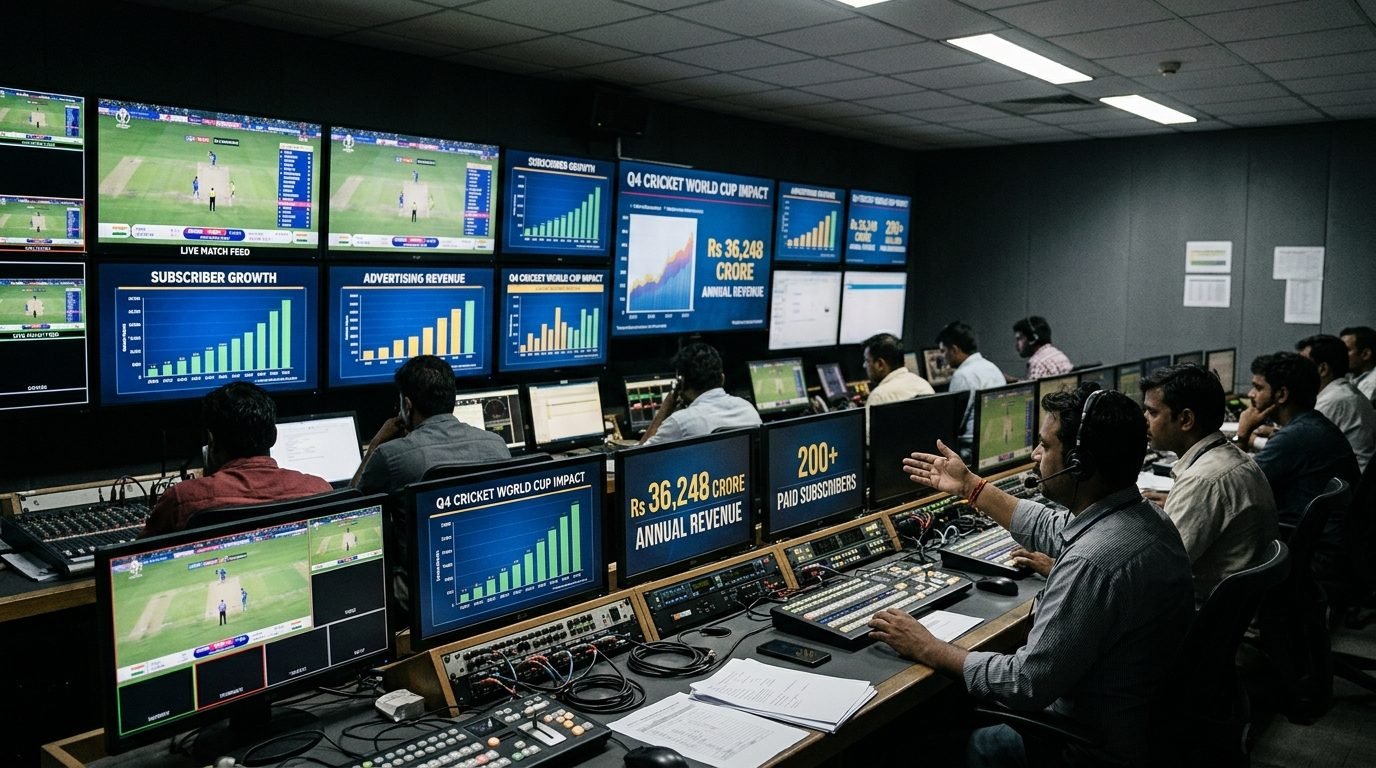
JioStar Posts Rs 36,248 Crore Year as Sports and Ads Power Streaming Surge
The Reliance-Disney venture crossed 200 million paid subscribers and 500 million monthly users, with a T20 World Cup-led quarter cementing its scale.
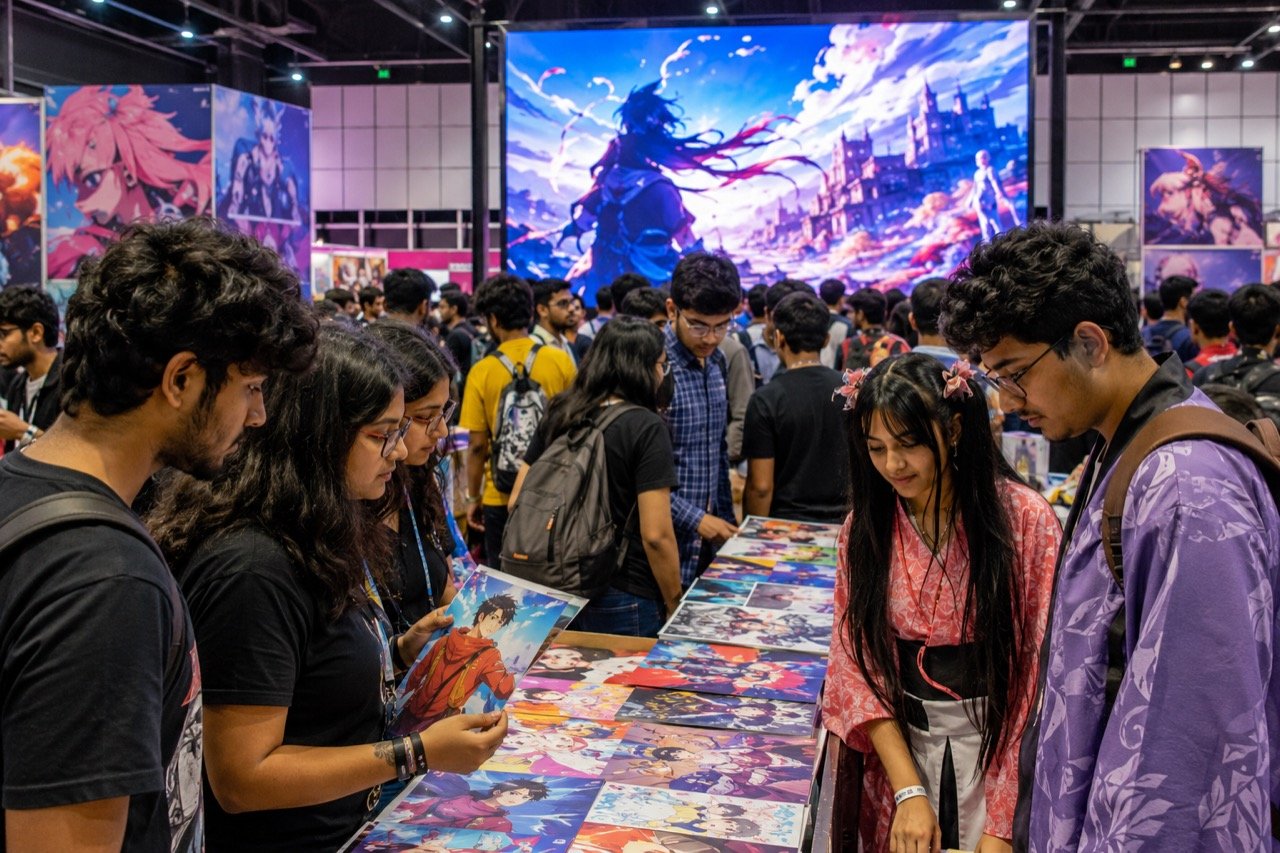
Anime in India: How Fandom Went Mainstream, Says Comic Con Founder
Streaming access, regional dubbing and convention culture have turned anime from an internet subculture into mainstream Indian entertainment, with India now cited as the world's second-largest anime consumer market.
More from this section
More
72nd National Film Awards: Fans Back Mammootty, Allu Arjun, Sai Pallavi
Speculation around the 72nd National Film Awards is intensifying as fan communities across India's language film industries champion favourites including Mammootty, Allu Arjun and Sai Pallavi ahead of any official announcement.
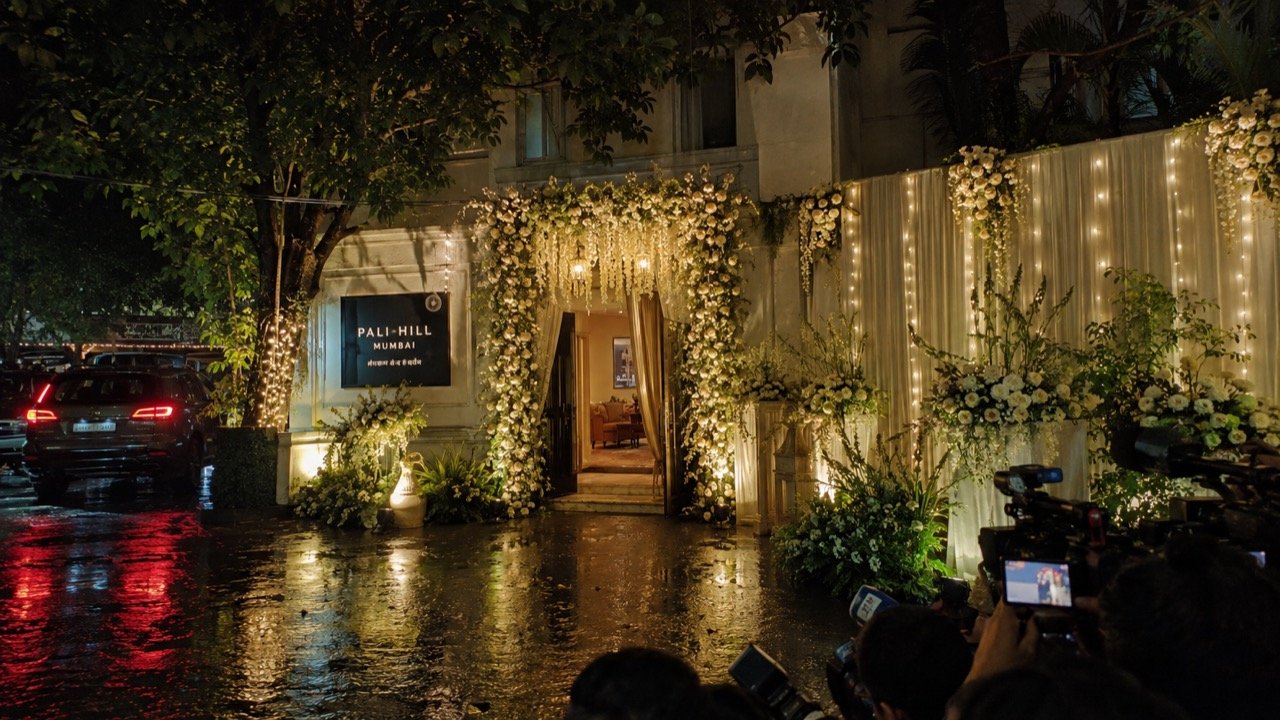
Aamir Khan Marries Gauri Spratt in Private Pali Hill Ceremony
Aamir Khan and Gauri Spratt tied the knot at the actor's Pali Hill home in Mumbai on July 5, turning a deliberately small family ceremony into Bollywood's biggest story of the day.
Akanksha Chamola's Lock Upp 2 Confession Sets Reality TV Abuzz
A personal revelation by Akanksha Chamola ahead of Lock Upp 2 has handed the reality show a viral talking point, underlining how confession-driven formats continue to dominate Indian television conversation.