Directors Guild Strikes Four-Year Deal With Studios, Sidestepping a Summer Standoff
The DGA has reached a tentative four-year agreement with the major studios, completing the round of post-strike labour talks and prioritising a battered health fund alongside fresh AI safeguards.
Commentary & Analysis ·
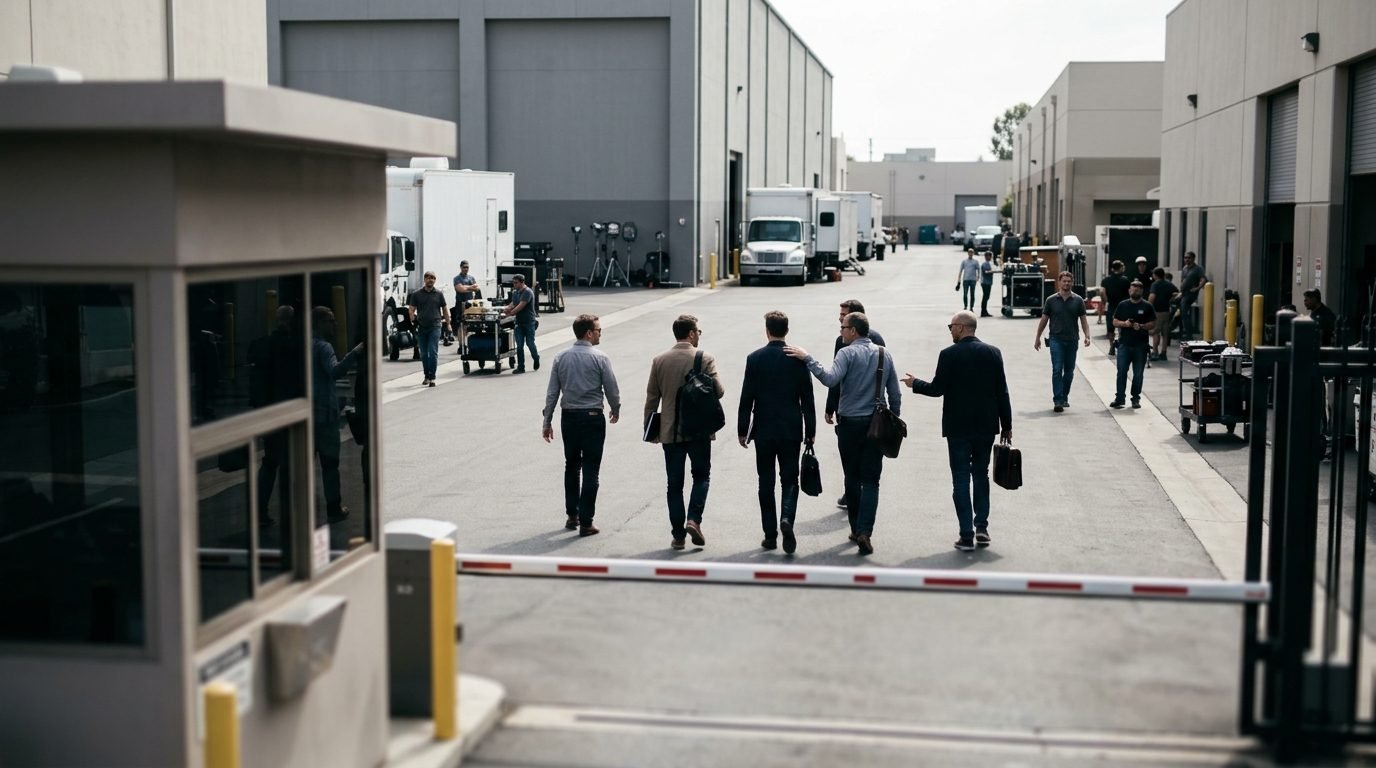
Hollywood has avoided another summer of brinkmanship. The Directors Guild of America announced a tentative four-year contract with the major studios this week, closing out the 2026 round of labour negotiations with none of the drama that defined the industry's recent past. Talks opened on 11 May, well ahead of a previous agreement set to expire at the end of June, and concluded without the public sparring that has so often preceded entertainment-industry deals.
For a town still nursing the scars of the 2023 work stoppages, the quiet was the point. The directors' deal completes a matching set of four-year terms alongside those already reached by the writers and the screen actors, establishing a rare stretch of contractual stability across the three guilds whose disputes can grind production to a halt.
Terms held close
Specifics remain under wraps for now. The guild said the terms of the agreement will not be released publicly until its national board has completed a review, meaning the precise figures on wage increases and streaming residual adjustments stay confidential pending board approval and a vote of the membership. That sequencing is standard, but it leaves observers to read the deal's priorities through the issues the union signalled going in.
Chief among them was the guild's health fund, which has been under acute strain, reportedly losing $38.8 million in 2024 after a $4.6 million shortfall the year before. Bolstering it was a central negotiating aim, and the agreement is understood to include increased employer contributions and benefit adjustments, echoing the template set by the writers' settlement earlier in the spring.
Artificial intelligence, again
As with every recent entertainment negotiation, artificial intelligence loomed over the table. The directors sought expanded safeguards around the technology together with measures intended to protect and expand work opportunities for members, concerns that have become a through-line across the unions as generative tools edge further into production workflows. The exact contours of those protections will only become clear once the full terms are published.
“Terms of the agreement will not be released publicly until the National Board has completed its review.”
Why the calm matters
- A four-year horizon gives studios and streamers predictable production planning through the end of the decade.
- Matching terms across directors, writers and actors reduce the risk of one guild's grievance triggering a wider shutdown.
- Shoring up the health fund addresses a structural problem that affects members regardless of seniority.
- AI provisions, once detailed, will set a reference point for how creative work is protected as the technology spreads.
The studio side struck a conciliatory note. The producers' alliance expressed satisfaction with the outcome, framing it as a fair deal that helps advance a stable and successful industry, the kind of language designed to reassure investors as much as workers. After the financial damage of the strikes, both sides have an obvious incentive to keep the cameras rolling.
Ratification is not a formality, but the broad shape suggests little appetite for confrontation. Directors, by the nature of their role, are often the people most exposed to the fallout of a halted production, and a negotiated settlement that protects benefits while addressing the AI anxieties shared across the workforce is likely to find a receptive membership.
The real test will come when the full terms surface and the AI language can be parsed in detail, because that is where the next several years of creative labour relations will quietly be decided. For now, though, Hollywood enters its summer with something it has lacked for years: a clear runway and no looming deadline.
The NE Times View
Prioritising a battered health fund and embedding AI safeguards is the quietly significant part of this deal, far more than the four-year peace. Hollywood's labour settlements set precedents that ripple outward, and India's own creative workforce, largely unprotected and unorganised, should take note. The lesson is not the headline calm but the substance: durable protections, especially around AI, are won at the table, not assumed.
This article is original commentary and analysis by The NE Times. Background facts were referenced from Variety and Deadline.
You may also like to read
Directors Guild seals four-year studio pact under Christopher Nolan, cementing Hollywood's labour calm
The DGA's tentative agreement with the major studios and streamers lands four weeks into talks led by new president Christopher Nolan, adding to a run of long-term contracts that point to rare stability across the business.
Mollywood Times OTT Release Streams in Four Dubbed Languages
The Malayalam film Mollywood Times premieres on streaming with Telugu, Tamil, Kannada and Hindi dubs from day one, signalling how OTT platforms are widening the national reach of Kerala's cinema.
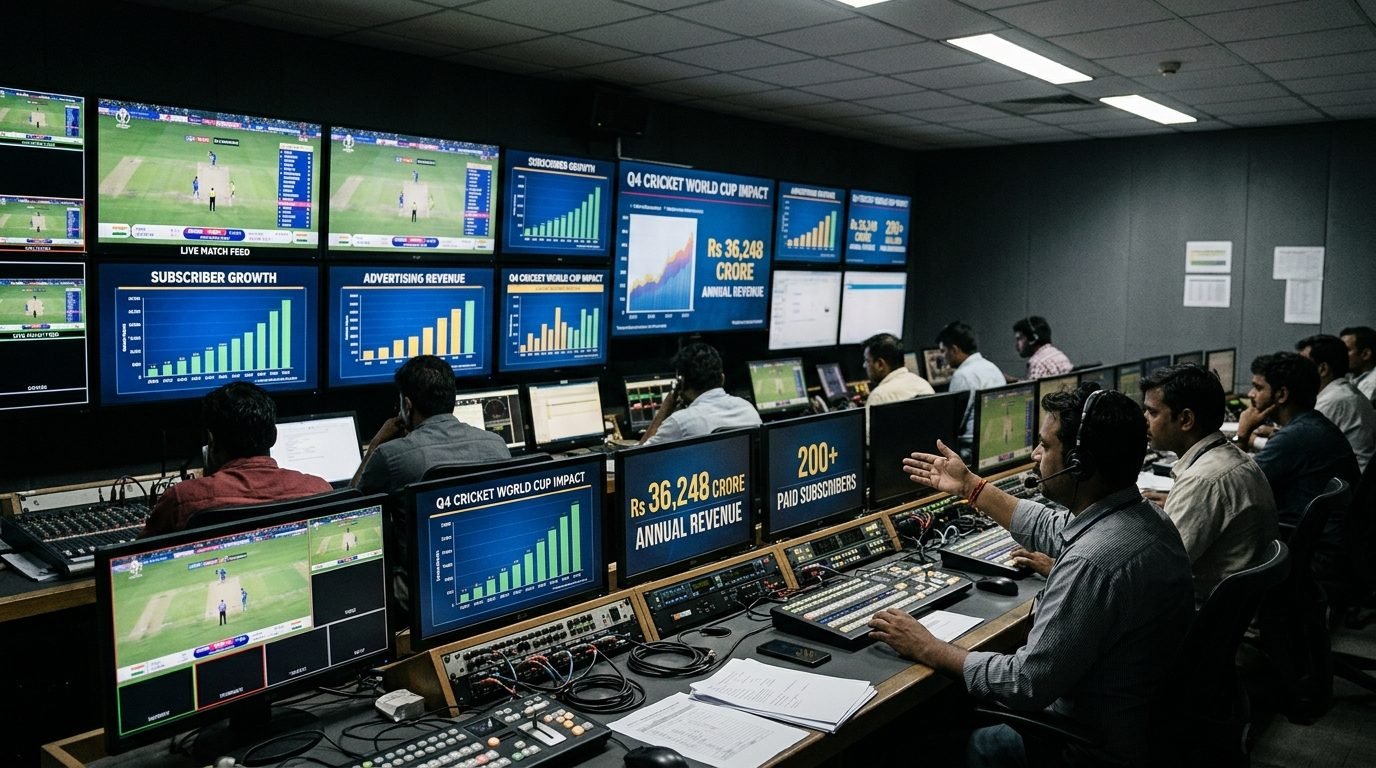
JioStar Posts Rs 36,248 Crore Year as Sports and Ads Power Streaming Surge
The Reliance-Disney venture crossed 200 million paid subscribers and 500 million monthly users, with a T20 World Cup-led quarter cementing its scale.
Spotify-Universal AI Deal Will Let Fans Remix Hits - and It Is Already Splitting the Industry
A landmark licensing pact lets Premium users generate AI covers and remixes of participating artists' songs, with revenue shared - but independent musicians and critics warn of 'AI slop' and an opt-in only the major labels enjoy.
More from this section
More
72nd National Film Awards: Fans Back Mammootty, Allu Arjun, Sai Pallavi
Speculation around the 72nd National Film Awards is intensifying as fan communities across India's language film industries champion favourites including Mammootty, Allu Arjun and Sai Pallavi ahead of any official announcement.
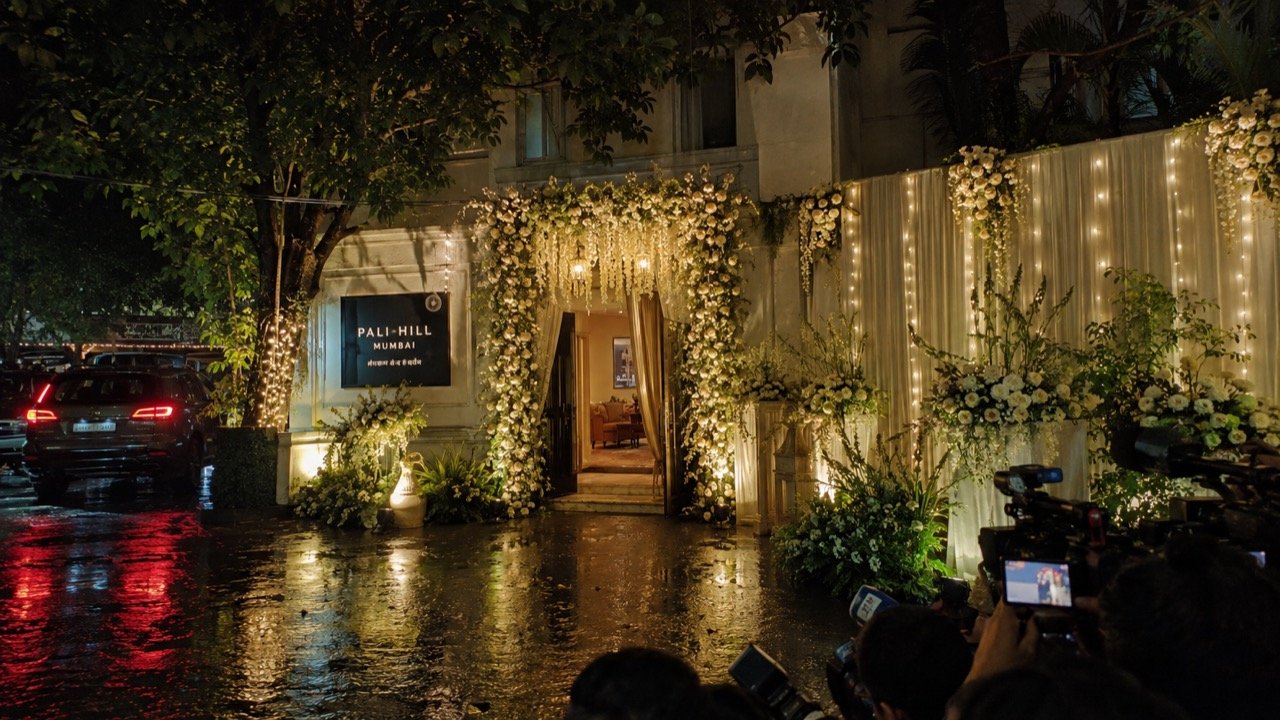
Aamir Khan Marries Gauri Spratt in Private Pali Hill Ceremony
Aamir Khan and Gauri Spratt tied the knot at the actor's Pali Hill home in Mumbai on July 5, turning a deliberately small family ceremony into Bollywood's biggest story of the day.
Akanksha Chamola's Lock Upp 2 Confession Sets Reality TV Abuzz
A personal revelation by Akanksha Chamola ahead of Lock Upp 2 has handed the reality show a viral talking point, underlining how confession-driven formats continue to dominate Indian television conversation.