Sonam Wangchuk Hunger Strike Latest: Day 20 Health Update, Weight Loss and the July 20 Deadline
Sonam Wangchuk enters the twentieth day of his indefinite fast at Jantar Mantar as doctors, courts and supporters focus on his health and the July 20 march
Commentary & Analysis ·
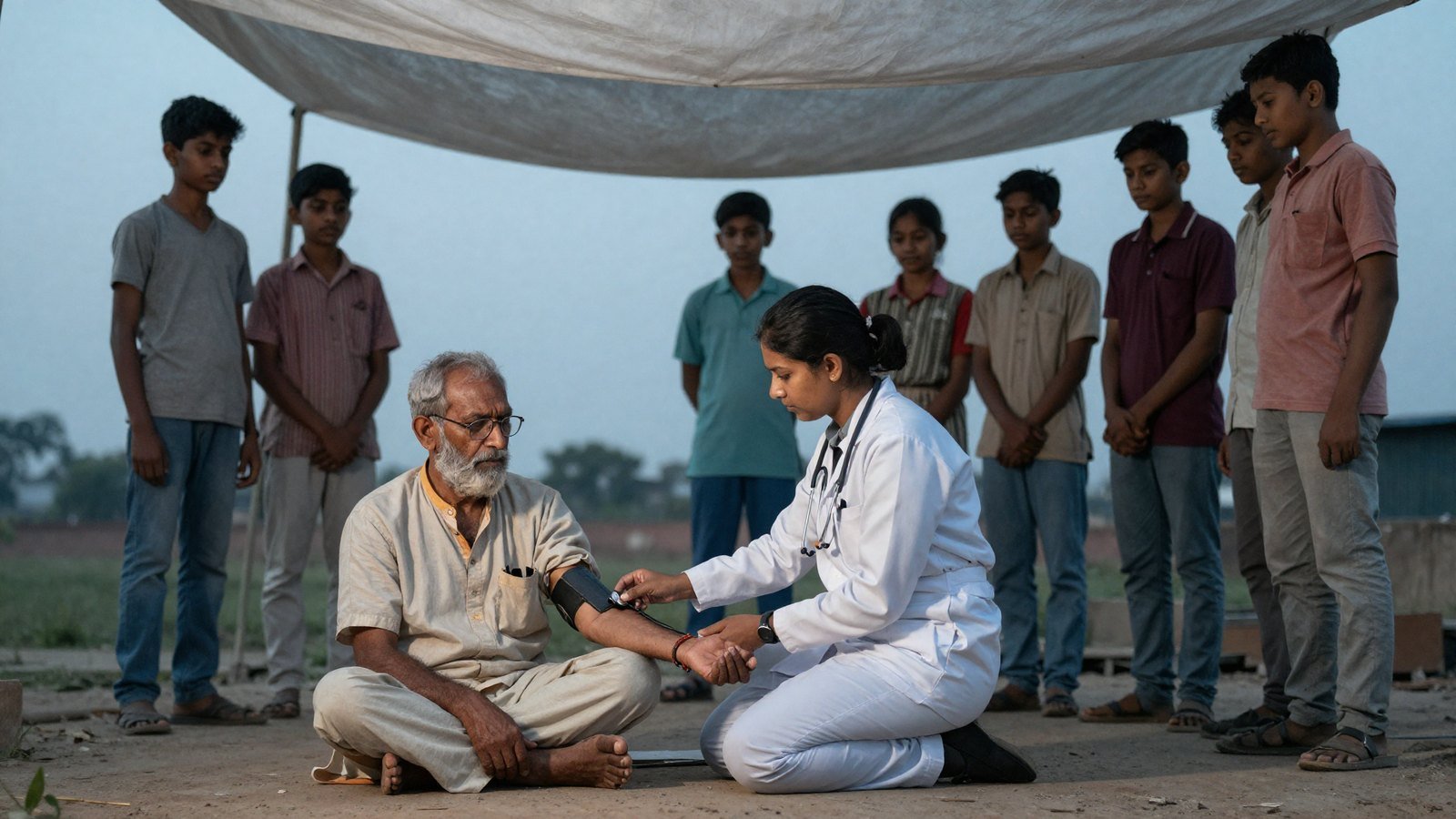
Key facts
- Wangchuk began his indefinite fast at Jantar Mantar on June 28, joining a youth-led protest over examination accountability.
- Reports on July 17 said he had lost roughly nine kilograms and was increasingly weak, while exact medical readings remained subject to official bulletins.
- The Delhi High Court directed daily medical examination and necessary intervention if his condition deteriorates.
- Wangchuk continued to urge supporters to join a proposed peaceful march toward Parliament on July 20.
Why the latest update is drawing exceptional search interest
The latest phase of Sonam Wangchuk’s hunger strike has moved beyond a routine protest update because three timelines are now converging. His fast has reached a medically serious duration, the Delhi High Court has intervened to require daily monitoring, and the protest movement is preparing for a Parliament march on July 20. That combination explains why searches for his health, weight loss and current condition have accelerated. Readers are not only asking whether he is still fasting; they are also trying to understand whether authorities may hospitalise him, whether the march will proceed and whether the government will open talks before the situation becomes more dangerous.
What is known about his condition
Public reports describe substantial weight loss, weakness and difficulty speaking for long periods. Those signs are concerning, but responsible coverage must distinguish eyewitness descriptions from clinical diagnoses. Weight alone does not show the full level of risk. Doctors typically look at blood pressure, pulse, hydration, kidney function, blood glucose, ketones, electrolytes and changes in alertness. The court’s direction for daily checks is therefore important because a person can appear conscious while developing complications that require urgent treatment. Any article published after this research cut-off should replace reported figures with the newest verified medical bulletin rather than repeating an older estimate as current fact.
Why Wangchuk says he will continue
Wangchuk has framed the fast as a way to force sustained attention on students who, in the protesters’ view, have been failed by repeated examination controversies and weak accountability. He has argued that ordinary demonstrations often receive brief coverage and then disappear, while a hunger strike creates a moral question that institutions cannot easily ignore. Supporters see that persistence as sacrifice. Critics worry that the physical danger can overwhelm the policy discussion. Both reactions can be true at the same time: the fast has amplified the issue, but every additional day increases the chance that the health emergency becomes the only story people remember.
The July 20 deadline changes the political calculation
The proposed march is timed to coincide with the opening of Parliament’s Monsoon Session, giving the movement a clear national focal point. A large turnout would show that the campaign has expanded beyond social-media attention. A restricted or poorly attended march could allow opponents to argue that online interest did not translate into organisation. Authorities must also decide how to balance public order, security around Parliament and the right to peaceful assembly. Until permissions, route arrangements and crowd-control plans are confirmed, publishers should avoid presenting operational details as final. The most reliable framing is that organisers have called for a peaceful march and are seeking wider participation from students and parents.
What the court order does and does not mean
The Delhi High Court’s intervention does not automatically end the hunger strike. It requires regular medical assessment and timely action if doctors find that intervention is necessary. That creates a protective framework without resolving the deeper conflict over bodily autonomy, protest rights and the state’s duty to preserve life. The order also places greater pressure on officials to document decisions carefully. If Wangchuk’s condition worsens, authorities will need to show that medical advice was obtained and acted upon. If he remains at the site, they will need to explain why continued monitoring is adequate. The legal process therefore becomes part of the daily news cycle.
The central question now
The decisive question is whether dialogue begins before the protest reaches a point of irreversible harm. A meeting would not require the government to accept every demand. It could establish a formal channel, identify negotiable issues and create a face-saving way for the fast to end. Without engagement, each side becomes more invested in its public position. Wangchuk risks being seen only through his physical decline, while the government risks appearing indifferent to a nationally recognised educator. The next verified health report, any official invitation for talks and the final arrangements for July 20 are the three developments most likely to reshape this story.
What readers and publishers should monitor
Readers following this angle should track new medical bulletins, any government offer of talks, the Delhi High Court’s next hearing, confirmed permissions for the July 20 march, and changes to the protest’s stated demands. Because this is a fast-moving protest, every figure and procedural claim should carry a date. Health information should come from doctors or court records; protest logistics should come from organisers and police; legal conclusions should be tied to the actual order; and allegations about examination wrongdoing should remain attributed until established by investigation or judgment. The primary keyword should appear naturally in the headline, introduction, one subheading, image alt text and conclusion. Secondary terms should be used only where they answer a genuine reader question. Repeating a phrase mechanically can reduce readability and search quality. The strongest publication strategy is to update the article rather than create a misleading new headline for every minor development. Add a timestamp, preserve the earlier context, explain what has changed and correct outdated numbers visibly. That approach serves readers, protects credibility and prevents the hunger strike from being reduced to a stream of disconnected viral claims.
Sources
- India Today, July 17, 2026, report on medical warnings and High Court monitoring.
- The Guardian, July 17, 2026, report from the Jantar Mantar protest site.
- Hindustan Times, July 17, 2026, report on Day 20 and the Parliament march appeal.
- Delhi High Court coverage by PTI and major Indian outlets, July 16-17, 2026.
This article is original news analysis and commentary by The NE Times, based on reporting from the sources listed above.
You may also like to read

Medical Risks of a 20-Day Hunger Strike: What Doctors Monitor and Why Refeeding Is Also Dangerous
A medically cautious guide to what doctors monitor during a prolonged hunger strike, why risk varies and why restarting food requires careful supervision

Sonam Wangchuk Recovery After 26 Days of Fasting: Refeeding, Monitoring and the Road Ahead
Breaking a prolonged fast begins a medically sensitive recovery phase in which gradual nutrition and clinical monitoring can matter as much as the
Sonam Wangchuk Ends 26-Day Hunger Strike: The Agreement, the Timing and What Changed
Sonam Wangchuk ended his 26-day fast at a Gurugram hospital after negotiations and assurances from the Union government, but the student movement did
What Happens Next in Sonam Wangchuk’s Hunger Strike? Five Scenarios After the July 20 Mobilisation
The next phase could involve talks, hospitalisation, a mass Parliament march or prolonged stalemate. Each scenario carries different risks for Wangchuk, CJP and the government
More from this section
More
Forced Hospitalisation of a Hunger Striker: What Happened and What Indian Law Tries to Balance
Wangchuk's transfer to hospital placed autonomy, medical necessity, public order and state responsibility in direct tension

Serum Institute and Gates MRI Agree to Manufacture the M72 Tuberculosis Vaccine Candidate Pending Phase 3 Success
The Serum Institute–Gates MRI agreement is unusual enough to require careful explanation.

Weight-Loss Drugs May Slow the Spread of Some Cancers, Early Data Suggests
Real-world data presented at a major oncology meeting hints that GLP-1 medicines, already widely used for diabetes and obesity, may reduce the odds of certain cancers advancing.