Sikkim Electoral Roll Revision Flags 20,000 Voters for Possible Deletion, Putting Due Process to the Test
Sikkim's Special Intensive Revision of electoral rolls has placed about 20,000 names under scrutiny for possible deletion, raising questions about accuracy, transparency and the rights of eligible voters.
Commentary & Analysis ·

Sikkim's Special Intensive Revision of electoral rolls has placed about 20,000 names under scrutiny for possible deletion, turning a routine-sounding administrative exercise into one of the small Himalayan state's most closely watched public stories this week. The revision is meant to clean and update the voter list, but the figure has focused attention on a familiar tension: keeping rolls accurate without disenfranchising eligible citizens.
Where the revision stands
Chief Electoral Officer Raj Yadav said the revision was moving on schedule, with nearly all enumeration forms distributed and more than 84 percent of electorate records already digitised. The pace, officials indicated, suggests the exercise is on track to meet its timeline without major operational delays.
According to authorities, the process is designed to identify duplicate, shifted, deceased or otherwise ineligible entries, while giving voters an opportunity to respond before any name is finally removed. That built-in window for objections and corrections is intended to act as a safeguard against erroneous deletions.
Why voter rolls matter
Electoral rolls are the foundation of the franchise. They determine who can cast a ballot, shape booth-level preparedness and influence public confidence ahead of future elections. An accurate roll reduces the scope for impersonation and double voting, and helps election machinery plan polling logistics with precision.
But the same exercise carries real risk. If the process sweeps up eligible citizens because of migration, gaps in documentation or simple local errors, it can quietly strip people of their right to vote. In a small state like Sikkim, where electorates are tight-knit and numbers comparatively modest, the impact of even a few thousand wrongful deletions can be significant.
The test of due process
For Sikkim's voters, the central question is due process. The coming phase will test how clearly authorities communicate notices, hearings, corrections and appeal options to ordinary citizens, particularly those in remote areas or with limited access to documentation.
- Clear, well-publicised notices to every voter flagged for possible deletion.
- Accessible hearings where citizens can present documents and clarify status.
- A straightforward correction mechanism for errors in the rolls.
- Transparent appeal options before any final deletion is confirmed.
- Protection for voters affected by migration or documentation gaps.
“Roll cleanup can improve accuracy, but it must protect eligible citizens from being removed for migration, documentation gaps or local errors.”
— Electoral process observer
Ultimately, the story is not only about a number. It is about how a small Himalayan state manages the balance between election integrity, voter inclusion and administrative transparency. How clearly Sikkim's authorities handle the next phase of notices, hearings and appeals will determine whether the 20,000 figure becomes a marker of a cleaner roll or a cautionary tale about due process.
The NE Times View
A clean roll is the foundation of a credible vote, but in a small state like Sikkim, flagging 20,000 names is consequential and the burden of proof must sit with the administration, not the citizen. The NE Times View: revision is legitimate; opacity is not. The test is whether every flagged voter gets clear notice, a real hearing and an appeal before any deletion, with the criteria published.
This article is original commentary and analysis by The NE Times. Background facts were referenced from NDTV and the Election Commission of India.
You may also like to read
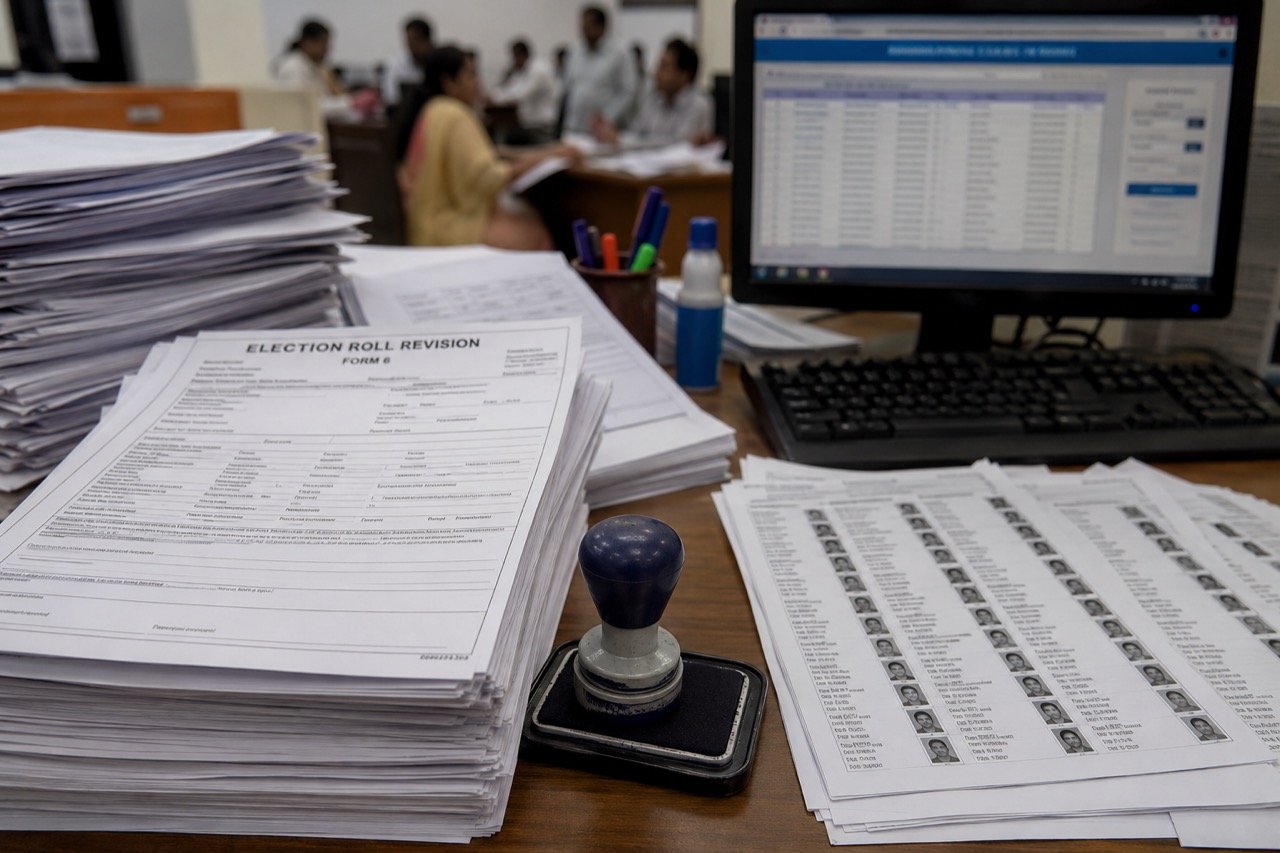
Odisha SIR: 20 Lakh Voter List Deletions Spark Opposition Alarm
Odisha's special intensive revision has placed electoral-roll accuracy under scrutiny after officials reported roughly 20 lakh deletions from the draft voter list and opposition parties raised fears of wrongful exclusion.
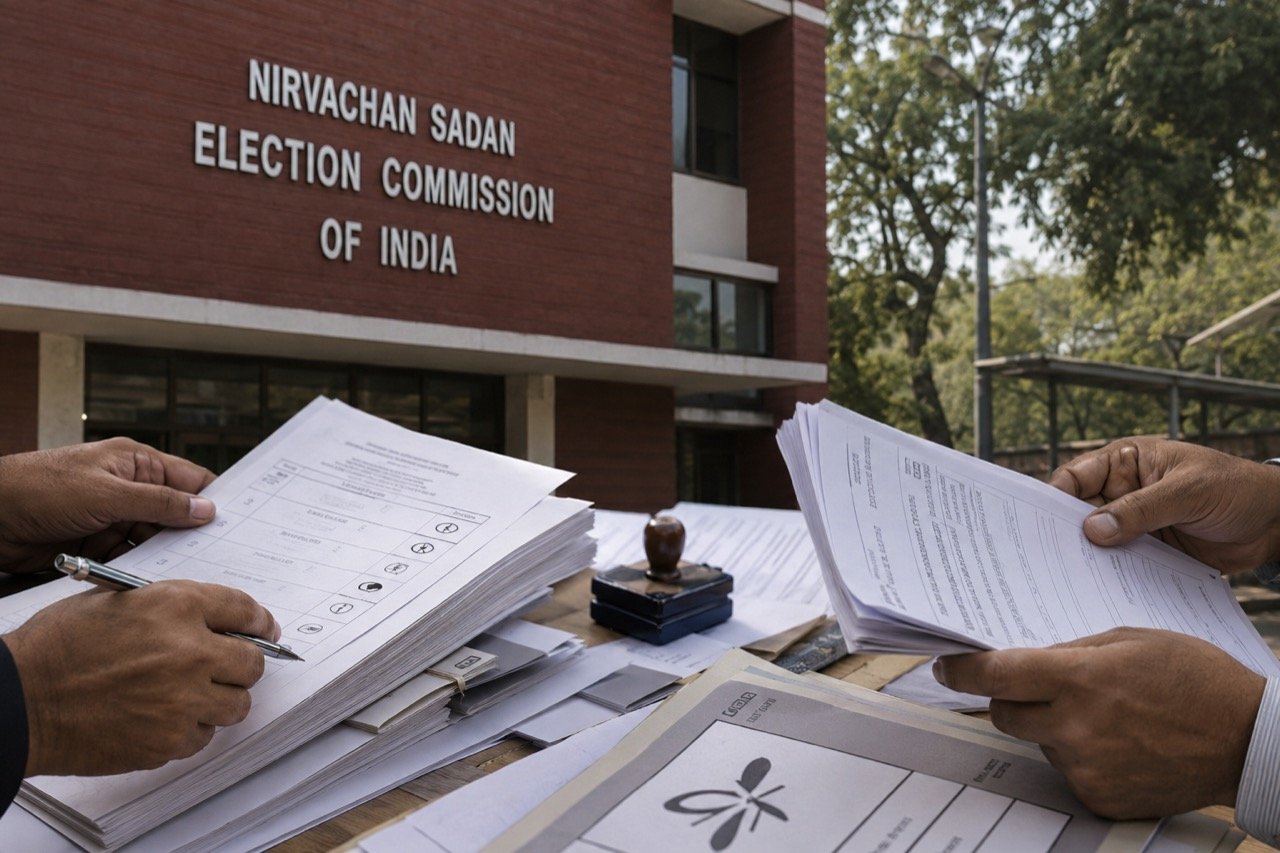
K Kavitha Party Denied TRS Name by Election Commission
The Election Commission has refused to register K Kavitha's Telangana Rakshana Sena under the TRS acronym after objections, forcing a branding reset for the new party at a politically sensitive moment in Telangana.
TMC Bengal Chief Quits Within a Month, Putting Party Under Scrutiny
A close aide of Mamata Banerjee has reportedly stepped down as the Trinamool Congress's Bengal unit chief barely weeks after taking charge, reviving questions about organisational stability inside West Bengal's ruling party.
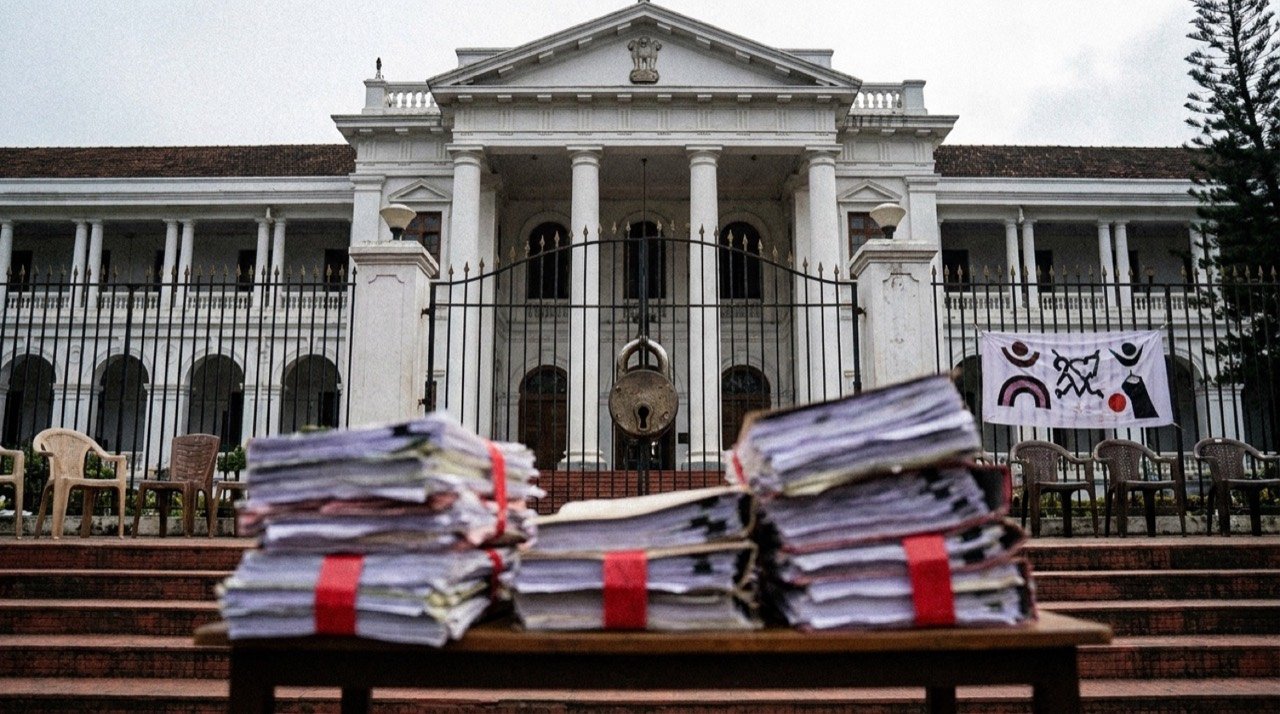
CAG Flags Kerala's Debt Burden at Rs 4.85 Lakh Crore in Fiscal Warning
A CAG report pegs Kerala's total debt at Rs 4.85 lakh crore by March 2025, citing missed fiscal targets and heavy borrowing that sharpen the challenge facing the new state government.
More from this section
MoreK Kavitha Party Denied TRS Name by Election Commission
The Election Commission has refused to register K Kavitha's Telangana Rakshana Sena under the TRS acronym after objections, forcing a branding reset for the new party at a politically sensitive moment in Telangana.
Lalu Prasad Yadav Security Downgrade, Bungalow Order Stir Bihar
A government order downgrading Lalu Prasad Yadav's security cover and asking him to vacate an official bungalow has opened a fresh political flashpoint in Bihar, with the RJD chief's reaction fuelling the row.
Manipur CM's Churachandpur Visit: First Since 2023 Unrest
The Manipur Chief Minister travelled to Churachandpur for a BJP MLA's funeral, his first visit to the district since the 2023 violence, lending the sombre occasion an unmistakable political significance.