CAG Flags Kerala's Debt Burden at Rs 4.85 Lakh Crore in Fiscal Warning
A CAG report pegs Kerala's total debt at Rs 4.85 lakh crore by March 2025, citing missed fiscal targets and heavy borrowing that sharpen the challenge facing the new state government.
Commentary & Analysis ·
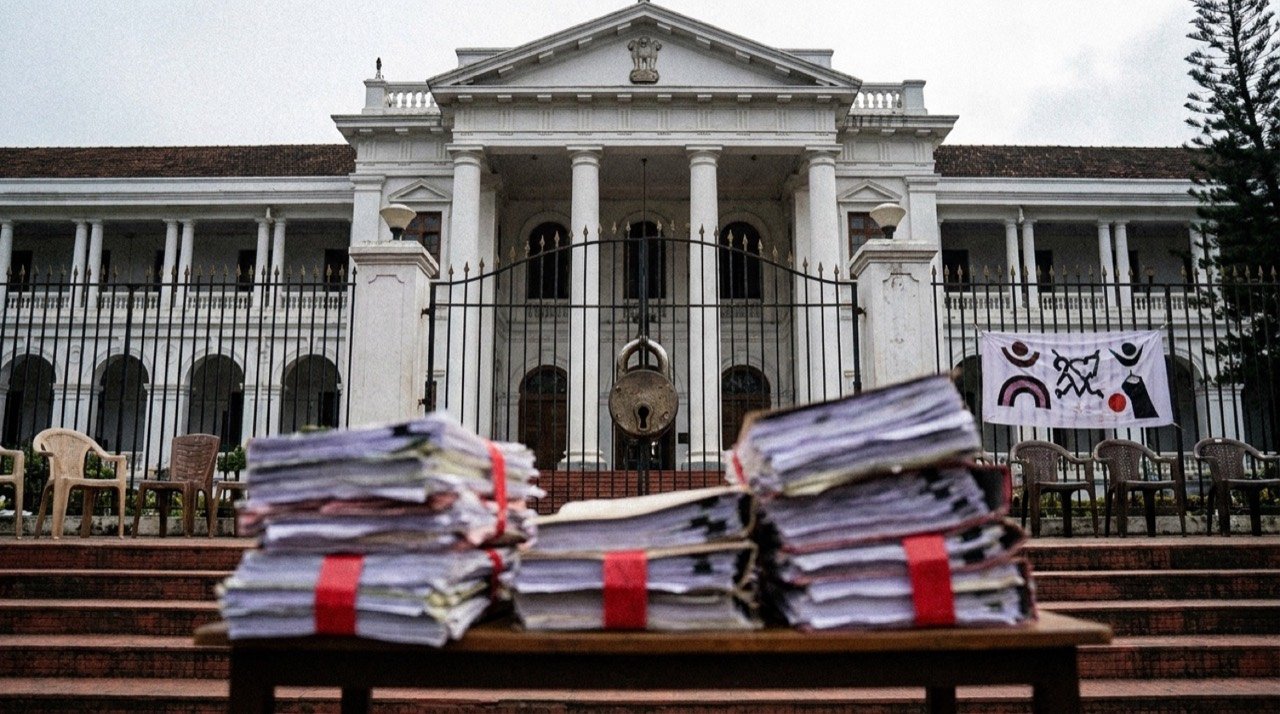
A report by the Comptroller and Auditor General has placed Kerala's total debt at Rs 4.85 lakh crore as of March 2025, sharpening the fiscal challenge confronting the state's new government. The findings point to missed fiscal targets and a heavy reliance on borrowing, putting debt servicing, welfare spending and development outlays at the centre of the policy debate.
What the report found
According to the CAG, Kerala fell short of its fiscal targets and leaned increasingly on borrowing to meet its obligations. As debt accumulates, a growing share of revenue is absorbed by interest payments and repayments, leaving less room for fresh investment. The auditor's assessment frames the debt not as an abstract number but as a constraint on the state's future choices.
The figure of Rs 4.85 lakh crore is significant because it crystallises a trend that economists have flagged for years: high committed expenditure on salaries, pensions and interest can crowd out the capital spending needed to build roads, hospitals and other long-term assets.
Why it matters beyond politics
The finding carries weight that transcends partisan debate. Kerala's development model rests on strong social spending, from health and education to welfare programmes that have given the state some of India's best human development indicators. That model is a point of pride, but it is also expensive to sustain, and rising debt tests its long-term viability.
When committed expenditure climbs, the space for discretionary investment narrows. For a state that prides itself on social outcomes, the squeeze is uncomfortable: maintaining welfare while funding development becomes a balancing act that leaves little margin for error.
The road ahead for the new government
For the administration, the CAG report is both a warning and a to-do list. Restoring fiscal discipline without cutting into the welfare commitments that voters value will require careful sequencing, improved revenue mobilisation and disciplined borrowing. How the government responds will shape its credibility on economic management.
- Kerala's total debt stood at Rs 4.85 lakh crore as of March 2025.
- The CAG flagged missed fiscal targets and heavy reliance on borrowing.
- Rising debt servicing costs squeeze room for development spending.
- Kerala's welfare-heavy model depends on sustained social outlays.
- Balancing welfare, development and debt is the new government's core test.
“High committed expenditure can narrow the room for investment, even in a state whose model depends on strong social spending.”
— CAG report assessment
The coming months will reveal whether Kerala can chart a path that protects its social spending while reining in borrowing. The choices made now, on revenue, expenditure priorities and the pace of new debt, will determine whether the state's celebrated development model can be financed sustainably into the next decade.
The NE Times View
A Rs 4.85 lakh crore debt pile and missed fiscal targets are not abstract numbers; they narrow every future government's room to spend on the welfare model Kerala prizes. The CAG warning lands on a new administration that inherits the bill. The NE Times view is that Kerala's high-human-development path is admirable but unsustainable on borrowing alone, and credible revenue reform now is kinder than forced austerity later.
This article is original commentary and analysis by The NE Times. Background facts were referenced from NDTV and the Comptroller and Auditor General of India.
You may also like to read
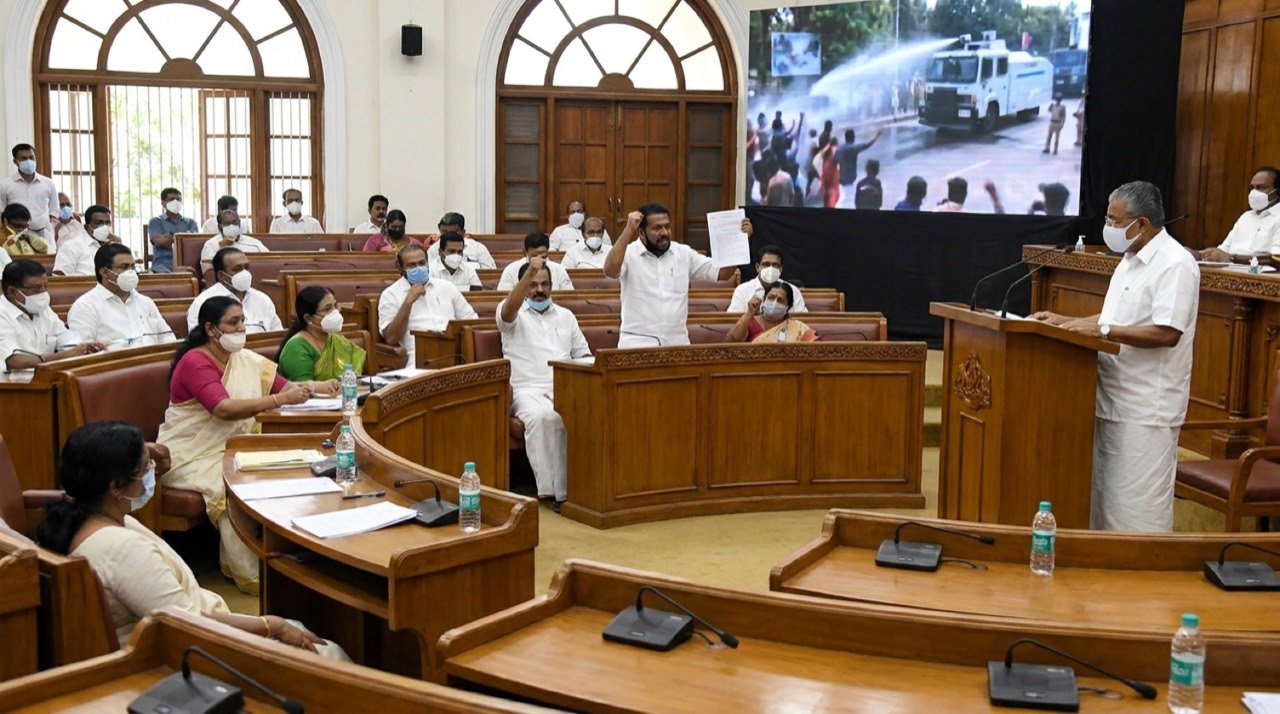
Kerala Water Cannon Row Raises Questions Over Protest Policing and Public Health
A bottle held up inside the Kerala Assembly has turned a student protest into a wider debate over police crowd-control methods, water quality and official accountability.
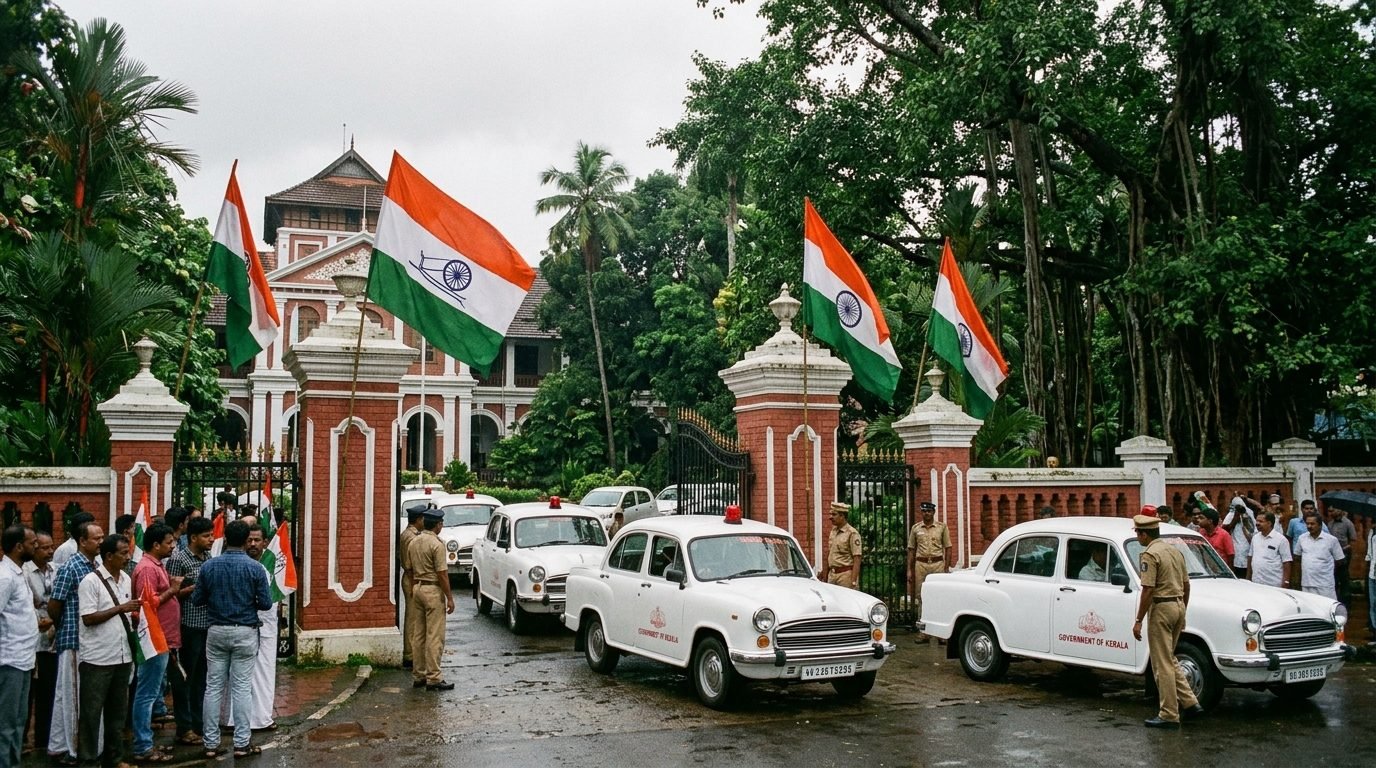
Kerala's UDF Government Under Satheesan Beds In as LDF Reckons With Defeat
V. D. Satheesan's Congress-led UDF ministry, formed after a sweeping win that ended a decade of Left rule, is finding its feet even as the LDF and a sidelined Pinarayi Vijayan weigh their next moves.
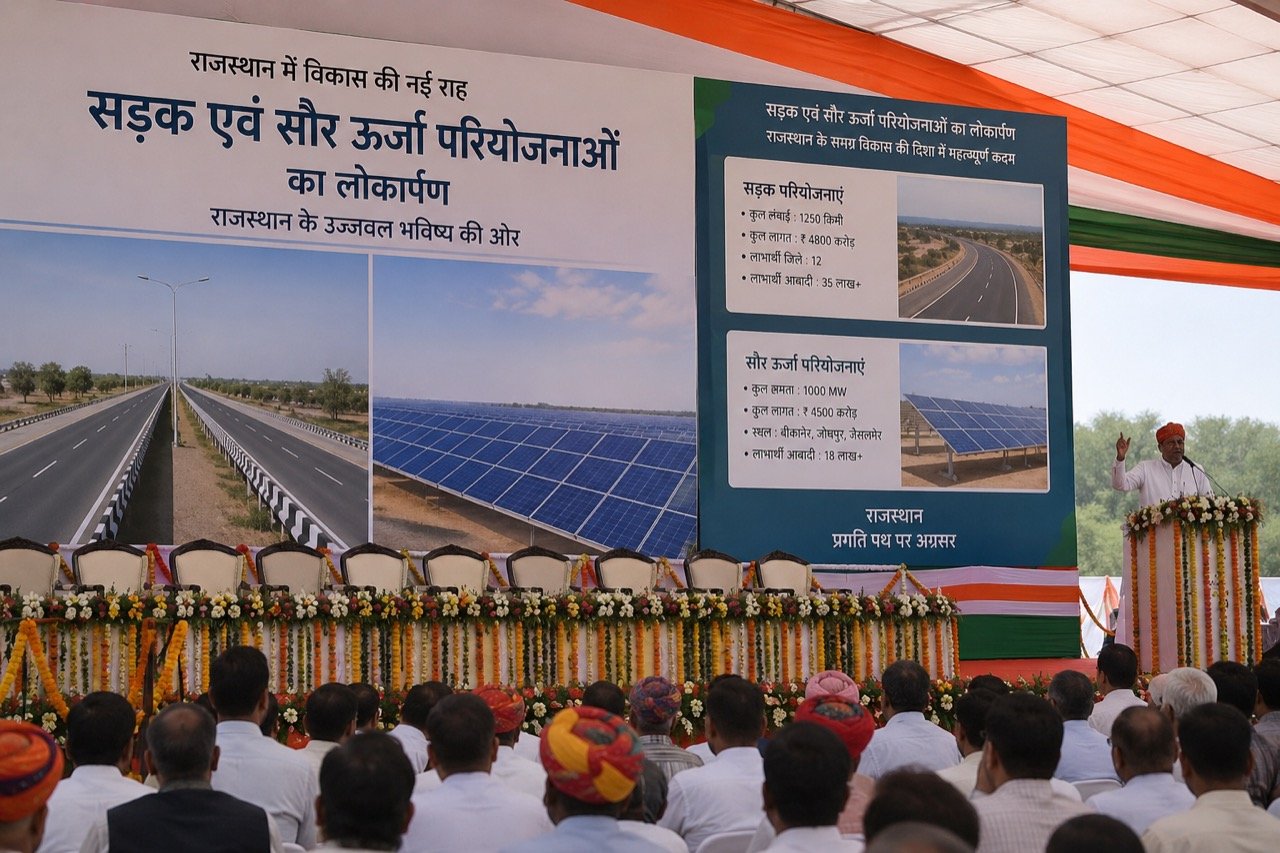
Modi's Balotra Push: Rs 1.06 Lakh Crore Projects and Energy Message
Prime Minister Narendra Modi's visit to Balotra in Rajasthan paired development projects worth around Rs 1.06 lakh crore with remarks crediting India's diplomacy for steering the country through West Asia-linked energy pressures.
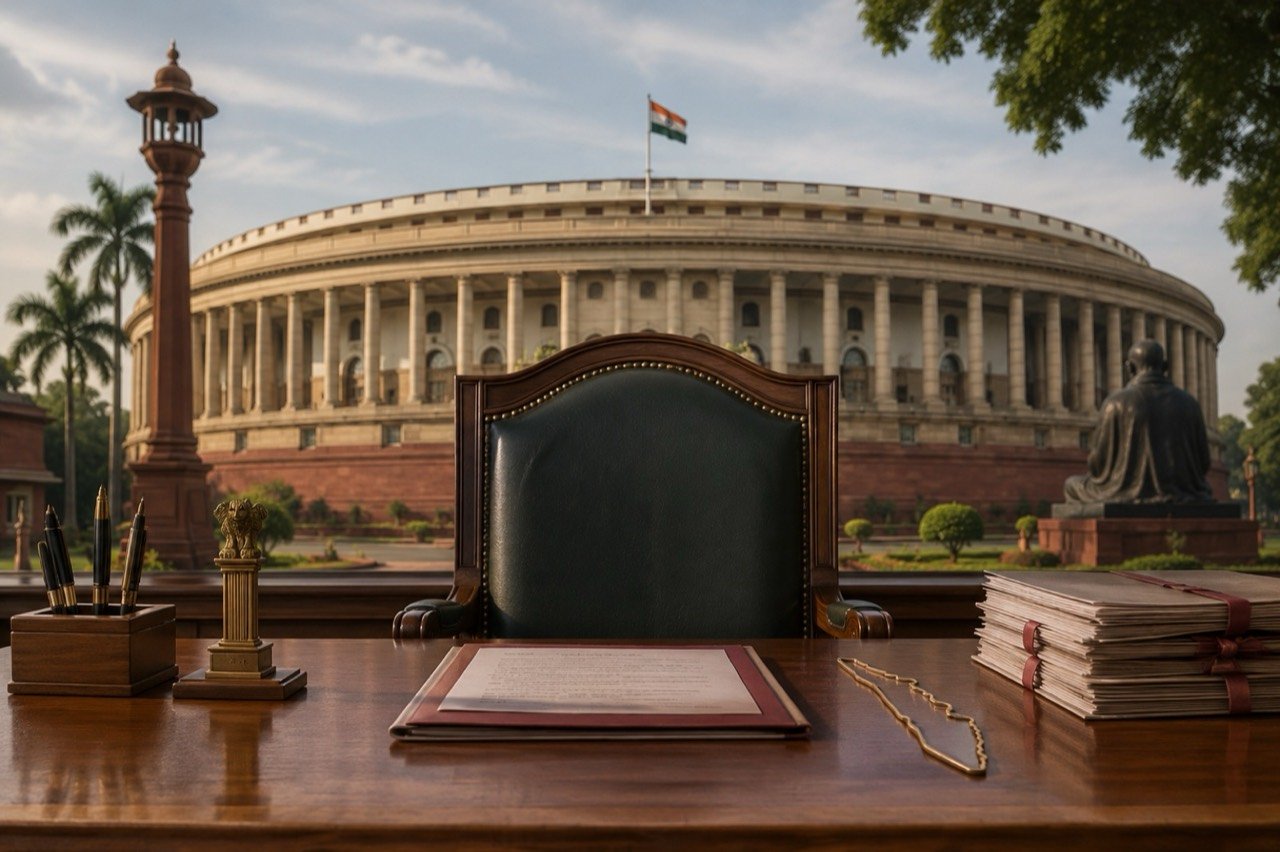
George Kurian Resigns as Minister After Rajya Sabha Term Ends
The exit of one of Kerala BJP's most prominent national faces reopens questions over the party's southern strategy and its Rajya Sabha arithmetic.
More from this section
More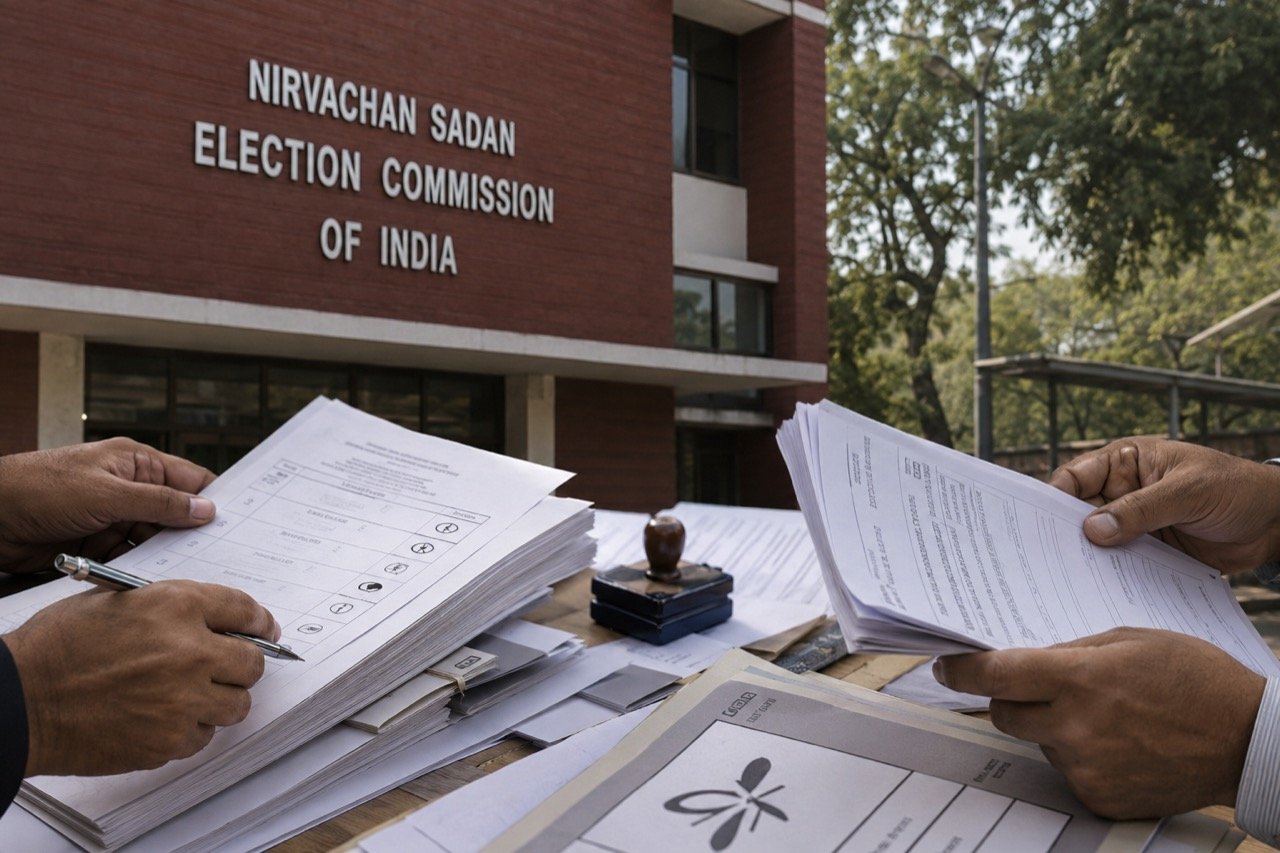
K Kavitha Party Denied TRS Name by Election Commission
The Election Commission has refused to register K Kavitha's Telangana Rakshana Sena under the TRS acronym after objections, forcing a branding reset for the new party at a politically sensitive moment in Telangana.
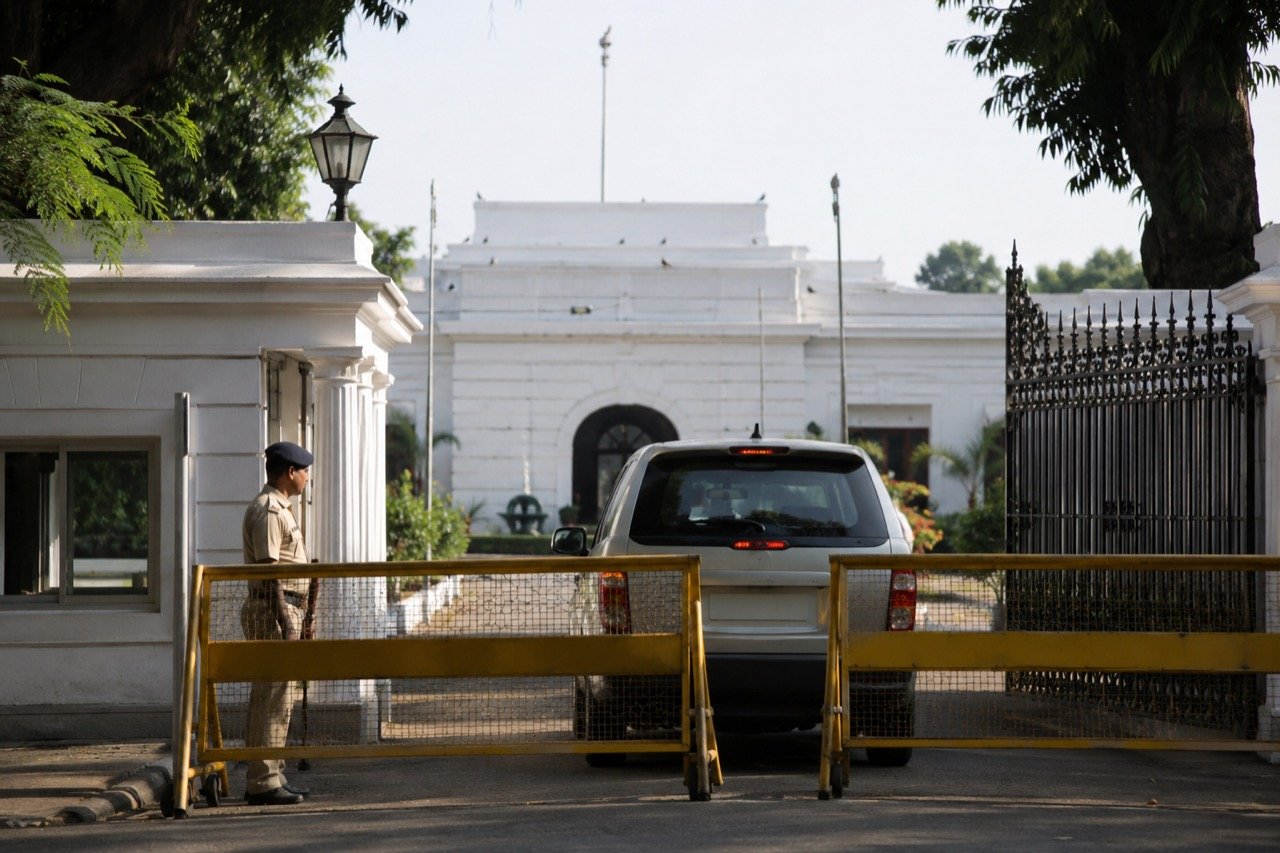
Lalu Prasad Yadav Security Downgrade, Bungalow Order Stir Bihar
A government order downgrading Lalu Prasad Yadav's security cover and asking him to vacate an official bungalow has opened a fresh political flashpoint in Bihar, with the RJD chief's reaction fuelling the row.
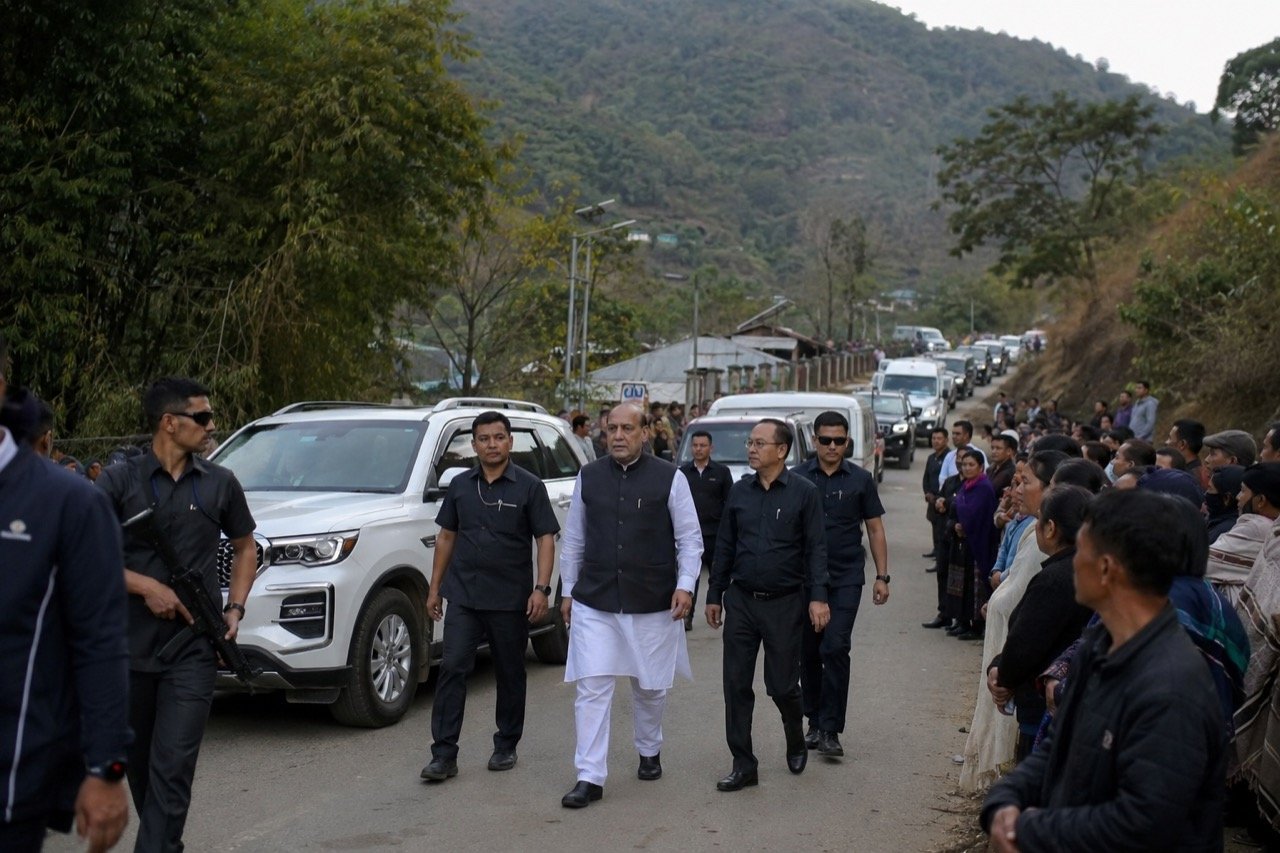
Manipur CM's Churachandpur Visit: First Since 2023 Unrest
The Manipur Chief Minister travelled to Churachandpur for a BJP MLA's funeral, his first visit to the district since the 2023 violence, lending the sombre occasion an unmistakable political significance.