What Reality TV Says About Us Is Not Flattering
India has made conflict and manufactured humiliation its top entertainment choice, and the genre's own warm hits prove that was never the only way to win.
Opinion & Analysis ·
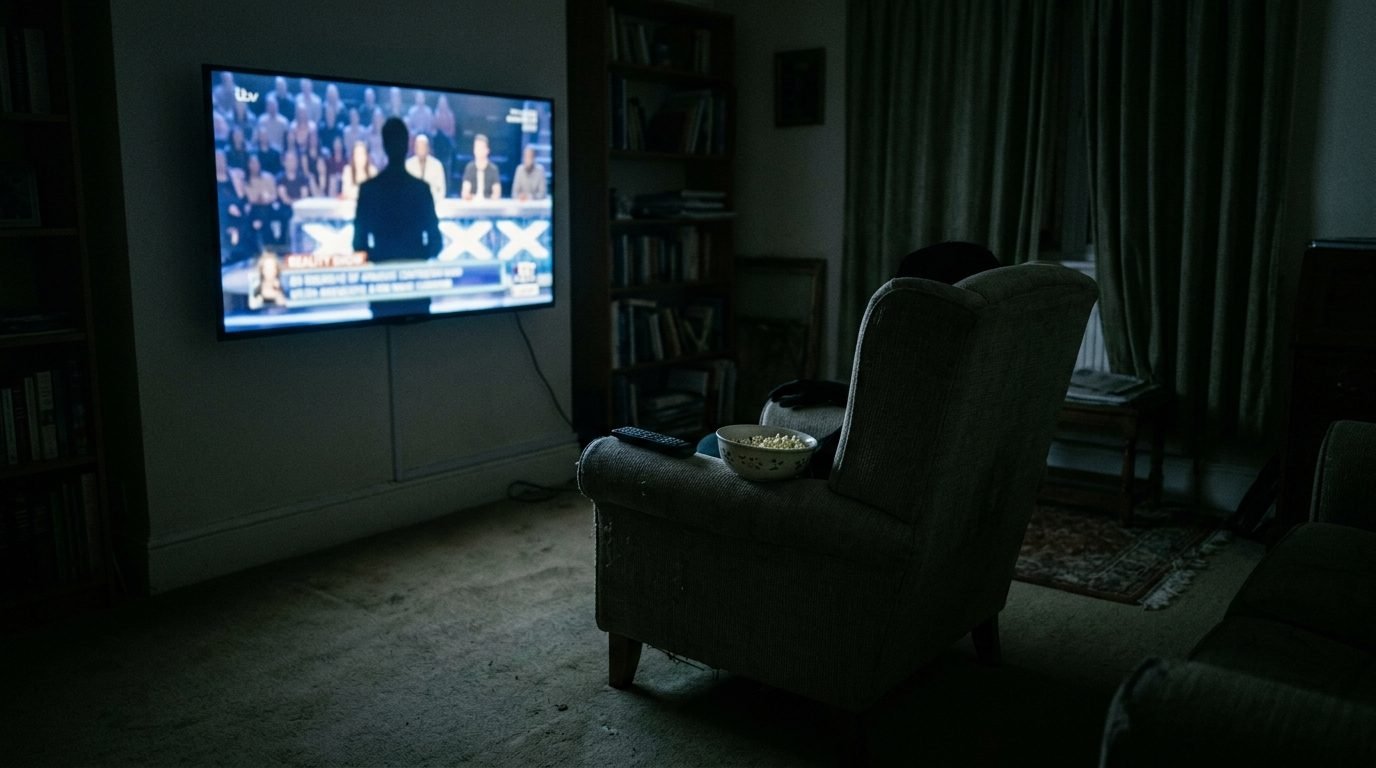
A country reveals itself less in what it says about its television than in what it cannot stop watching, and by that measure the truth about India in 2026 is uncomfortable: we have chosen conflict, humiliation and surveillance as our national entertainment, and we have chosen it not once but across five simultaneous editions of a single format. Reality television is not an aberration on the schedule. It is the schedule. And a genre that dominant is never just a business story. It is a mirror, and what it reflects back deserves more scrutiny than a ratings chart can give it.
The mirror is not flattering
Start with what actually wins. Shows built on the confinement of strangers, the removal of privacy, the deprivation of sleep and clocks. A format organised around a hierarchy explicitly designed to make some competitors fall so others can rise. Celebrities placed in a jail set and required to trade secrets for survival. Contestants rewarded not for skill but for the elegance of their lying to people they share a breakfast table with. These are not incidental features of a few outlier shows; they are the dominant grammar of the genre at its most watched. When a format that big becomes that habitual, it stops being a guilty pleasure and starts being a portrait. We are the audience that made this the water Indian entertainment swims in, and it is worth asking what in us that satisfies.
The instinct to look away from that question is understandable, but the alternative — treating five simultaneous editions of a conflict-driven format as an unremarkable fact of the cultural landscape — is a wilful blindness we ought to be past by now.
Give the genre its due
The strongest case against this argument is that reality television has produced real, unambiguous good, and it deserves to be stated plainly rather than waved away. Shark Tank India made financial literacy watchable and told small-city founders their ambitions were legitimate. Indian Idol and Sa Re Ga Ma Pa have pulled genuine talent out of towns no scout would otherwise visit. Superstar Singer's mentorship model shows a format built around children can be built with care rather than exploitation. Laughter Chefs became the biggest non-fiction hit in the country on warmth rather than cruelty, and MasterChef India generates its tension from craft, not malice.
That list matters because it destroys the easiest counter-argument to what follows. If cruelty were structurally necessary to make reality television commercially viable, the warm shows would have failed. They have not; they have won audiences at scale using mentorship, skill and generosity instead of manufactured breakdown. Which means the industry's reliance on distress elsewhere is a choice, not an economic law — and choices can be judged.
Consent is doing more work than it can bear
The standard defence offered for the harsher formats is consent: contestants signed up, they knew what they were entering, many are paid well in cash and in relevance. All of that is true, and none of it settles the matter. The bargain on offer — surrender your privacy and dignity for months, for a shot at renewed fame — is only a free choice if there are other roads to the same destination. For a television actor whose serial has ended, a comedian whose reach has plateaued, or a creator watching engagement decay, the house is not one option among several. It is the option. Consent obtained from someone with dwindling alternatives is thinner than the word implies, and an industry that leans on that thinness is not entitled to shelter behind the paperwork contestants sign.
This is more demanding than simply calling for censorship, which would be futile and unfair to the audience. Nobody watching these shows is doing something shameful. The problem sits upstream of the viewer, in an industry that has never seriously answered for what its most successful formats extract from the people inside them, and in a public conversation that rarely asks.
The spoiler that proved the point
There was a small, telling moment this year. Khatron Ke Khiladi 15's winner leaked before the show even aired, and the reasonable prediction — that it wouldn't matter much to viewership — held. Audiences were not tuning in for the result.
Sit with what that implies. If the outcome of a competition is incidental to its appeal, the outcome was never the product. The product is people: their fear, their fracture, their behaviour under pressure, laid out for consumption on a schedule. An industry can build something that large on the observation of human distress and have it become so normalised that spoiling the ending barely dents the appeal. That normalisation is the real cost of reality television's dominance — not that it exists, but that we have stopped noticing what it sells us.
What should happen now
None of this is an argument for less reality television, which would be wishful and beside the point — the economics of a format that is cheap to make, prolific in output and natively viral guarantee its permanence. Nor is it an argument that anyone should feel guilty for watching. The argument is for a more honest relationship with what is on screen. Notice which shows build entertainment on cruelty and which on skill, mentorship or warmth — and hold the cruelty-driven ones to the standard the warm ones have already proven is commercially achievable. Ask, as a matter of course, what happens to contestants after the cameras stop rolling, given that the psychological toll of these environments has been documented internationally for two decades and the Indian industry's aftercare obligations remain largely unspoken. Treat leaked results and manufactured feuds as the manipulations they are. None of this requires boycott. It requires attention, redirected from the spectacle to the machinery producing it.
The bottom line
- Reality television's biggest 2026 formats win by manufacturing distress — confinement, hierarchy, forced confession, rewarded deception — and that is the product, not a flaw in it.
- The genre's own hits, from Shark Tank India to Laughter Chefs to Superstar Singer, prove warmth and skill can win just as big, which means the industry's reliance on cruelty elsewhere is a choice.
- Contestant consent is real but thinner than it looks when the house is the only route left to relevance, and the industry's aftercare obligations remain largely unaddressed.
- The fix is not less viewing or audience guilt — it is watching with open eyes, distinguishing cruelty from craft, and refusing to let a leaked spoiler or a manufactured feud pass unnoticed.
You may also like to read
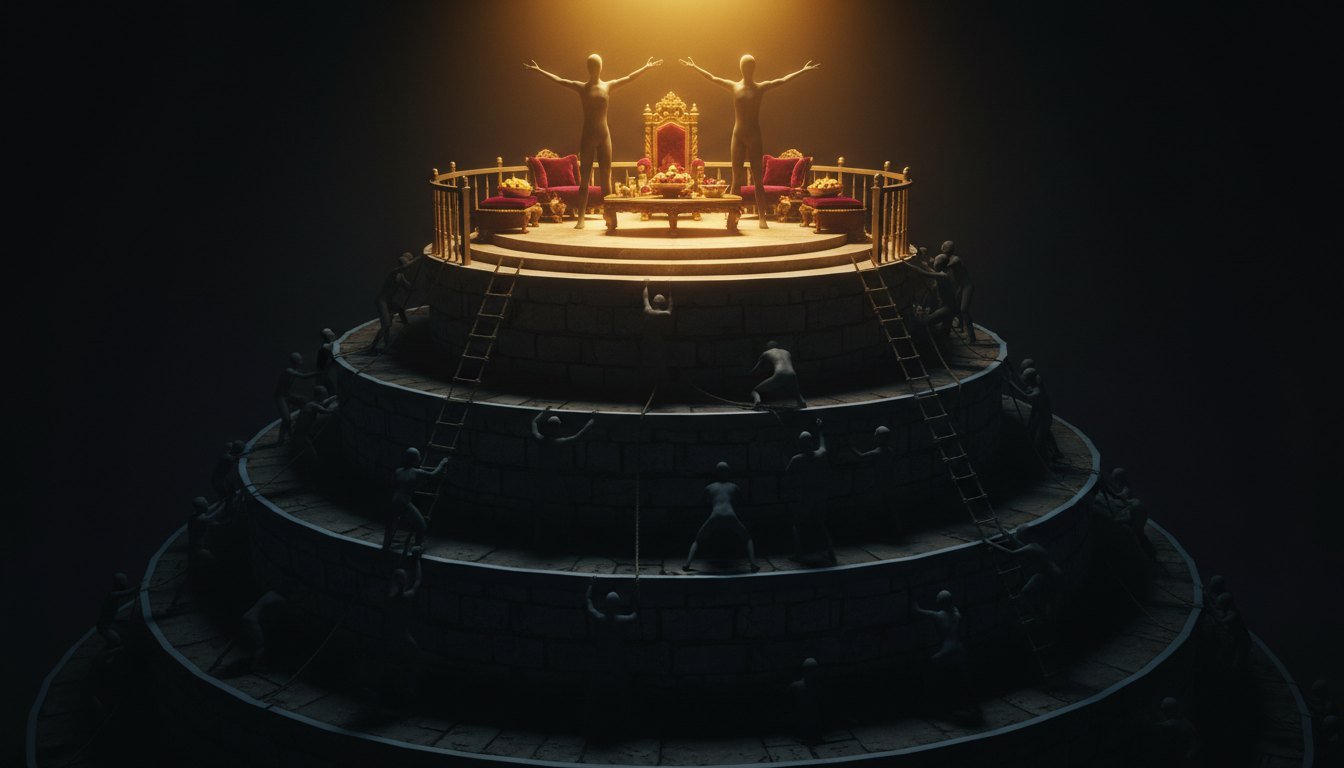
‘Rise and Fall’: Ashneer Grover’s Hierarchy Game Is Reality TV as Class Warfare
Most reality shows pretend everyone starts equal.
Inside ‘Alliance’: How Prime Video’s New Mind-Games Reality Show Actually Works
Indian reality television has stunts, it has cooking, it has houses full of shouting.

Superstar Singer and the Delicate Business of Putting Children on Reality TV
There is no reality format that requires more care than one built around children — and few that generate more genuine emotion when they get it right.
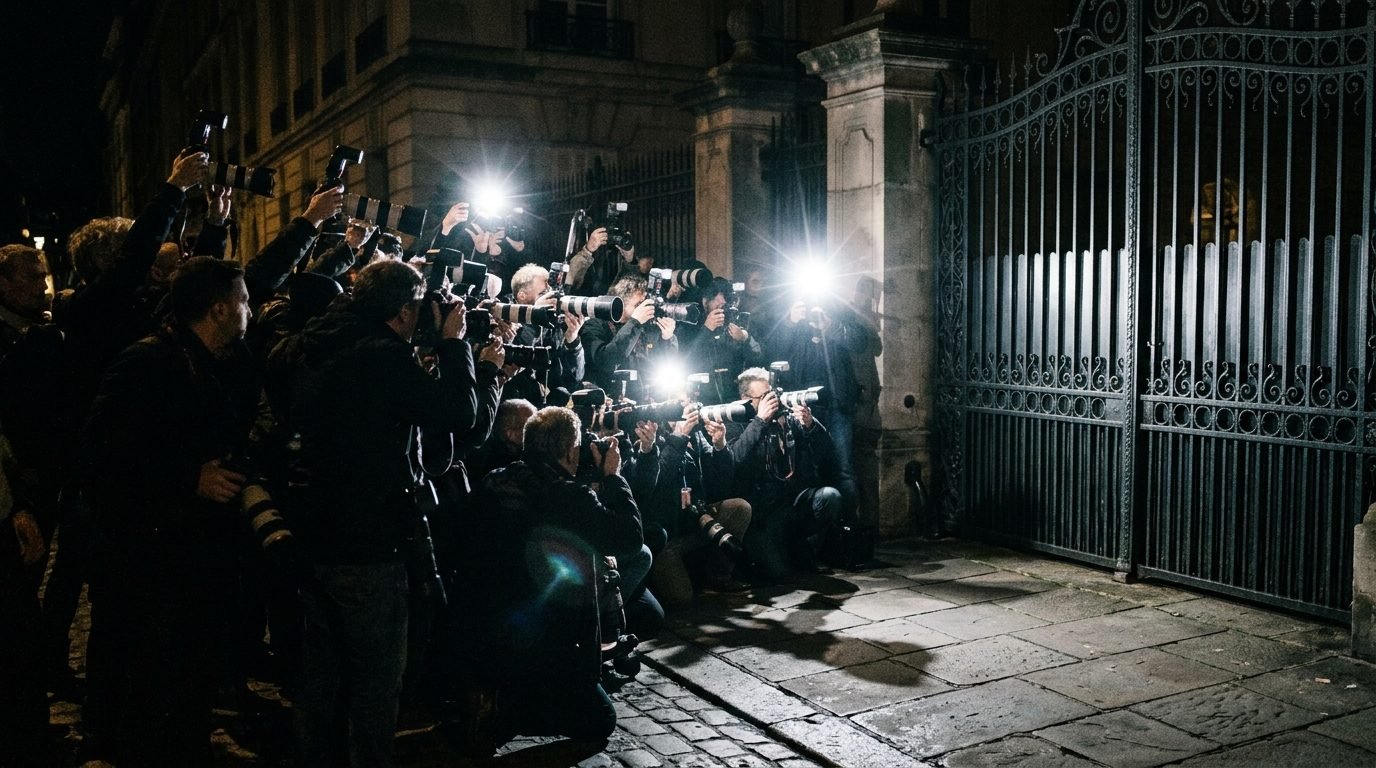
The lens has no licence: on Zareen Khan, Aamir Khan and celebrity's vanishing privacy
A paparazzo's out-of-line remark and a "love jihad" smear against Aamir Khan's marriage expose the same entitlement: fame is being read as a waiver of dignity, and it is not.